

Recently, I was in a community setting singing a familiar piece of music, when suddenly, my mind was transported to another gathering from more than half my life ago, where we used to sing the same song.
I thought about someone I loved, someone from that previous setting who is no longer with us. If he were, he would be the first to tell you that he was imperfect and complicated, as are we all. But he was also steady. You knew, without question, that he would show up. If you needed something, he was there. If you needed someone to stand beside you, to fight for you, he was already in the ring. His presence was unwavering.
And that makes me think about all of us.
What makes you the most you version of yourself? The steadiest, most steadfast version? The youest you, if you will?
We live in a time that calls for action, yes. But it also calls for presence. Have you ever considered how simply being yourself—steadily, reliably—can help others feel more secure and supported? You don’t have to do it all. You don’t have to have all the answers. But your presence, your you-ness, might be exactly what your loved ones need.
So what helps you stay grounded? What keeps you steady enough (because enough is the key word here) to show up as your whole, imperfect, complicated, steadfast self?
Because in this time, who among us isn’t imperfect and complicated? And yet, here we are. And we need each other. We need you.
— Renee Roederer
Additionally, February is Black History Month, and this is an excellent time to celebrate and learn from Black disability activists and advocates who have shaped our communities, nation, and world. This month, I will share here about some of them.
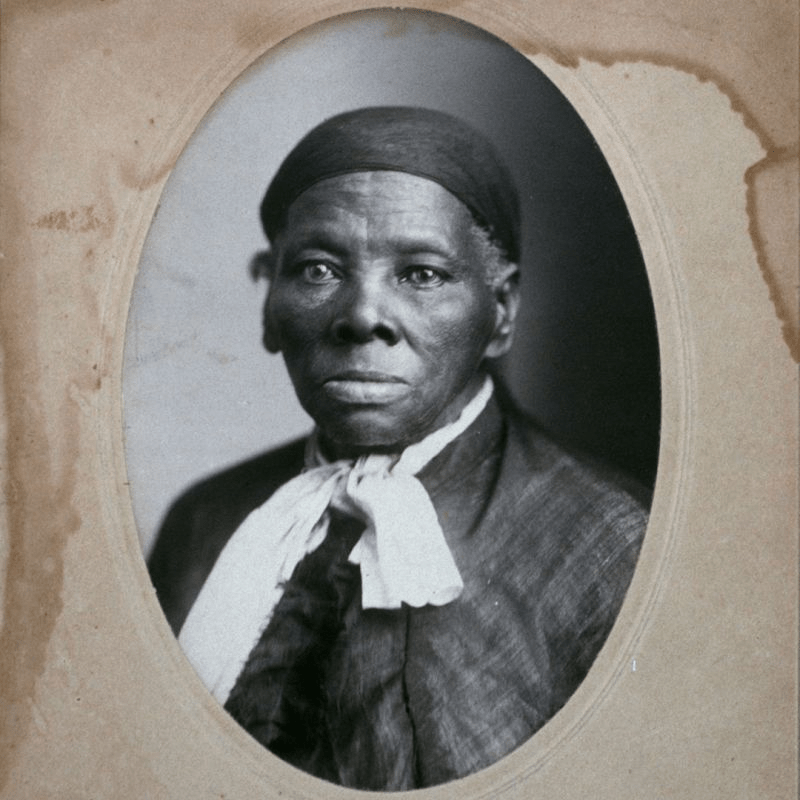
Harriet Tubman is widely regarded as one of the greatest Black liberators in history, known for her leadership in guiding hundreds of enslaved people to freedom through the Underground Railroad. Over the course of thirteen trips, she orchestrated daring escapes and, later, led an armed expedition for the Union Army, freeing nearly 800 people in South Carolina. What many may not realize is that Tubman faced a personal challenge from a young age. After being struck in the head by a 2-pound weight as a teenager, she began experiencing what she called “sleeping spells.” These episodes are now believed by many Black historians to have been epileptic seizures resulting from a traumatic brain injury, adding an additional layer of strength and perseverance shared during her lifetime.
You can learn more here: https://lnkd.in/gd8FvfWU
 Smuggling Grace