
A story to serve as an analogy:
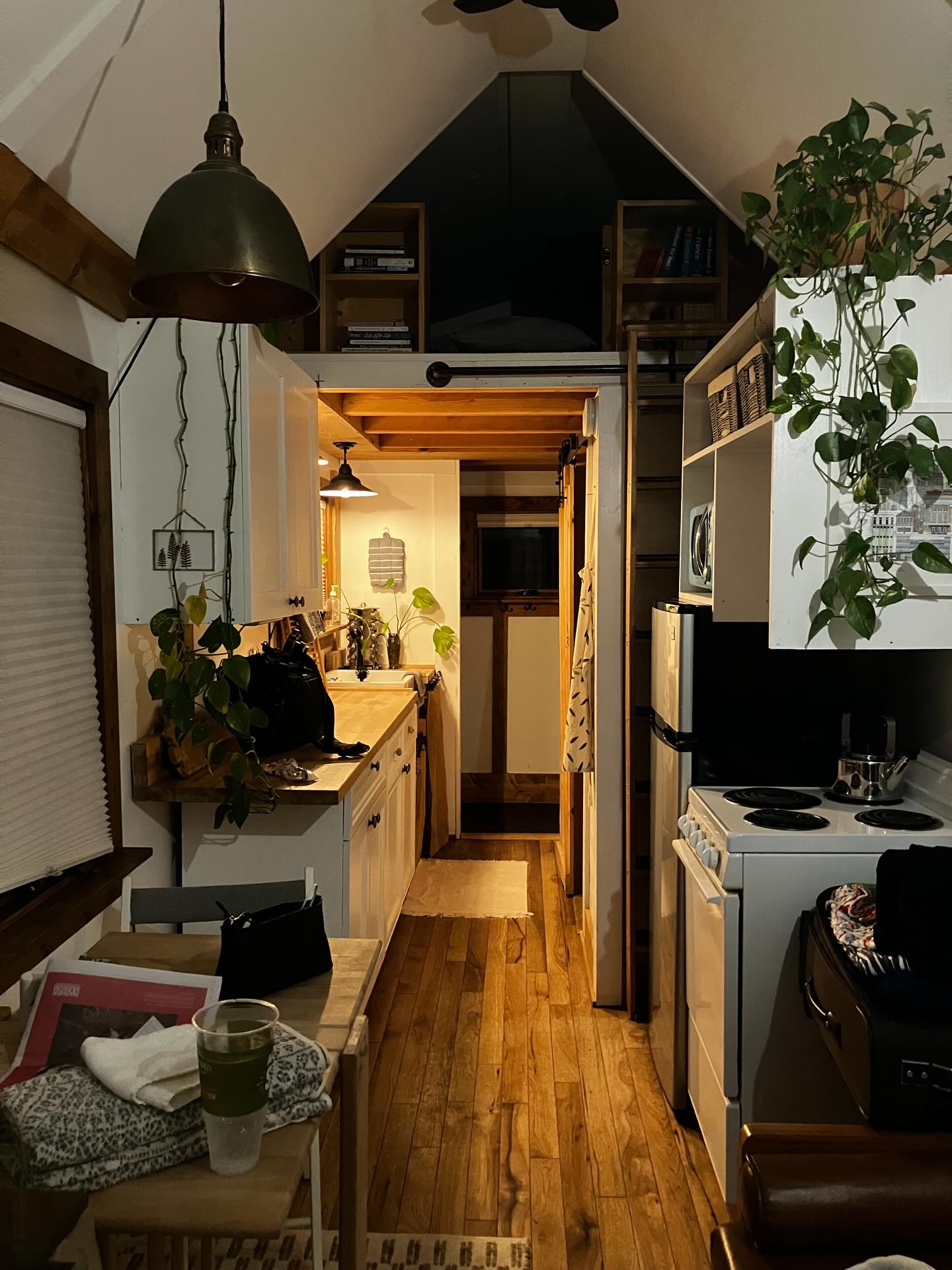
Earlier this year, while visiting Durham, North Carolina, I had the chance to stay in a tiny house. Not a small house – a tiny house: a self-contained residential unit of about 300–400 square feet.
And I fell in love with this cozy space.
Yes, it was small. But it was also deeply intentional. Everything had a place. Everything had a purpose. There was a kind of calm built into the space – a quiet coherence you could feel the moment you stepped inside. When you live in a place that small, you can only keep so much. What remains has to matter, whether functionally, aesthetically, or personally. There isn’t room for excess, or for things that don’t belong.
What surprised me most was how much that tiny house stayed with me after I left.
I don’t live in a large house, but it’s much bigger than that space. And still, I found myself thinking: what would it mean if every room in my home felt the way that tiny house felt?
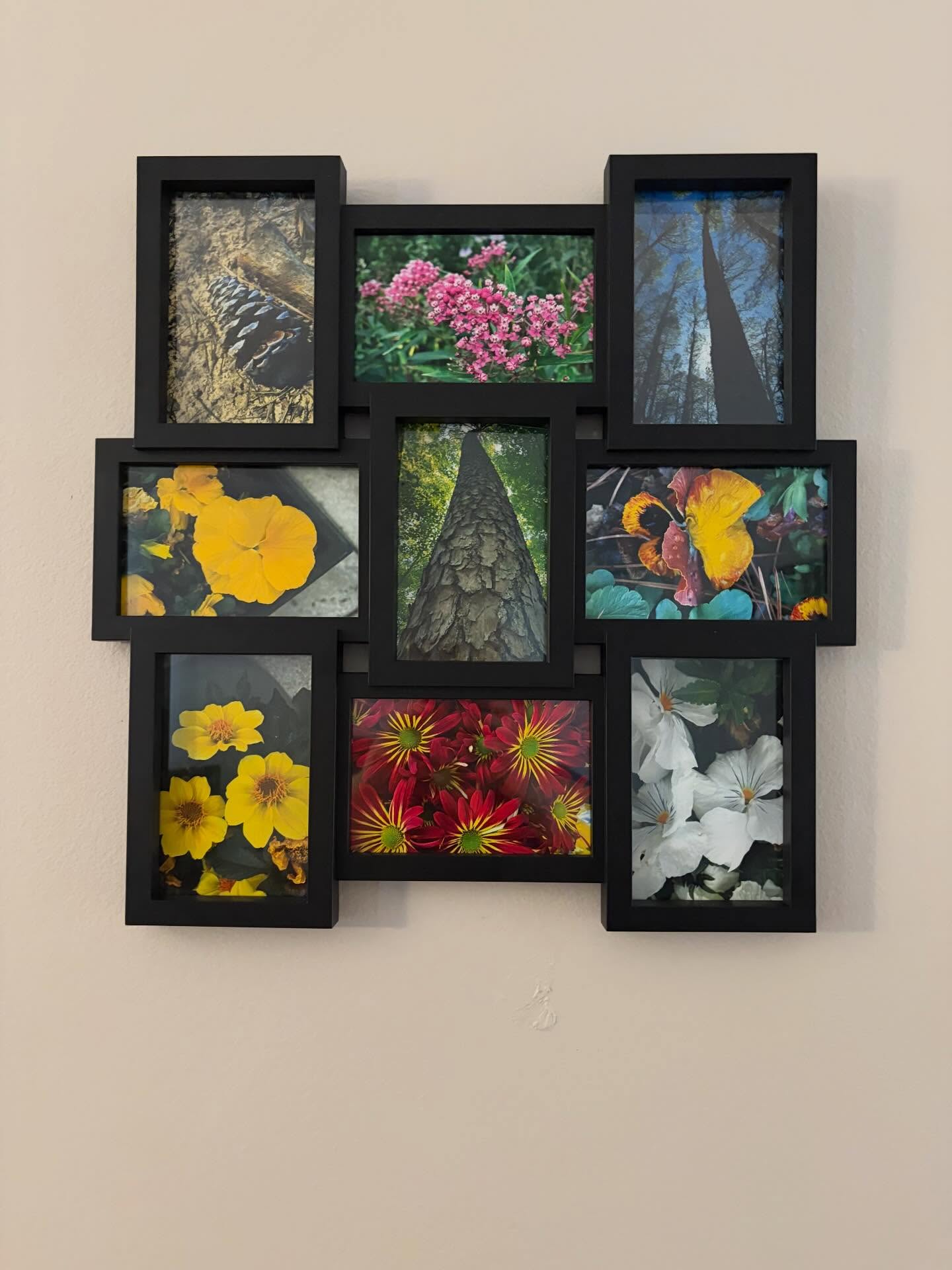
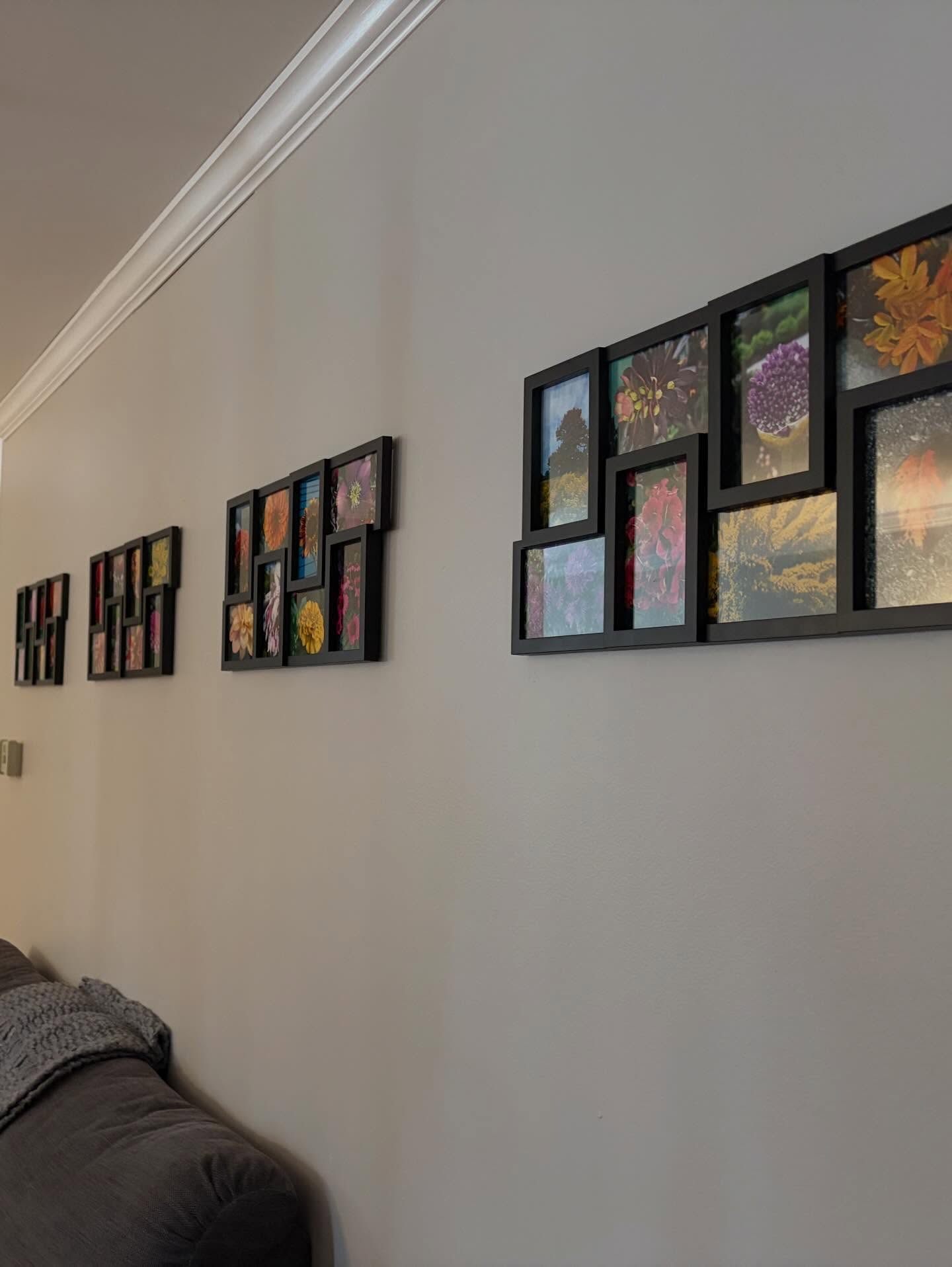
So recently, I’ve been rearranging and reimagining my space. I’ve been more deliberate about what I bring into each room. Photos of people I love. Images from nature that steady me. Fewer things overall, and more intention behind the things that remain.
Here’s where I’m going with this: the feeling I experienced last spring didn’t disappear. It took shape. It transformed the rooms of my house.
And that’s what has stayed with me.
Communities can do that for people too. They can make us feel welcome. They can make us feel at ease. They can offer a sense of belonging that settles into our bodies and stays there long after we’ve left.
If a small, intentional space can reshape how we inhabit our own homes, what might be possible in the communities we build with one another?
What might take form – slowly, unexpectedly – if we created spaces of care and connection so thoughtfully that people carried them into places we could never predict?
 Smuggling Grace