
A Cute, Clever Comment

Earlier this week, a sweet Kindergartner I know said this:
“There are 50 species of quarter.”
as in, there are 50 quarters, one for each state.
Such a cute, clever comment. 🙂
Eight Skills to Boost Mood and Lower Anxiety

These come from a study by Judith Moskowitz, a research psychologist at Northwestern’s Feinberg School of Medicine, featured on NPR. You can learn more the study here.
1. Focus on positive events
2. Savoring
3. Gratitude
4. Daily mindfulness
5. Positive reappraisal
6. Self-compassion
7. Personal strengths
8. Attainable goals
Shout out, also, to my friend Ruth who shared about these skills and this study this week on social media.
Keeping Some Humor about Us

When my father died, my extended family gathered at the funeral home a couple of hours before the visitation. Though the occasion was sad, the initial energy was pragmatic, making sure everything was prepared for people to arrive soon. Then the staff gathered the family together near the television, which would soon play a video of photos for the next few hours. This was our opportunity to see the photos on the screen together for the first time, honor his life, and feel connected to one another.
As the images scrolled and music played, my family shared moments of smiling and remembering, along with feelings of grief and tenderness. We saw pictures that spanned decades—not only of him but also of us. It was a lovely remembrance.
And that’s when we arrived at the end of the video. Some final images were shown, accompanied by text that read:
And so we give thanks….
(screen change with new image)
…for the life of… Beulah.
As you might have guessed, my father was not named Beulah.
There was a pause, and the contrast between the faces of the funeral home staff and our own could not have been greater. While they stood there in horror, realizing that they had forgotten to change the name from the last person honored in that very room, we suddenly burst into laughter. They apologized profusely, thinking they had ruined our moment, but we found it so funny.
In fact, my family thought it was so funny that, when my grandmother died five years later—she who had laughed the first time—they specifically asked the funeral home staff to show us her video with the same conclusion.
And so we give thanks….
(screen change with new image)
…for the life of… Beulah.
I have no idea who Beulah is, but she has now been honored twice, in addition to her own video. In times of grief, challenge, pain, difficulty—or simply change—it’s important to feel our raw emotions. But it’s also a great gift to find moments to laugh.
— Renee Roederer
Complacent or Despondent: How About Neither?
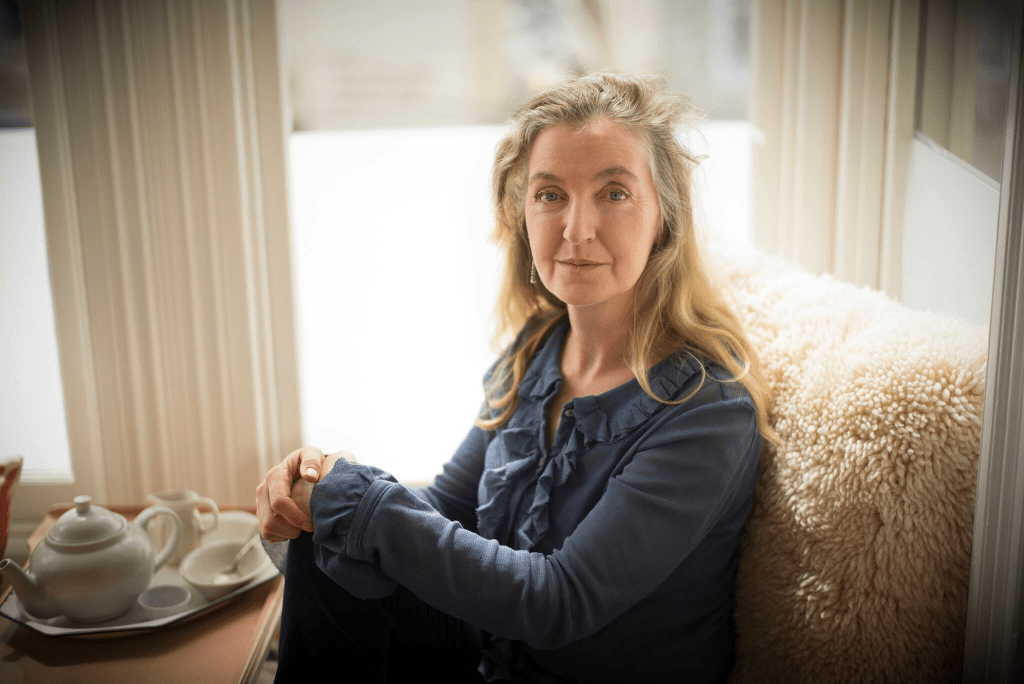
I appreciate this paragraph below from Rebecca Solnit, who is currently writing a newsletter on Substack entitled, Meditations in an Emergency. Before I share that paragraph, I want to recommend her writing generally. She doesn’t hold back in naming concerns and harms in this era, and that’s important. But at the very same time, she points to empowerment and possibility. I have more trust for a writer — and for that matter, a leader, or a fellow-human — when they can do both.
And she does both in this paragraph. I hope we will challenge ourselves wherever we fall on this continuum:
“Americans often seem to me to be complacent or despondent about the idea of radical change–complacent if they deny threats such as Trump, despondent when they deny the possibility of participating in change for the better. How change works and how civil-society organizing has succeeded again and again in this country from the abolition of slavery to immigrant rights and environmental protection is not nearly well-enough known. Mainstream narratives disempower us when they portray power as something possessed by a small elite and change as something handed down from above, and when they depict ordinary people organizing for change as foolish rabble or annoying interference.”
In 2017, I also heard Rebecca Solnit give a lecture on these themes. Here’s a post about that. I like this sentence she repeated several times: “You can never anticipate what what-you-do does.”
Sometimes, You Just Need to Hug Baby Goats
Sometimes, you’re busy, or you run out of things to say, or both, so you conclude, “You know what? Let’s make this a baby animal day on Smuggling Grace.”
And then you remember how wonderful it would be to hug baby goats repeatedly. Yes, let’s definitely share that.
This Week in Nature






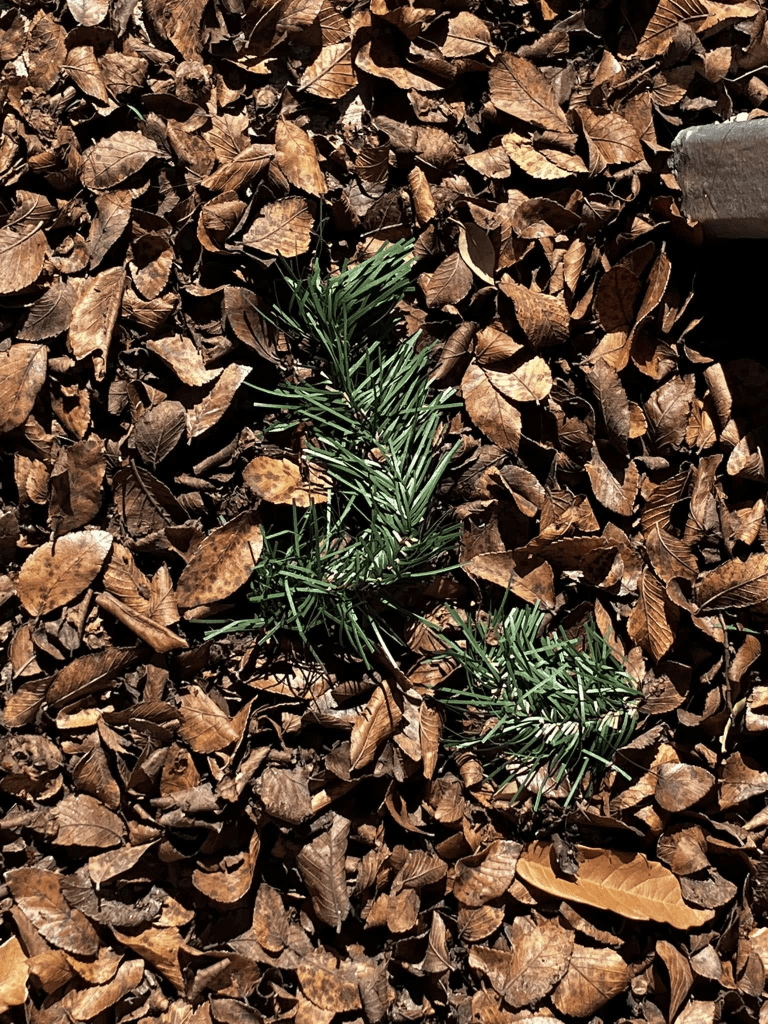



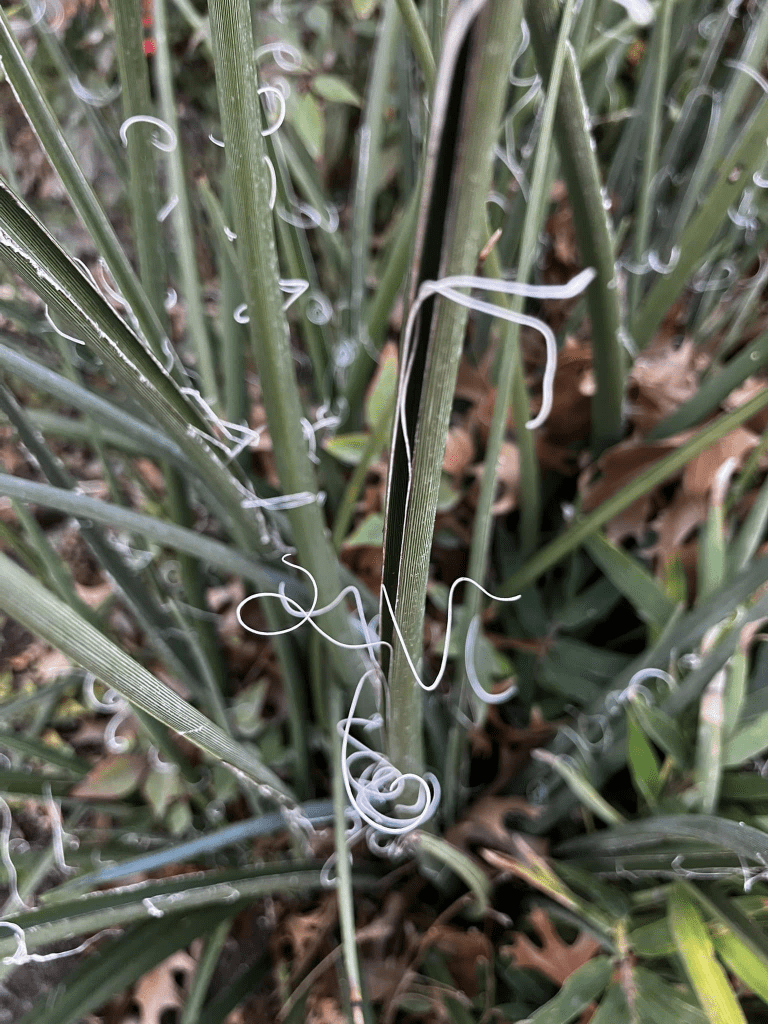


Neato Curiosities: Jacob Collier’s Harmonizer
You’re Good at That

Think about a skill you’ve developed in your life, and recall when you first started taking an interest in it.
Can you remember a time when someone—a teacher, a parent, a friend, a coach, or even a stranger—said something like, “You’re good at that”?
Sure, maybe there was natural talent there. After all, they noticed it. But could it be that we started down this path because someone else saw something in us? And perhaps, at the time, we hadn’t yet recognized that we were truly “good at that”?
You might be thinking of a skill or hobby you started in childhood, but often, we discover these abilities in adults too. Have you ever considered the impact you could have by sharing your observations with others?
“Hey, you’re good at that.”
— Renee Roederer
The Opposite of the Curb Cut Effect

Do you know what the curb cut effect is? It’s both a tangible concept and an analogy. When we started creating curb cuts—ramps that allow people using wheelchairs and other mobility devices to access sidewalks without the barrier of stairs—it turned out that this change helped many people who don’t use these devices. Parents pushing strollers, people riding bicycles, and kids on scooters all benefited from these small, thoughtful changes.
The core idea is simple: when we provide access for those who face the greatest barriers, we remove those obstacles for everyone. At the same time, we uplift everyone’s needs.
On the other hand, when we target and scapegoat a population of people, increasing barriers for them, it can harm many others in the process.
We’re seeing something like this in Texas v. Becerra. This lawsuit claims that Section 504 of the Rehabilitation Act of 1973 is unconstitutional. Why? Last year, in the preamble (the application rule, not the law itself), gender dysphoria was mentioned as a possible disability. Some people are so determined to erase the experiences and personhood of trans people that they are willing to overturn a law that has been a historic game-changer for people with disabilities. Section 504 provides accommodations for students and adults with disabilities in both education and healthcare settings.
Some people stand so firmly against trans children and adults that they’re willing to erase their needs with great disrespect, all while undermining a landmark piece of legislation that hundreds of disabled people fought for in protests, sit-ins, and an occupation of a federal building that lasted for more than 25 days. Trans people should not be maligned in this way. Disabled people should have their rights upheld.
In this era we’re living in, if we haven’t realized it yet, we’ll soon see how right Martin Luther King Jr. was when he wrote in his Letter from a Birmingham Jail: “Injustice anywhere is a threat to justice everywhere. We are caught in an inescapable network of mutuality, tied in a single garment of destiny. Whatever affects one directly, affects all indirectly.”
Our needs, our personhood, our loves, and our communities are interconnected. We must stand up for those most scapegoated and maligned. Every person deserves this. And when we do, we lift up everyone.
— Renee Roederer
 Smuggling Grace