Ancient Teeth

This piece was originally posted in June 2022. A few days ago, I was thinking about it again and thought I’d re-share.
“Ancient Teeth.” I’m definitely aware that that’s an odd title for a blog post.
But I’m also laughing about it this morning.
These days, I’m doing something I haven’t done in many years: I’m reading the Bible from cover to cover. As I’ve done so, I’ve encountered passages that have moved me deeply, and I’ve found some that puzzle me too. But I also need to share this: The Bible is also funny. I have found some snarky, one-liners from characters that have made me guffaw aloud. Or at times, the narrator of one of the books will make an aside about a situation, and that also makes me chuckle. I love the humor.
There’s a section that wasn’t intended to be funny, but it’s made me giggle too. When I got to the Song of Solomon, I encountered King Solomon and his great love passing on an array of compliments that sound so strange to us millennia later.
“Your hair is like a flock of goats!”
“Your brow is like a slice of pomegranate!”
And there’s this one. It actually shows up several times throughout the poetic book:
“Your teeth are like a flock of newly shorn sheep coming up from washing, each one having a twin and not one missing.”
Gurrrl, you look so good! You have all your teeth!
This complement shows up multiple times. Not one of your teeth is missing!
But then, I started thinking about it, and this was a thought I have never had in my life: Without dentists or even toothbrushes, ancient people were likely missing teeth. Throughout most of human history, people were frequently missing teeth. I’ve never thought of this before.
So I guess it is high praise after all:
Not one of your teeth is missing! Not a single one of your newly shorn sheep teeth! You look gooooood!
— Renee Roederer
If My 20 Year Old Self Were Alive Now, She’d Be a Christian Nationalist

When I was growing up, The 700 Club, James Dobson of Focus on the Family, and Rush Limbaugh were all a part of my day-to-day life. When I was in elementary school, I attended churches that seemed to believe, “We’re not the only Christians, but we’re the ones who are most right.” No one ever said this overtly, but I could feel that we all believed it. I was, however, told overtly, “The United States is the best country on the face of the earth.”
I had ventured away from these influences and expanded some of my thinking, feeling, and believing in adolescence, but I dabbled back in a bit during college. During that era, 9/11 crushed us with emotions of grief and anxiety. It felt safer to be “right” and “the most right ones.” These descriptors could have summed up my self-perception as a Christian or as an American.
If my 20-year-old self were alive now in the context we’re in—if we just plopped her from that time into this one—she would probably be a Christian Nationalist. Maybe she wouldn’t be the most cultic kind, but I think I would have wanted our government to take on “Christian principles” and be “a Godly nation.”
What I’m trying to say is that contexts, theological beliefs, forms of belonging, and emotions—including anxiety about our world—are shaping some people in these directions. And without a doubt, so are racism, xenophobia, and beliefs about gender identity and expression.
Thankfully, my current self is not a Christian Nationalist. I do not believe that we should be a theocracy. Far from it. And I believe we should do all we can to build a safe, inclusive world where we learn from people whose identities and ways of life are different from our own.
But I am seeking to learn some of the dynamics that have created and continue to shape this movement. Right now, I’m listening to Season 2 of the Extremely American podcast, which is reporting on this movement broadly and on a particular circle of it in Idaho. The reporters do not hold these beliefs, but with the permission of the communities they’re reporting on, they have immersed themselves to learn and, frankly, sound the alarm.
I’m listening, and I wonder if you might like to do that too. Check it out:
Extremely American Podcast: Season 2 — Onward Christian Soldiers
— Renee Roederer
I Am Done With Doomscrolling
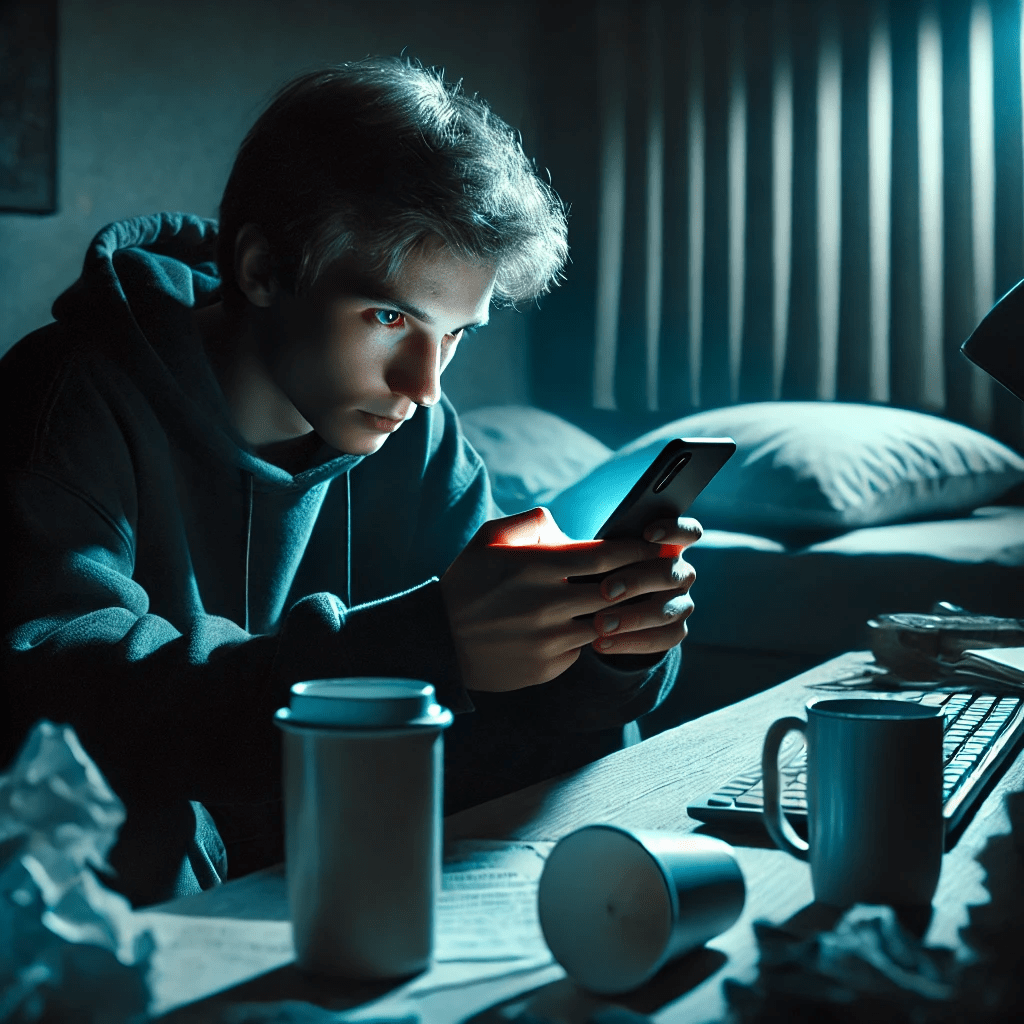
I am done with Doomscrolling. I gave it up.
Who knows? Maybe I’ll have a weak moment and go back, but I’ve taken a substantial break, and I’m going to recommend this to everyone I know. Doomscrolling drains us emotionally and physically, and on its own, it doesn’t add any important action to the world.
Here are things I’m not suggesting:
I’m not suggesting that we become uninformed. I’m definitely not talking about putting our heads in the sand metaphorically (which is also a great privilege some cannot choose). I’m not talking about leaving social media to the point that we feel wildly isolated from the updates of our friends.
But I am talking about noticing those moments when we’re drawn to scroll repeatedly through bad news, feeling shock and horror, and immersing ourselves in hard things.
Instead of Doomscrolling, here are things I am planning to do:
— I want my news to be peopled. I want to engage news intentionally as a regular part of my day. These days, read a few newsletters, and I listen to a particular podcast. Then I am asking questions like, how can I act on what I just heard? Is there a person I need to reach out to? Should I share this somewhere? Can I give to a resource, or is there a resource I should with others? Should I follow this organization on social media? How can I connect with loved ones impacted by this?
So often, we hear, see, or scroll through these things passively and feel like we can’t take action. When we do take action, even if it’s just to ask a question about possible action, our bodies feel active instead of passive.
A friend said recently to me, “We probably wouldn’t listen to a person tell the same story 15 times at the dinner table. Why am I doing that with media?”
— I am still going to post on social media, and I’m going to check in with friends’ posts, but I am going to spend way less time there. I read recently that the average person in this country is spending two hours a day on social media platforms. These algorithms are initiating our emotions at best, and inciting us or manipulating us at worst. I don’t feel like giving these algorithms that much of my thinking and feeling space. I’d rather give that time to people I love with voices, texts, conversations, and in-person time.
So goodbye, Doomscrolling. I’d rather do these.
This is just me, and others may have different rhythms that sustain them. But whatever they are for each of us, I invite us to choose them intentionally again. What are yours?
—Renee Roederer
Nobody is Home Until Everybody is Home
“Nobody is home until everybody is home.”
This is the motto of Project HOME in Philadelphia, an organization I’d invite us to learn about today through this 13 minute podcast below:
As longtime housing activist retires, the fight to end homelessness continues
“Is there something that you would encourage ordinary people to do in their daily lives to address homelessness?” Ari Shapiro asks.
Sister Mary Scullion replies, “Sure, all of us can see, and acknowledge, and affirm another human being as simply that, a human being, at a minimum. But I think social policy is the most impactful way to end and prevent homelessness. And it’s not just about building new units. It’s about protecting existing units, and renters, and homeowners to afford and keep their homes safe and upgraded. It’s about each one of us deciding what kind of country we want to live in and holding elected officials responsible for how our resources are spent to further a country where everyone can afford a place to live.
“And that means voting, it means getting involved in the civic life of our neighborhoods and communities. And it means not putting on our blinders. We have to see our brothers and sisters. We have to see our brothers and sisters, who are not only living on our streets, but in doubled up and unsafe living conditions. We have to see the kids that are going to movies in all-night theaters so people don’t know they’re unsheltered or that they’re homeless. We have to see the elderly on our streets and those with mental illness.”
How might we take action locally?
Mental Health Monday: Make the Reach-Out

Last week, a close friend texted me in the morning and said,
“Are you awake?”
“I am,” I said, and she called immediately.
I assumed she was going to chat with me about something going on in her week, but instead, she was calling to check on me. I had had a really difficult day a few days before. I was very touched by this, and it impacted my day meaningfully.
A few days later, someone popped in my mind, and I called her.
“I’m not calling about anything in particular,” I said, “I was just thinking of you and thought I would check in to see how you’re doing.”
It turned out that she had had a difficult day, and I seemed to call right on time.
We may be amazed how much a single, “I’m thinking of you” text, or a 5-10 minute phone call can impact a person in helpful ways.
This Mental Health Monday post is simple. When you think about someone and have the time — even just a little moment of time — make the reach out. It may make a big difference.
— Renee Roederer
This Week in Nature
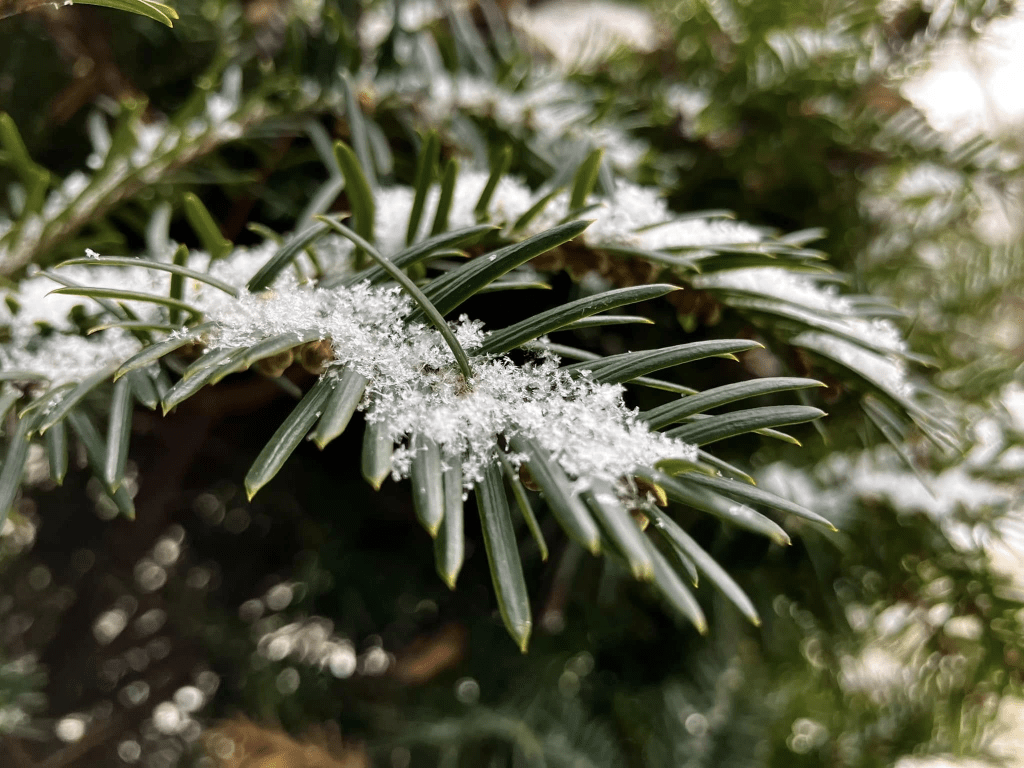


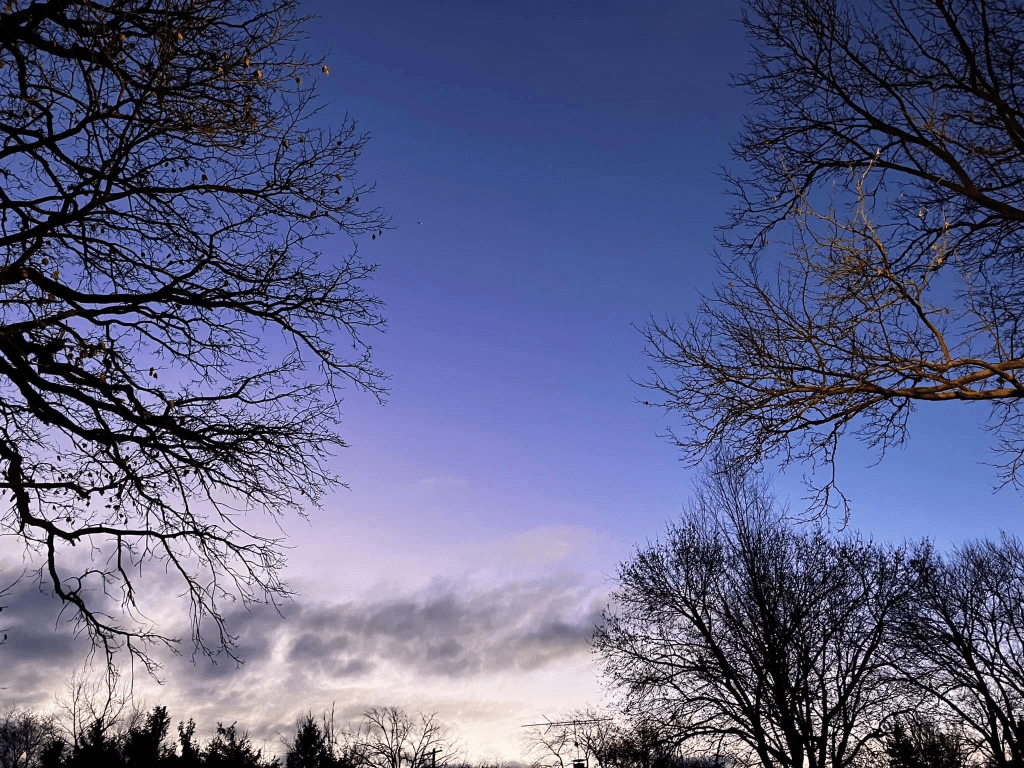
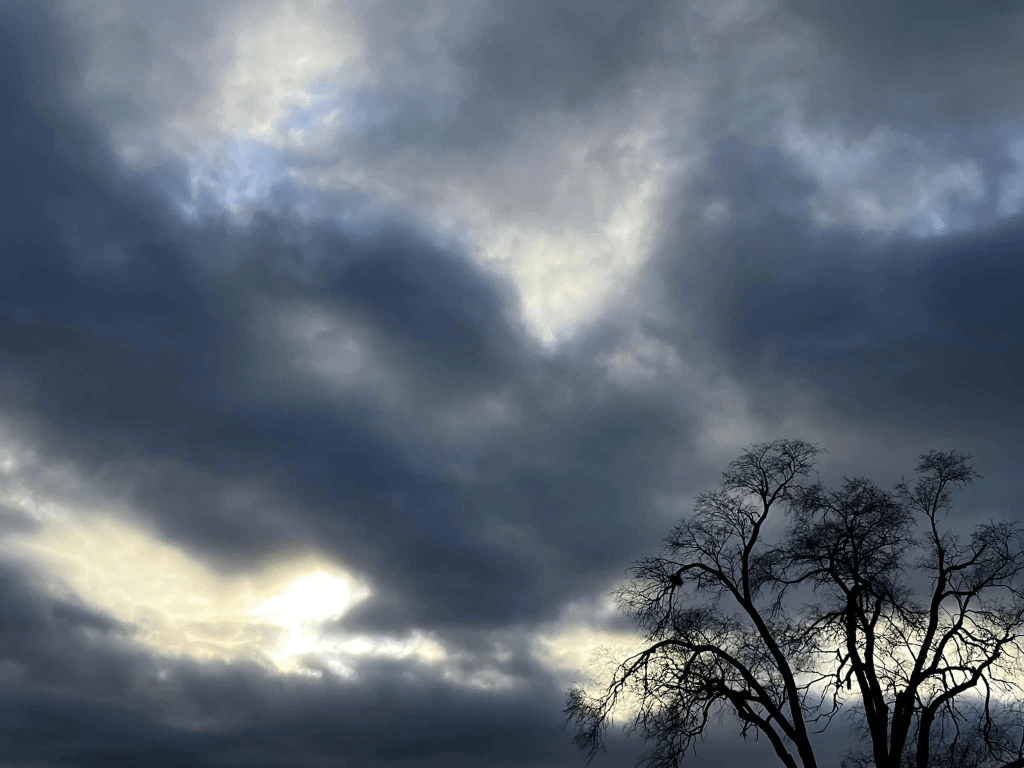
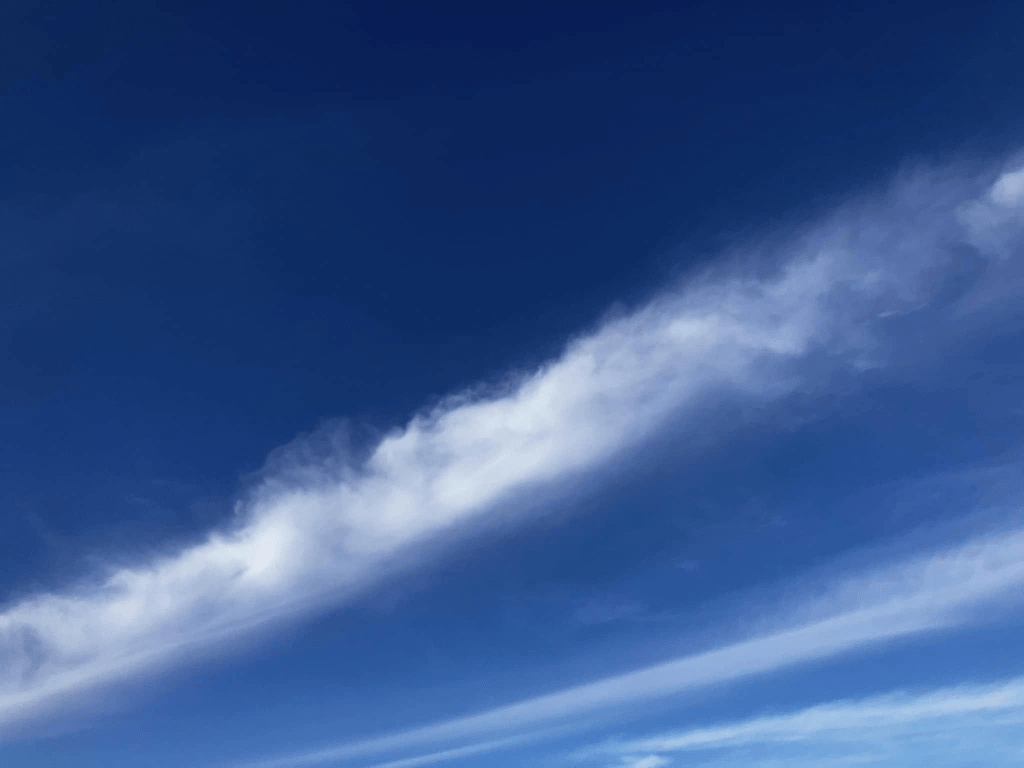

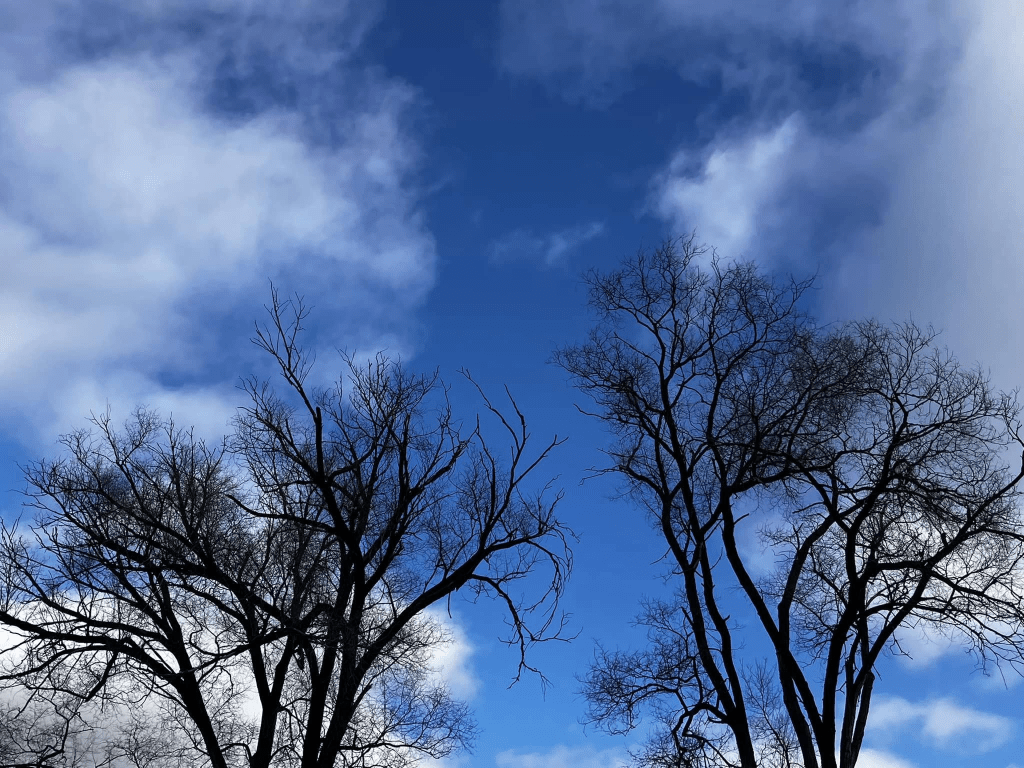
Neato Curiosities: Why Aren’t There King Bees?
My Delegation Jam in the Car

This week, I had a delightful moment in the car when an unexpected intersection of music and feeling came together. I was driving to work when Stevie Wonder’s For Once in My Life came on. The chorus always makes me smile:
For once in my life, I have someone who needs me.
I smile because this reminds me of a community member I deeply admire. She’s found so much joy and purpose in advocacy work that she decided this song was her song. For her, it captures the beauty of feeling needed and making a difference in community.
As I drove, I felt gratitude for her. Then, a thought struck me, and I couldn’t help myself. This year, in our work at the Epilepsy Foundation of Michigan, we’ve been training interns and high-level volunteers to take on leadership roles. As our community continues to grow, we’re inviting others to participate in that work.
So I changed Stevie’s lyrics for me. With gusto, I sang:
For once I can say, “This ain’t mine, you can take it.”
As long as I know I have love, I can make it.
For once in my life, I have someone who doesn’t need me.
And I laughed while I sang it.
Have you ever thought about the gift of not being needed? Being needed is wonderful, but there’s also a deep satisfaction in seeing others step up, carry the weight, and help the work flourish. It’s freeing, empowering, and a reminder that the best work happens when it is shared.
For me, it was a reason to sing boldly.
— Renee Roederer
We Need a Lot of Loves Right Now

Our brains and bodies weren’t built to hold the weight of the world’s suffering all at once. Yet that’s often what we face. Scrolling through newsfeeds or watching headlines, we are inundated by disasters, crises, and pain from every corner of the globe. This can feel overwhelming. We are living with global awareness in bodies that were formed by hundreds of thousands of years of human history, where people lived with local awareness, caring for the people and places closest to us. We aren’t physically designed for this.
Maybe in times like this, we need to widen our view, not just to the world’s pains, but to its loves. We need our loves—people we hold dear and people who hold us. We need the many relationships that sustain us, near and far.
This week, Southern California is devastated by wildfires, and this has had a massive impact on people I know personally. I want to spend less time on the news and more time in communication with them, holding them close in thought and action. Maybe our greatest gift is to tend to our connections and to let them tend to us.
— Renee Roederer
 Smuggling Grace