A lovely message at the end.
Clarence

My house has a spider. (Not on the inside.)
Outside, around the frame of my front door, there is a spider who over the last couple of weeks keeps choosing this spot to make a web. I named him Clarence. He’s a red spotted orb weaver, and around this time each year, red spotted orb weavers show up in my neighborhood and around my house. I used to be afraid of them, but a couple years ago, I had another orb weaver who chose the same spot, and I have a really sweet story about rehoming him. (His name was Herbie).
If you’ve followed along this far, sure, you may already think this post is weird, but you’d be surprised how naming spiders can make you less afraid of them. 🙂
Anyway, sometimes, I have to take a broom to Clarence’s web, because, you know, front door. But other times, I’ll just use the backdoor. We’re co-existing. I figure I can do this for a couple of weeks. Plus, these webs are so extraordinary if you take the time to view them. I’m impressed with Clarence.
What I’m most impressed with is his persistence. Yesterday, was a broom day (sorry, buddy). But around 6pm, sure enough, there he was starting anew. And of course, once this geometrically neato thing is built, he just… waits. He’s persistent, and it’s patient.
And yes, I’m anthropomorphizing, and he’s a character now. But if we pay attention to the beings around us, we might learn some lessons too.
— Renee Roederer
I Totally Did/Didn’t Do That
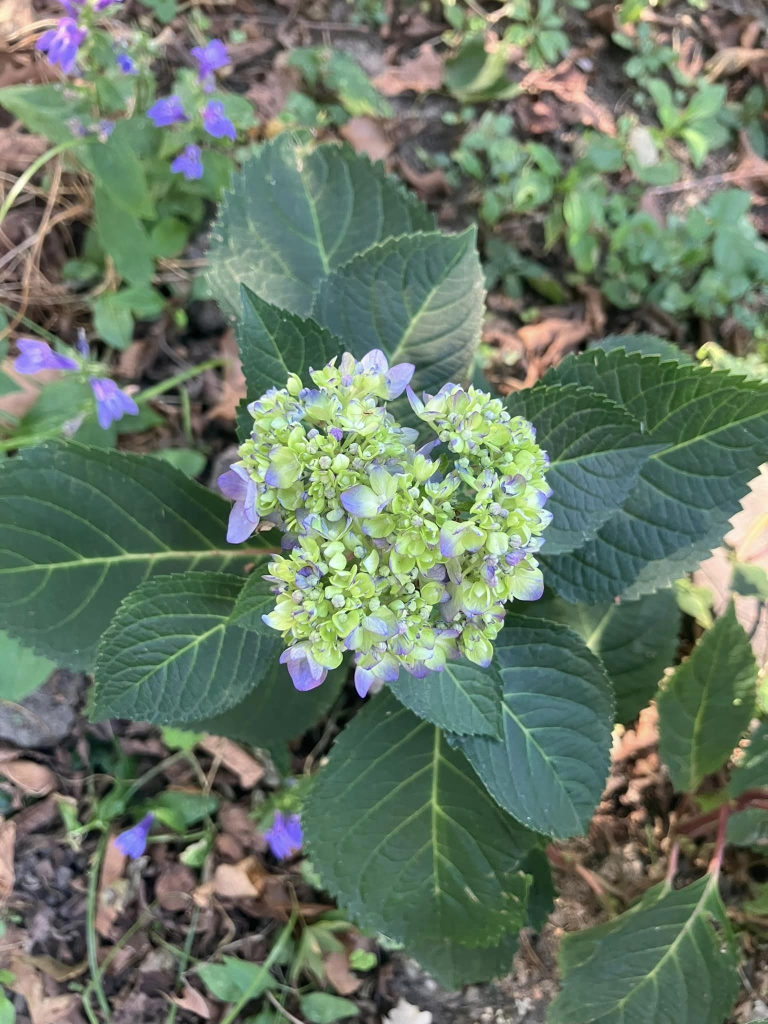
The other day, I noticed something lovely—a budding hydrangea bloom in my yard. This is the first plant I’ve ever put in the ground myself, and it made me smile.
On one hand, I totally did that. I ordered the plant online, shoveled a spot for it, and placed it into the earth. I considered the amount of sunlight and felt confident it would receive enough rain. There’s real satisfaction in knowing I played a part in making this happen.
But at the same time, I totally didn’t do that. I didn’t make the bloom appear. The growth and blooming happened on its own, something beyond my actions. I just provided the space.
Community is like this too. We can create the conditions—making space for people to connect, for ideas to grow—but the actual growth happens on its own. The transformations we hope for aren’t something we can force or fully direct. We simply make space, and then something deeper takes place.
— Renee Roederer
An Invitation to Claim it Boldly

Once a month, I lead a congregational service called Parables, designed for the whole community but crafted especially for, with, and by people with disabilities and neurodivergence. This past Sunday, we read the story of the Syrophoenician woman from the Gospel of Mark. Frankly, it’s one of the most powerful stories in the Bible, and it always invites me to reflect.
In the story, Jesus has left his familiar surroundings and travels to the region of Tyre, a Gentile area. While he’s there, trying to keep a low profile, a woman whose daughter is suffering approaches him. She’s bold. She asks Jesus to heal her daughter, but his response is remarkably out of character. He tells her, “It’s not fair to take the children’s food and throw it to the dogs.” It’s a shocking thing to hear from Jesus, especially considering how he consistently embraces those on the margins.
But the Syrophoenician woman doesn’t back down. She won’t let herself be defined by those words. Instead, she boldly responds, “Even the dogs under the table eat the children’s crumbs.” It’s a snarky, powerful reply. She claims her worth and her daughter’s worth—asserting that they too are a part of this healing and belonging. And this boldness is recognized. “For saying that, you may go,” Jesus says, and tells her that her daughter will be healed.
This story challenges us to think about how we claim our own worth, and the worth of those around us. It invites us to proclaim boldly that healing, dignity, and belonging are ours too, no matter what words or barriers might stand in our way.
Years ago, I attended the “Why Christian?” conference in Durham, North Carolina. One of the preachers, Rev. Gail Song Bantum, delivered a powerful sermon on this very story. After her sermon, we were invited to communion, and she urged us to claim the bread and cup with boldness. When we were handed the bread and told, “This is the body of Christ, given for you,” we were invited to respond, “Yes, it is!”—to assert that this gift, this grace, this belonging was really ours.
This was the spirit we carried into our time at Parables on Sunday. As we shared communion, our servers said, “You are a Child of God,” and each person was invited to respond boldly, “Yes, I am!” It was a simple but profound moment of claiming truth—about ourselves and about each other.
What would it look like for us to claim boldly? To declare that our identities are treasured? To insist that our neighbors, especially those who are often marginalized, belong fully? What possibilities might we see if we assert the truth of who we are, if we stand firm in the knowledge that we are cherished?
Today, I invite you to ponder what you want to claim boldly. Maybe it’s the truth of your worth. Maybe it’s the belief that life has more possibilities than you’ve imagined. Or maybe it’s the sacredness of your neighbor’s identity and the shared call to community.
Whatever it is, claim it. Boldly.
— Renee Roederer
Mental Health Monday: The Sounds of Home
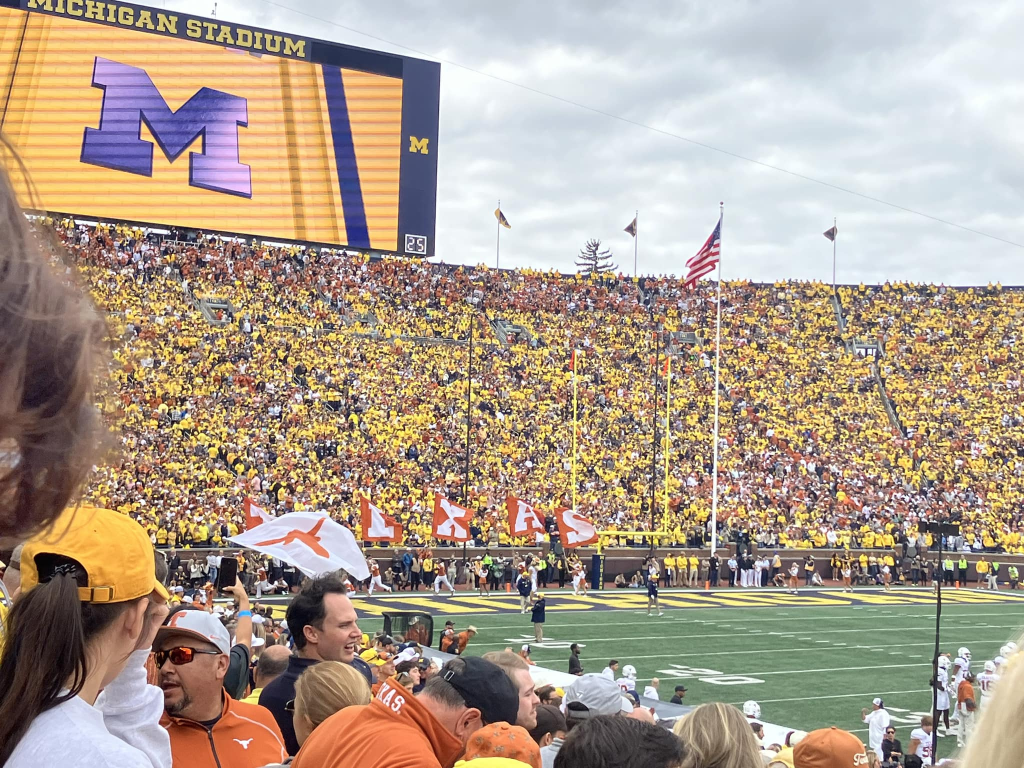
There’s something grounding about the sounds that remind us of home. Recently, I experienced two moments that brought this feeling into focus.
The first was at Michigan Stadium, where I attended a football game between the University of Texas and the University of Michigan. These teams hadn’t faced each other in 20 years, and being there felt special. Our tickets were a generous gift from a friend who shared her season passes. Even though I’m not a big football fan, having lived in both Austin and Ann Arbor, both college towns associated with these universities, the fight songs stir something in me. They connect me to communities that have been significant in my life. Near the end of the game, both bands played their fight songs at the same time. I closed my eyes, and instead of sounding chaotic, it felt like a blend of two places I hold dear.
The second moment happened after a period of frequent travel. I’ve been on the road a lot lately, for both vacation and work. While each trip has been meaningful, I’ve been craving the simple routines of home. A few days ago, just before dusk, I went to the grocery store. As I stepped outside, the familiar sound of crickets filled the air—a hallmark of this time of year where I live. I paused for a moment, paying attention to the sound. My body relaxed, and I felt a deep sense of belonging.
Our bodies respond to these familiar sounds in profound ways. They help us reconnect and find our footing amidst the busyness of life. Taking a moment to truly listen can remind us of where we’ve been and where we are.
— Renee Roederer
This Week in Nature
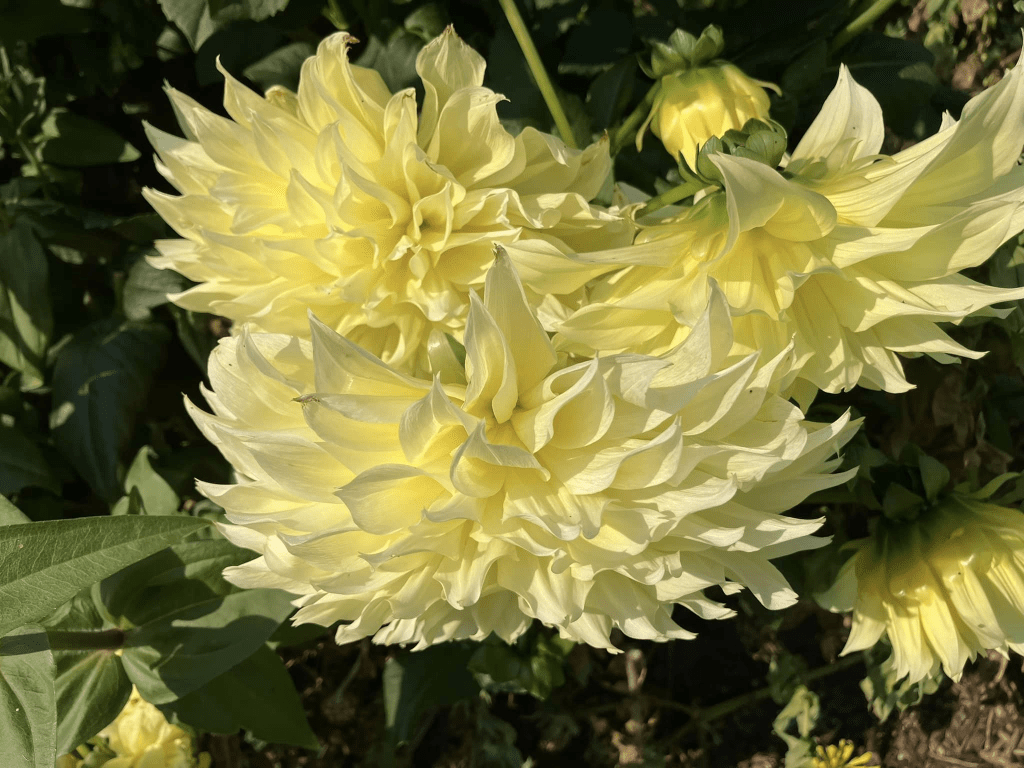



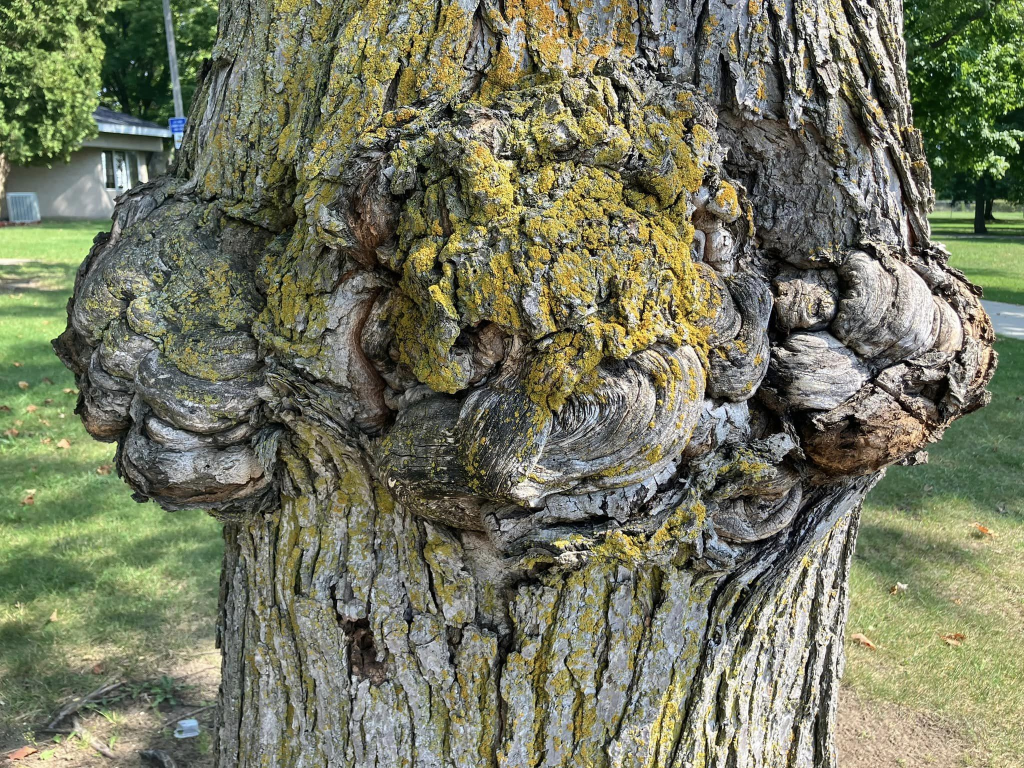
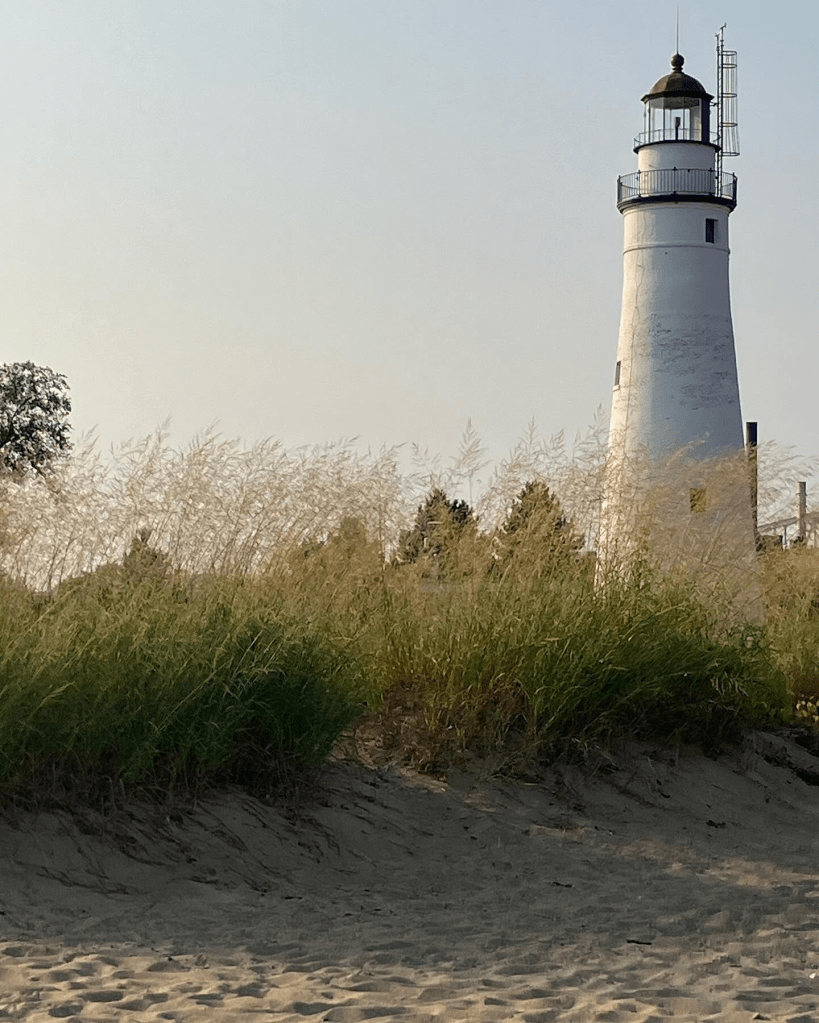
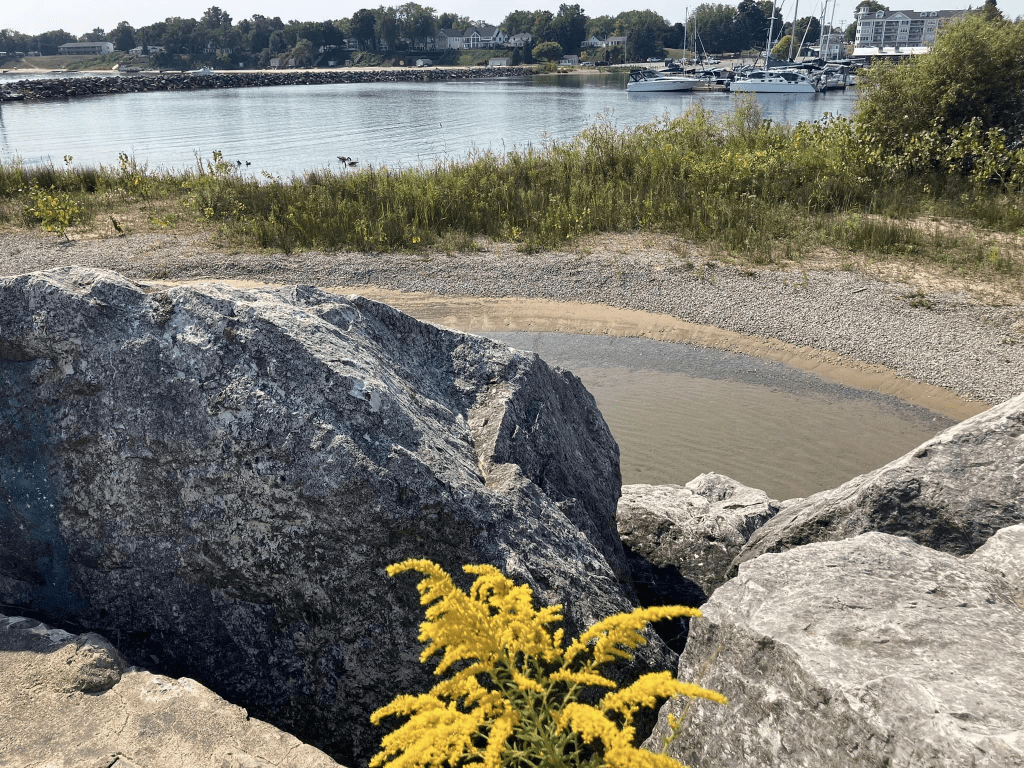

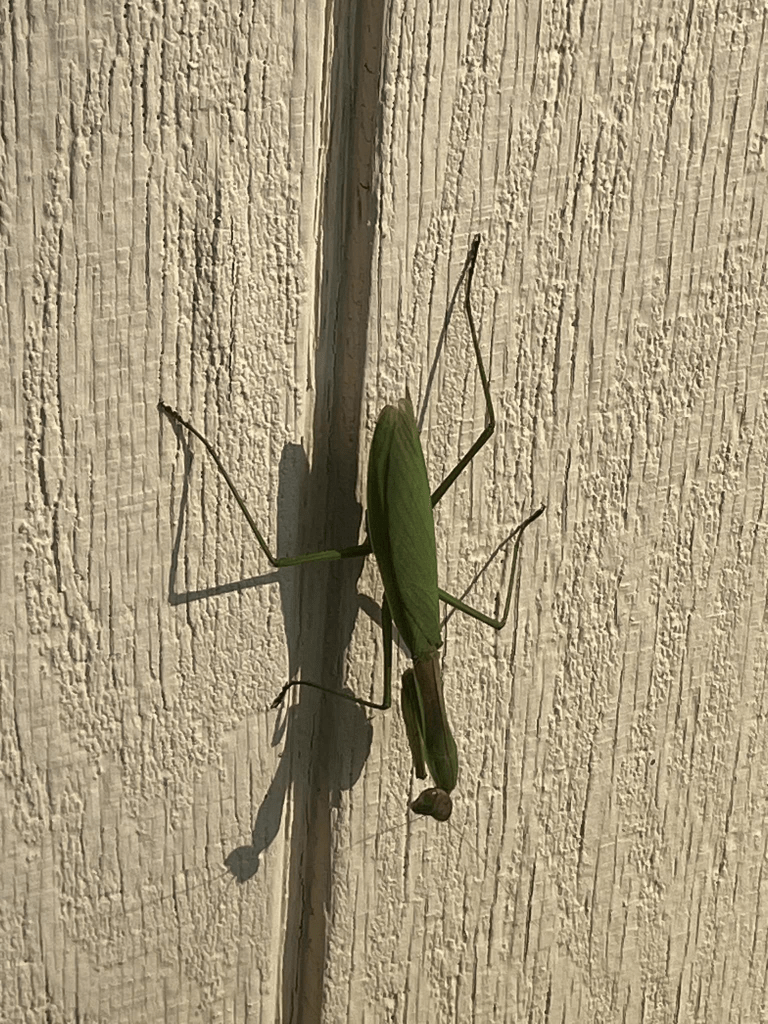


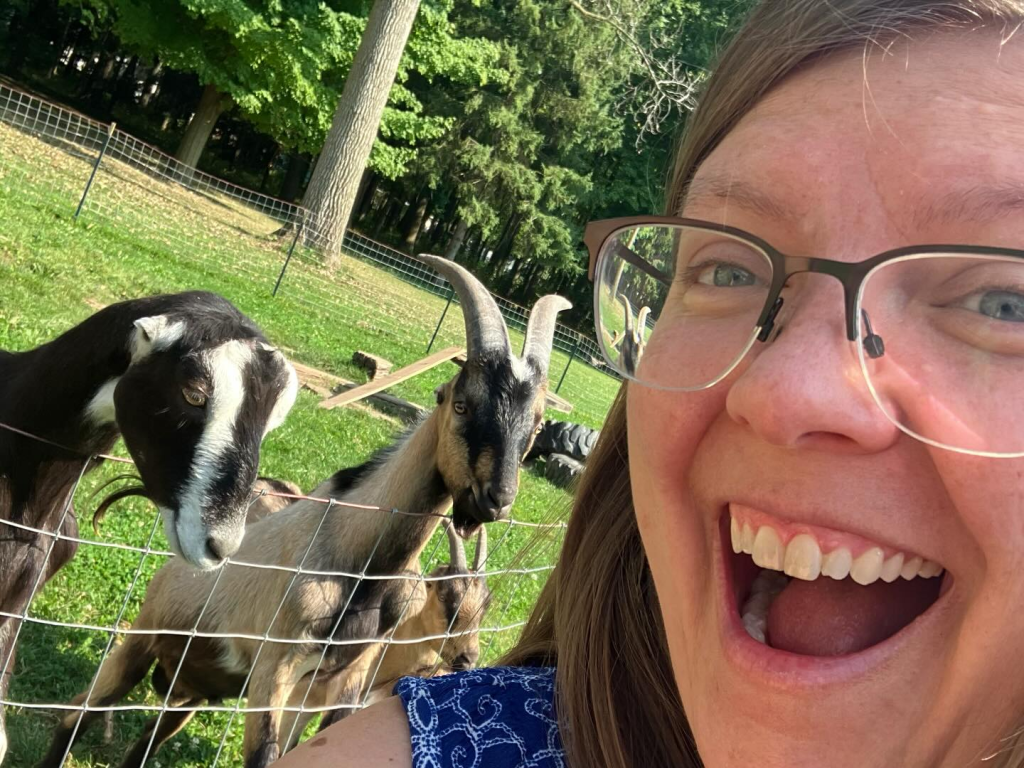
Neato Curiosities: Tubs
It’s Tubs’ World, and we’re just living in it.
Caro — Honoring Difficult History
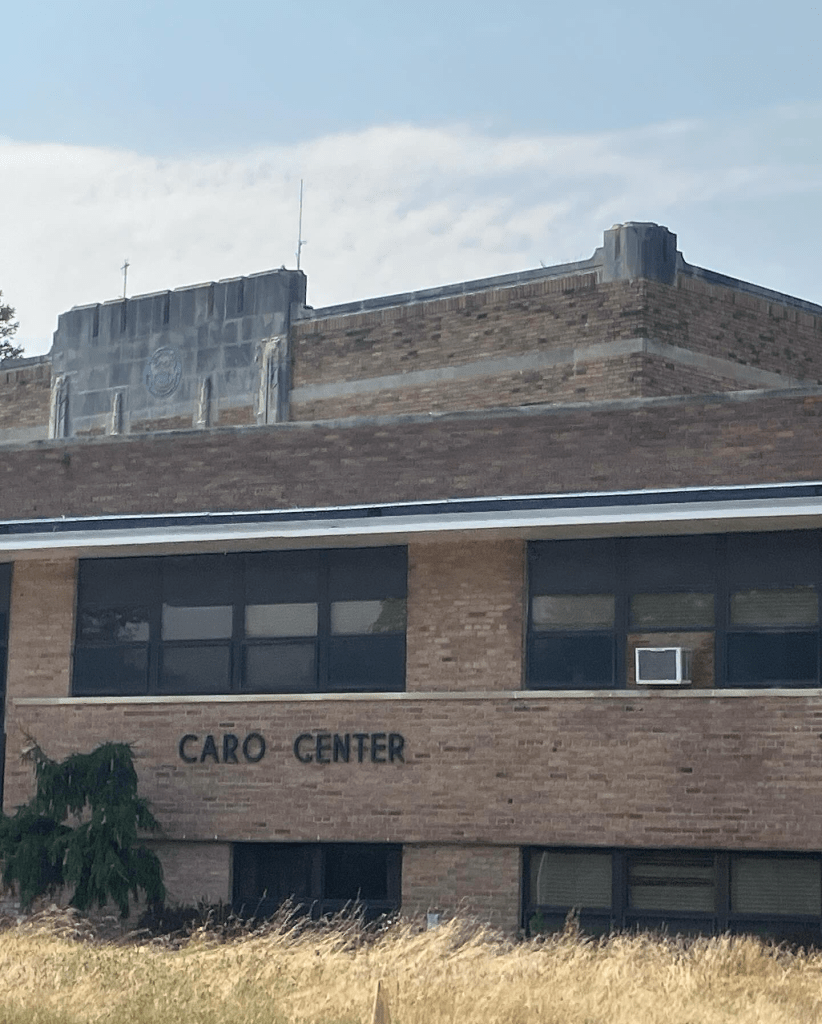
A colleague and I are currently driving around the “Thumb” region of Michigan, doing an outreach tour for the Epilepsy Foundation of Michigan. During our time, we stopped by the Caro Center in Caro, Michigan. Right now, this place isn’t being used at all, though most recently it was a psychiatric hospital. There are plans now to rebuild it for that type of care once more, but in a caring, up-to-date way.
But this is not how this place originated. In 1914, this location opened as the Farm Colony for Epileptics and later was renamed the Caro State Home for Epileptics. Here, people, including children, lived apart from their families, and in the early days, without any of the forms of treatment we now know. But much worse, in an era when the eugenics movement was underway in the United States, people with epilepsy were forcibly sterilized here under Michigan’s laws, and those laws existed from 1914 through the 1960s.
As we made our stop, we honored these members of our community, pondered their lives, and found ourselves grateful to live in a time when much as changed.
But with this history in our country, taking place not only in Michigan but many places, marginalization and isolation still remains for many people who are living with epilepsy. We work still to make those changes.
— Renee Roederer
Show Your Roots
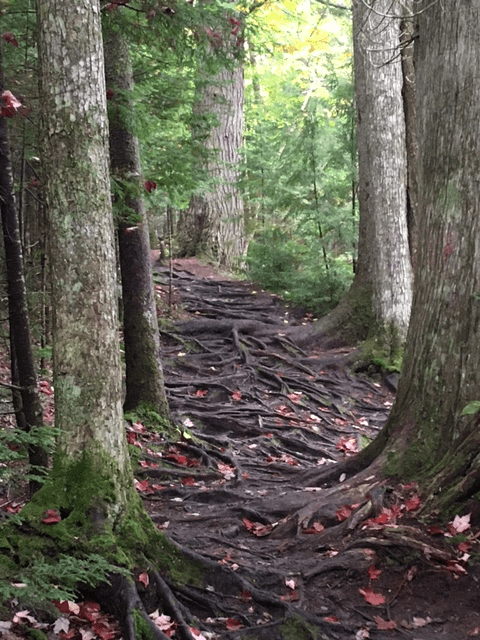
Show your roots —
Make known the ones who named you (the truest you)
Make known the ones who shaped you (the still becoming you)
Live roots made visible.
The love,
The care,
The nurture,
The belonging.
The wholeness,
of every community,
of every neighbor,
of every parent,
of every friend,
of every guide,
still shaping,
still claiming.
The One Who Makes Peace by Rabbi Ariel Tovlev
The One Who Makes Peace
Rabbi Ariel Tovlev
blessing bread bought
from the supermarket
our blessing says, thank you God
for bringing forth bread from the earth
but this bread didn’t come from the earth
it came from a store
from a factory
from flour ground
from wheat
from the earth
this bread did not sprout forth
it was created from human hands
we don’t thank God for the wheat
which actually came from the earth
God did not create bread
but God knew we could
my kids ask, why do we pray for God to make peace?
I tell them, God makes peace
like God makes bread
which is to say
we have all
the necessary ingredients
peace will not sprout forth
it will be created from human hands
thank you God, for giving us the wisdom
to turn wheat into bread
thank you God, for giving us the wisdom
to turn love into peace
 Smuggling Grace