For a number of years, I served as a Co-Director of an interfaith organization, and in that role, I joined a lot of email newsletters for local spiritual communities. I’m glad that I remain on these lists because I learn about lovely events and opportunities to connect with people.
I had this occasion over the weekend when the Zen Buddhist Temple held their annual Buddha’s Birthday Celebration. It was a joy to be present to this because the morning service contained deeply reflective moments in collective rituals and moments of great play, particularly with the children who were present.
As one example, we sang song that contained questions about animals:
Does a dog have Buddha nature? Buddha nature? Buddha nature? Does a dog have Buddha nature….? (Then the kids — and adults too, if they liked — would act like dogs)
Kids were polled about additional animals to insert into the song. We also asked if cats, herons, and lemurs have Buddha nature.
Then the song leader called on a particular child to go next. “How about you, the one wearing the Hot Wheels shirt. What would you choose?”
“Hot wheels.”
Everyone laughed and soon after, there we were, singing,
Do hot wheels have Buddha nature? Buddha nature? Buddha nature? Does hot wheels have Buddha nature….? (Vroom Vroom, Beep Beep)
The spiritual life can be filled with depth and play alongside moments that are quiet and reflective. It’s very clear that this community enjoys being together and making space for everyone. For all beings, as they say. Hot wheels and all.
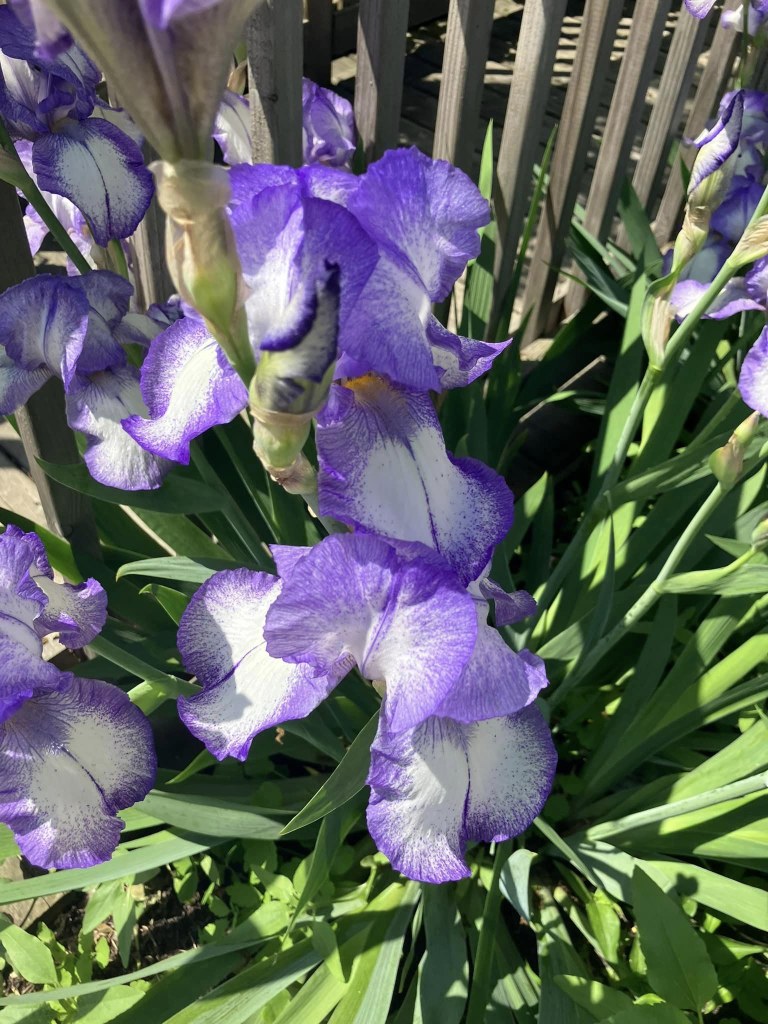
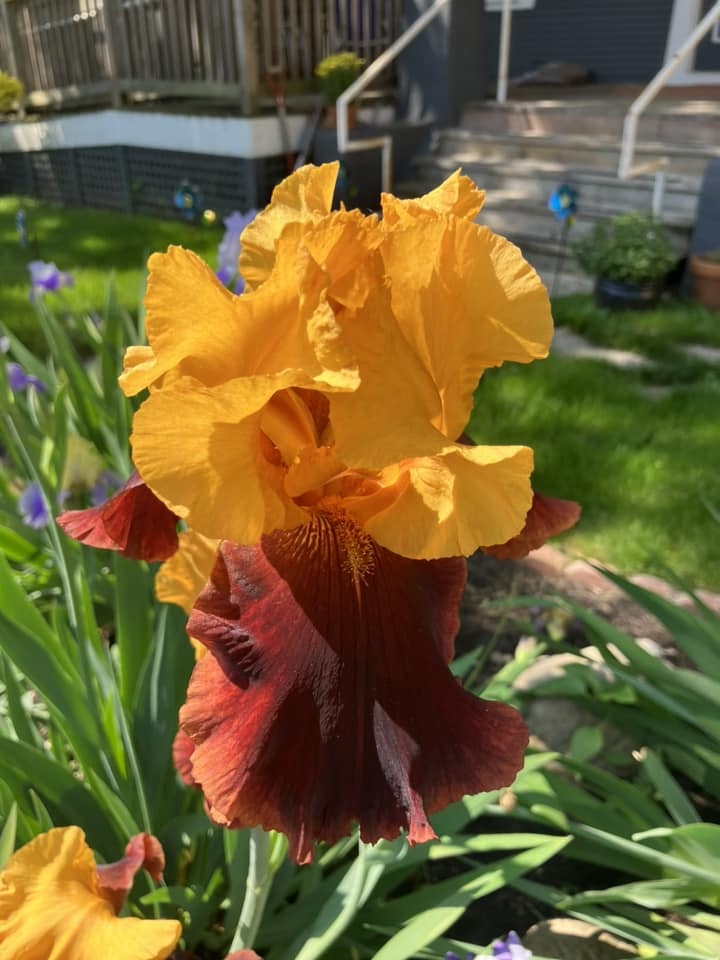
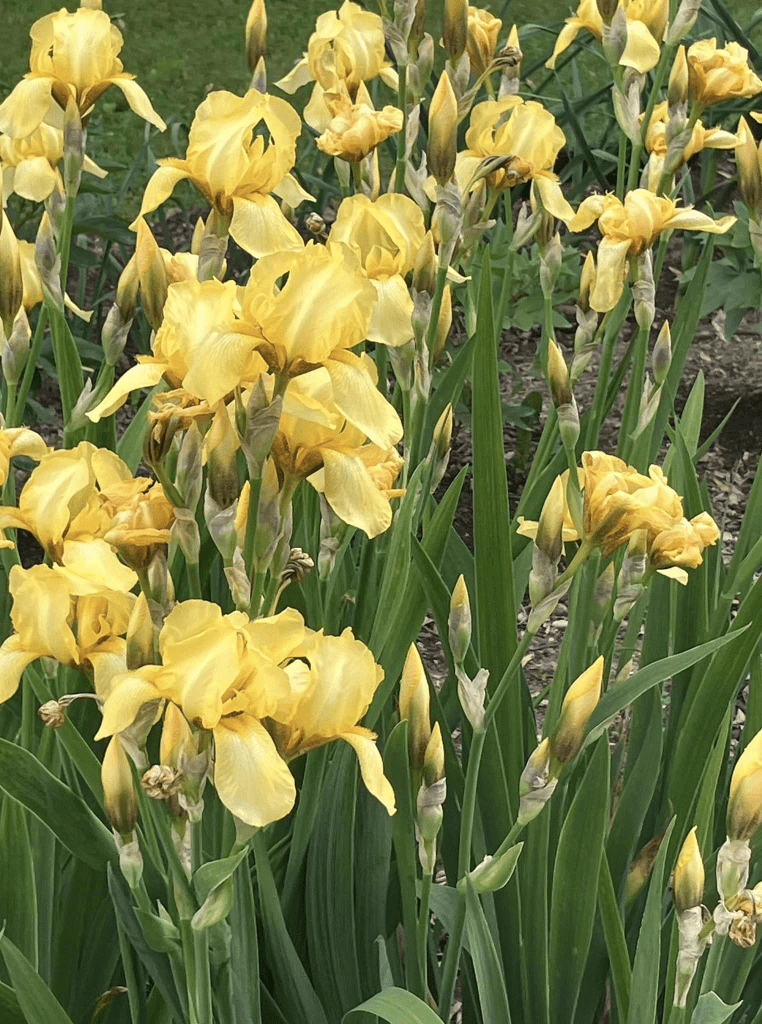
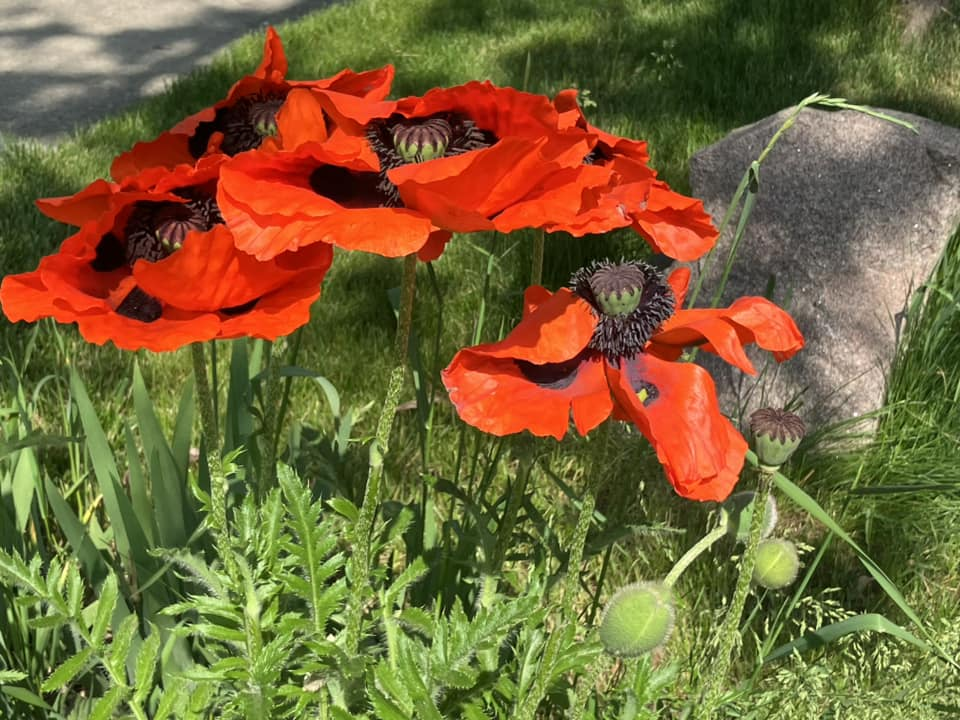
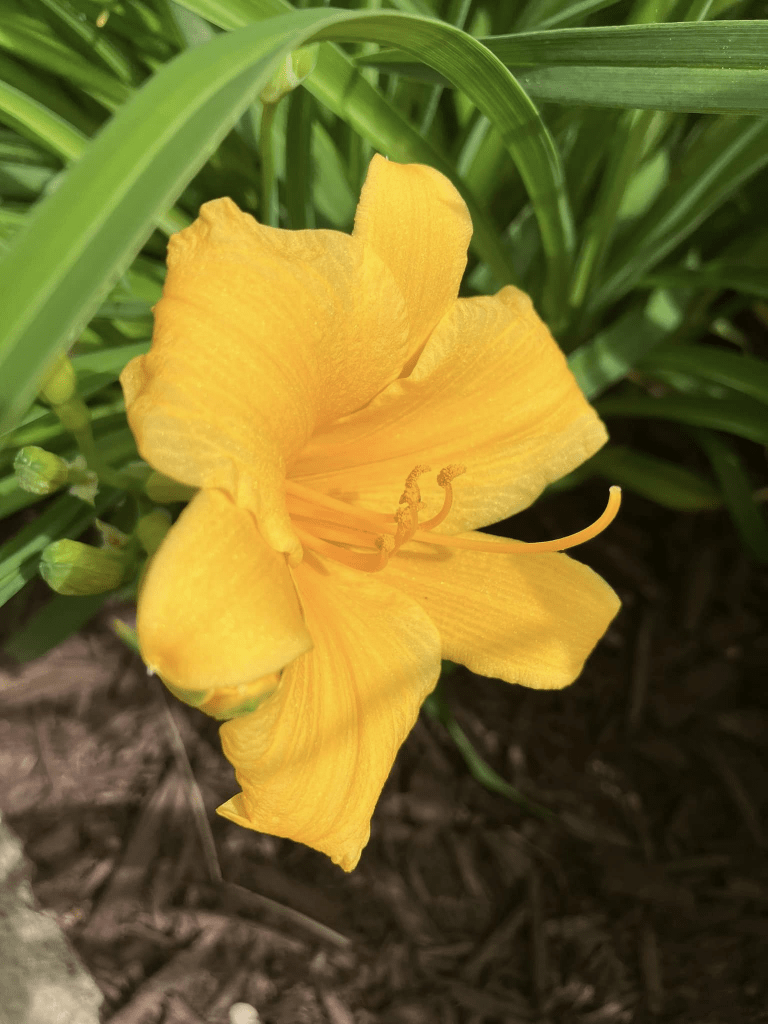
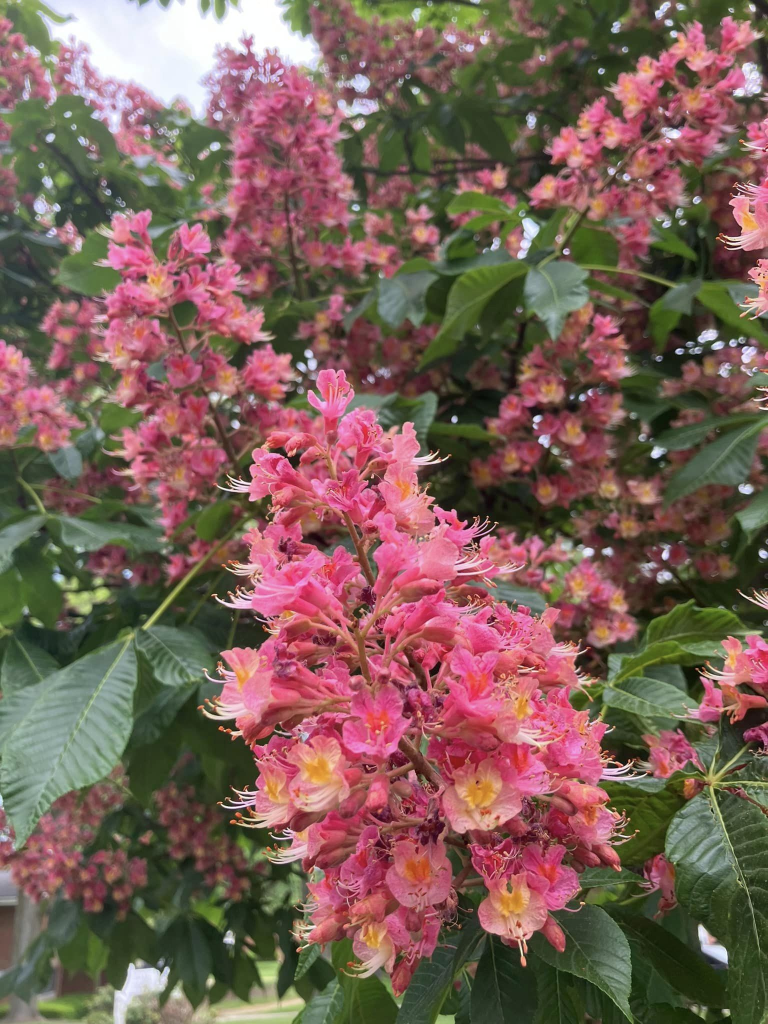
I’ve lived in a number of places, and each has had uniquely beautiful qualities. But nothing has been so ever-changing as Michigan. This is really on display in the Spring when various flowers emerge, only to be replaced a week or two later by additionally beautiful flowers.
As I’ve ridden my bike around town, I’ve thought, “This is the week of the Iris.” These flowers last longer than a week, of course, but they seem to be a major feature right now. I’ve seen so many, each with bright colors.
Living in this area, I’ve realized that when you spot beauty, you should take some time to notice it because the scenery will soon change. That’s a good rhythm for life as well.
“Zeigarnik found that our brains are wired to remember unfinished tasks better than completed ones. Like a to-do list, once we finish a task, our brain checks it off to free up mental bandwidth.
But this also means that, the more unfinished tasks we have running in the background, the more resources our brains dedicate to keeping track of them.”
I wrote this piece seven years ago, and I’d like to share it once more because tonight, I’m singing Beethoven’s 9th Symphony again, but this time, with the Ann Arbor Symphony Orchestra. And a quarter century (wow) after running through Vienna, I’ll be returning there in August. Looking forward to it.
My dirty shoes, after running through Vienna.
For the last couple of weeks, I’ve found myself listening to the 4th Movement of Beethoven’s 9th Symphony almost every day. I had the wonderful occasion to sing it recently with the UMS Choral Union and the Budapest Festival Orchestra, and I reflected upon that incredible experience on this blog. But I’m nowhere near tired of this work. Musically and emotionally, it’s a masterpiece.
And I realize that it draws me back almost daily because of its obvious subject matter: JOY.
Each day, I seem to get some new joy from it — a hope, a feeling, a dream, a memory. A few days ago, a vivid memory popped in my mind while listening. I had not thought of it for many years, but there it was, so clear and wonderful. It was an embodiment of joy. All these years later, it reminds me of something important.
When I was 17 years old, I traveled to Austria with my high school choir. That summer, we toured in several major cities. It was the first time I had ever traveled outside of the United States, and from beginning to end, the trip felt like an absolute adventure.
My vivid memory takes place in Vienna. One afternoon, everyone in our choir had several hours to explore the city on foot. We were all given a map, and my adventuring took me pretty far away. My friends and I left enough time to turn around and get back to the tour bus, but it seems we “turned around” in the wrong direction. We thought we were tracing our steps, but we were actually moving even farther away. We consulted the map and found it confusing. Eventually, fear hit us. We realized odds were quite high we wouldn’t make it back for our agreed upon meeting time.
Horrified that an entire bus of students would be waiting for us, or worse, that we might miss a performance, I was flooded with stress. If you knew me in high school, you would know that I was fun, but a perfectionist, goody two shoes. I did not like to disappoint. I did not want to get in trouble.
So we did what we had to do: We ran. In fact, we sprinted.
I began that long run back with stress. Worried, we flew by old, colorful European architecture. Anxious, we zoomed past folks sitting in the squares of outdoor cafés. Yet at one point, in the midst of all that adrenaline, a realization dawned on me, and everything changed. I was running. . . in Vienna! Suddenly, that sense of adventure overtook me, and I felt utter joy. I felt completely alive, taking in all the details around me.
My seventeen year old self sprinted with joyful abandon. Such a vivid memory. . . I was wearing a blue dress with butterflies on it. The front was stained with chocolate ice cream I had dripped all over myself earlier in the day. And I ran in Mary Janes, those shoes popularized in the 90s. They were filthy with dust and gravel from adventures earlier in the day.
Joy found me unexpectedly, and I became unexpectedly alive.
A portion of Beethoven’s 9th reminds me of this moment musically. I think of it every time now.
And all of it reminds me of something I need to hear. Maybe you do too.
There are times these days when we’re working hard, alert to the stressors around us, deeply aware of changes we want to make in our neighborhoods and in our world. The work and the awareness are necessary and serious. No doubt.
But there are also times — thank goodness — when we’re reminded of the larger vision too, not only of what we’re working against, but what we’re working for. . .
Who and What we’re working for. . . We catch that vision, imagining that its fullness could become a reality, and suddenly, we feel the joy of it. And we begin to make it happen, even just a little bit, right now. Right this instant.
Joy finds us unexpectedly, and we become unexpectedly alive.
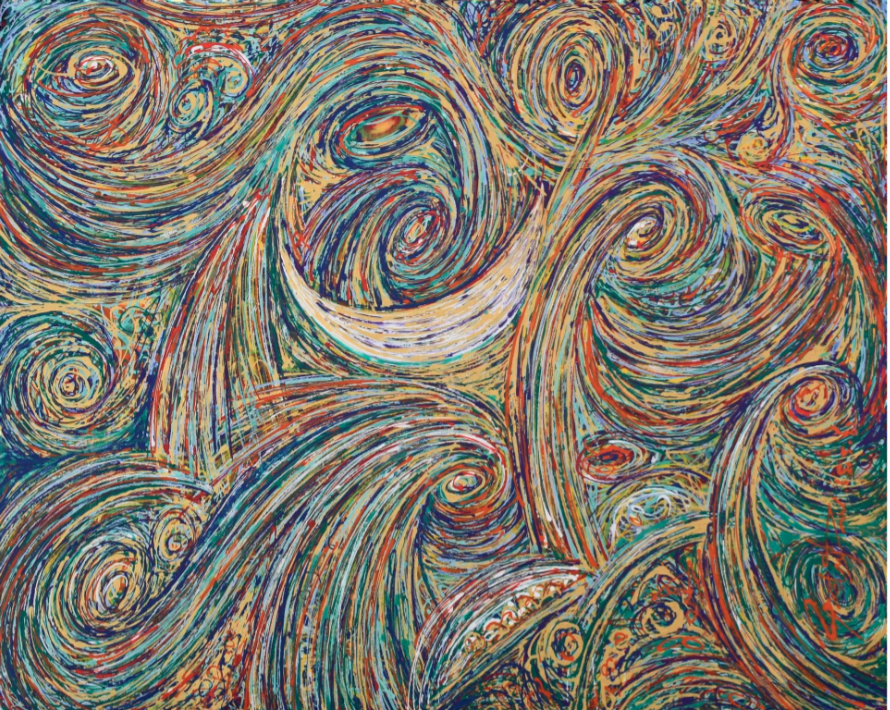
The Moon (The Wave of Life) | Guatam Paul | Acrylic on canvas | 2022
Remember by Joy Harjo
Remember the sky that you were born under, know each of the star’s stories. Remember the moon, know who she is. Remember the sun’s birth at dawn, that is the strongest point of time. Remember sundown and the giving away to night. Remember your birth, how your mother struggled to give you form and breath. You are evidence of her life, and her mother’s, and hers. Remember your father. He is your life, also. Remember the earth whose skin you are: red earth, black earth, yellow earth, white earth brown earth, we are earth. Remember the plants, trees, animal life who all have their tribes, their families, their histories, too. Talk to them, listen to them. They are alive poems. Remember the wind. Remember her voice. She knows the origin of this universe. Remember you are all people and all people are you. Remember you are this universe and this universe is you. Remember all is in motion, is growing, is you. Remember language comes from this. Remember the dance language is, that life is. Remember.
Is there a word, phrase, or image that speaks to you?
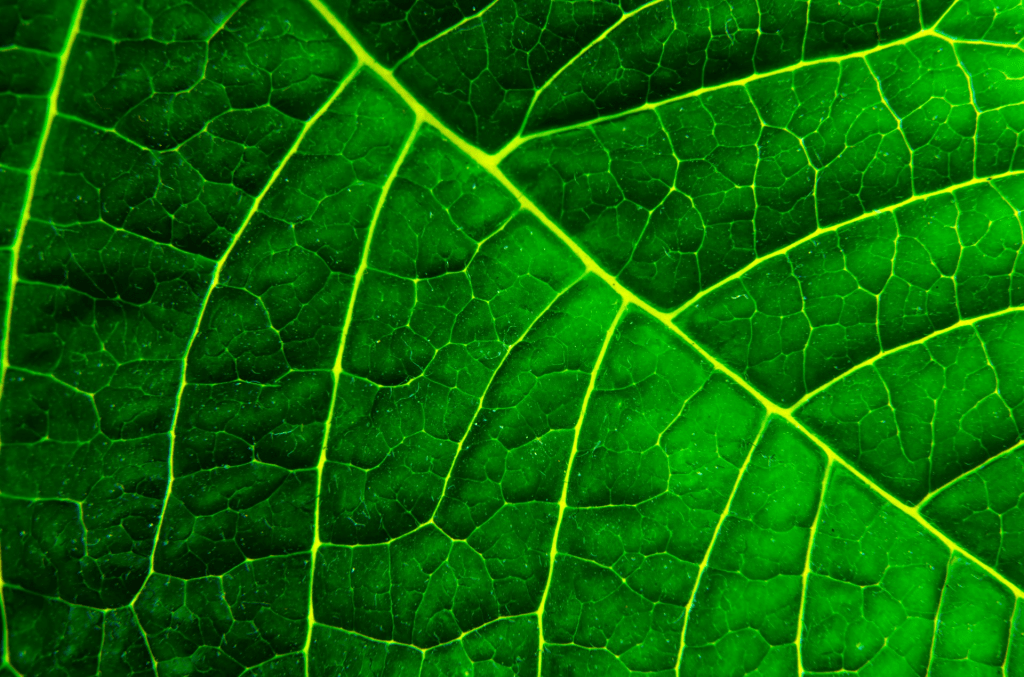
A close up of a bright, green leaf. Public domain.
I rolled back into town after being away for a few days, and as I crossed the state line, I was floored at how green my home has become. Specifically, I noticed how full the trees are with bright green leaves.
Of course, it shouldn’t seem shocking to notice that leaves are on trees, precisely right where they belong. But when you live a sizeable portion of the year with bare trees, you definitely notice when the leaves have arrived in their fullness.
And I suppose, that’s true about many things. We have capacity for additional gratitude and detailed noticing when we’ve lived without, and then see a change, fulfillment, or return. I hope to pay attention to these other examples too.