
Tippy Toes

Image Description: The musical notation and harmony for the first line of “Amazing Grace.” Public domain image.

During his time as a Presbyterian pastor, my chosen Dad, David, used to do this silly little thing unconsciously until we pointed it out to him. Every time the church sang the hymn “Amazing Grace,” and we hit the highest note —

“Amazing grace, how sweet the sound that saved a wretch like *meeeeeee*”

he would lift himself up high on his toes as he reached for the note. It was a very dear visual. He would do this on every single verse, mostly unaware that he was doing it.

Yesterday, I led a church service, and we sang this hymn. In a very subtle way (nowhere as obvious as he used to do) I flexed that part of my foot and lifted myself ever so slightly higher just to feel connected to him.

Renee Roederer

Narratives as Containers

Tupperware stacked. Public domain image.

Sometimes, we build narratives and rehearse those narratives as containers to hold our emotions. The emotions might truly be about the situation at hand. But at times, however, and in some cases, even more, those narratives might become containers to hold the anxiety, pain, denial, or grief about older events in our lives. We might be aware of this; we might not. We might become aware of this over time.

The emotions are valid. So valid. Sometimes, these built-narratives help us externalize emotions so we can deal with what our bodies have been carrying internally. Sometimes, we truly need these narratives in order to survive. But sometimes, these narratives become maladaptive and get in our way too. They might tell us untruths about ourselves. They might become self-sabotaging. Within this container, we need to remove those emotions and put them with the older situations where they really belong.

And when we become aware of this, we can realize that we are empowered to become the author of many narratives. We certainly can’t control everything — hardly — but we can write much of what we want and what we need. We can craft narratives of possibility that we fill in in ways we desire. We are no longer limited or controlled by difficult narratives, but we are freed for creating them intentionally.

Renee Roederer

Yes

A tweet from Rev. Benjamin Cremer (@Brcremer) reads, “Christianity should sound like, ‘my beliefs continue to deepen my love for others,’ not ‘the depth of my love for others is contingent on how deeply they conform to my beliefs.'”

Summon These Stories

Have you had a situation when it seemed like there were no possibilities, and then… it worked out?

There are times when we feel little to no ways forward — internally, interpersonally, communally, or politically. And then we’re surprised when an opening emerges.

If we’re in one of those kinds of situations now and we can’t think of even one way forward, maybe it would help to summon some of these stories and call them to mind and heart.

Renee Roederer

Peopling Situations

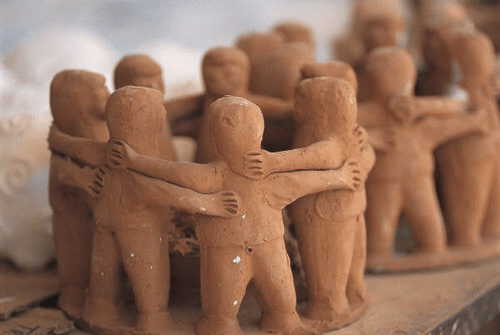
When a person, or a family, or a community is going through a crisis, one of the best things we can do is surround them with people. I have witnessed the power of this action many times. Simply, but powerfully, give them connections. And — use your own connections. Who is a person who might know about this type of resource? Give them a call. Who is a person who has been in this type of situation before, and what would they recommend? Reach out to them.

And when we do this, care and support emerges, even beyond what we anticipated. Not only do people point in certain helpful directions. They often offer their expertise directly. They ask if they can provide funding for the person/people in crisis. They research options. They say, “Please tell them they’ve been in my thoughts.” They offer to listen.

And the emerging support becomes larger than you even expected. Just by peopling situations. It’s transformative.

Renee Roederer