Spaghetti Wall
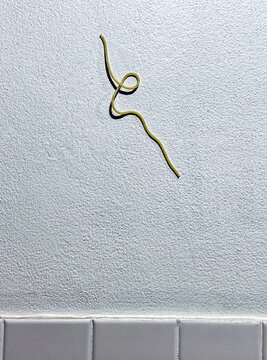
When brainstorming or trying things out, we often talk about “throwing spaghetti at the wall” to see which ideas will stick.But I bet there are plenty of noodles that were actually pretty great, even if they didn’t quite make it.
Do you have one that comes to mind? A good idea that didn’t materialize, at least at the time?
Could it be time to bring it back?
—Renee Roederer
Walk Out Songs
What is your walk out song?
I remember someone asking this question to a group. If you were a baseball player today, and you were coming up to bat, what song would play as you walked out to home plate? What peps you up or sums up something about you? What mood do you want to be in?
To mix sports for a moment, I was blown away by Alysa Liu’s gold medal performance on the ice during her free skate. Ever since then, nearly daily, I’ve been listening to the song that accompanied her. It’s Donna Summer’s MacArthur Park Suite. I had never heard it until Alysa Liu’s free skate.
But I think I’d like that to be my walk out song as of late, especially the jamming disco sections in the middle.
What about you?
Goodbye

I talked with one of my loved ones last night, and I was telling her stories about David, one of the people who formed me most deeply.
I shared, “When we used to end our phone conversations, he would say, ‘Now remember, you’re loved as strange as you are.’ And then I would add, ‘And you’re loved as strange as you are.’”
Then not long after, she and I were ending our own conversation, and we gave each other this benediction, too.
“Now remember, you’re loved as strange as you are.”
“And you’re loved as strange as you are.”
The people we love — even those who have died — can show up in a variety of ways. Even a familiar rhythm of goodbye can return nearly twenty years later.
The Love of Thousands

At one point in time, a part of ourselves was carried inside our maternal grandmother.
When a female baby is forming inside her mother, she is already carrying all of the eggs she will have in her lifetime. One of those eggs contained genetic material that eventually became a part of us. Our grandmother carried a part of us, too.
Many parts of our lives begin long before we do. And this is true beyond eggs and DNA. Our great-grandparents, grandparents, or parents settled somewhere, and that place shaped our lives, allowing us to become who we are in a particular way that would not have been the case otherwise. Someone’s family moved next door, and that child became our best friend. We started that job. We picked up the phone. We boarded that plane. We met people we loved, and we formed families, creating more particular forces that will shape other people, too — those born into our lives and those we encounter.
Our lives have gifts attached to them that were decades in the making, long before we knew them or could share them.
I also love what author Linda Hogan writes:
Suddenly, all my ancestors are behind me.
“Be still,” they say.
“Watch and listen.
You are the result of the love of thousands.”
That’s true.
We are also born of the struggles of thousands. The visioning of thousands. The hopes of thousands. The failures of thousands. The desires of thousands.
We are who we are in and through one another.
—Renee Roederer
Enjoy Being Imperfect
I hate to break it to you, but you’re imperfect. And you’re going to be imperfect today. Me too. We might as well enjoy it.
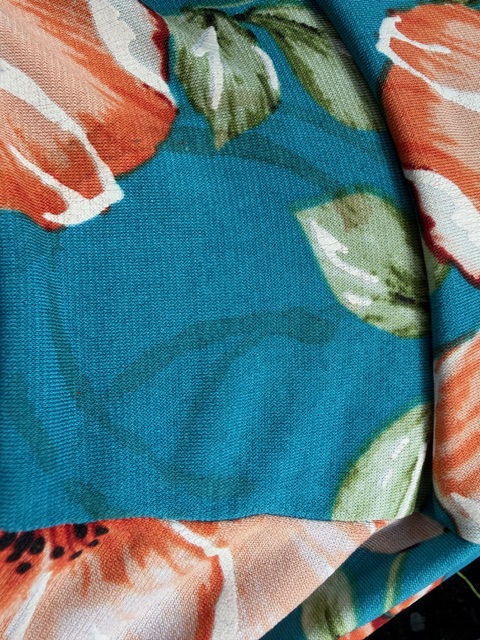
I was driving to lead a service for Parables when I glanced down and noticed a coffee stain at the top of my dress. And not from that day, I have to admit. Oops. I had also worn this dress the day before when I attended a Celebration of Life in memory of my friend’s Mom. I had not seen this stain before leaving the house.
Then a few minutes later, I glanced down again and saw another coffee stain. This one had actual coffee rings. What am I, a coaster? I had not noticed this either.
But this was all fitting. At the Celebration of Life service, it became clear that my friend’s Mom had a hallmark laugh. She laughed hard and often. And many people shared that she enjoyed laughing at herself — especially if she made a mistake, was clumsy, or had misunderstood something. She also loved to dance, and her family had created a dancing playlist in her honor.
Here I was, listening to these songs, noticing my coffee markings, and laughing at myself, too. I hope she would have approved.
We are going to be imperfect — today and every day. Rather than chiding ourselves, can we laugh? Or at least give ourselves a little grace?
—Renee Roederer
This Week in Nature
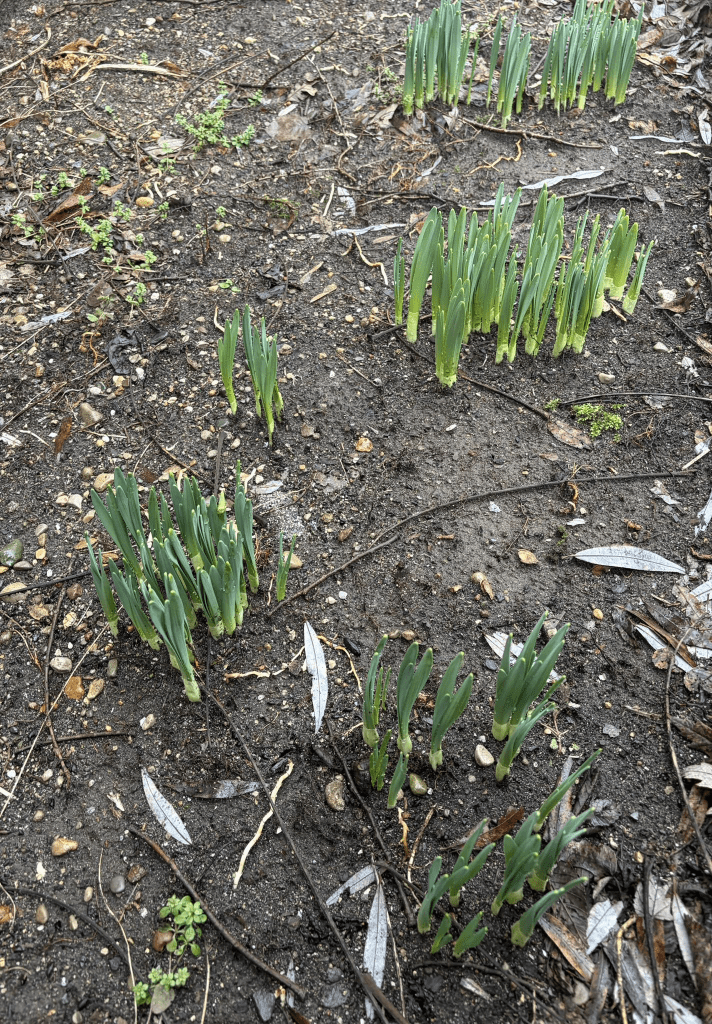

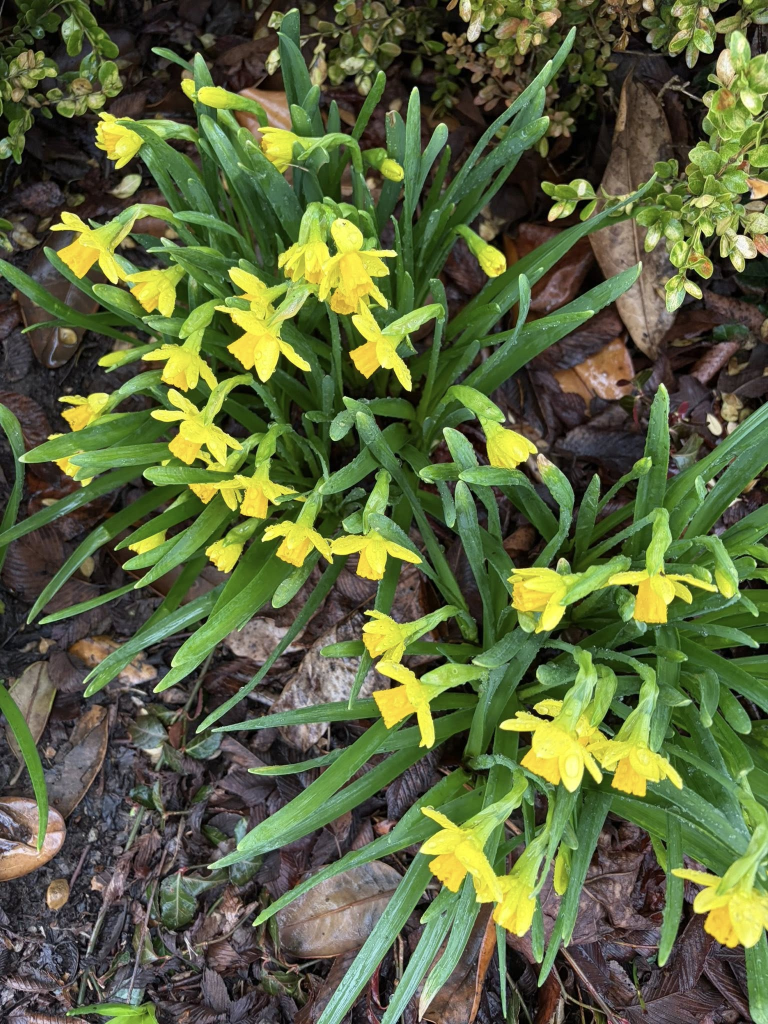
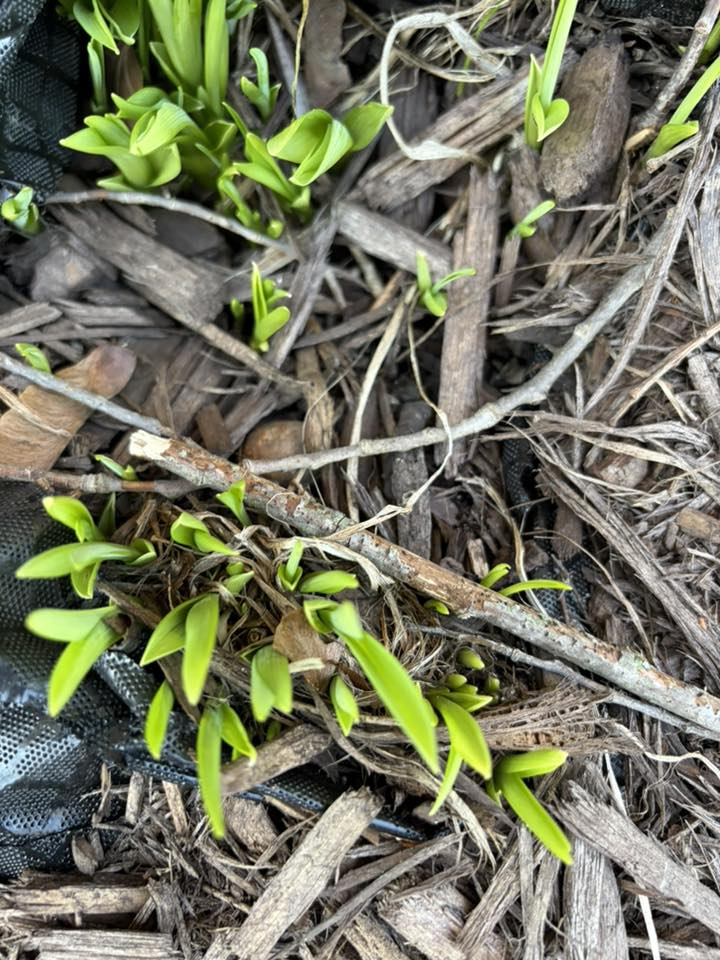
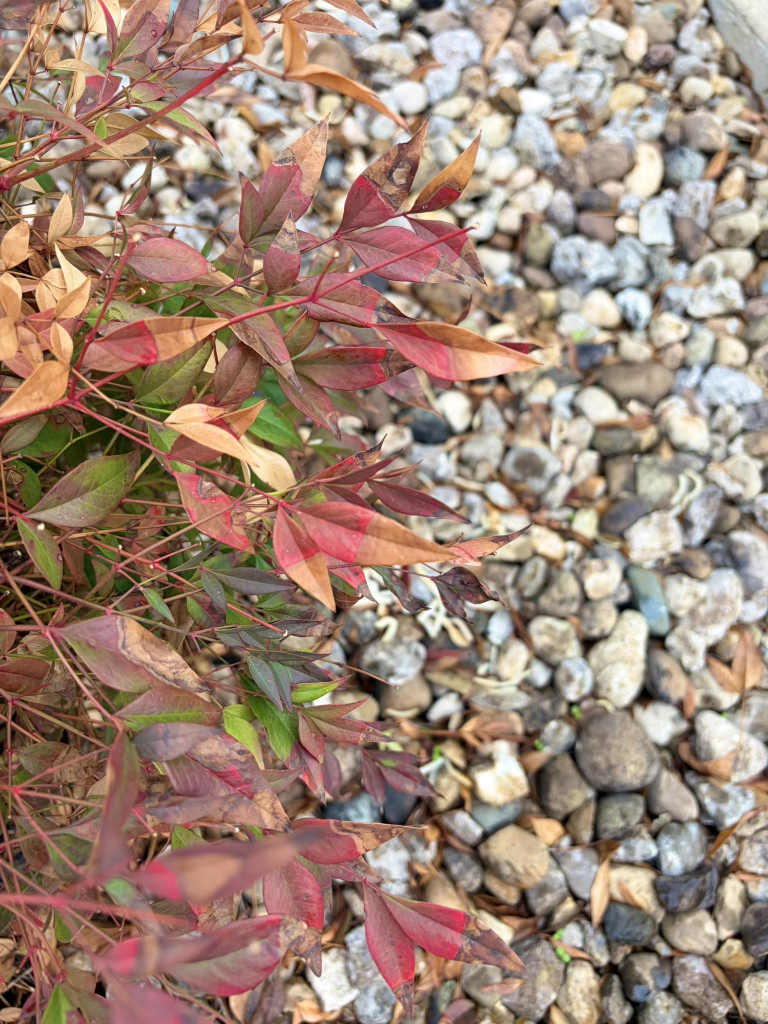
Did You Know It Once Rained for 2 Million Years?
I didn’t. What a bummer. But it did give us the era of the dinosaurs.
The Smell of Spring
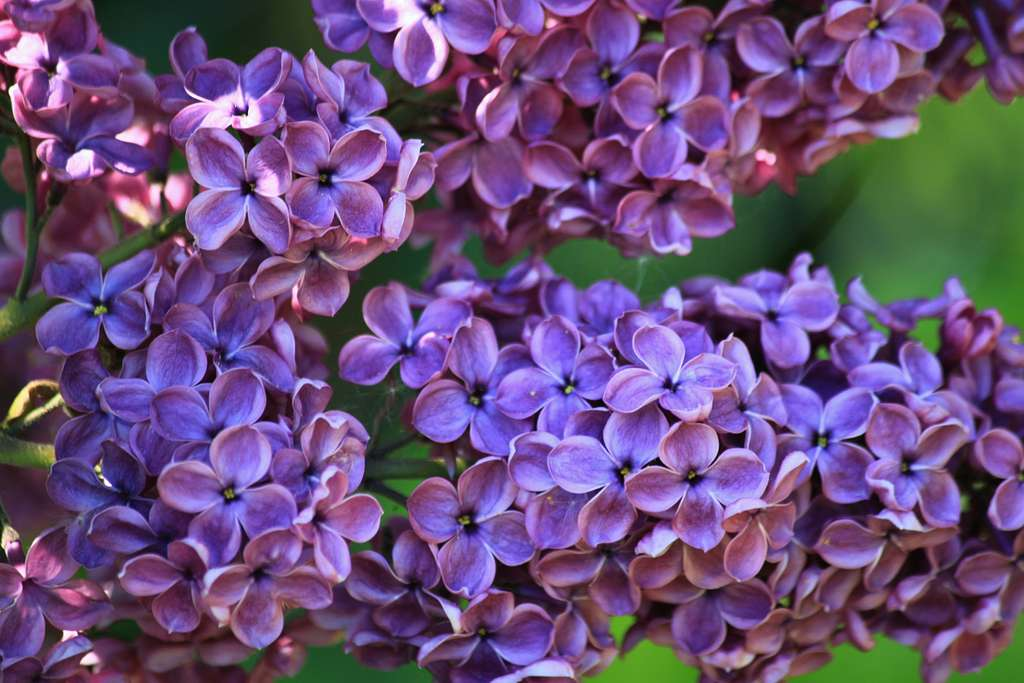
Do you know the smell of spring?
What comes to mind when I ask that question?
Maybe it’s the smell of dirt after it has rained. Maybe it’s the scent of lilacs in bloom. Maybe it’s the smell of freshly laundered clothing that we’re about to wear outside on a warmer day.
What is it for you?
We’re able to anticipate those things because we’ve experienced them before. And I think there’s a certain wisdom in that. I sometimes try to imagine what it would be like to live through winter if we had no idea that spring would return.
Even when we grow tired of winter (I am, aren’t you?) we still carry the memory that change is coming. I’m glad we can anticipate that.
And in the midst of so much chaos and pain in our world, I’m glad that we can still anticipate some goodness, even if much is unpredictable. It’s interesting that we can sort of remember the future. We can easily imagine aspects of the future because of what we have known in the past.
Maybe that memory can help guide us.
—Renee Roederer
Small Moments
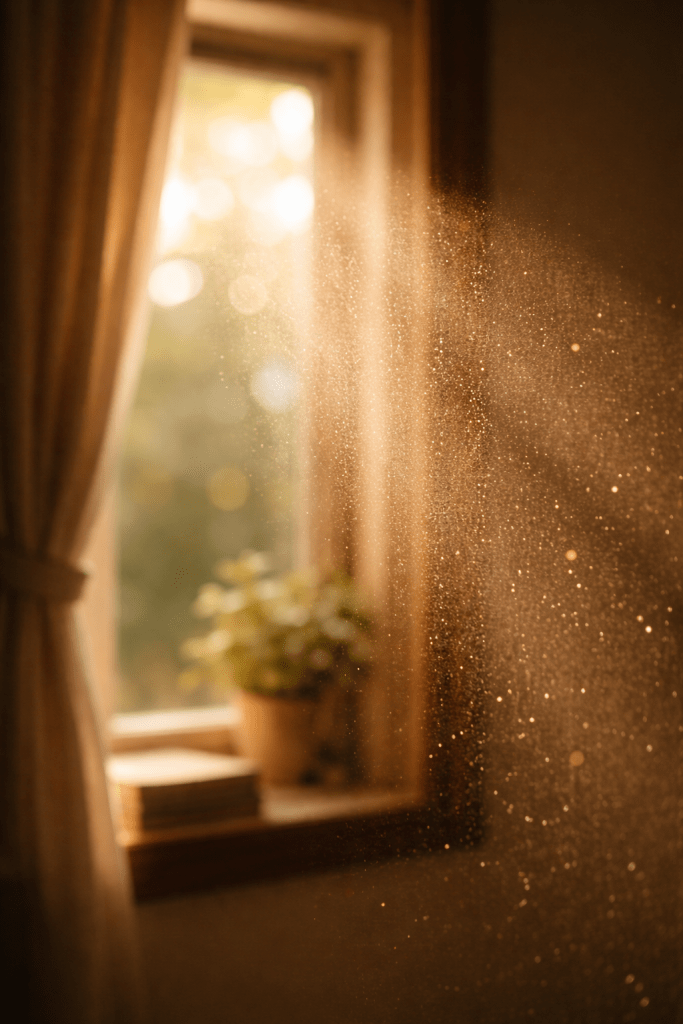
When we think about significant memories, we often think about people and milestone events. We remember how we felt in the presence of someone we love. We remember what it was like to try something new, build something together, complete a goal, or watch a new possibility unfold. All of these moments matter.
But can you also think of times when you were simply present and noticed something relatively ordinary?
I remember being five years old and lying with my head in my Mom’s lap during a church meeting. Sunlight was streaming through a window, and I could see dust specks drifting and swirling in the beam of light. That memory is still vivid.
I also remember traveling on a bus through Germany during my college years. At one point we stopped because someone had noticed cherries for sale along the side of the road. They were dark, almost black cherries, perfectly in season. I remember how alive I felt in that moment. Time seemed to slow down as I took a bite and savored the taste.
I remember looking out the window of my current home and watching a baby bunny grow up in my yard over the course of several weeks.
None of these moments were milestones. They were small, quiet experiences. But sometimes those moments stay with us too. Sometimes they remind us what it feels like to be attentive, to slow down, to be fully present.
Maybe we need more moments like that. Or maybe we simply need to notice them when they happen.
—Renee Roederer

