
Very sweet video.
Mirroring

After pausing the music and offering some direction to the sopranos, our choir director smiled and said, “I know you can do it.”
That’s when I saw something really beautiful:
I watched the body language of the sopranos as they immediately smiled back, clearly internalizing his words. Just one comment, but it came from someone they trust—someone who is funny, caring, genuine, and inviting them to create.
That moment sparked a larger thought for me about encouragement, connection, and mirroring.
No one can define us—not any person or any group—and it should never be that way. No one should have the power to reduce us or tell us who we are.
— And yet —
I don’t believe any of us can truly know ourselves on the deeper levels without the encouragement, connection, and mirroring of others.
We need to see ourselves seen. That is how we know we are loved. That is how we come to recognize and trust our best attributes, gifts, and particularities. That is how we learn that we belong, even in moments of failure or mistake.
We need to give this gift to each other.
And I wonder, on a larger scale, is it possible to do this for whole groups of people? To offer encouragement, connection, and mirroring in ways that convey,
Hope is not a pipe dream…?
Change is possible…?
We have the attributes, gifts, and particularities to build a better, safer, more loving world…?
Saying Yes When You Can

Many years ago, a friend of mine was having a challenging time with her toddler. It was just one of those very normal developmental eras when defiance was growing, and “No,” was a very common word, both from that toddler and to that toddler.
One day, right when the family was about to leave the house, this toddler was insistent upon wearing her rain boots, even though it wasn’t raining.
“Yes,” my friend said. Then she looked at me and added, “I’m trying to say yes to her when I can.”
A few days ago, I found myself thinking about this again. Maybe we need to say yes to ourselves more often. How many times do we put off the things we desire, the things that bring us joy? What if we said yes to more connection in ways we can? Maybe we can’t talk to a friend for an hour, but we could make a quick call on the way home from work. Perhaps we can say yes to ourselves when it comes to a growing sense of calling — a calling to do something life-giving that others might think is foolish. Or we could allow ourselves to believe in something better, even when other (or perhaps ourselves) lean toward the cynical.
Oh, an by the way, the toddler was right. There was no rain in the forecast, but on the way home, a downpour happened. She was the only one who was ready.
— Renee Roederer
Overheard

I was at a coffee shop writing when I overheard a group of adolescent boys talking about how voraciously hungry they always are. “Bruh, I just cannot control my appetite!” one of them exclaimed, and they talked about this for like 10 minutes in a pure, wholesome conversation of chumminess and self-awareness.
You’re right, teenage bruhs. You’re hungry and growing.
— Renee Roederer
“I’m going to get well”

CW: Addiction
Years ago, when it was still on Netflix, I would occasionally watch the show Intervention. Do any of you remember that show? It was originally on A&E.
On the show, families worked with interventionists to implement an intervention to address and confront the addiction of a particular family member. Family members and close friends would gather together, express love for their family member, name the ways that the addiction had harmed them personally, and share what they were going to change in relationship to the addiction. Then, ultimately, they tried to convince their family member to go to treatment. That very day, in fact.
The interventionists often helped the larger family choose wellness for themselves. Too often, they had let their health go by the wayside. They needed to get well for themselves. Their wellness might also create conditions for their family member to choose the same. I remember Jeff VanVonderen, one of the interventionists, encouraging the families to take a particular posture toward their member with an addiction. He modeled this statement for them, saying,
“I want you to get well, but I’m going to get well whether you do or not.”
This is a helpful decision — in cases of addiction, yes — but also in regard to many kinds of challenges or conflicts.
“I want you to get well, but I’m going to get well whether you do or not.”
Years ago, I did a lot of studying of Family Systems Theory. This area of study explores the ways that communities function — families, workplaces, religious communities, schools — and considers how self-differentiated members can impact the larger health of these communities. This doesn’t involve staying unwell, holding the stress of the organization, or continuously trying to convince the community that it needs help. It often involves prioritizing one’s own health.
“I want you to get well, but I’m going to get well whether you do or not.”
When we do this, we definitely move toward health. Sometimes, others will never choose it, and we need to choose it for ourselves. But sometimes, a surprising thing happens too. That choice adds additional health to the family, community, or organization (not saving it, or taking it on, but a healthy side effect) and sometimes, others begin to choose it too.
So I wonder, what ongoing stories in our lives need this posture from us?
“I want you to get well, but I’m going to get well whether you do or not.”
— Renee Roederer
Delight
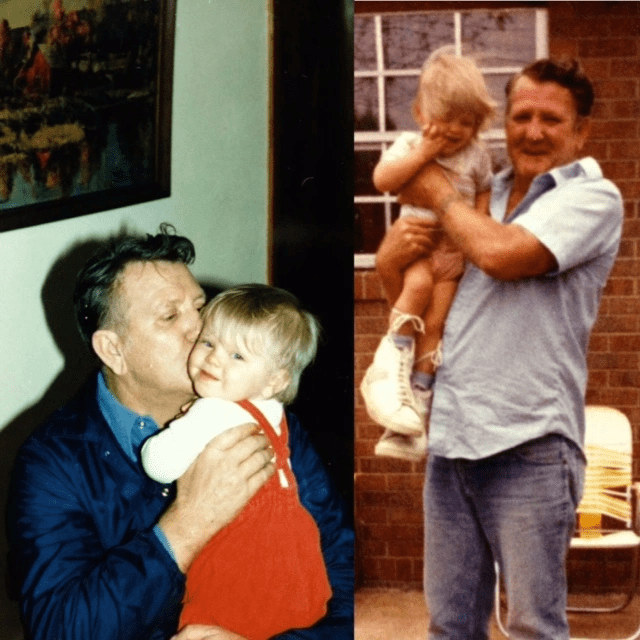
My grandfather was an orphan. At least functionally, for a while.
That’s a stark sentence, I realize, yet a true one. My Grandpa Jim’s early life was very rough. He was the youngest of five children. When his Mom was pregnant with him, or shortly after he was born — I’m not sure — his Dad died. This part I do know: My Grandpa Jim was born on the very day of the 1929 Stock Market Crash. That plunged the United States into the Great Depression.
His mother could not afford to raise her children so she placed them all in a Catholic orphanage. Then she set a plan in motion; she started selling moonshine! When she made enough money to bring her eldest home from the orphanage, that child helped her with the business. And when they had enough money to bring the second eldest home from the orphanage, that child helped her with the business. This pattern continued until they were all home. My Grandpa Jim lived in the orphanage the longest. He spent his first seven years of life there.
It was a challenging place. They had so little. He once found a chocolate bar wrapper and kept it for a good while just so he could smell it. This was a very vivid memory to him. It was rare that the children had big joys or delights.
But as an older adult, my Grandpa Jim loved to delight in small things.
Here’s a very vivid memory that I have: When my Great Uncle and his Brother-in-law died, most people were out in the hallway after the visitation was over, but he and I sat in the room together for a bit, and he started telling me ghost stories. They felt especially playful and spooky in a funeral home. All these years later, I don’t remember any of the details of those stories, but what I remember very clearly is that he had a red lollipop in the breast pocket of his dress shirt. Maybe that was an odd context to have a sucker sticking out of your pocket and visibly (I mean, there were pants pockets too). But I imagine he found it lying around somewhere in the funeral home — maybe they were there for guests or for children — and he snagged one for himself so he could enjoy it later.
There were other silly, simple delights too. He used to sing these really goofy songs. All these years later, his grandchildren remember all the words. He loved to whistle and shuffle his feet in a little dance. And I honestly believe he was just as excited as the children, if not more excited, to open presents for Christmas.
Earlier this week, when I was leaving my workplace, I saw some Hersey Kisses in a bowl, and I put about five of them in the pocket of my jacket. All week long, every time I’ve put on my jacket and grabbed my keys in my pocket, I’ve also been surprised that I have these there! I just keep forgetting they’re there. And each time, I have this huge spike in delight. People who know me well also know how excited I get for little treats, and how much I enjoy the surprise of them, whether they’re displayed for a group or whether people give them to me personally. It’s a big swell of delight for something small yet unexpected.
And I didn’t make this connection for a long time, but now I ask, “Do I get this from Grandpa Jim?”
—Renee Roederer
Jim was a Navy Veteran, and I’m remembering him today on this Memorial Day. He fought in the Korean War, and like many Veterans, that experience gave him both camaraderie in relationships and pains of war that he carried with him.
He died on this very date 26 years ago. Remembering him is a blessing.
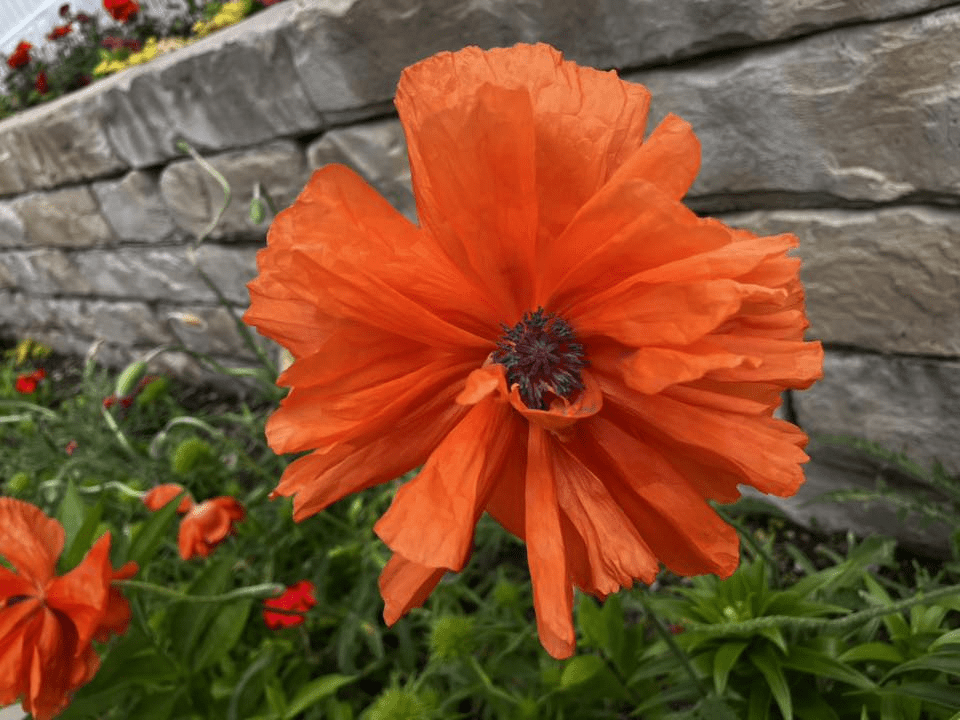
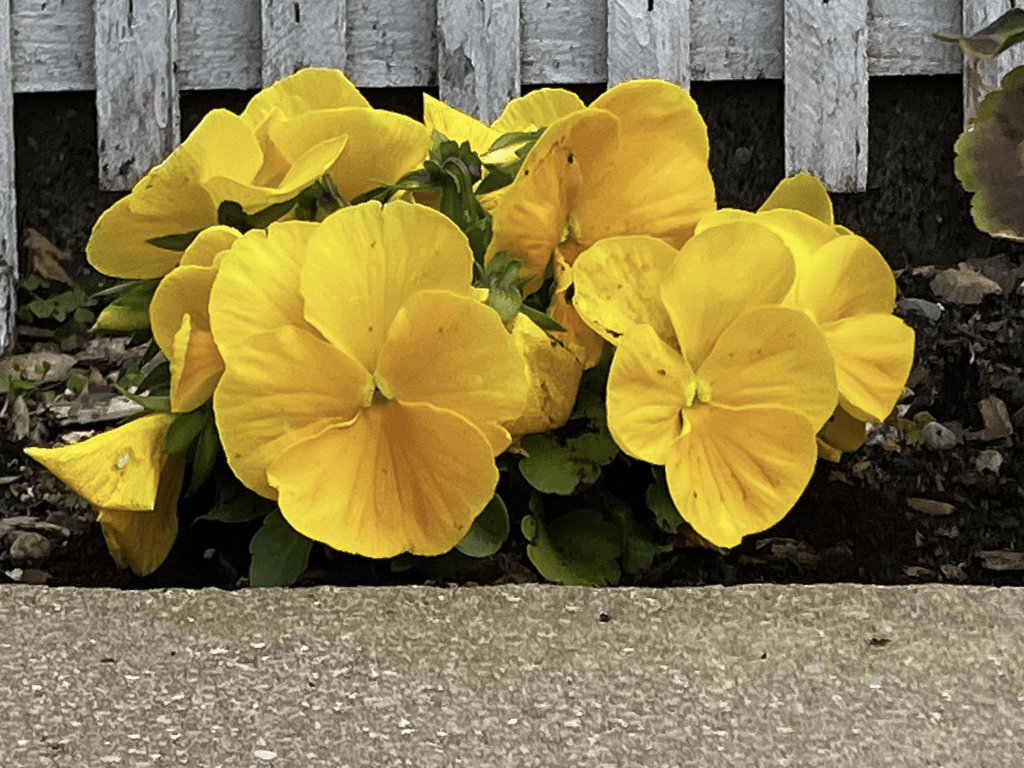
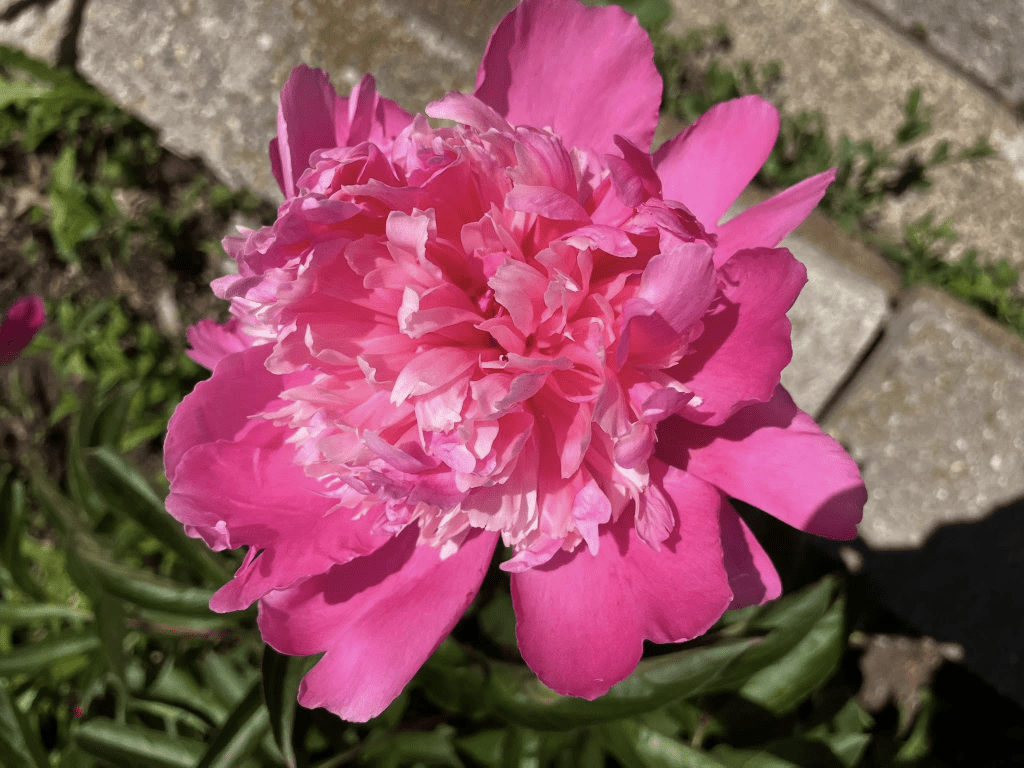
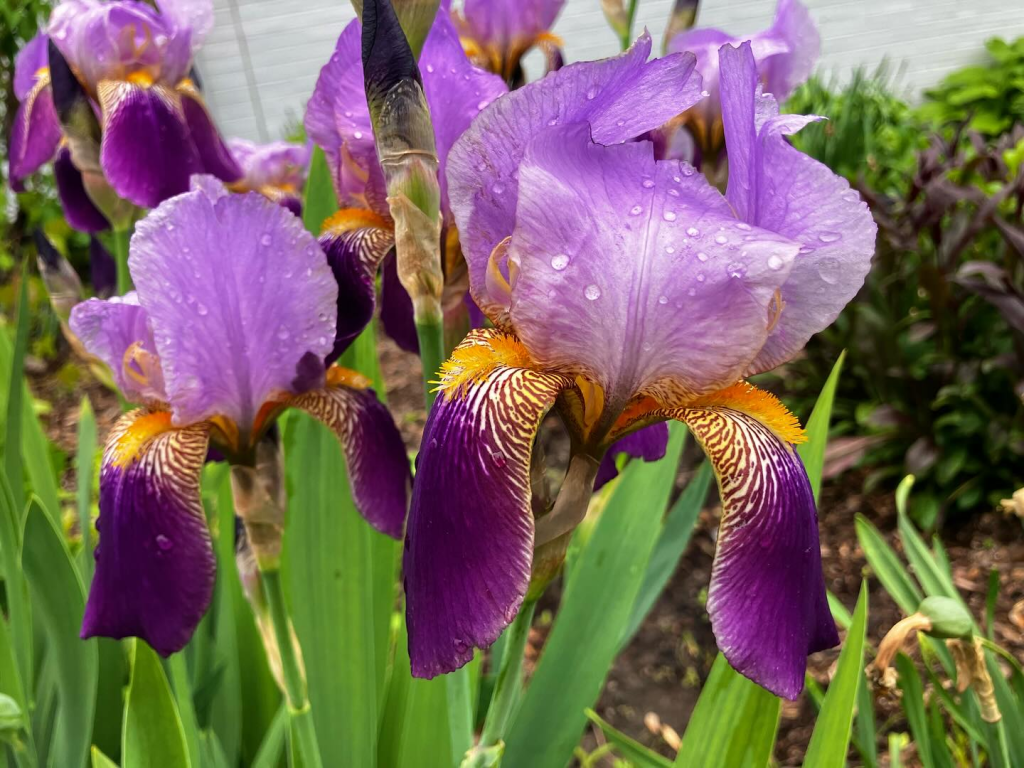
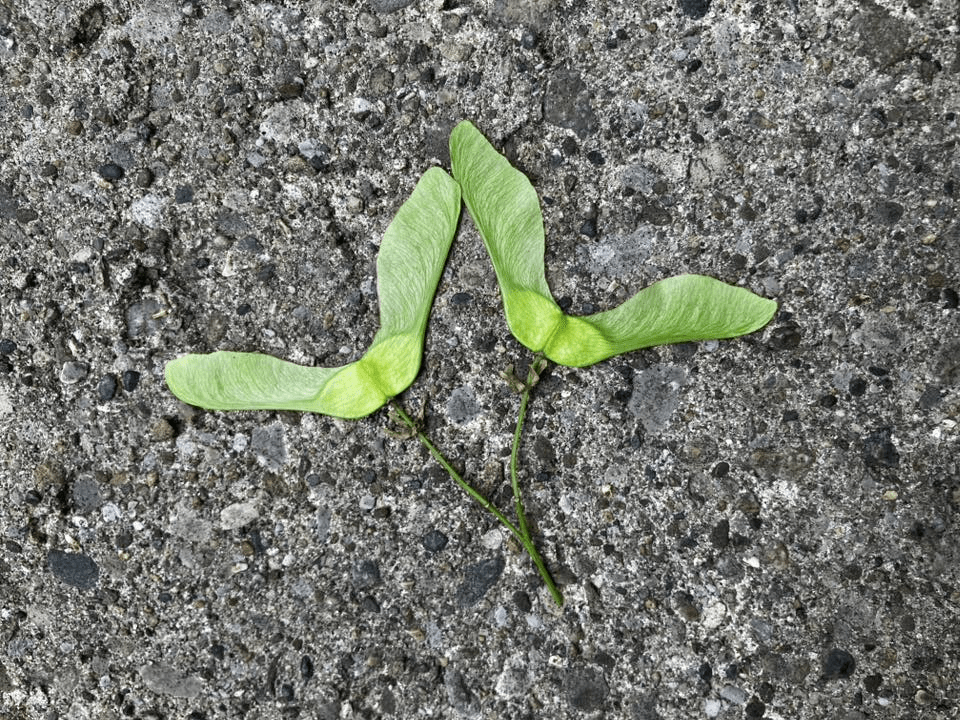
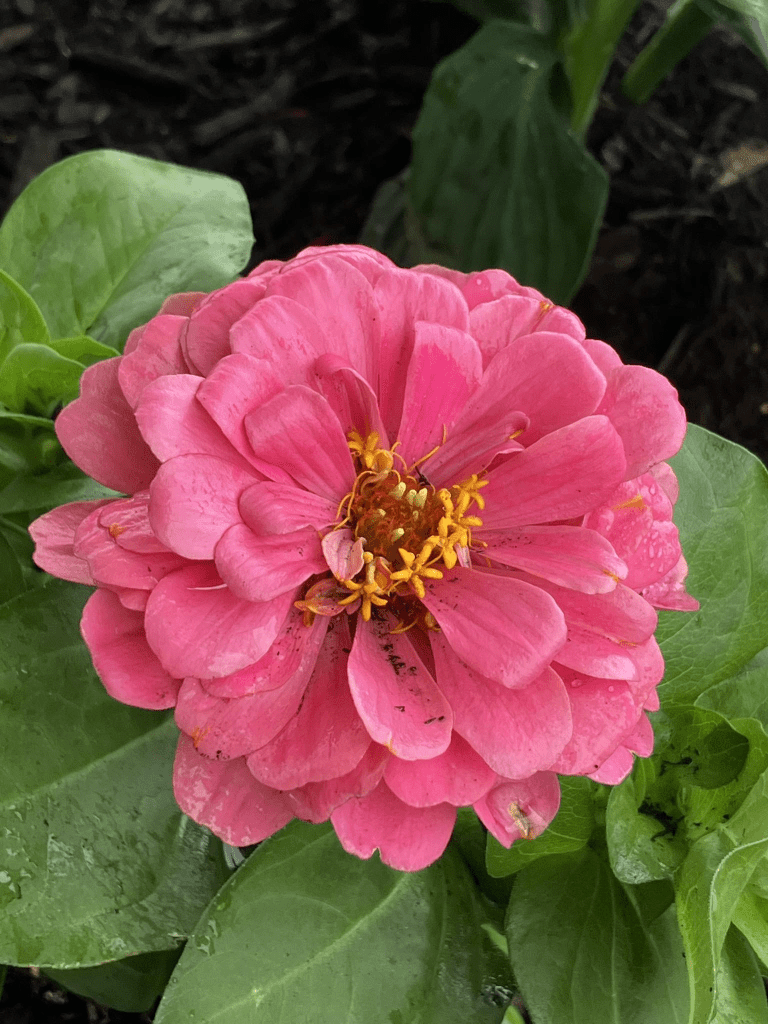
This Week in Nature

Supportoise
Presence is Enough

Sometimes, people name difficulties that you desperately wish you could take away, but you don’t know how. You listen, and then they say how much that means. Presence is enough.
Sometimes, people are grieving, and they are exhausted by all the cliches they’ve needed to dodge. You take a walk together or just sit in silence. Presence is enough.
Sometimes, a young person is lonely and feeling overwhelmed. You watch a tv show together or text back and forth. Presence is enough.
Sometimes, people bring a difficult, personal challenge to a Zoom screen among others who care. They discover they’re not alone — in that problem, and in being loved as they are. Presence is enough.
Sometimes, people are feeling isolated and disconnected. Their friends give them an old fashioned phone call. Presence is enough.
Sometimes, you’re feeling sad, anxious, or weighed down, and you tell trusted people what you need. Presence is enough.
Mutual Affirmation Multiplies

I put two sacks of food—one not even full—into the trunk of my car and drove them to Food Gatherers, our local food bank. “These seem so meager,” I thought. The CEO of Food Gatherers had recently addressed our City Council, sharing that the organization would soon face a $2.5 million gap due to federal cuts. Underwhelming, indeed.
Then I remembered a powerful story about a tiny offering of five loaves and two fish. Sometimes, our small offerings do add up and multiply.
When I arrived, a worker was just exiting a semi-truck. He was a driver for the organization. “Would you like me to take those for you?” he asked.
I told him I appreciated that, and then I added, “Thanks for everything you do. It’s really important.”
“You’re just as important,” he replied.
“Mutual affirmation is important!” I said, and we both smiled.
But also, isn’t it? Maybe that’s a meager offering that multiplies too.
— Renee Roederer
 Smuggling Grace