In 2022, I had a chance to perform in a choir alongside the National Arab Orchestra and the renowned Abeer Nehme, whose vocals are absolutely stunning. I highly recommend having a listen to this performance with her.
Sometimes, Humans are Cute

I know there is so much difficulty unfolding in the world right now. So much that weighs heavy, so much that rightly deserves our attention and care.
But today, I want to share something that’s a little lighter. Something silly. Something that made me smile, and maybe will make you smile too.
Recently, I saw a meme that pointed out how endearingly human it is that when people pass one another on ships or trains, they almost always wave. Big waves. Enthusiastic waves. As if we’ve been waiting our whole lives for this exact moment of mutual acknowledgment.
And honestly, it is pretty cute.
Not long ago, a friend and I were riding e-bikes in a warm climate, enjoying one of those days where your body feels grateful just to be outside. As we cruised along a path, we noticed a small, miniature train coming toward us. It belonged to the city zoo, full of families and kids and people clearly having a day.
So of course, we waved.
And of course, they waved back. Joyfully. Unselfconsciously. The kind of wave that says, Yes, hello fellow humans! Here we all are!
We laughed and kept going, already delighted.
But then, after the train passed, we realized something. The path curved. And the train curved. And unless the laws of physics had suddenly changed, we were going to cross paths again.
When it happened the second time, we just about lost it. There we were again, waving with the same enthusiasm. There were smiles that said, Wait… weren’t they just here?
We kept riding, now with a new thought forming between us.
What if we did this again?
So we sped up a bit. Took a different loop. Timed it just right. And yes, we found them a third time. On purpose.
The looks on people’s faces were priceless. Delight. A collective, unspoken: How are these people here again?
We waved, they waved, and it felt absurd and perfect.
Later, we laughed about it and said, “I guarantee at least five people are going to tell this story when they get home.”
And now, I’m telling you.
Sometimes, humans are cute.
—Renee Roederer
A Simple Gesture Can Shape a Lot
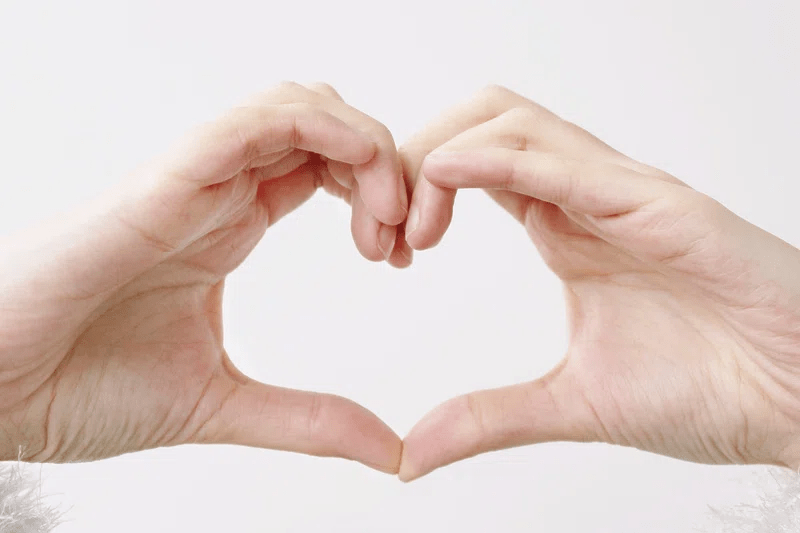
At the end of one of the support groups I lead, we have a small tradition. Everyone brings their hands together and makes the shape of a heart. We do it on Zoom every week, right before we sign off. I don’t even remember how it started, but over time, it’s become part of the rhythm of the group.
Yesterday, we had a new person join us. Toward the end, someone explained it to her gently: “We want this to be a welcoming space, and we hope you’ll come back. We always close like this.” And then I watched seven women, each in her own little Zoom square, lift her hands and cup them together, offering this shared, visual expression of care to one another.
It touched me. Nothing about it is complicated. It’s not scripted or dramatic. It takes just a few seconds. And yet, it communicates so much—you matter, you belong, we’re glad you’re here.
These small, repeated rhythms shape the spaces we’re in. They quietly set a tone. They teach us how to show up for one another. And over time, they change what a group feels like, what it becomes.
A simple gesture can shape a lot.
—Renee Roederer
This Should Be Obvious, but Collective Punishment is Wrong
Last week, a YouTube influencer went viral after visiting daycares run by Somali immigrant communities in Minnesota and claiming that they were committing fraud. In response, the current administration canceled all childcare payments, not only to the facilities under scrutiny (where fraud has not been legally established), but to childcare programs across five states governed by Democrats.
Many people in this country are one missed paycheck away from serious financial hardship, even homelessness. How do you go to work when your children need care and suddenly have nowhere to go?
And how many times in the past year have entire communities lost resources or been subjected to suspicion and blame because of the alleged actions of one individual, one organization, or one system?
This should be obvious, but it also must be said: Collective punishment is wrong.
—Renee Roederer
Prioritizing Community Connections
We are living in unpredictable times. I know that’s an understatement.
I’m writing this on a day that feels relatively routine. In fact, after some time away, today is my first day back in my usual rhythm. But on Saturday morning, I woke to the news of the bombings in Caracas and the capture of Nicolás Maduro, and I’ll admit that I was shocked. That was certainly unpredictable.
And alongside that, every day we see immigrants torn from their families; farmers struggling under tariffs; small businesses wondering whether they can keep their doors open; trans youth fearing the loss of medical care; and people experiencing sticker shock from a simple grocery receipt. Even if we feel comfortable right now, we know these conditions are unstable. That doesn’t mean everything is doomed, or that we can’t continue to add our own advocacy to these very real needs. We can. But we are living with a deep sense of uncertainty, especially in our collective life.
In unpredictable times, perhaps one of the things we need most is predictable care.
That means leaning into community relationships wherever we can. It means reaching out and staying connected with people we love. It involves introducing people to one another and helping networks of care take root.
Years ago, I remember reading a reflection by Hugh Hallowell, the founder of Love Wins Ministries in North Carolina. He shared that the opposite of homelessness isn’t simply being housed. The real opposite of homelessness, he said, is community, because when people are surrounded by vital, sustaining relationships, the chances are much higher that they won’t end up without a place to go.
In this era of unpredictability, it may be time to invest especially in our relationships and to expand them, for ourselves and for others. We need support, care, shared resources, and collective advocacy.
—Renee Roederer
This Week in Nature
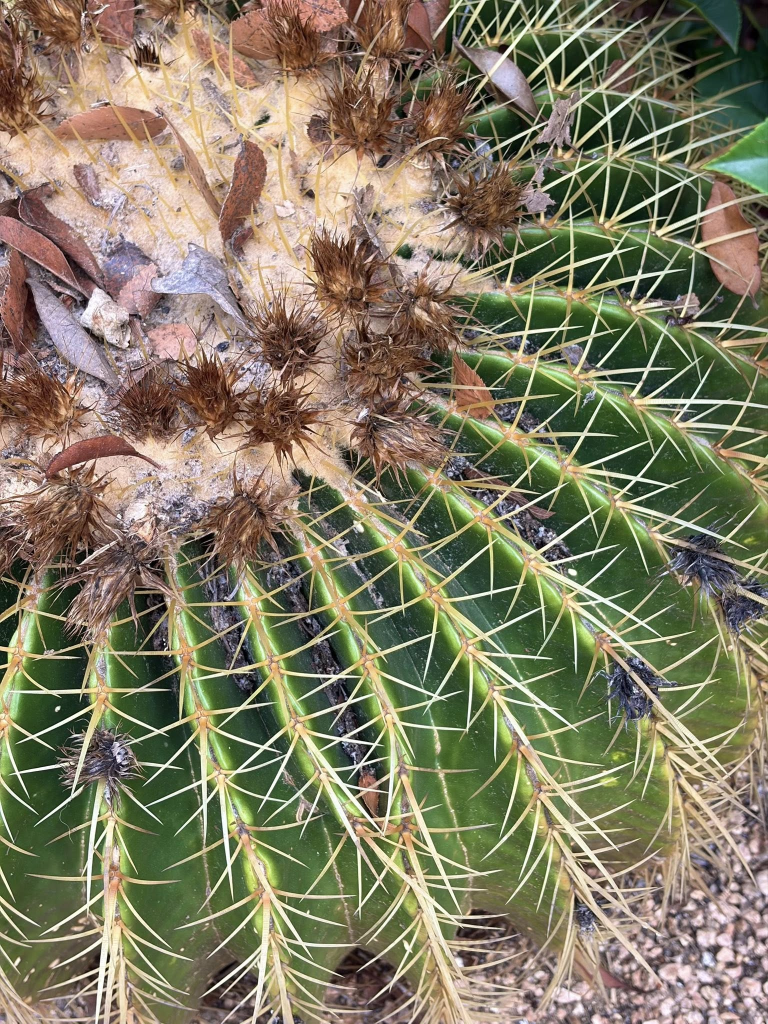
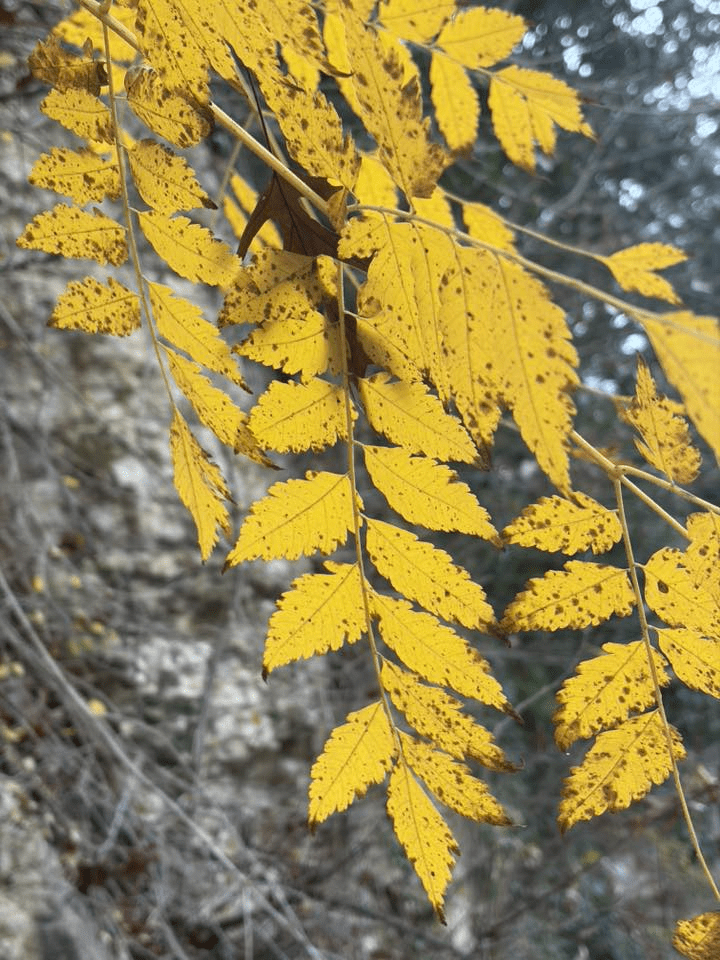
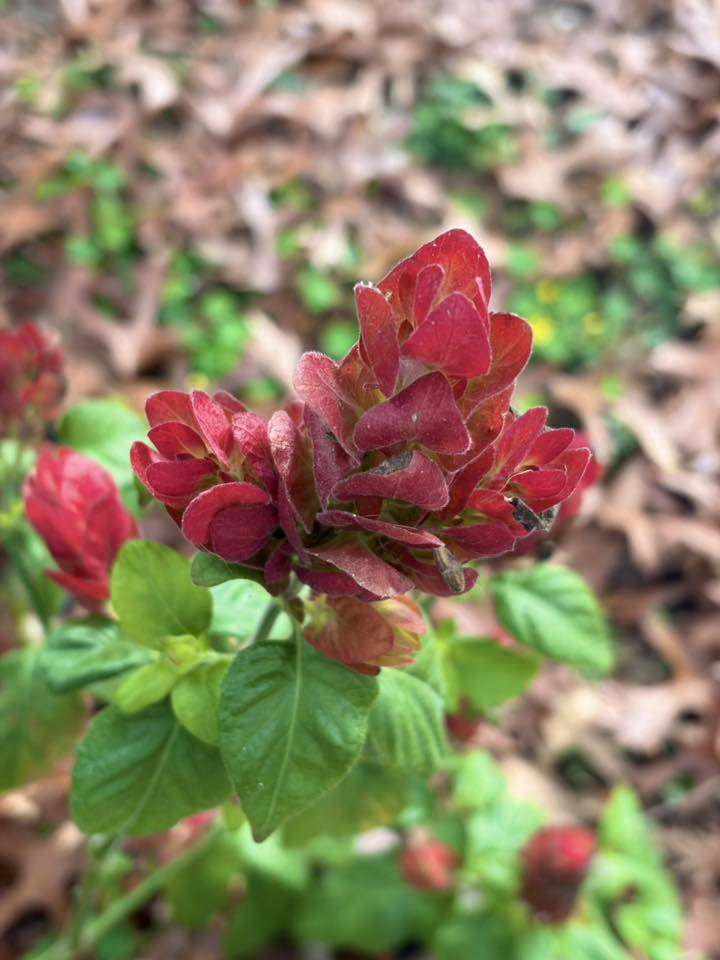

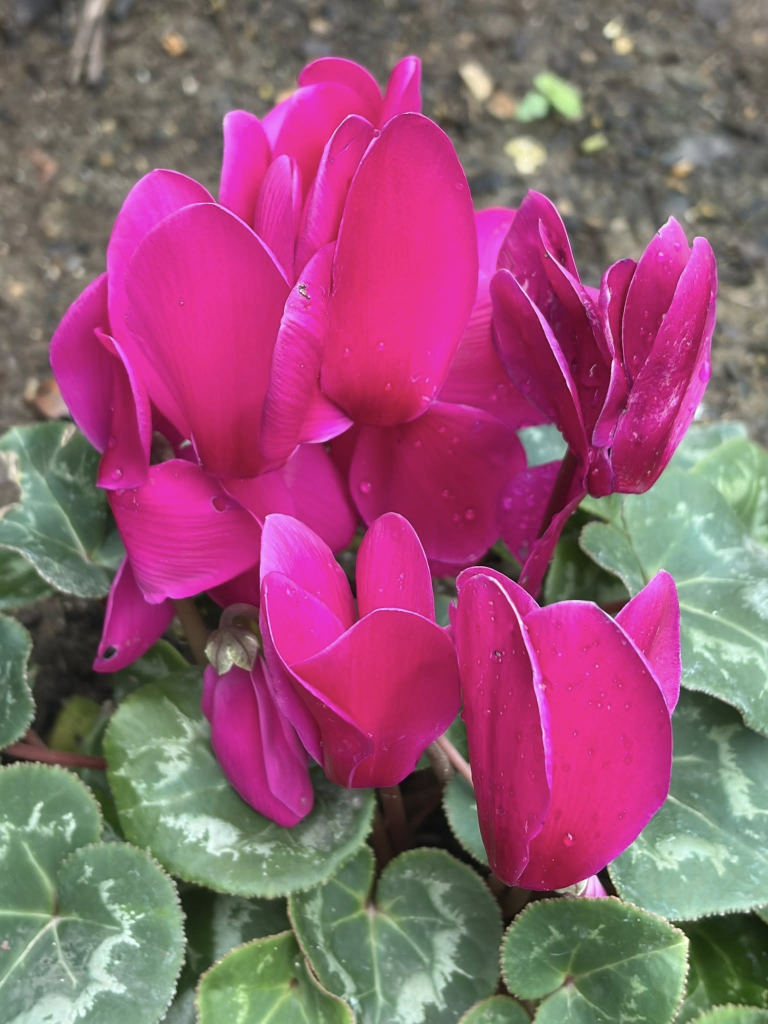
Venezuela
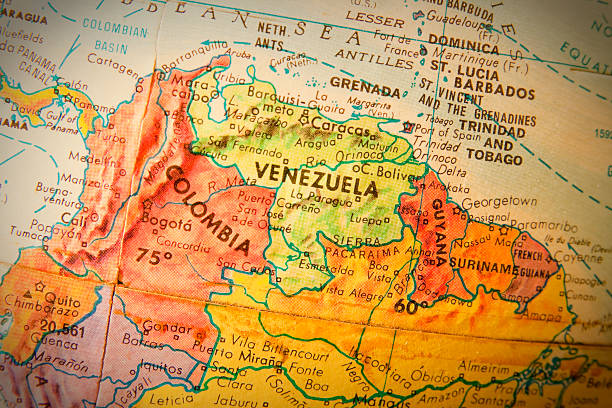
I have very dear friends in Caracas. In the early morning hours on Saturday, people had to hide with their children as U.S. bombs fell on their city, and of course, all of Venezuela woke up to the knowledge that their President had been captured and removed by the United States. Whatever anyone may think of Nicolas Maduro as a leader, bombings, a naval blockade, and political upheaval are sure to further destabilize a country with a fragile economy — all while people desire peace.
Even though much has been building to this moment — U.S. bombings of boats in the Caribbean; inconsistent and sometimes nonexistent briefings to Congress; and certainly, dehumanizing rhetoric about the Venezuelan people both within our country and theirs — I was shocked that this happened. Perhaps I shouldn’t have been.
Most of all, I’m concerned for my friends and all the people in Caracas. I hope they can remain steady and be supported in efforts for peace.
—Renee Roederer
On Dailyness and Celebration
In the summer of 2024, I took a Danube River Cruise. It was a tremendous experience, and I was able to see parts of Hungary, Slovakia, Austria, and Germany. Each day held a new adventure. In the evenings, I loved returning to my cabin and receiving the next day’s itinerary. It usually included walking tours in different cities, the quiet beauty of drifting down the river, decadent meals, and a variety of evening activities.
When I came home from that trip, my days were far more mundane. I re-entered a rhythm of housecleaning, trips to the grocery store, and full workweeks. No longer did most dinners include wine and dessert.
And yet, I do think I kept something from that experience — a sense of dailyness, that is, an internal orientation that each day could still hold something unique. I stayed open to discovery.
Birthdays can be like that, too.
Yesterday, I had one of the best birthdays of my life. Over the last ten days, I’ve been visiting loved ones in San Antonio, and my birthday itself included a pedicure, lunch at a French restaurant, a river barge cruise along the San Antonio Riverwalk, and an unhinged e-bike ride (which is what we call our especially long rides). And throughout the day, I heard from people I love in phone calls, texts, and social media messages.
Like the Danube Cruise, not every day can be a birthday. But days like this remind me of the kinds of days I want to cultivate more often —
days when people are centered and cherished more than tasks,
days when life feels purposeful simply because we feel connected, and
days when we sense love and know we can share it beyond ourselves.
So here’s to 44.
And here’s to a whole lot of un-birthdays that keep prioritizing these things, too.
— Renee Roederer
The Underdogs

I’m a Hoosier. Typically, I don’t even watch football, but I was raised on Indiana University sports. It was a big family pastime — something I still feel in my bones even if a lot of time has passed between viewing games.
This Indiana football team has been exceptional all season, so the win itself wasn’t a total shock if you’ve been paying attention. And still, if someone had imagined Indiana in the Rose Bowl five, ten, or even twenty years ago — let alone winning it — it would’ve sounded like a pipe dream. Too many losses over decades.
I watched yesterday’s game, and I felt joy.
If we’re looking for an excellent symbol at the start of 2026, Indiana winning the Rose Bowl is a great one.
Here’s to all the underdogs who learned how great they can be.
— Renee Roederer
The Year That Will Be
I always feel a little internal pressure to say something insightful at the beginning of the year, but truthfully, the first day of the year is a relatively arbitrary marker. Still, the “fresh start” effect is a helpful phenomenon, and it can propel us forward in ways we consciously choose.
Above all, though, I’m taking my cue from the Rev. Nadia Bolz-Weber, who shared a post this week reminding us that there are no resolutions we could keep that would make us more lovable or worthy. Likewise, there are no lapses that could make us less lovable or worthy. And in the year ahead, we can practice affirming the worth of those around us, staying attentive to the needs of others, and working for a better world.
And if January 1 is an arbitrary date to mark the first day of a year, then we can choose any date — or any moment — to start again.

