The Zeigarnik Effect
If you’re feeling overwhelmed, here’s an article that may be affirming:
The Real Reason Why You May Get Overwhelmed
“Zeigarnik found that our brains are wired to remember unfinished tasks better than completed ones. Like a to-do list, once we finish a task, our brain checks it off to free up mental bandwidth.
“But this also means that, the more unfinished tasks we have running in the background, the more resources our brains dedicate to keeping track of them.”
I’m Keeping that Phrase

I was sitting at a table in an Indian restaurant with a dear friend. Before the server approached our table, we were already talking about how pleasantly fragrant the place was.
While ordering my curry, I added, “Mild, please.”
The server replied, “Mild? Or Baby Mild?”
“Did you say ‘Baby’? Oh, yeah, probably Baby. When it comes to spice, I’m a Baby.”
We laughed. But I must have seemed a little unsure.
So she added, “We could make it between Baby and Regular Mild.”
That’s when my friend said, “Toddler Mild,” and we all laughed again.
Yes, Toddler Mild. By the way, it was the perfect spice level. I enjoyed every bite.
—Renee Roederer
“The Body Keeps the Score” — Connecting in Community

Slowly and intentionally,, I’ve been listening to Bessel Van Der Kolk’s pivotal work, The Body Keeps the Score: Brain, Mind, and Body in the Healing of Trauma on audiobook. Truly, I’d place it in the top five books I’ve ever read. I recommend it frequently to others.
The book is remarkably insightful and impactful in addressing how traumatic experiences are carried in the body. In addition to explaining the physiology of post-traumatic symptoms in detail, he uplifts a number of somatic approaches to healing trauma in our bodies and relationships.
Today, I’d like to uplift a quote that really spoke to me. Bessel Van Der Kolk says,
“Study after study shows that having a good support network constitutes the single most powerful protection against becoming traumatized. Safety and terror are incompatible. When we are terrified, nothing calms us down like a reassuring voice or the firm embrace of someone we trust.”
After hearing him talk about so many other protective factors, studies, and forms of therapy, I thought it was really significant for him to say that support networks and forms of community are the single most powerful protection against becoming traumatized.
When you reach out to someone…
When you share how you’re really doing…
When you introduce people to each other…
When you learn about community organizations…
When you suggest community resources…
You are participating in the protection of the body, mind, and spirit. You are building networks that protect yourself and your neighbors from becoming traumatized.
The God Between Us

These days, I pray to the God between us.
Not to a distant God far away off in the sky somewhere. Not to a mechanistic God, constantly making things happen with the push of a “save” or “smite” button, reminiscent of some old Far Side cartoon.
I pray to the God between us.
Beyond us, yes, but only in the sense of being greater than any one of us. That, and calling us to transformative realities beyond what we typically allow ourselves to imagine. Never far away.
Between us.
With us.
Among us.
A couple days ago, I found myself reflecting upon one of the most powerful experiences I ever had in a worship service. It was 10 years ago at Mo Ranch, a camp and conference center in Hunt, TX. I was there with a couple hundred college students at a conference aptly called College Connection.
That night, we were together around 9 PM. The beginnings of a warm summer were just beyond the door of the building, and the space was filled with hundreds of candles. Students sat on the floor in close proximity. Together, we sang a lot of beautiful choruses, music with rich meaning.
Midway through that time together, we began to sing a powerful song called “Prayers of the People.” Already, we could hear the tinkling of rain on the metal roof.
The song is by Ben Johnston-Krase. He was there with us, leading us on the piano as we sang it together. We sang these words, not necessarily about ourselves, but about humanity at large. . .
We are hungry, whoa, we are hungry,
We are hungry, whoa, we are hungry,
We are man, woman, we are children, whoa, we are hungry. . .
And that’s when it happened. We moved onto the main part of the chorus:
So let the rains go, let the healing river flow. Let justice roll like waters. Let the days begin when new life enters in, and let your kingdom come.
Right then, a deluge of water poured from the sky onto that tinny sounding roof. And not only that. It began to flood the space where we were sitting!
Thankfully, this was not from the roof above us, but it did come through the door onto the floor. Some of us got up quickly to move and cover electric cables, but other that, we just let it happen. As we continue to sing those words, we let that water flow right to the tables that held our candles.
The imagery and the synchronicity was not lost on us. We wanted justice to roll like waters, and in that moment, we even believed it possible.
So what happened that night? Did a far away God, off somewhere in the sky, push a “rain” button and mechanistically make that happen? Certainly, if there’s a God, we might say that God made the glories of rain. But if there’s a mechanistic process to everything that happens, I have to start worrying that there’s a cancer button, and a tomahawk missile button, and a school shooting button. I don’t believe that everything that happens is destined to happen.
But I pray to the God between us. Because when that glorious rain happened, I think God was between us, waking us up to the sacred moment as we recognized beauty and sensed a real calling to justice.
I think God is always between us, constantly inspiring us to act in transformative ways, sometimes beyond what we can easily imagine if we will notice what is around us and who is around us.
And without question, the God between us turns us toward one another, so we can marvel at the shared humanity around us.
So we can participate in transformation.
Waves of desire I am shore to

I’d like to share a gorgeous poem by John O’Donahue. I love so many lines, but my favorite is this phrase: “waves of desire I am shore to”
I place on the altar of dawn:
The quiet loyalty of breath,
The tent of thought where I shelter,
Waves of desire I am shore to
And all beauty drawn to the eye.
May my mind come alive today
To the invisible geography
That invites me to new frontiers,
To break the dead shell of yesterdays,
To risk being disturbed and changed.
May I have the courage today
To live the life that I would love,
To postpone my dream no longer
But do at last what I came here for
And waste my heart on fear no more.
~ John O’Donohue
excerpt from A Morning Offering,
To Bless The Space Between Us
Waves of desire I am shore to… What does that mean to you? And what are you receiving?
This Week in Nature

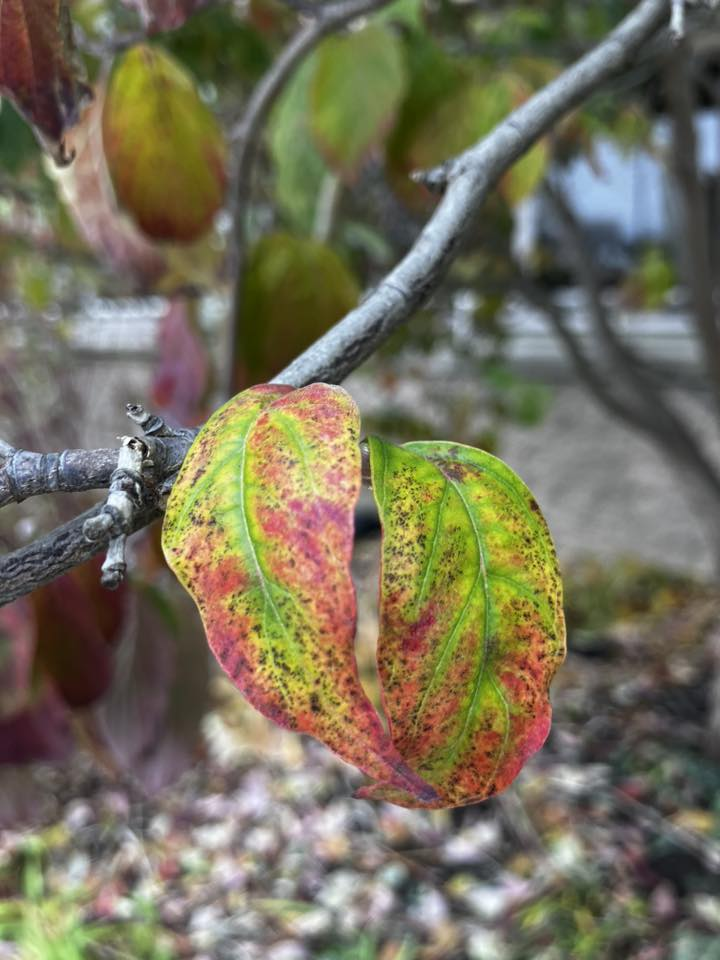
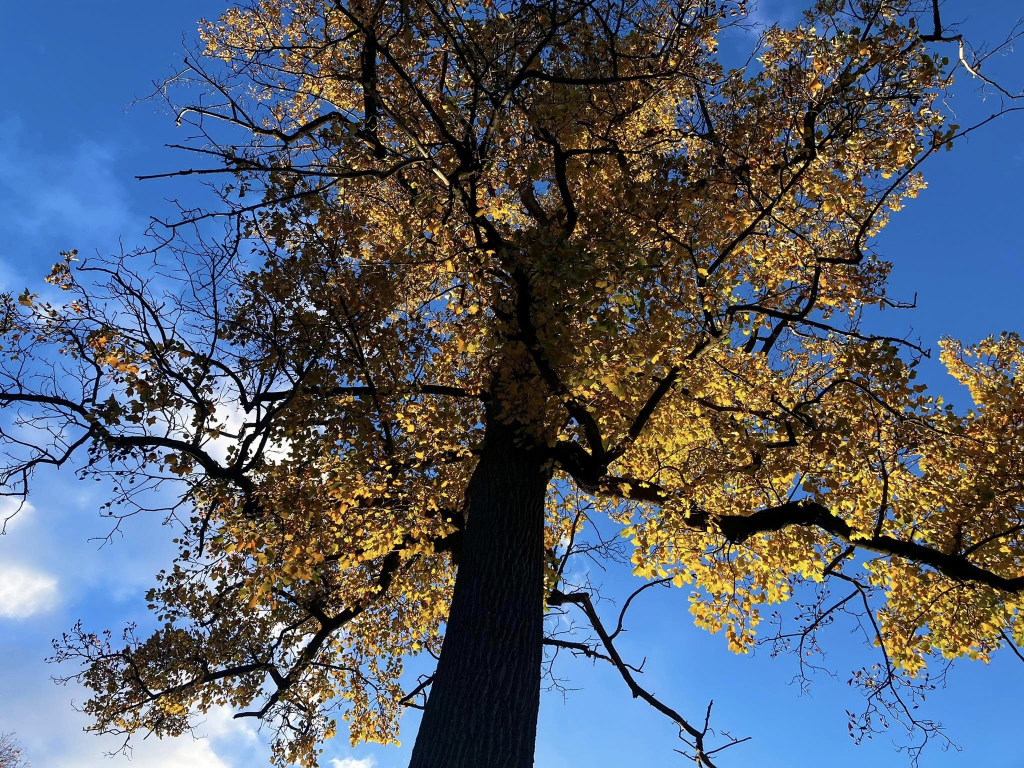
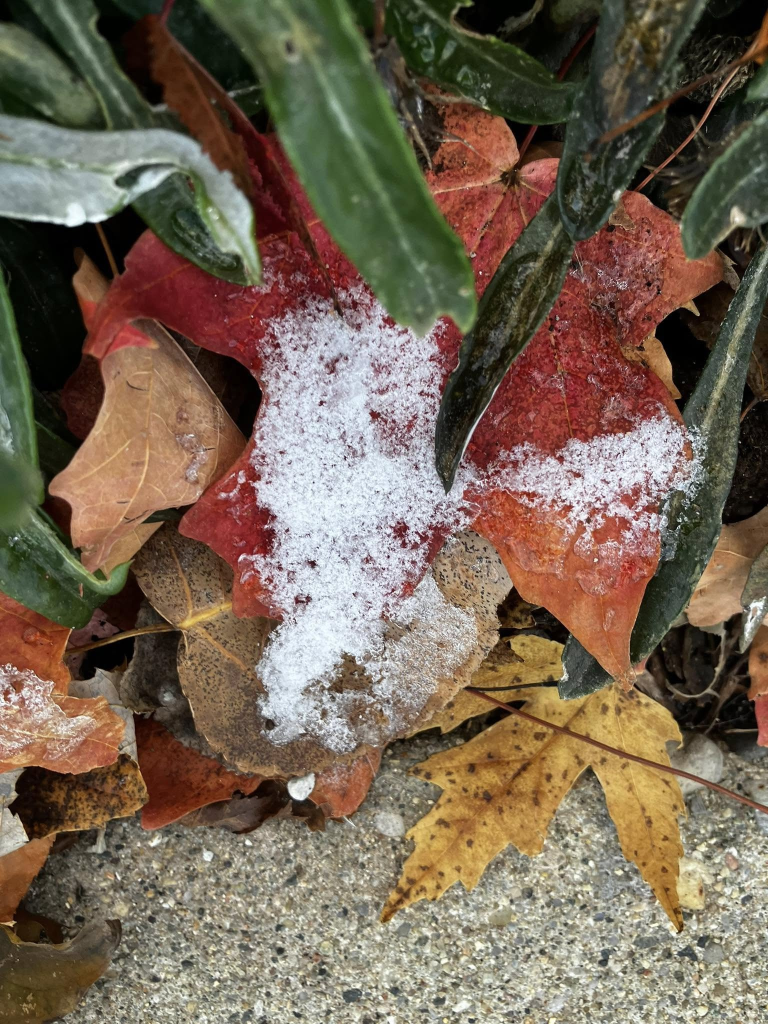
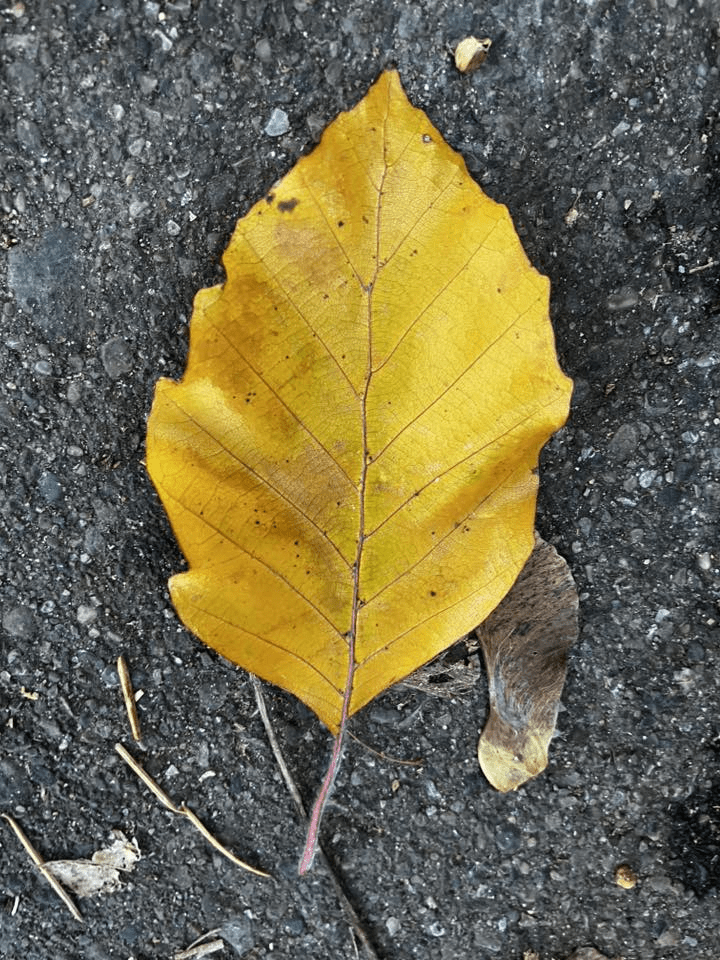
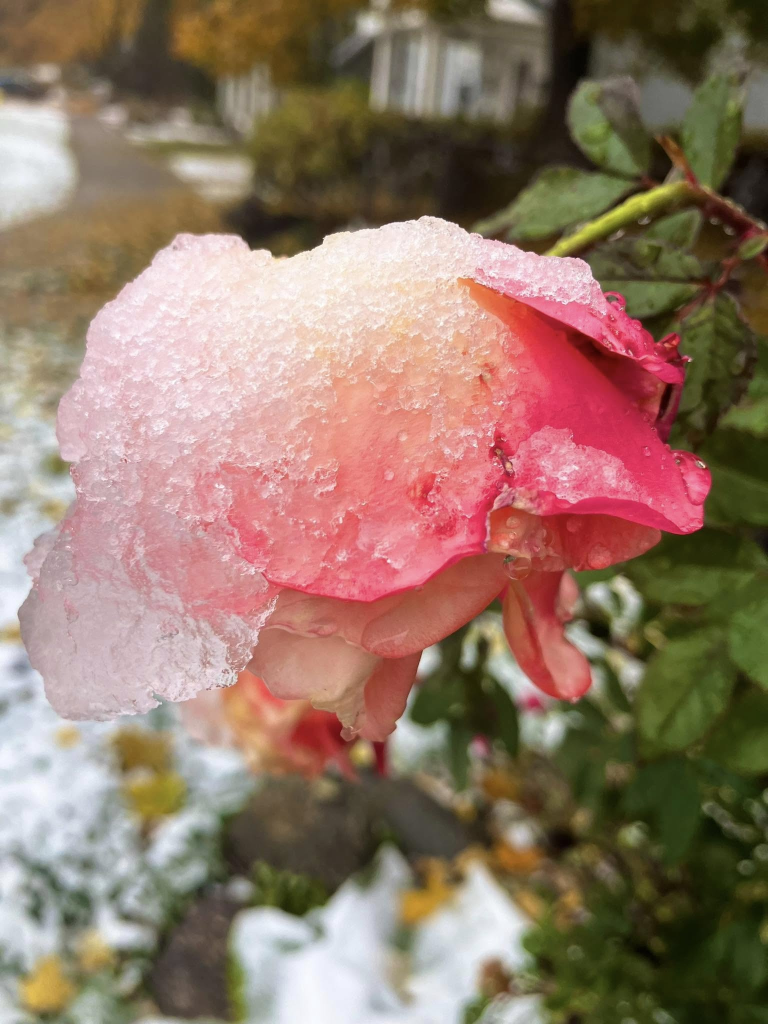
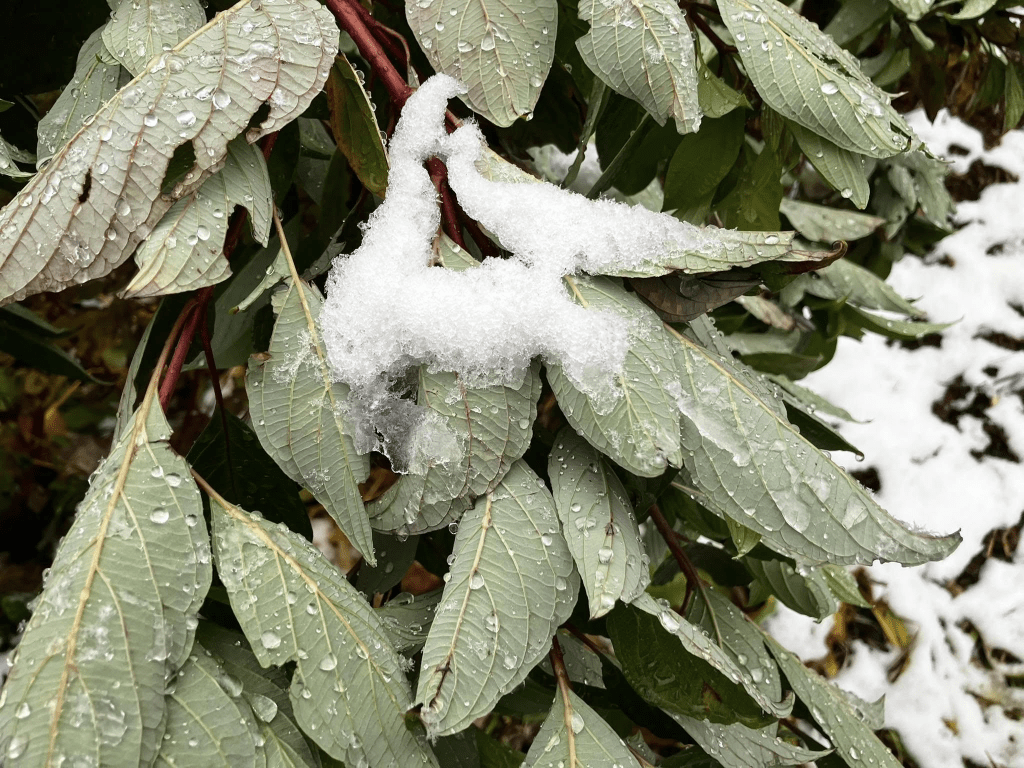


Neato Curiosities: Can You Even Believe Jellyfish?
So Many People Are Going Without
A few days ago, I was grumpypants. Just irritable and a little anxious, too.
“Have you eaten, Renee?” I had to ask myself. And then, realizing the answer is no, I had a meal. I cannot begin to tell you how differently I felt on the other side.
Lesson learned, of course.
But then I thought about 1 in 8 people who receive SNAP — including many children — and many of them have not gotten their benefits this month. And I thought of Palestinians — including many children — who have subsisted on so little for years, and especially since this March.
All of this is unjust. And all of this causes all kinds of suffering.
One meal caused a big change for me. What about all these meals lost?
The Band of Our Dreams

I was once in a band where no one played any instruments.
And I find this to be equal parts hilarious, precious, and ridiculous. Above all, I find this to be so middle school.
Well, to be exact, so junior high.
I didn’t go to a middle school. In my home town, our elementary schools went through 6th grade. This placed 7th and 8th graders together in the junior high, which was located in the same building as the high school, but separated enough so that we youngins wouldn’t be too bullied, intimidated, or enamored by our older counterparts.
We lived there in limbo between younger childhood and older adolescence. Just dorky and free. Just awkward and full of ridiculous dreams. Like starting a band when no one played any instruments.
We did this in all seriousness by the way. That’s what makes it equal parts hilarious, precious, and ridiculous. D and H, two of my closest friends, and I joined together in the hopes of starting a band, writing our own music, and really becoming great.
Are you ready for our band name?
Because it’s also pretty ridiculous.
Our band’s name was just one, single word….
Wretch.
Yes. We were Wretch — not a cover band, mind you, but a band that wrote its own stuff. And true, none of us knew how to play any instruments… But we would! We would learn! In fact, we even chose assignments. D would play drums, H would play rhythm guitar, and I would play the bass. H and I would split the vocals.
We were so earnest about this.
Oh, also, none of us had money to buy these instruments… But we would! We would find a way!
Instead, for six months to a year — I don’t remember the timing, exactly — Wretch wrote song lyrics. That is something we actually did do. In the evenings, the three of us would write them individually in our own respective houses, then hand them to each other in class or while passing each other in the hallways.
And none of these songs had actual melodies. We would wait to write those when we could play the instruments. I mean, first things first, right?
But why not go ahead and write down lyrical masterpieces? Why not pen a prolific number of songs as potent and powerful as Renee’s own creations, such as the goofy, nonsense song entitled, “Cumulus Cloud” or the remarkably emo classic entitled, “Freak”? (I still have these along with many others. They’re in a folder in storage. I’m not telling you where.)
I suppose at some point, this absurd dream of ours just faded. Only a mere couple of years later, we could laugh hard about our go-nowhere, no-music, barely-teenage, only-song-lyrics band.
But for a while, that dream was alive.
And forever and always, that dream will whisper our name.
Wretch.

