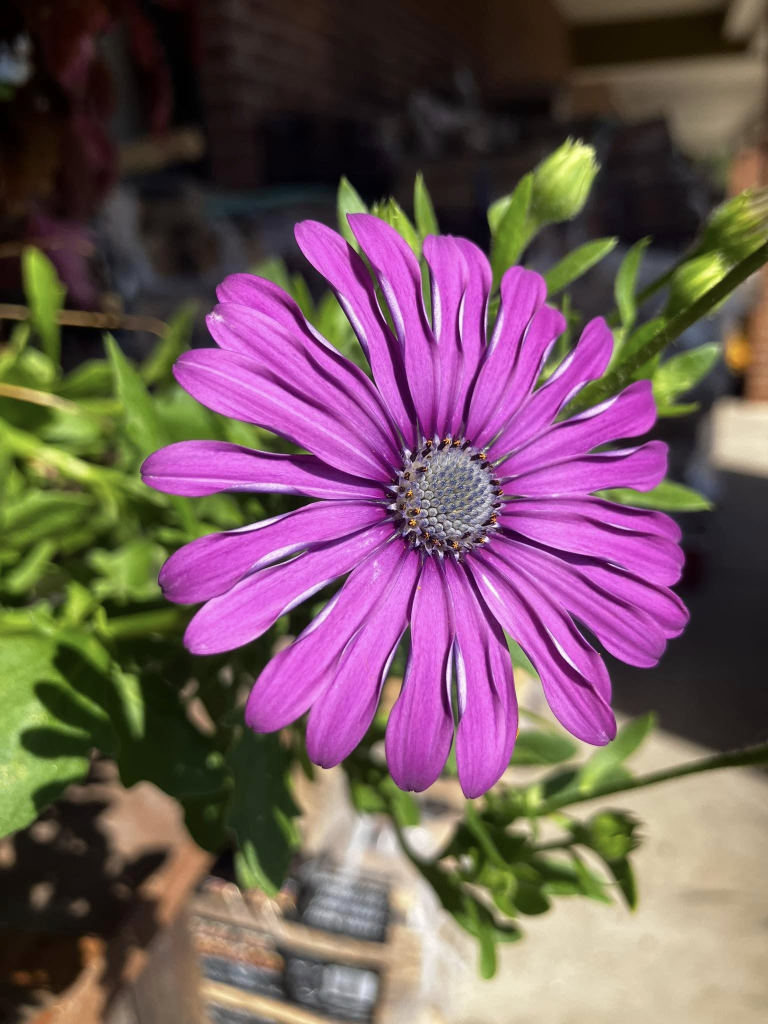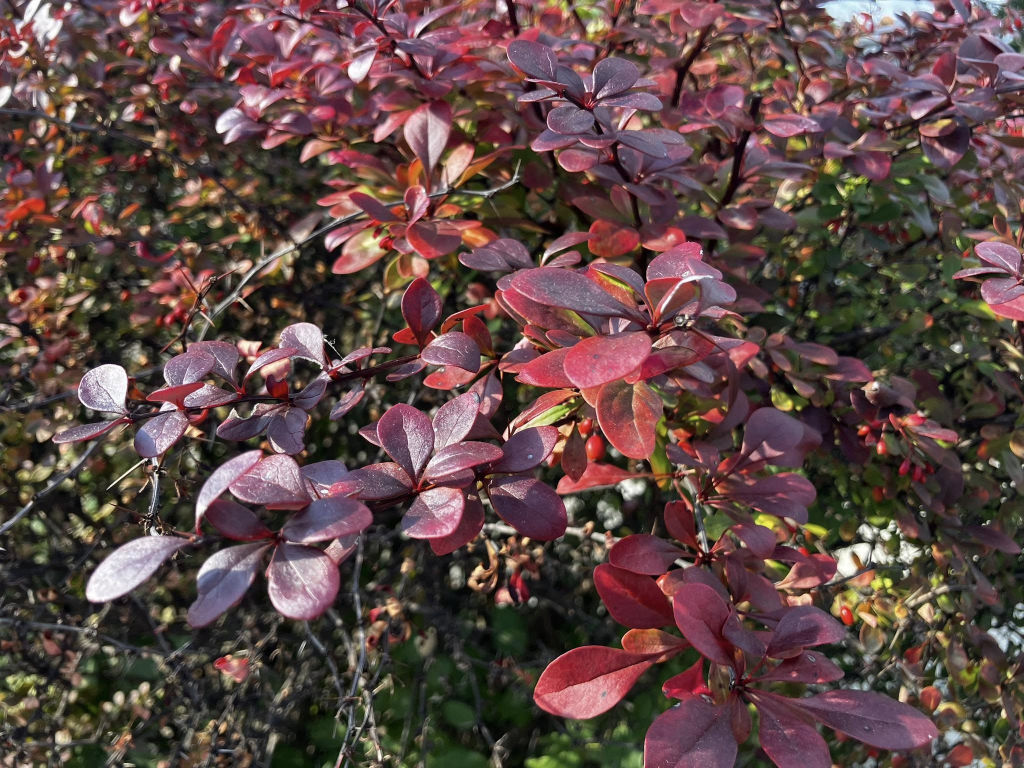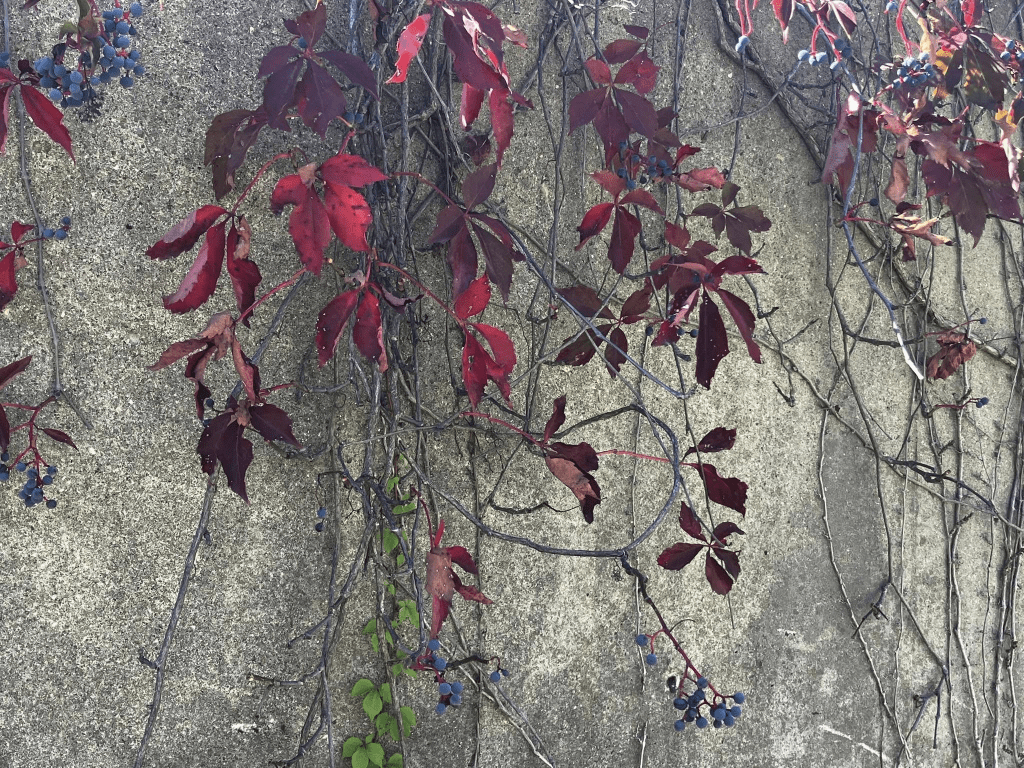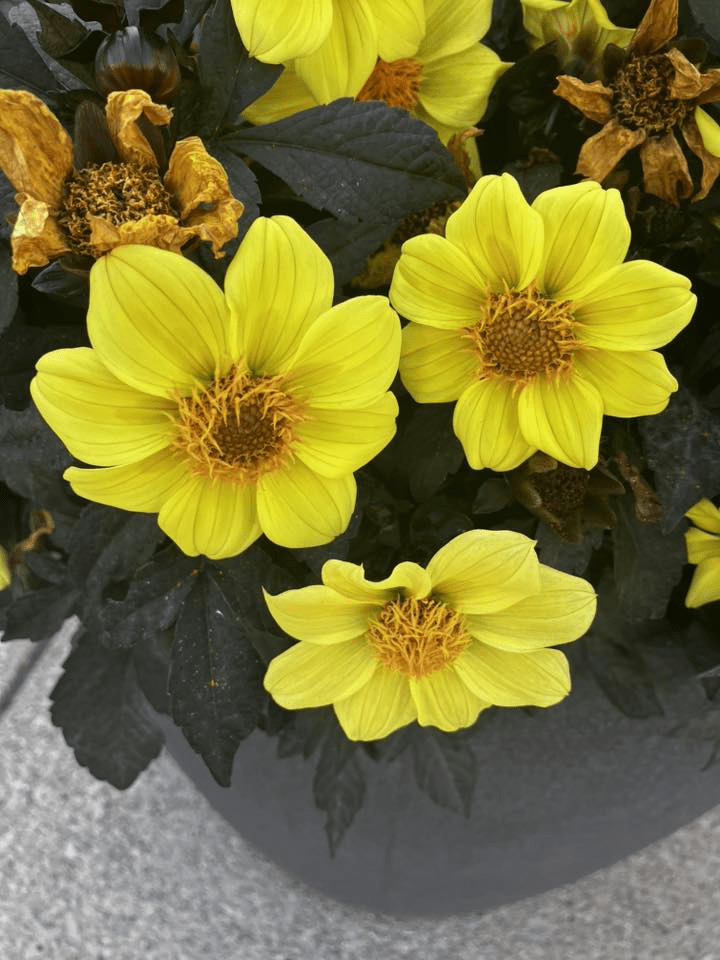




— Photos by Renee Roederer
5 Ways Space is Actually Good for You
“Space travel is infamously bad for your health. But it turns out that in some very specific cases, space travel may actually be beneficial. Like by strengthening your bones, or repairing your DNA.”

I kind of said my point in the title.
But it’s true: when you think about the entire span of human existence, we’re living in the tiniest fraction of history where people receive constant, up-to-date streams of global, national, and local news. No human generation before us has ever experienced this level of information all at once.
I started thinking about this while listening to a podcast that mentioned TV news anchors from not-too-long ago — Ted Koppel, Peter Jennings, Katie Couric, Dan Rather. I realized I’m probably part of the last age group that remembers when the news happened primarily at specific times of day. You’d catch it in the morning or the evening, or read about it later in a newspaper. That was it.
Even into the mid-2000s — I remember turning on the 6 p.m. news daily in 2005 while cooking dinner — the world felt connected, but our information still had boundaries. Before 24-hour coverage, before smartphones, most people only knew what was happening locally or what they could read about after the fact.
It’s important to stay informed. It’s even more important to take action. These aren’t abstract stories — they’re real people, real places, and the real natural world we share. This is true locally, and it’s true globally. We’re connected, and our struggles are connected. But our brains weren’t built to process everything all at once, all the time.
We live in the smallest sliver of human history to experience this constant flood of information.
I don’t say this as an excuse to check out (though taking breaks helps). I say it so we can give ourselves — and one another — a bit of grace. Of course it feels overwhelming sometimes. Doomscrolling has existed for, what, maybe twenty years tops? For most of us, probably ten. This is new terrain for the human nervous system.
Here’s where I’m really going with this:
Maybe it’s worth stepping outside, getting to know our neighbors, and caring and advocating for what’s right in front of us. And it’s definitely worth linking those efforts to people and places elsewhere. The world is vast, but our attention can still move with care — one human moment at a time.
—Renee Roederer

What if you could be gathered together in one place with a version of yourself from every age of your life? From baby to current age of adulthood?
What if every age of yourself was present toward all the others, gathered together like a family reunion of sorts? What would that be like?
-Would certain ages pair together for care?
-Would certain ages avoid each other?
-Would certain ages wander off somewhere and find some space to voice their stories, or maybe do some reconciliation work?
-Would certain ages impart wisdom to the other ages?
What might the current you want to say to your younger selves? What might your younger selves want to say to the current you? Truth be told, our younger selves are always present in some way, embedded into the rest of our lives. We can access the various parts of ourselves, and in a sense, even be in relationship with ourselves.
I wonder what would happen in this family reunion?
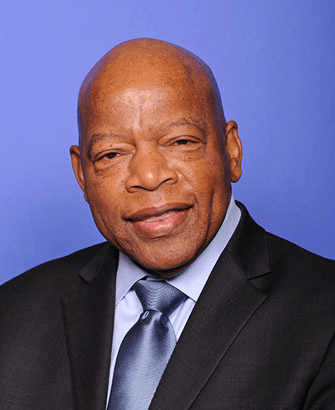
I recently read a story about John Lewis in Rev. MaryAnn McKibben Dana’s The Blue Room newsletter, and it’s been sitting with me ever since. I’m grateful to her for sharing it.
When John Lewis was a small child in rural Alabama, his world was surrounded by pine trees, cotton fields, and community. His family lived among other sharecroppers, most of them relatives. Every very adult was an aunt or uncle, and every child was some kind of cousin. One Saturday, about fifteen of those cousins were playing in his Aunt Seneva’s yard when the air began to shift, heavy with the threat of a coming storm.
Lewis wrote:
“The sky began clouding over, the wind started picking up, lightning flashed far off in the distance, and suddenly I wasn’t thinking about playing anymore. I was terrified.
Lightning terrified me, and so did thunder. Aunt Seneva was the only adult around that day, and as the sky blackened and the wind grew stronger, she herded us all inside…
The wind was howling now, and the house was starting to shake… Now the house was beginning to sway… The corner of the room started lifting up.
That was when Aunt Seneva told us to clasp hands. Line up and hold hands, she said, and we did as we were told. Then she had us walk as a group toward the corner of the room that was rising…
And so it went, back and forth, fifteen children walking with the wind, holding that trembling house down with the weight of our small bodies.”
What an image — and what a truth to carry.
We can hold each other steady when the world begins to shake. We all know that feeling when things begin to lift right off their foundation.
And yet, this story reminds us of what’s possible when we move together. Even in times of chaos or fear, we can organize, reach for one another, and steady what matters most. That’s how we keep standing — by holding on, and by holding each other down in the best possible way.
—Renee Roederer

In the Christian Century magazine, the Rev. Mark Ralls recounts a beautiful and unexpected experience he had while visiting a local nursing home.
Pastor Ralls had gone to the nursing home to visit a resident who was a member of his congregation. While they were sitting together and conversing in the atrium, he heard some strange, intriguing words.
“I love you little. I love you big. I love you like a little pig.”
These words soon became a playful refrain. Pastor Ralls and his friend heard these words innumerable times throughout their conversation. They were spoken by a woman who was sitting nearby them. She was a resident too, and though she was sitting close enough to touch them, she paid no attention to their conversation. He writes, “During my visit to the nursing home that afternoon, I must have heard this sweet, odd rhyme more than a hundred times.” She continued to look out the window, and with a broad smile on her face, she let her refrain fill the room.
“I love you little. I love you big. I love you like a little pig.”
“I love you little. I love you big. I love you like a little pig.”
“I love you little. I love you big. I love you like a little pig.”
She seemed continually delighted by these words.
After inquiring of a staff member, Pastor Ralls learned that this woman had been a first grade teacher for decades. Each morning, when the children entered the classroom for their day at school, she would lean down and speak these very words into each beloved ear.
What a beautiful, playful ritual.
I love this story because it invites me to imagine what those words must have been like for the children in her classroom. . .
. . . I wonder if they would giggle before she could finish, each one anticipating the end of the phrase.
. . . I wonder if they would smile before she started, each one anticipating that they were loved and valuable.
. . . I wonder if they would ever add their voices to the chorus, each one rehearsing the truth of their worth, silly as the phrase may be.
I also love this story because it invites me to imagine how those words must have formed her as a teacher. . .
. . . I wonder if she spoke these words on days when she was feeling discouraged, and they lifted her mood just a bit.
. . . I wonder if she took pleasure in speaking these words to particular children who struggled to trust love.
. . . I wonder if the rehearsal of these words helped her love herself more fully too.
No matter how these words were spoken or received in her classroom, it is clear that they resonated deep within her psyche many years later when she was challenged by dementia. The refrain is delightful and silly. It is also so meaningful.
It makes me wonder. . .
Who has told you that you’re beloved?
Who has told you that you’re loved through and through?
Who has told you that you’re valuable and worth it all?
Do we rehearse those words and memories? Do we recall them and let them sink into our very being?
We can always begin that rehearsal again.
And if we doubt those words within us. . . guess what?
We can rehearse them again.
And again.
And again.
And again.
And if no one has told you today,
And if you’re struggling to tell yourself,
Please hear this truth:
You are Beloved,
Loved through and through,
Valued and worth it all.
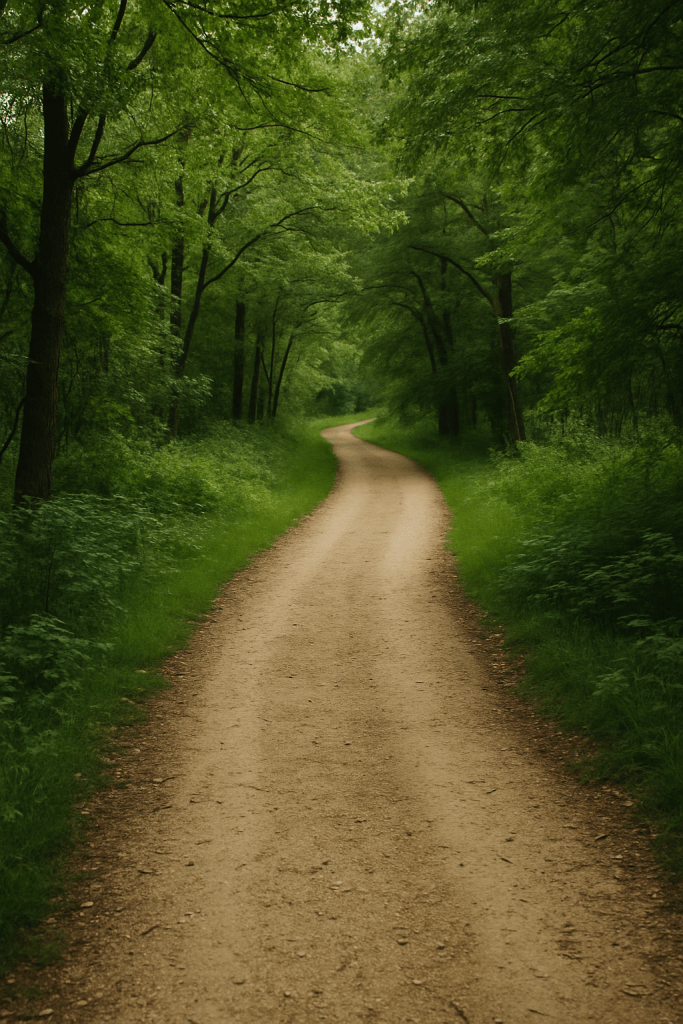
I woke up in a foul mood. Nothing was wrong, really. I had just started the morning by rehearsing an old story in my head, one of those familiar narratives that likes to resurface now and then. You probably know the kind: mostly untrue, not especially helpful, yet stubborn enough to shape the mood of the day anyway.
Thankfully, the day turned itself around. Later, I met up with one of my favorite people, a dear person who moved to another state years ago and was back in town for a visit. She had just gotten off a bus and was walking toward the coffee shop where we planned to meet. At the very same time, I was leaving my driveway, windows down, on a warm October afternoon. It was fun to think of ourselves in real time on our way toward one another. For some reason, that simple thought lifted me.
That’s a feeling I want to hold onto — We’re on our way toward one another — and maybe make it into a narrative of its own.
There is so much division. There is so much separation. There is so much contempt. There is so much loss. I don’t want to deny these realities, of course, but I do want to anticipate something different — something in process, something connectional.
Maybe that’s what I mean by anticipating one another: keeping a kind of readiness for goodness, for kinship, for what might grow between us if we stay open to it.
—Renee Roederer

All people in this world have needs that are particular to themselves.
Every person.
And
All people and all communities have unique and particular strengths to share.
Every person, every community.
I’m not sure if we can ever truly run from need, because human need is one of the most honest and real things about us all. But we definitely try. There may be a number of reasons for this. Among them, we’ve internalized lot of cultural narratives about individualism, self-sufficiency, and the belief that we must produce and earn love and belonging. (Psst, those are myths. Dangerous myths).
But those cultural narratives take form in our thoughts and feelings…
“I’m a burden.”
“I’m too much.”
“I don’t want to over-ask.”
“I don’t want to trouble.”
“They’re going to get tired of me.”
“I can’t voice this.”
Soon we’re speaking narratives about ourselves, and we run from our need and from one another. But again,
All people in this world have needs that are particular to themselves.
Every person.
And
All people and all communities have unique and particular strengths to share.
Every person, every community.
There is no shame in any of this. We can embrace these parts of ourselves. We can share these parts of ourselves. We can love these parts of ourselves.
Need away, friends.
—Renee Roederer