Ope
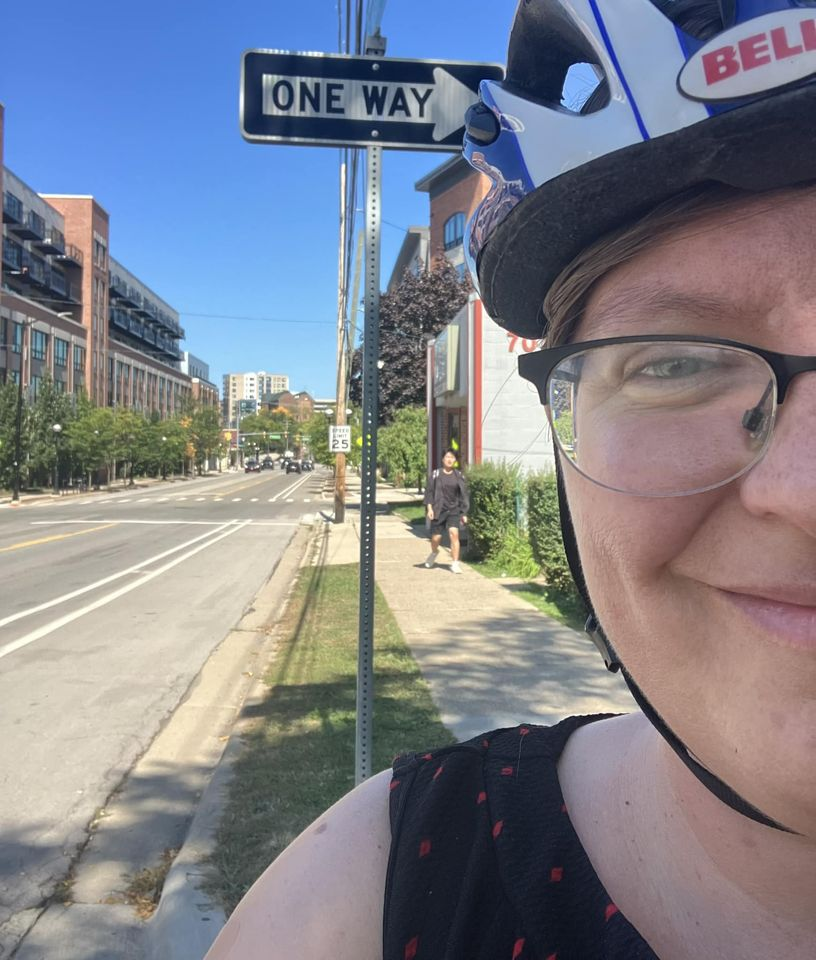
Hi, it’s me. While bike riding, I have nodded to and/or waved at an embarrassing number of decorative scarecrows during this season.
Ope.
Unfathomable Fear
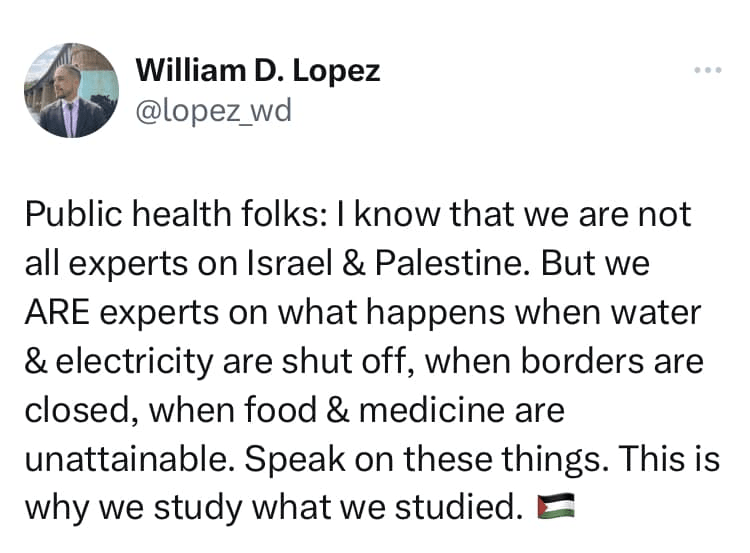
A friend and colleague posted this tweet yesterday. I agree with the importance of what he shares here:
Public health folks: I know that we are not all experts on Israel & Palestine. But we ARE experts on what happens when water & electricity are shut off, when borders are closed, when food & medicine are unattainable. Speak on these things. This is why we study what we studied.
I know people whose family and friends are living in this region, and they are deeply afraid.
I try to imagine what the fear, trauma, and powerlessness must feel like on the ground. On Monday, I posted an article on social media about hospitalized people in Gaza who were unable to be evacuated with the 24-hour notice. Medical personnel were unable to move them safely. On Tuesday, 500 people were killed in a strike that landed on a hospital.
What is the psychological terror like of being hospitalized, waiting with knowledge that a building could collapse upon you at any moment? That feels nearly unfathomable, but that is real for people right now. And then…the building does. Who will tell the stories of those patients and those medical personnel?
What is the psychological terror like of being a hostage, unsure if you will be free again, or if you’ll see your families and friends again, yet fully aware that a full blown war is now underway and escalating while you’re still trapped in the same place? That feels nearly unfathomable, but that is real for people right now. Who will tell the stories of those hostages?
And, of course, many people watch with fear at a distance as well, also feeling powerless.
I am hoping, praying, and advocating for a cease fire. We can also call our elected officials to advocate for this. I want to encourage us to do that.
No one is free until we are all free.
No one lives in peace until all have peace.
And wherever you are today in thinking on these realities — whether close and connected, or much farther away — please take good care and know that you are valuable, as are all people in that region. We are often more connected than we realize.
—Renee Roederer
Change, Presence, and Trust
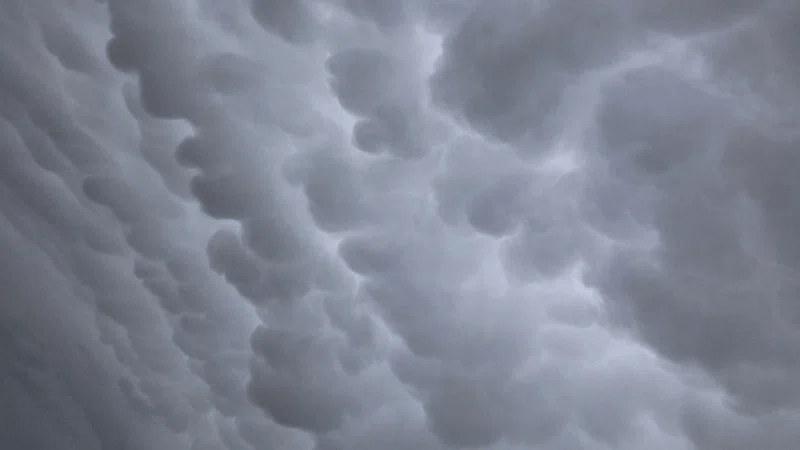
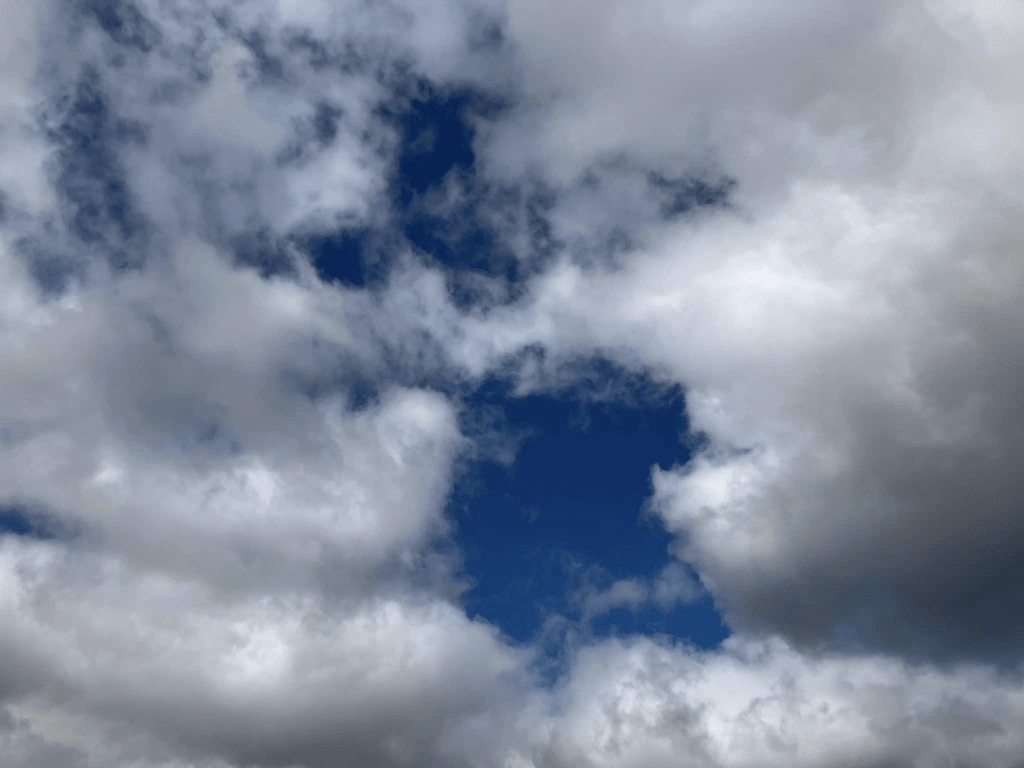
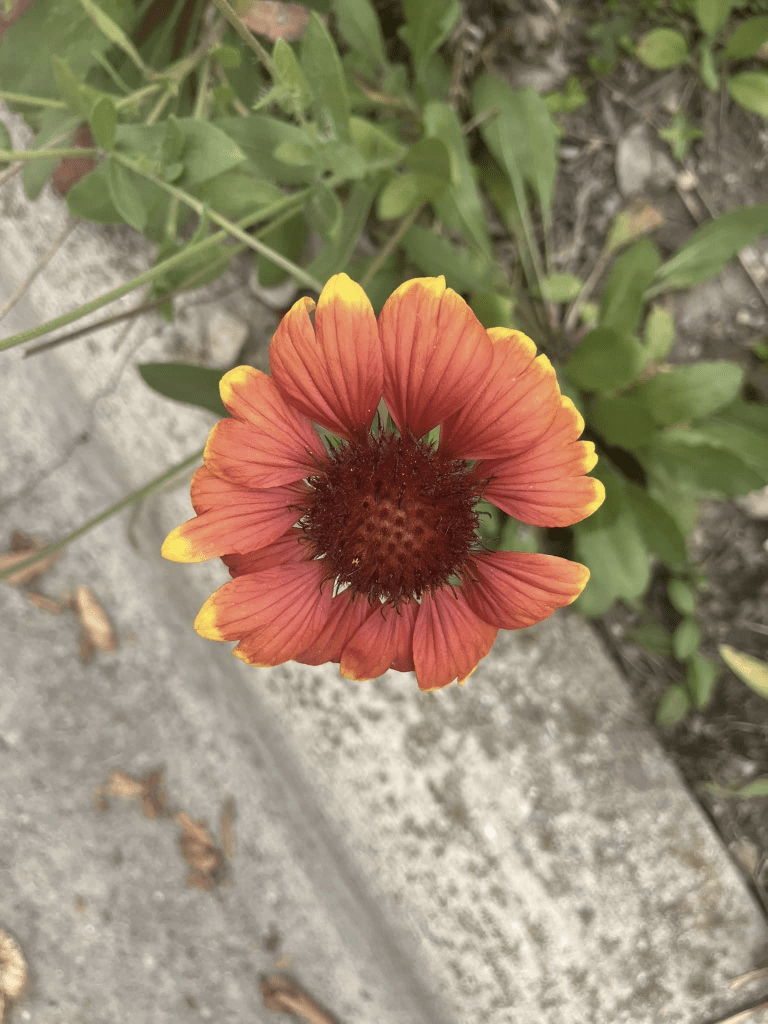
I looked out the window, and I saw a thick, cloudy sky of gray. In my backyard, I can see some color, but it’s not like the vibrant hues I can find on trees in other areas of my town. I see plants and wildflowers beginning to wilt and yield themselves toward this season.
“I miss summer already,” I thought. Then I thought about how this, too, will return later. It’s time to be present with this season now.
Then I pondered, “What if we didn’t know summer would reemerge? What if we had no idea that spring would bring blossoms and new growth? What if we had no cyclical knowledge?”
In that case, this current change would be pretty scary. We would assume this is all it is, and that we’re moving toward a perpetual worse. But thank goodness, we are able to anticipate and basically, trust the process when nature shifts.
Can we trust the process when… we shift? Or when life shifts around us? Or for us? Or even to us?
Can we anticipate that goodness is possible too? That it can arise? That it can at very least accompany the pains? And often grow large enough to hold them? And in some cases, become expansive enough to transform them?
I’ve learned a great deal from a person who says this:
“As long as love remains, there is hope.”
If love remains — even in change, even in moments that feel like utter tumultuousness — there is hope. There is hope for vitality. There is hope for transformation. There is hope for renewal. There is hope for connection and re-connection. There is hope for growth.
If there is love, there is hope.
If there is hope, there are possibilities.
If there are possibilities, there is change.
If there is change, there is growth.
If there is growth, there is…
—Renee Roederer
Mindful Monday
Quite naturally, our bodies have a stress response. Stress causes adrenaline and cortisol, the tightening of muscles, and at times, the initiation of fight, flight, freeze, or fawn responses.
But we can also have a relaxation response. In the relaxation response, the activated sympathetic nervous system is calmed by the parasympathetic nervous system. What helps this? Intentional, deep breathing, stretching, meditation, mindfulness, touch, bilateral movement (walking, running, additional ways of moving), somatic processes like the body scan, cuddling, and generally slowing down — again — intentional, deep breathing (after all, this helps us slow down).
But here’s the thing:
The stress response is innate and automatic, and the relaxation response has to be learned. The body needs practice in order for this to happen naturally on its own.
All of these are worthy practice. Very worth our time.
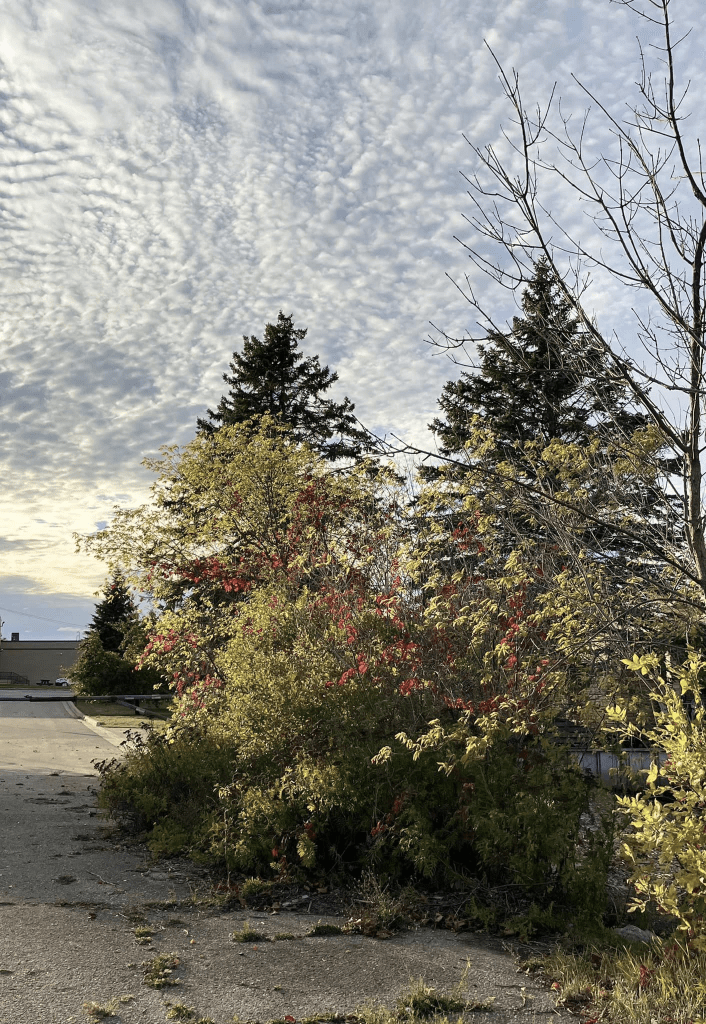
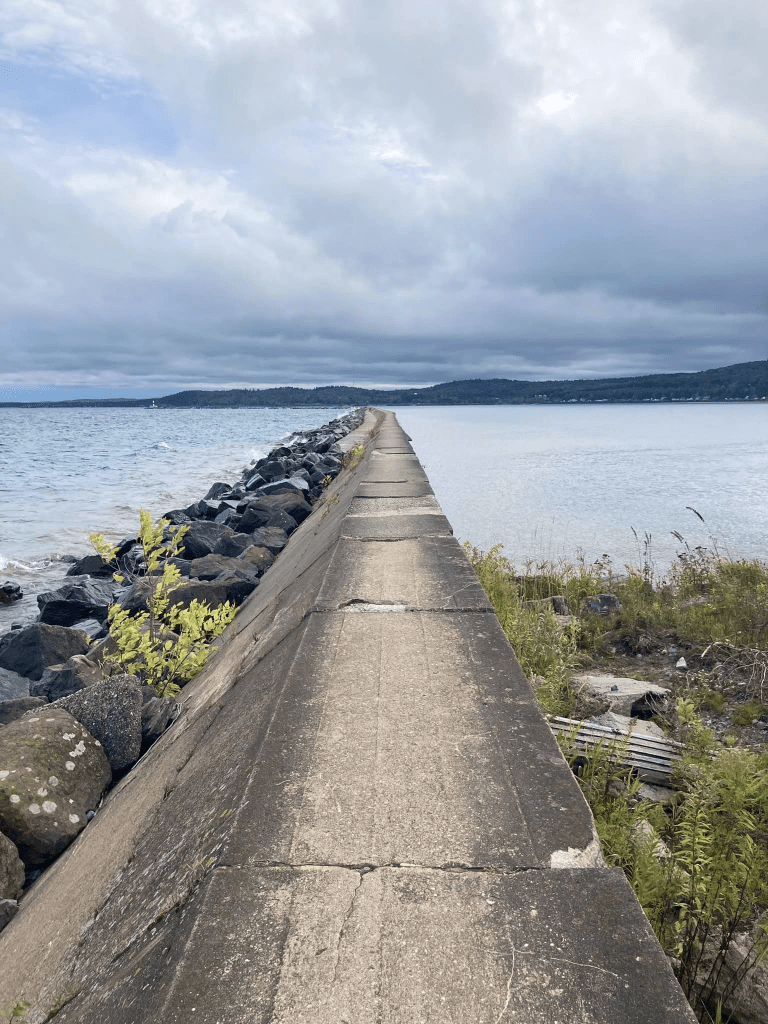
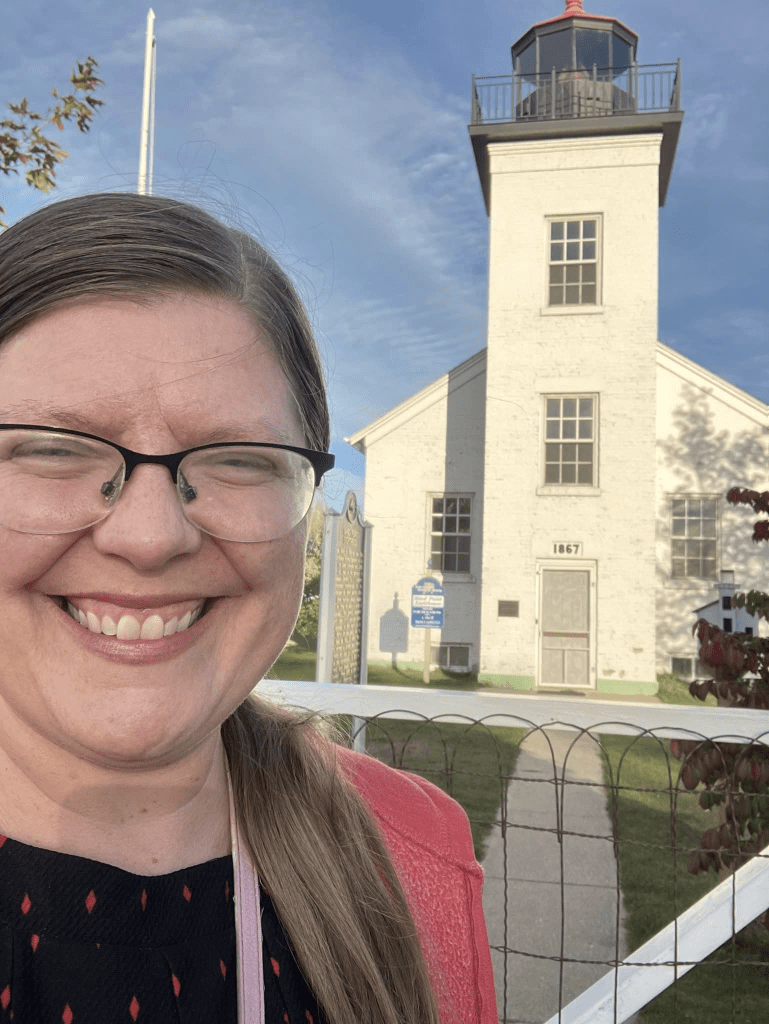
This Week in Nature: Scenes from the Upper Peninsula






“Goodnight, Myself”

A Gentler World
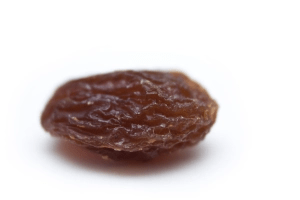
I’ve had a consistent headache for days, and I’m tired. I need to prioritize some gentleness.
In the midst of this, and immensely bigger, it is an understatement to say that our world needs gentleness… The war in Ukraine continues on after more than a year. Migrants are desperately on the move but are impeded at borders or are lost at sea. Israeli civilians have been kidnapped violently and are being used as hostages, rightfully terrifying Jews around the globe. The people of Palestine have lived in what has been termed an open air prison for decades and are now in immediate danger from bombs and tanks.
When I was on my daily bike ride, I noticed a kid walking down the street to his house, having returned from school. He looked like he was about 8 years old. I wondered, “How are kids processing all of this right now, particularly Jewish children and Muslim children? How are they doing?”
A car came down the road in the opposite direction of me. I needed to move into an area on my side of the street where there is construction. There was nothing dangerous about this, but I was going fast enough that when I hit a bump, I felt that on the bike, and the e-bike battery popped off. No big deal; I was able to fix it.
But this kiddo saw it happen, and though I passed him previously on the bike, he now was about to pass me on foot, and he said,
“Would you like a raisin?” He asked. “It’s my last one.”
I was so touched at this sweetheart. “Oh no, thank you. But that is so kind of you to offer. That’s very sweet.”
It really was. And this offer of a last raisin fixed nothing of these problems of the world, but it moved me. And for a minute, thanks to this darling kiddo, the world was gentler. I hope this child is receiving gentleness in every place where he goes. Children around our globe deserve gentleness in every place where they go.
We need a gentler world — in the every day and on a global scale.
—Renee Roederer
Catch
An important person in my life has said this about his cancer experience:
I wouldn’t wish cancer on my worst enemy, but what I do wish is that everyone had the opportunity to experience what it feels like to have your community catch you.
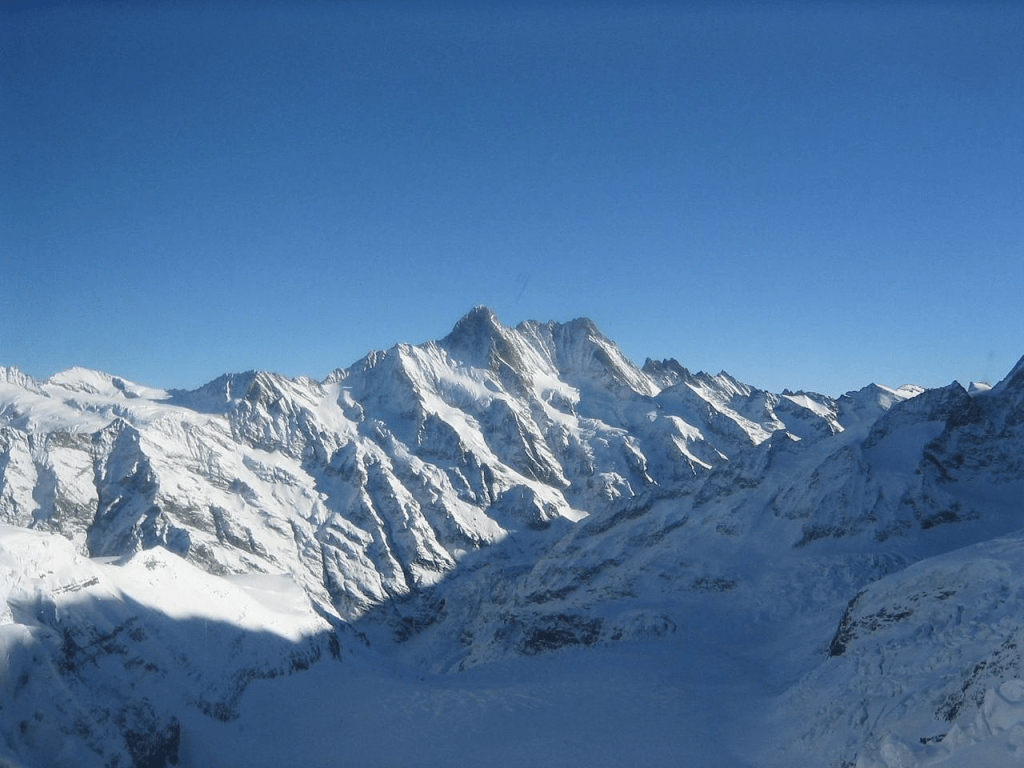
A friend of mine is a student, and as part of an assignment, she needed to interview people about a crisis moment in their lives. I participated and talked about an experience I had more than 15 years ago. I was in a very serious skiing accident — so much so, that I barely have memories of the day. I have no visual recollections, only a couple of moments when I heard people’s voices around me.
On that day, I had an experience of my community catching me. There was a group of friends who rallied and took care of my body. I never had to ask; I never even had a chance to remember. But I was told, and as I shared yesterday, I discovered that I was surrounded by people who loved me thoroughly.
I wouldn’t wish that experience on my worst enemy either, but I, too, wish that everyone had the opportunity to experience what it feels like to have your community catch you.
Do you have a moment like that? What comes to mind? If you recall it to mind and heart, how might that impact the ways your body feels today?
—Renee Roederer


 Smuggling Grace