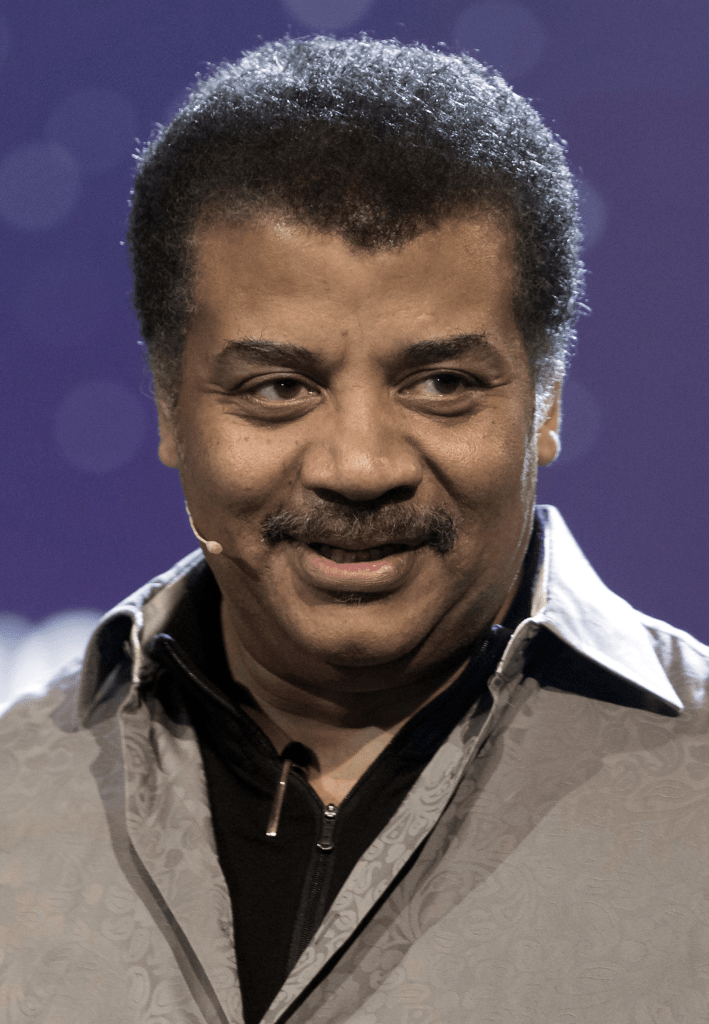
“There are as many atoms in each molecule of your DNA as there are stars in the typical galaxy. This is true for dogs, and bears, and every living thing. We are, each of us, a little universe.” – The Cosmos: A Spacetime Odyssey, Episode 2

“There are as many atoms in each molecule of your DNA as there are stars in the typical galaxy. This is true for dogs, and bears, and every living thing. We are, each of us, a little universe.” – The Cosmos: A Spacetime Odyssey, Episode 2

I recommend Ricardo Semler’s TED Talk.
Ricardo Semler, CEO and majority owner of Semco Partners, is known for implementing creative reforms in the areas of workplace culture and education. He also has an intriguing personal practice:
For years, Ricardo Semler has declared Mondays and Thursdays to be his “Terminal Days.”
These two days of the week are dedicated to prioritizing what he would be doing if he were to learn that he has a terminal diagnosis. The decision to label 28.5% of the week “Terminal Days” might seem rather grim to many of us. In fact, he says that his wife does not like the term. But without question, his personal commitment to this practice has been life-giving.
He says, “On Mondays and Thursdays, I learn how to die. I call them my terminal days. . . one day I could be sitting in front of a doctor who looks at my exams and says, ‘Ricardo, things don’t look very good. You have six months or a year to live.’ And you start thinking about what you would do with this time. And you say, ‘I’m going to spend more time with the kids. I’m going to visit these places. I’m going to go up and down mountains and places, and I’m going to do the things I didn’t do when I had the time.
“But of course, we know these are very bittersweet memories we’re going to have. It’s going to be very difficult to do. You spend a good part of the time crying, probably. So I said, I’m going to do something else. Every Monday and Thursday, I’m going to use my terminal days. And I will do, during those days, whatever it is I was going to do if I received that piece of news.”
One of the things I admire about Ricardo Semler, which you will notice also if you watch the TED Talk above, is that he has spent his life working to reform systems – including the workplace culture of his own company – so that others have the freedom to prioritize their lives in similar ways.
We don’t all have the privilege or opportunity to step away from work two additional days each week, and we can’t all afford to travel the globe. But all of this makes me wonder, what can we do? What is in the realm of possibility, and which choices are ours to make?
Most importantly,
What do we want our lives to mean?
What do we want to prioritize?
What can we do with our time, so that we’re prioritizing these things now, rather than waiting for some event to wake us up to them?

Something I’m pondering…
Concern and worry are not quite the same. They’re different experiences, I think.
When we’re concerned about something, we take it seriously. And this feels proactive: We think ahead. We consider consequences. We galvanize our strength, our inner resources, and our community resources.
But…
When we’re worried about something, we just spin around our own anxiety. It can feel like a whirlwind.
It’s not easy, and sometimes, not possible to just snap our fingers and exit worry. Anxiety is very physical, and when it takes hold, we’re really in it. This deserves compassion and never shame or criticism.
I wonder, if we can practice moving our worry energy into concern energy, might we inhabit a different stance? Then we can be in a different relationship with what we face or fear.
Around this time last year, I had the great occasion to listen to Dr. Anthony Fauci speak. The University of Michigan held a Comeback Commencement for the Class of 2020. Two of my loved ones finally got that chance to have a commencement ceremony. Dr. Fauci received an honorary doctorate from the University of Michigan, and he was the commencement speaker. I’ve included a video of his speech below.
Two portions of his speech really stood out to me, and I appreciate these dual callings he issued to us. 1) We must challenge what he calls, ‘the normalization of untruths,’ and 2) it’s important not to let the difficulties of our age steal all our joy. From this second place, we realize we can shape life differently.
“What troubles me is that differences of opinion or ideology have in certain circumstances been reflected by egregious distortions of reality. Sadly, elements of our society have grown increasingly unfazed by a cacophony of falsehood and lies that often stand largely unchallenged, ominously leading to an insidious acceptance of what I call ‘the normalization of untruths.’ We see this happen daily, propagated through a range of information platforms, social medias, so-called news organizations, and sad to say, certain elected officials in positions of power. Yet the outrage and dissent against this alarming trend has mostly been muted and mild. If you remember nothing else from what I say today, I truly appeal to you, please remember this: It is our collective responsibility not to sink to a tacit acceptance of the normalization of untruths, because if we do, we bring danger to ourselves, our families, and our communities. This is how a society devolves into a way of life where veracity becomes subservient to propaganda, rather than upheld by a guiding principal for creating and sustaining a just social order.”
— And —
“In closing, I’ve been speaking to you over the last few minutes about the serious issues we are facing in our current world, and so putting the serious business aside for a moment, I want to close with a reminder about the joyousness of your life to come and what a bright future you have. Allow yourselves to cultivate this joy as much as you do your professional accomplishments. Find your source of joy and happiness and fully embrace it. And think upon your future as that stated by the political theorist John Homer Shaw, and I quote, ‘The future is not some place we are going to but one we are creating. The paths are not to be found but made, and the activity of making them changes both the maker and the destination.’”
Thank you, Dr. Fauci.
–Renee Roederer

I have a very vivid memory of sitting on a stoop alongside the Green Street sidewalk in Pasadena, California. I had earbuds in and was listening to music. A particular Elton John song came on shuffle, and I found myself thinking about Michigan. I was in transition and about to move there soon. As that song played, I found myself thinking about how I was going to meet students at the University of Michigan who would be significant in my life. At this point, they were nameless, but I knew they would mean a great deal to me.
A whole decade later, I took the bus to meet some University of Michigan alumni who have become significant in my life. On a warm, spring day, we planned to take a walk together. I arrived a little bit early and sat on the steps near their apartment. I had earbuds in and was listening to music. That particular Elton John song came on shuffle, and I sat there, pondering how it was all true.

While at a community event this week, a community leader said,
“Consensus is not the unification of opinions. It’s a convergence of conscience.”
That’s a wise statement. I thought I’d share it and let it speak in a variety of directions.

Why not live this way?
A poem by Hafiz:
“With that Moon Language”
Admit something:
Everyone you see, you say to them, “Love me.”
Of course you do not do this out loud, otherwise
Someone would call the cops.
Still, though, think about this, this great pull in us to connect.
Why not become the one who lives with a
Full moon in each eye that is always saying,
With that sweet moon language, what every other eye in
This world is dying to hear?

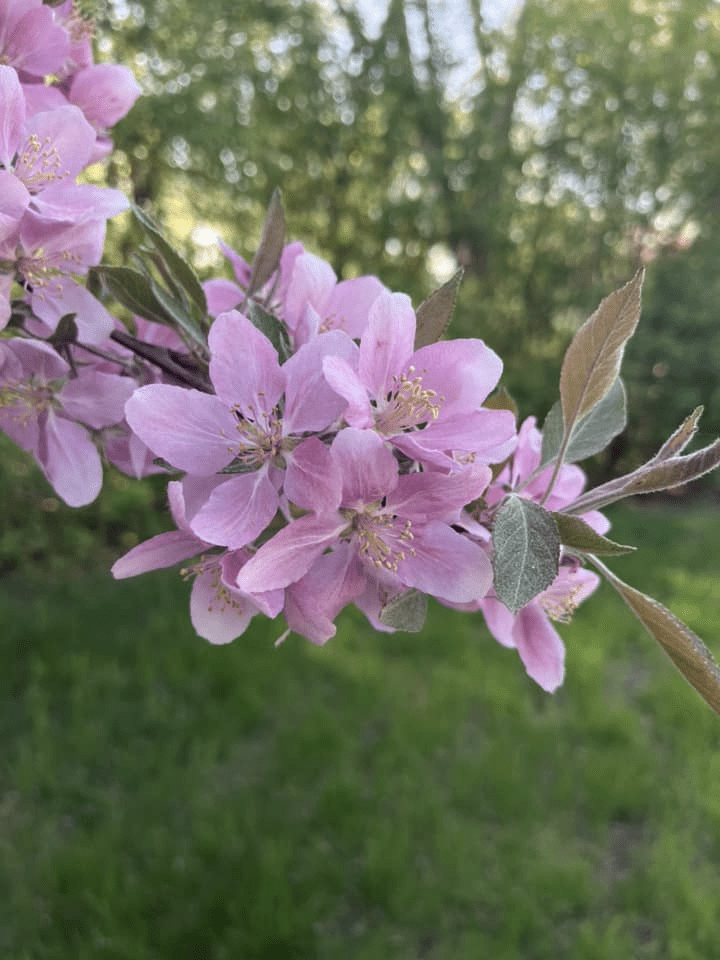
new growth,
new emergence,
new possibilities,
can form
again
even in unlikely places.












 Smuggling Grace