
I was sitting in a circle with college students, and we were discussing this saying of Jesus:
“When you give a luncheon or a dinner, do not invite your friends or your brothers and sisters or your relatives or rich neighbors, in case they may invite you in return, and you would be repaid. But when you give a banquet, invite the poor, the crippled, the lame, and the blind. And you will be blessed because they cannot repay you, for you will be repaid at the resurrection of the righteous.” (Luke 14:12-14)
There was some discomfort among students with the last portion of that teaching: If you will be repaid in a great resurrection, aren’t you still doing this to get something — at least in part? And is this just charity? Does this banquet have meetings of equals? Good questions.
But we were also moved by this thought:
When Jesus spoke these words, and when the first readers of the gospel heard them or read them, this list of invitees would have evoked names in their minds and hearts. They lived in small towns. They knew each other. They knew who was not getting invited.
Today, our society so greatly separates our socioeconomic realities, that many times “the poor” remain some kind of abstraction for us. We’re not always in relationship.
That’s when someone added,
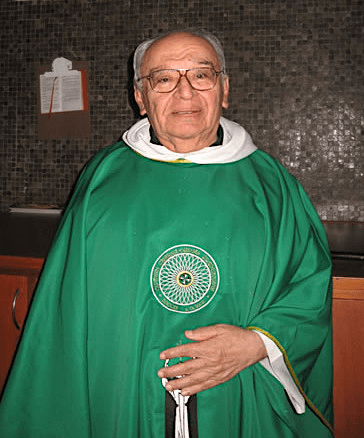
“Gustavo Gutiérrez used to say,
‘If you say you love the poor,
name them.'”
 Smuggling Grace