
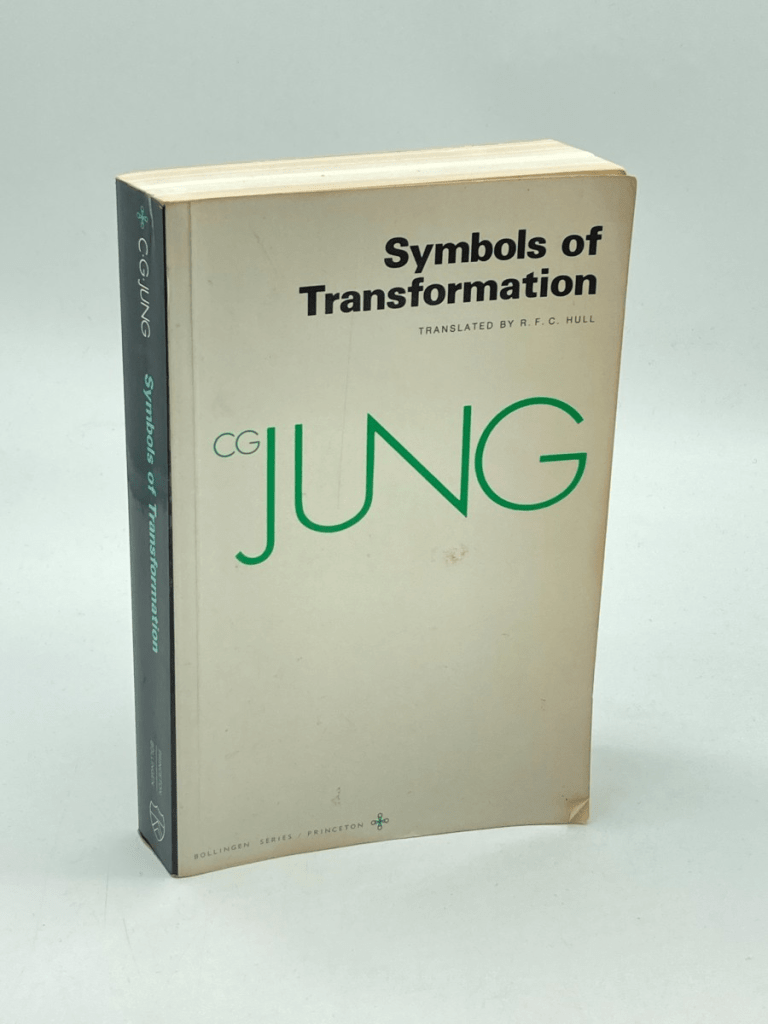
Carl Jung, the Swiss psychiatrist who founded analytical psychology, wrote a great deal about archetypes and the symbolic life of the psyche. He was interested in sacrifice as something transformative, not merely destructive. And linguistically, “sacrifice” and “sacred” share the same Latin root, sacer.
I’m not an expert in Jung, so what follows is riffing rather than representing him directly. But I’m intrigued by the connection.
So often, we think of sacrifice as depletion. This is especially true when we think about our bodies and how much time and energy we give. If sacrifice is our aim, we might imagine it as self-negating. We give until we are exhausted.
But how different would it be, and how different would it feel, if we thought about sacrifice through the lens of offering something sacred?
Rather than living through depletion or exhaustion, we might think of our giving as an act that honors what is sacred, in ourselves and in others. We might remember that what we are offering is not the erasure of ourselves, but something that carries ultimate value. Something grounded. Something intentional. Something that also fills us.
And perhaps what is sacred flows through us rather than being manufactured entirely by us. We are not required to do it all or be it all on our own.
That feels like a different framing to me. And I appreciate that.
 Smuggling Grace