
I was driving home when I saw a friend’s name pop up on Apple CarPlay. It had been several years since we’d connected one-on-one.
When I was able to play her text aloud, she said that I had just popped into her mind and she’d been thinking about me. It felt so good to connect with her.
Likewise, earlier that very same day, I was in the middle of my work when one of our community members immediately popped into my mind. I wasn’t doing anything that logically led me to think of her, but there was the thought. I remembered that she had been going through so many deeply painful experiences. I’m hoping she’s okay. I reached out after more than a year.
A bit more playfully, years ago a friend shared that he thought it would be fun if we had a mode we could turn on, and every time we passed another person, we would see a number representing how many degrees of separation there were between us.If the number was small, as it likely is in a shared geographical area, we could spend some time trying to figure out what those connections might be.
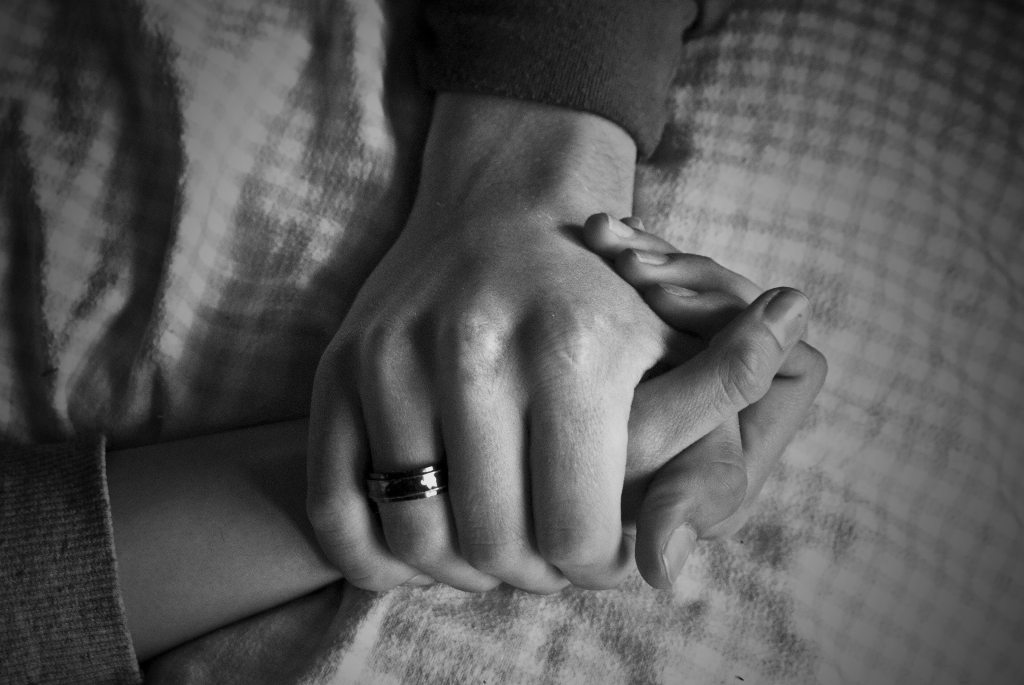
The truth is, we’re more connected than we think we are. Or at the very least, we’re more connected than we allow ourselves to notice.
So if we’re more connected than we think we are, I suppose the question becomes: How will we be connected? How might we act on those connections, even the ones that seem far removed from our everyday experience?
What about immigrants who were deported, not to their countries of birth but to a third country? How will we be connected to them?
What about women, men, and even children in prisons and detention centers? How will we be connected to them? How will we engage those connections?
What about families sleeping outside? Or people who have experienced horrific earthquakes? Or people who don’t know where their next meal will come from? Or people who have lost their TPS status and now have to check in and wear ankle monitors while living under house arrest?
How will we be connected?
–If any of us is feeling alone and wondering whether we’re being thought about, almost certainly we are. A friend recently shared a really meaningful article about a family that experienced reconciliation after a long estrangement. At times, the writer wondered whether members of her family were still thinking about her. After they reconnected, she learned that they had been thinking about her often all along. If we’re feeling alone, we’re almost certainly being thought about.
–And if we feel that we have an abundance of connections, if we feel well supported, maybe we have more than enough to find ways to act on those connections that seem far away or outside our everyday experience.
If we’re more connected than we think we are, perhaps we could live into a vision of greater solidarity.
Maybe we could enact our greatest values.
Maybe we could take care of one another.
—Renee Roederer

