Yesterday, I told this story to a friend, so I thought I’d share this post once more. Also, I hope you got to eat some mashed potatoes on Thanksgiving. 🙂
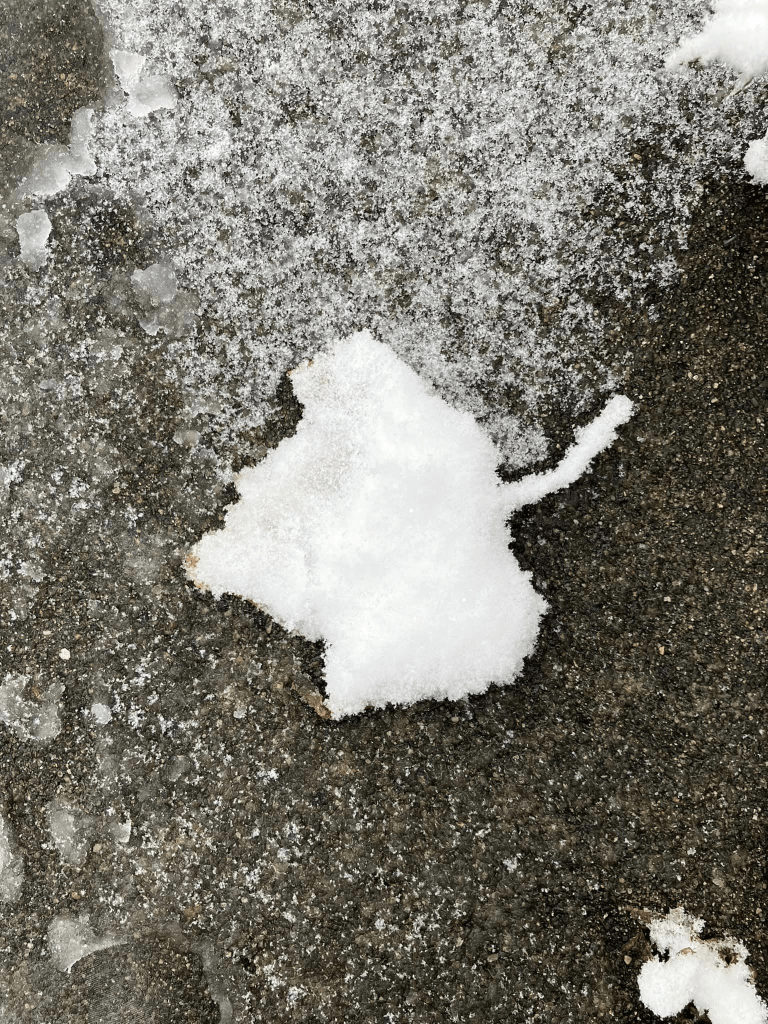
First Snow


A Reminder

You are loved as you are.
You’re
worth it.
fabulous.
Not when you,
Not if you.
You, right now,
Loved presently,
Loved thoroughly,
Loved wholeheartedly.
Worth it.
Fabulous.
Parables
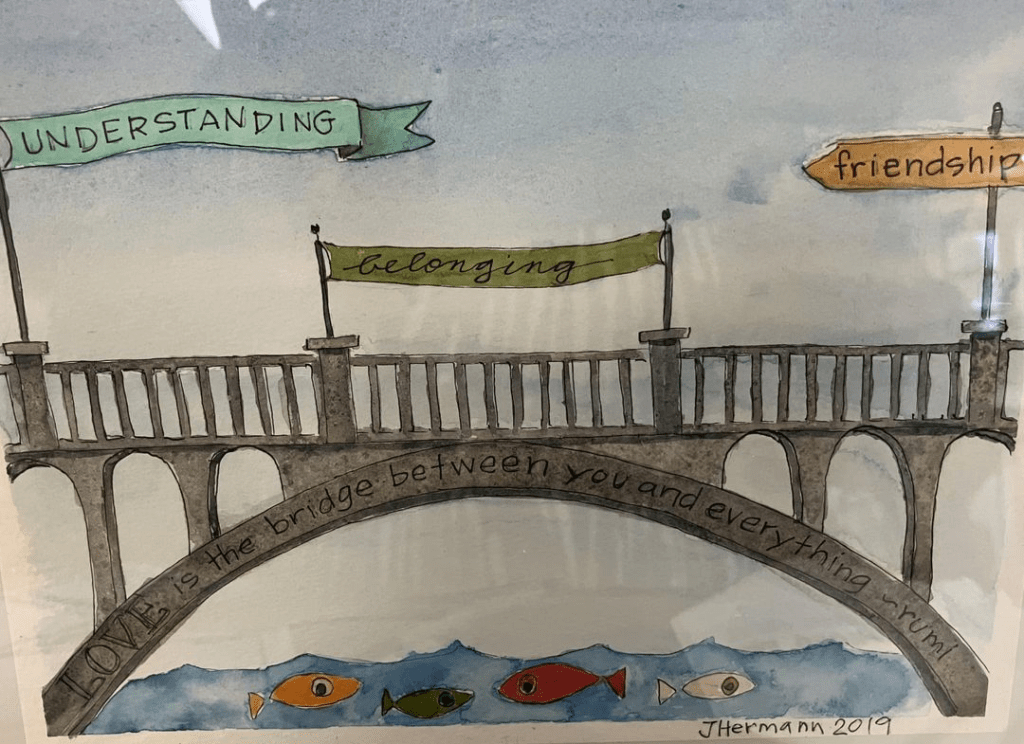
Once a month, I have the privilege of leading a Sunday morning service at a local church among a community called Parables. This community centers the needs of disabled and neurodivergent community members. I have loved building friendships with this community.
Recently, as I began my time to speak, I read Matthew 7:3-5, where Jesus asks pointed questions about judging others: “Why do you see the speck in your neighbor’s eye but do not notice the log in your own eye? Or how can you say to your neighbor, ‘Let me take the speck out of your eye’ while the log is in your own eye?'”
After reading that, I asked the gathered community, “As you heard that parable, was there anything that you noticed? What did you hear? Did anything stand out to you?”
Someone spoke up,
“L is my best friend. I know that even if life gets hard, L is always going to be one of my best friends.”
That wasn’t the answer I was expecting, but it was the right one. L was there too, and she smiled when she was affirmed.
We never know what someone will bring to a passage, how they’ll hear it, or how they’ll apply it. But isn’t this response just as valid as a comment about what’s in the text itself — i.e. what it literally says? Somewhere within it, this is what it meant to A, the person who answered. And love was lifted up.
In that moment, it was a great answer.
—Renee Roederer
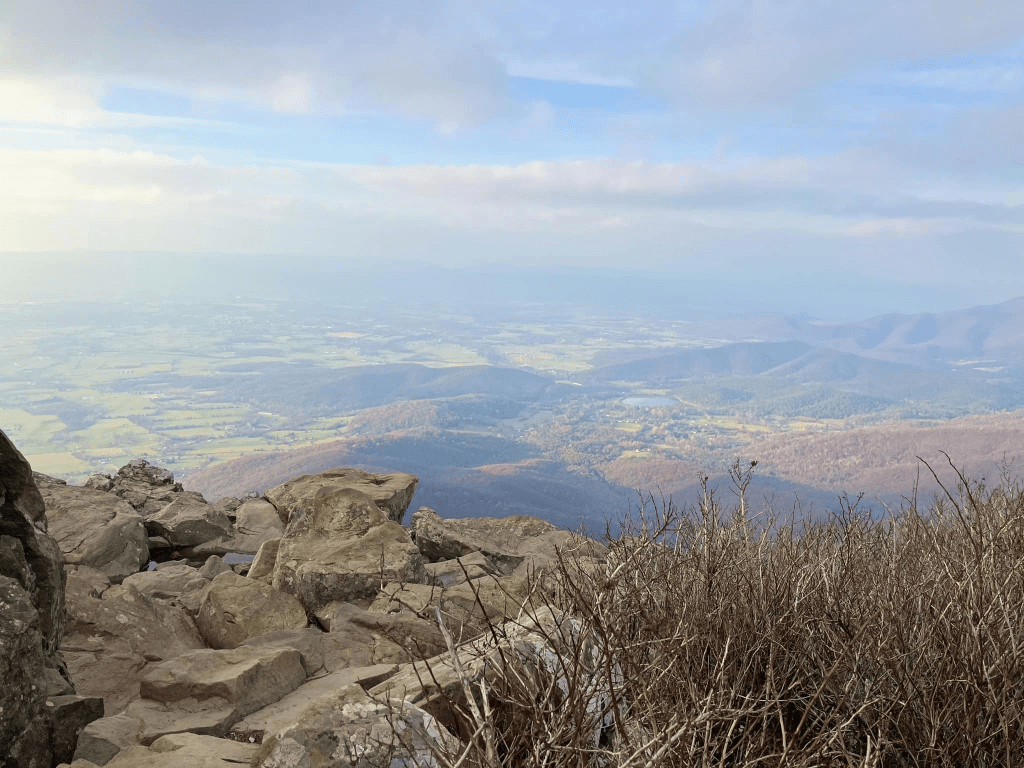
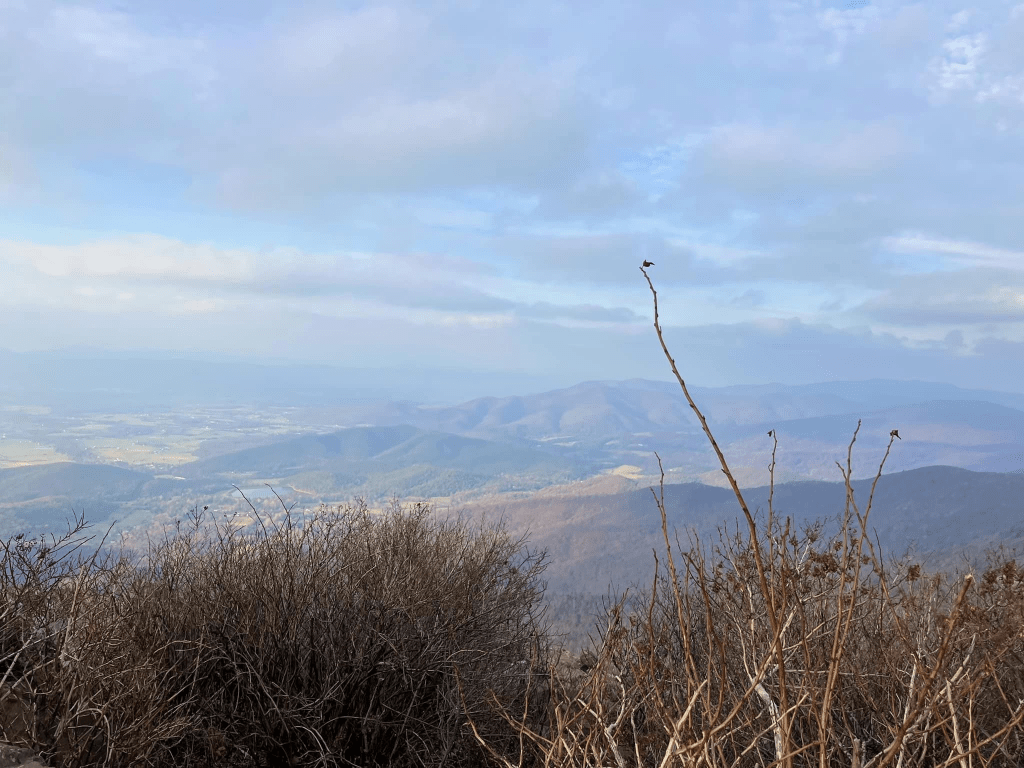
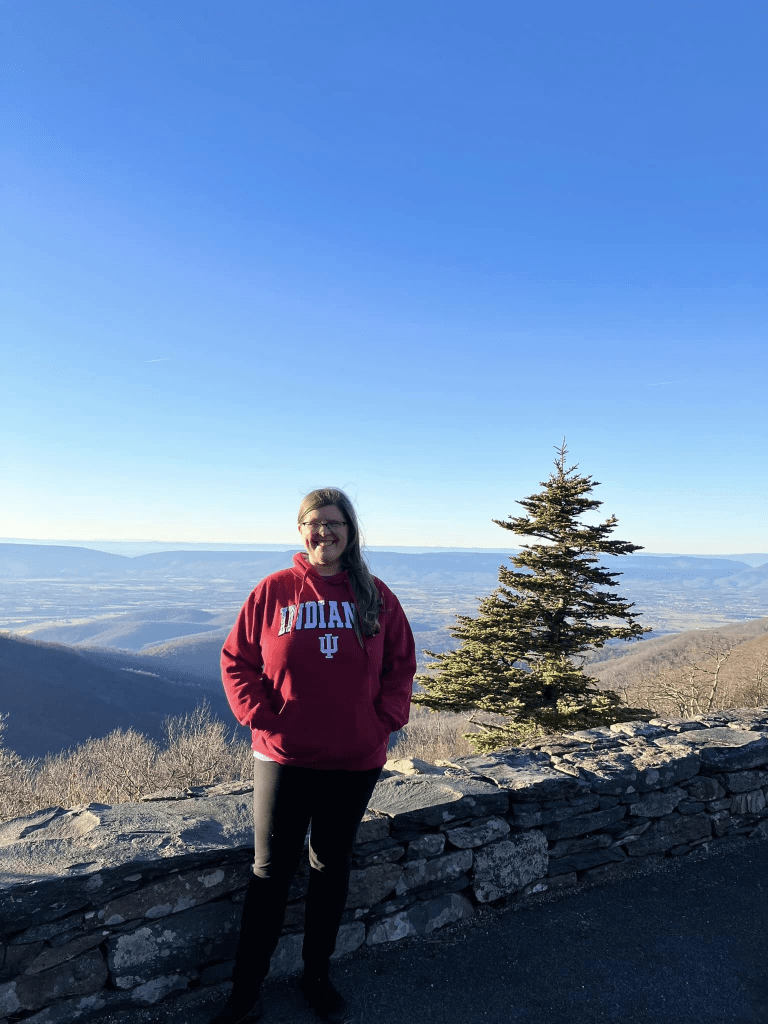
This Week in Nature: Shenandoah





Peace and Justice

Over the weekend, I had the opportunity to attend the annual November gathering of the Interfaith Round Table of Washtenaw County which was titled this year, “Together We Heal: Interfaith Gathering for Peace and Unity.” It moved me deeply.
The gathering was hosted by the First Unitarian Universalist Congregation of Ann Arbor, and we heard music and moving speeches by members of Muslim, Jewish, Hindu, Christian, Baha’i, and Unitarian faiths. Front and center, was concern over what is happening in Gaza and Israel. I found the event to be comforting and challenging, both in the best ways, as people were moved to act, speak authentically of convictions and collective shortcomings, and care deeply for one another. It was real; it was transformative.
I kept thinking… If we want peace and transformation, we have to create those kinds of moments at every step of the process, not only as an end goal. If we want to see justice, freedom, and end to violence, that takes also confession, reflection, and action right here.
Interfaith dialogue provides community spaces and conversational frameworks to do meaningful, life-changing work.
—Renee Roederer
This Leafer Pup Makes Me Feel Oxytocin
Every Day, You Affect 8,000 People

Do you ever find yourself wondering, “These things I’m doing. . . Do they really matter? Do they make any difference?”
The answer is a resounding yes.
On average, each person on the planet consistently affects 8,000 people every day.
I learned this from a tremendous book. It’s called, Connected: The Surprising Power of Social Networks and How they Shape Our Lives by Nicholas Christakis and James Fowler. In the book, Christakis and Fowler conduct intriguing scientific research on social networks to discover how they connect us and affect us. I find their conclusion to be stunning: Daily, our actions, thoughts, and emotions impact others. That’s where this number comes from: On average, we affect approximately 8,000 people every day.
How did they calculate this number?
Christakis and Fowler have discovered that on average, each person knows twenty people well enough to invite them to a dinner party. If those friends then know twenty people to the same degree, and then those friends know twenty people to the same degree, we are talking about 20 x 20 x 20 = 8,000 people.
We are relationally connected and deeply embedded in these relationships. Their research revealed that we affect and are affected by our friends’ friends’ friends in social and emotional contagions. Even if we don’t directly know these people three degrees away, we are consistently impacting each other every single day of our lives. That’s astonishing.
Christakis and Fowler discuss the ways that our actions, thoughts, and emotions impact others. When we feel joy, calm, stress, or anxiety, we often pass our emotions to one another in contagion. Sometimes, this happens as quickly and simply as seeing someone’s facial expression. The mirror neurons in our brains fire to make a similar facial expression, and then we feel a similar emotion too. This can happen with fear. It can also happen with a smile. These are truly contagious.
So, if we have the ability to impact a social network as large as 8,000 people pretty unconsciously, what is possible if we consider this consciously? How can we positively affect our social network with acts of compassion, advocacy, and solidarity?
This raises impactful questions as well:
–How can we positively affect our social network through our own self-care and personal, spiritual practices? These enrich us, but they can also add wellbeing to the whole. We are deeply connected to others. We can truly have an impact upon 8,000 people.
— And, of course, what is possible when we combine our efforts? What is possible if we show up in person and express solidarity, care, and support? What contagions of change can we build when we are working together?
All of these actions launch social contagions of connectedness and change.
If you doubt your ability to affect things, please know that these matter. Everything you’re doing definitely matters.