Good morning Good morning from this baby bunny bum. 
This is Thelma, my baby yard-bunny, and this was the first thing I saw upon walking outside my house. Then she hopped over to the driveway.
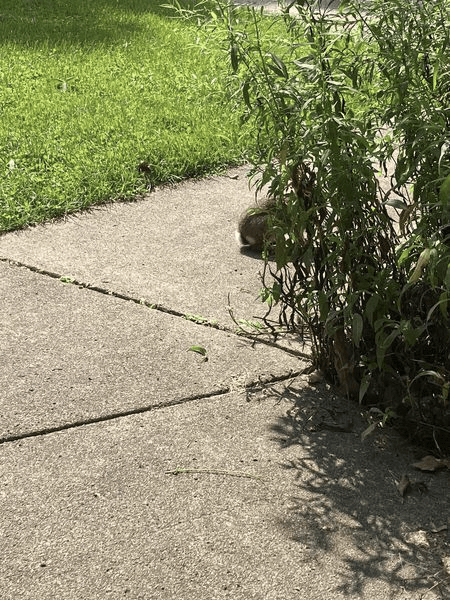

Good morning Good morning from this baby bunny bum.
This is Thelma, my baby yard-bunny, and this was the first thing I saw upon walking outside my house. Then she hopped over to the driveway.

Many years ago, I worked in a context where everyone worked with their office doors closed. There may be many reasons for this — needing quiet, having a place to focus, or other kinds of needs entirely. That context was filled with lovely, supportive people, but this happened to be a very stressful period of time in our collective history. Some part of me wonders if we all kept our doors closed because stress pheromones were constantly floating through the air in that space.
Anxiety can function like a contagion. We can pick up on the anxious energy of others through body language and yes, even pheromones. We may also be anxious about similar concerns, and someone’s anxiety may evoke our own. That same anxiety in a person or community may also trigger older, stressful storylines from our lives. The anxiety can grow.
Sometimes, we need space alone or in small groups of non-anxious (at the moment) people so we can ground ourselves again and regulate or co-regulate our nervous systems.
In a remarkably anxious period of time, it is okay and helpful to take that space, both for ourselves and for the collective circles of people we love.
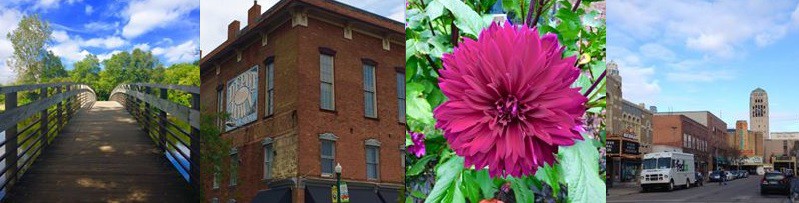
Here are some of the best images from my time in Northern Michigan. I’m back home now and still reflecting on this time, which was purposeful, restful, and adventurous (grateful!)





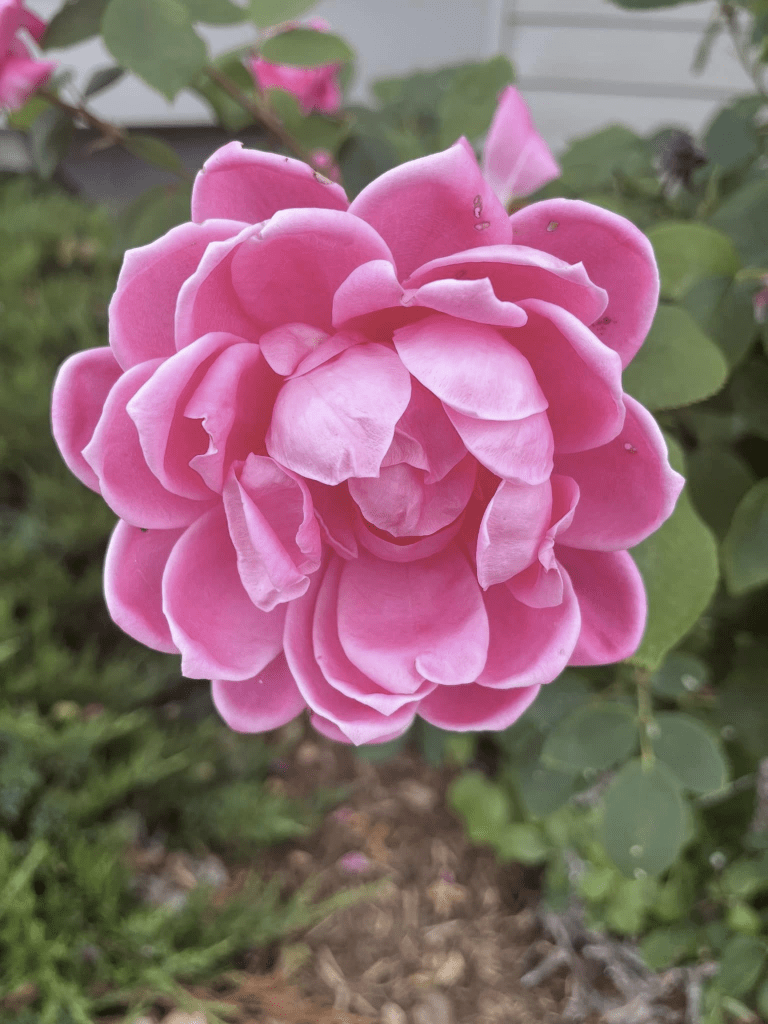

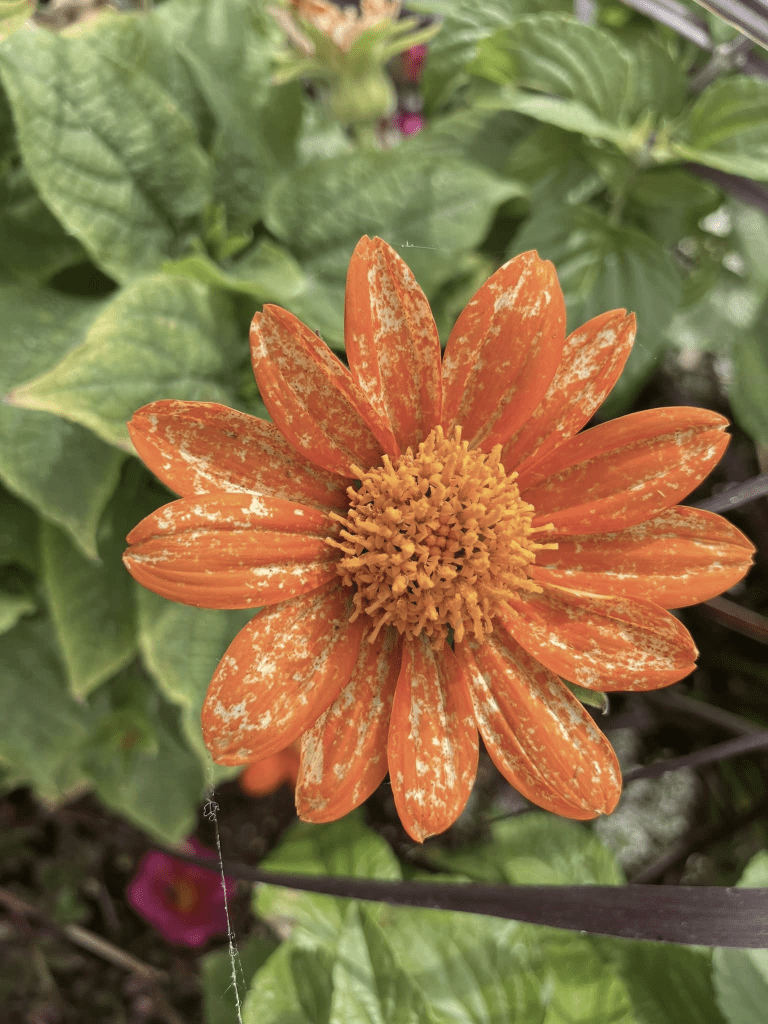




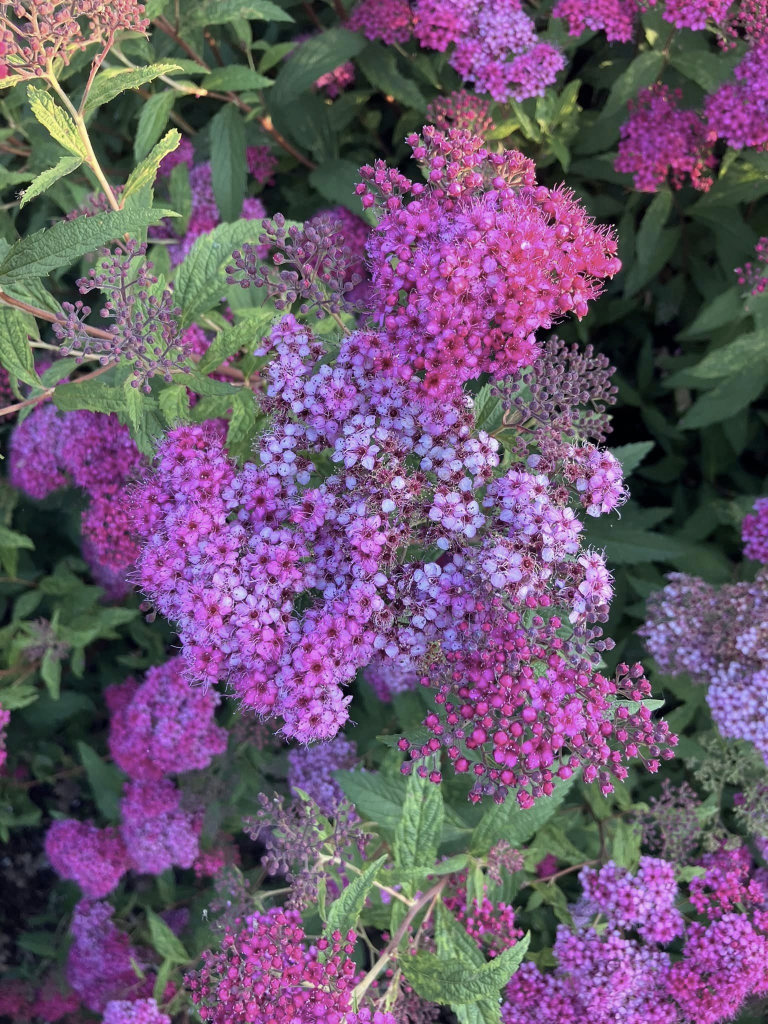


-Photos by Renee Roederer
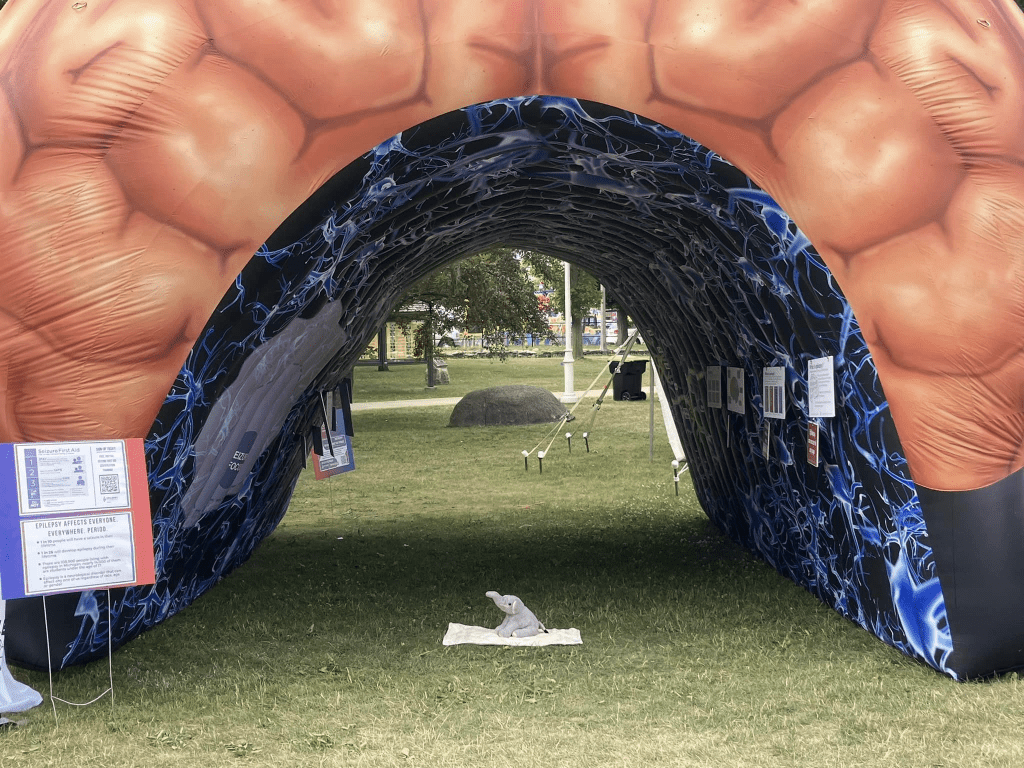

🙂
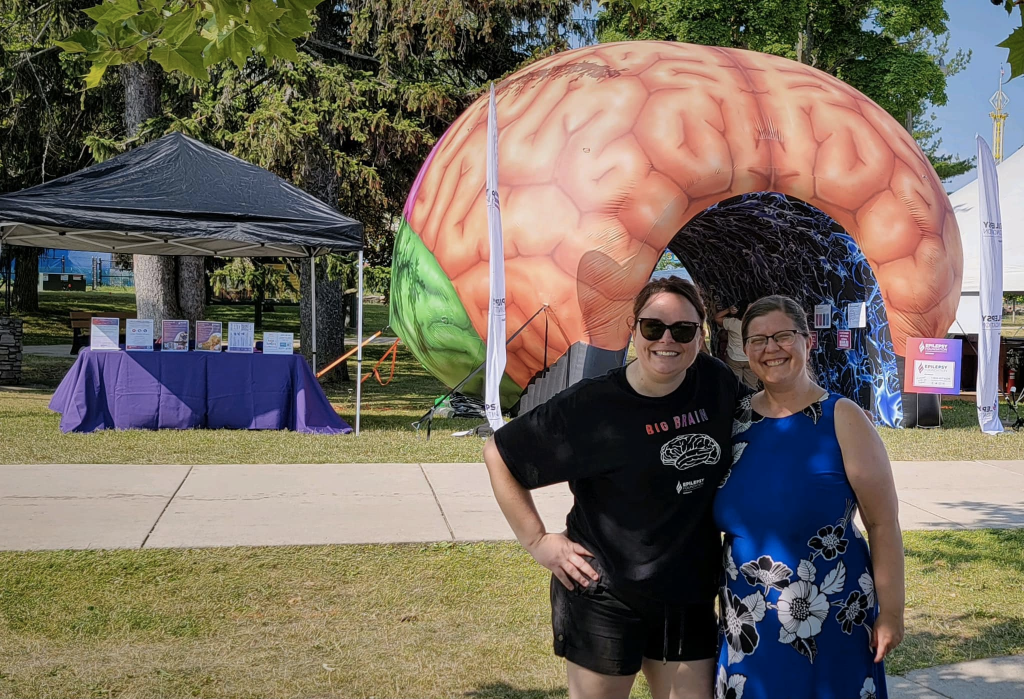
As you’ve probably noticed from my other posts this week, my treasured friend/workmate and I are in Traverse City at the National Cherry Festival representing the Epilepsy Foundation of Michigan with our Big Brain!
This is such a fun, educational tool, and we had our first full day yesterday. We invited people inside — though honestly, most people approached it themselves; it’s big and puffy! — and we had incredible conversations with the gathered community. We laughed. We affirmed the crafts that kids had assembled at a nearby booth (lots of kiddos were carrying wooden boats). We taught people about the brain, epilepsy, and seizures. We gave hugs. We cried with some people. And in ways that were most touching, we witnessed people discovering themselves represented:
“I’m so glad you’re out here. My sister has epilepsy and is having brain surgery next month.”
“My daughter and I both have epilepsy. The schools need to learn how to care for children who experience seizures.”
“I was just diagnosed. When I see this, I don’t feel alone.”
“Can you help me learn how to care better for my best friend?”
We watched something else happen too: Parents walked into the Big Brain with their kids, and they became the educators. They used the signs to teach their own children about epilepsy.
We loved overhearing this.
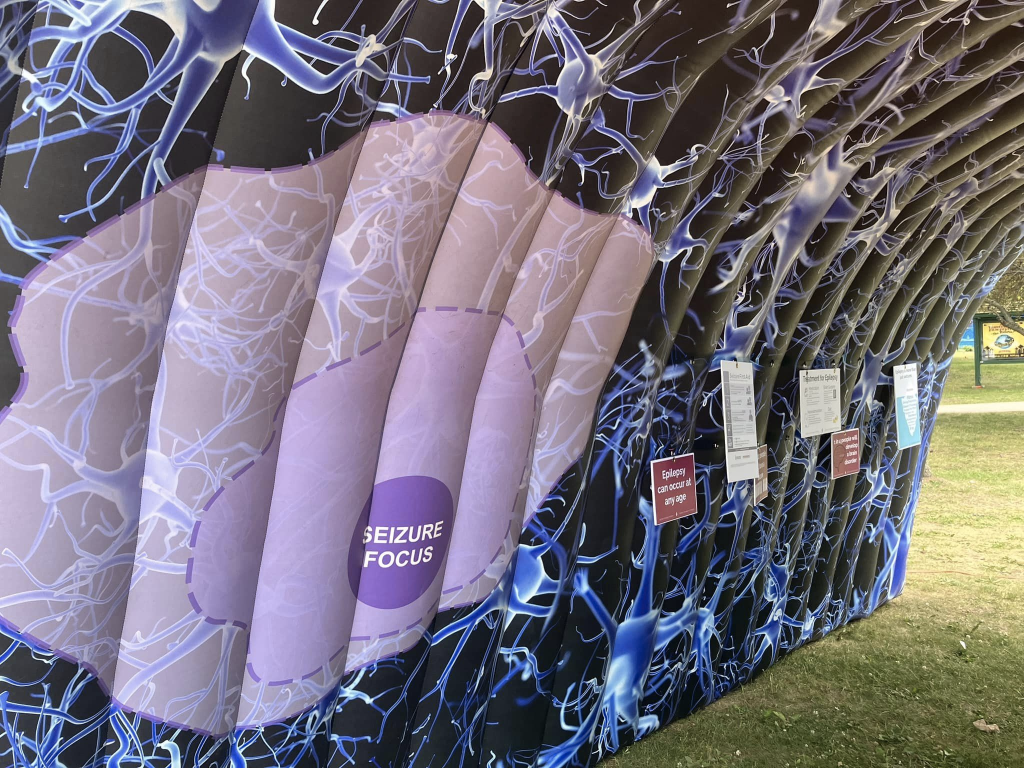
The Big Brain is such a wonderful tool because it allows us to teach people, and it allows people to see themselves and their needs represented, cared for, honored, and celebrated. But it also creates space for people to teach each other.
So friends, whatever you’re doing, and whatever you’re creating — undoubtedly, something different that traveling around with a Big Brain — I also want you to know,
Sometimes you do the work, yes, but sometimes, you simply make space for the work. People walk into that space and join you, and it grows much bigger.
— Renee Roederer
Photos of the Big Brain.




I am in Traverse City, Michigan all week with a dear friend and colleague as we do some grant-funded work together (I am grateful for every part of this sentence). Last night, we drove the length of the Old Mission Peninsula, which has spectacular views of Lake Michigan, wineries, and cherry trees. It concludes with a lighthouse and a beach. Our time together felt magical as we took in that scenery, listened to music, and felt the wind move through our rolled-down windows.
The best part, undoubtedly, was our time at the beach just beyond the lighthouse. The water was pristine with much smaller waves, tempered by the land that surrounds the bay. Up close, the water was so clear. Casting our gaze outward, there was a full vision of vibrant blue as the lake met the horizon of the sky. I ventured fully into the water, which was surprisingly warm, and I could walk out far because the water was so shallow.
Later, I took a walk along the shore of the beach, and when I did, a large rock in the water caught my attention. I was drawn to it because it was, at once, a mixture of something stationary and something dynamic. The gentle waves rolled over it continually and initiated ripples in every direction.
I thought about how this happens every moment of every day. The ripple rock does nothing. It’s still and stationary. But its presence makes this happen.
Often, people have impact by being themselves steadily — not always through their doing, and certainly not through their over-doing — but by being who they are uniquely, grounded, particular, and present.


A couple times per year, I like to pause to say thank you for following here at Smuggling Grace. I appreciate you taking the time to connect here, and as always, thanks for engaging too. I enjoy reading and hearing your comments virtually on the platform, in emails, or during real time conversation. Thank you!
And I’m always happy to expand the audience as well. Do you know anyone who might enjoy connecting with this blog? If so, feel free to pass it along. The more the merrier!
At $2, $5, or $10 per month, you can also amplify this work by supporting me on Patreon. Or! You can tip me with a coffee! Because boy do I like a cup of joe. (LOL, I accidentally typed ‘cup of joy’ first — see?) Both of these are always great gifts, but are never expected. I appreciate you being here.
And I wish you a wonderful day.
Thanks for engaging in community with me!
–Renee Roederer
I love to wake up early, sit in my little nook room on a couch near a fireplace-looking space heater, drink some morning coffee, and have some time to myself. I truly love it. I am an extrovert, and I do care work. I spend so much of my day in communication with people, hearing their big needs and personal celebrations, and I do this joyfully.
But I also love this early morning window of introversion. I need it. It’s necessary.
What is your sacrosanct downtime? What does it look like? What do you do? What do you not do?
In my last post, I shared that I was feeling like a grump because of the five-day air quality alert, and that I was missing outside. We’ve been sharing in the smoke from the Canadian wildfires. (Thinking of people there most of all).
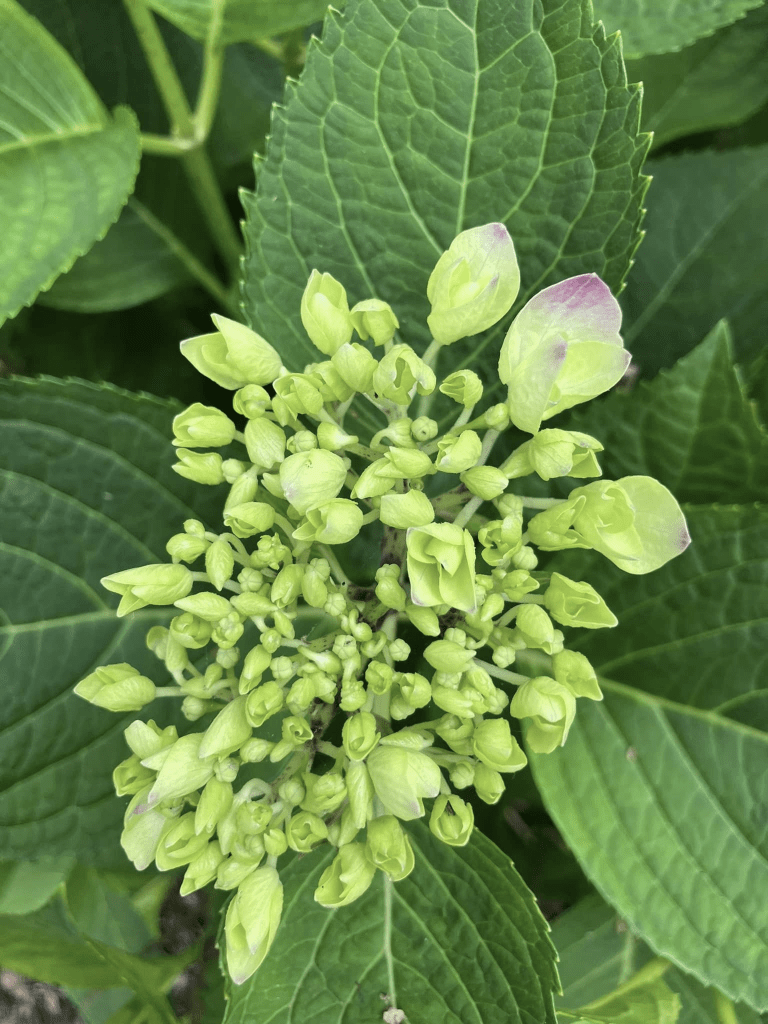
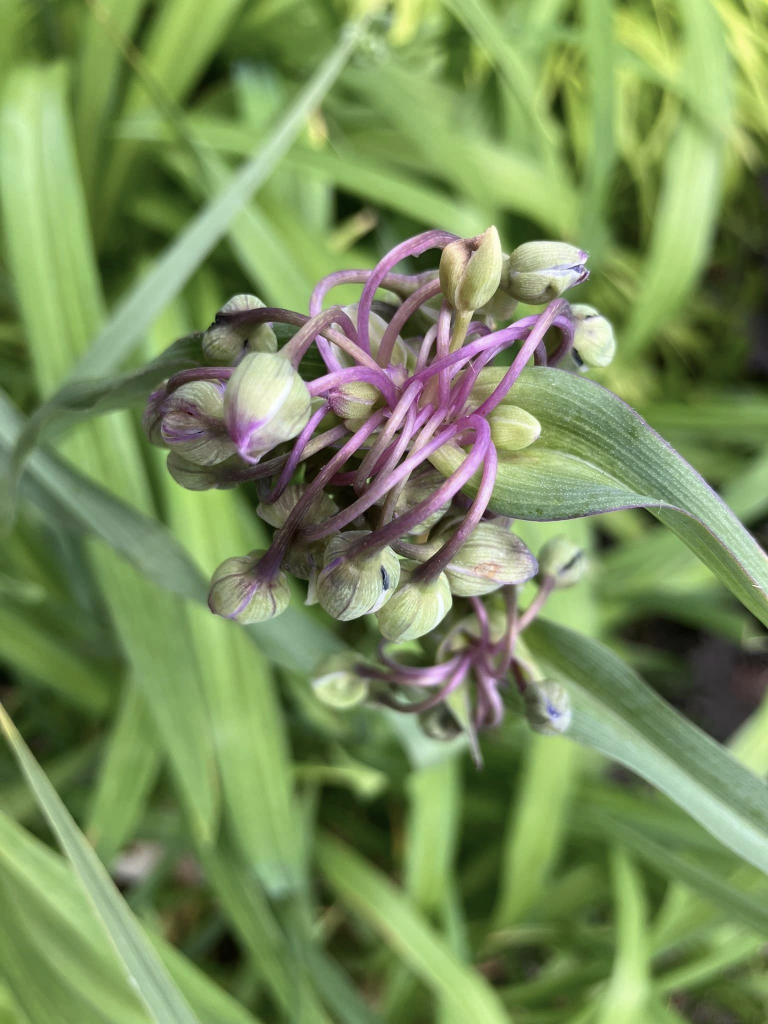
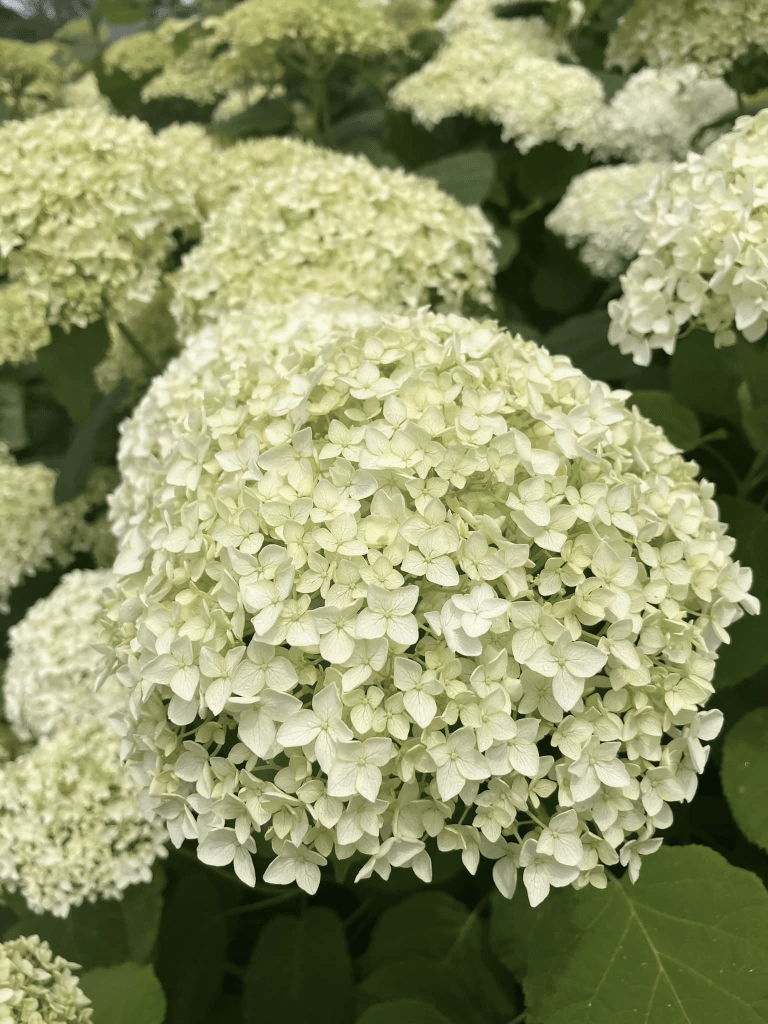
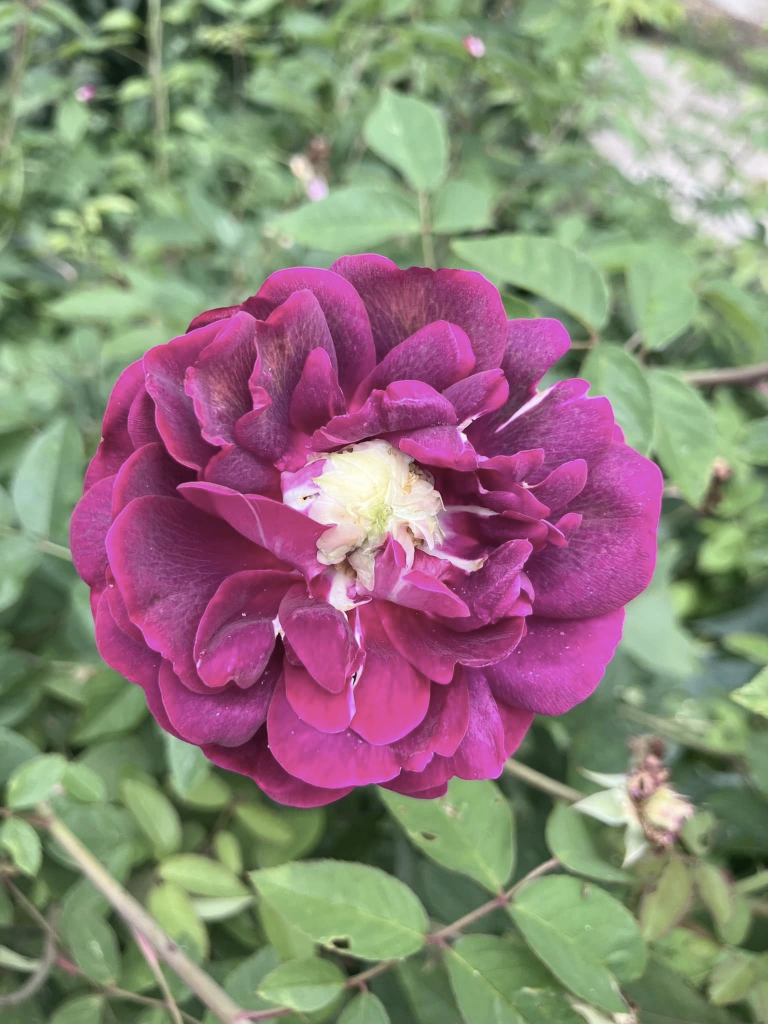
I’m grateful to say that in my neck of the woods, the alert has lifted. I’m back outside, and so happy!
See?





-Photos by Renee Roederer

