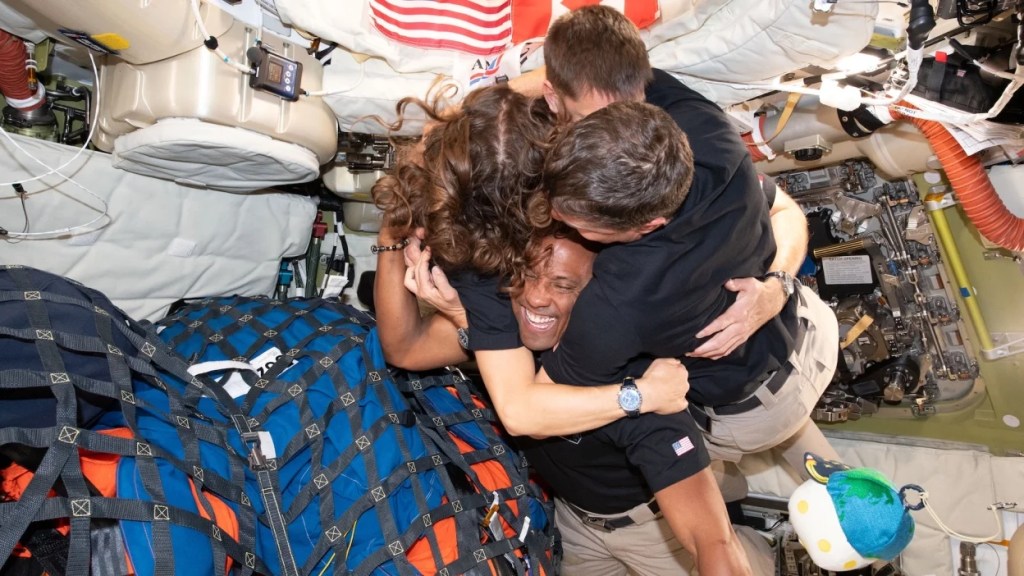
The crew of Artemis II, all hugging in zero gravity. NASA.
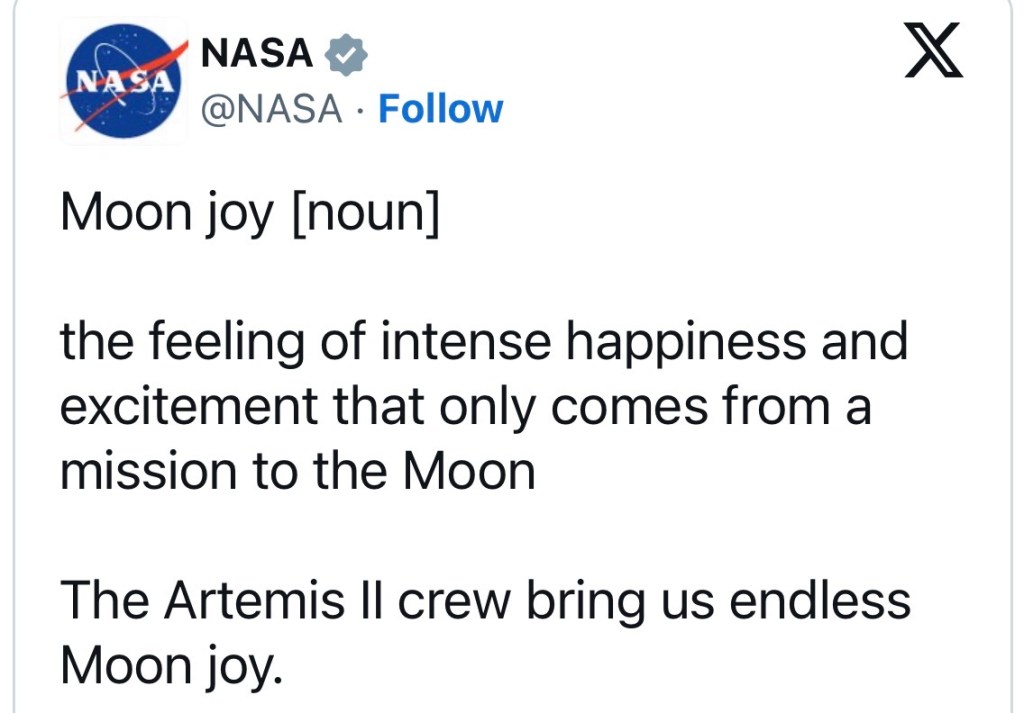
Text: A post on X from NASA: Moon joy [noun] the feeling of intense happiness and excitment that only comes from a mission to the Moon. The Artemis II crew bring us endless Moon joy.
IIs anything giving you joy right now? A little burst of glee?
By the way, it’s okay if that’s not your reality at the moment. Goodness knows, our collective reality contains many layers of struggle.
But what if it’s a tiny thing? It doesn’t have to be a swell of “to the Moon and back.” Maybe it’s “to that cup of coffee and back.” “To that phone call with a friend and back.” “To the adorable thing my grandchild said and back.” “To a delicious enchilada and back.”
Cultivating space for joy — or frankly, allowing it to surprise us — can be an act of resistance. And our joy can create space for others, too, compounding their own little delights.
So if you’ve got it, even something small, let it have its own gravity.
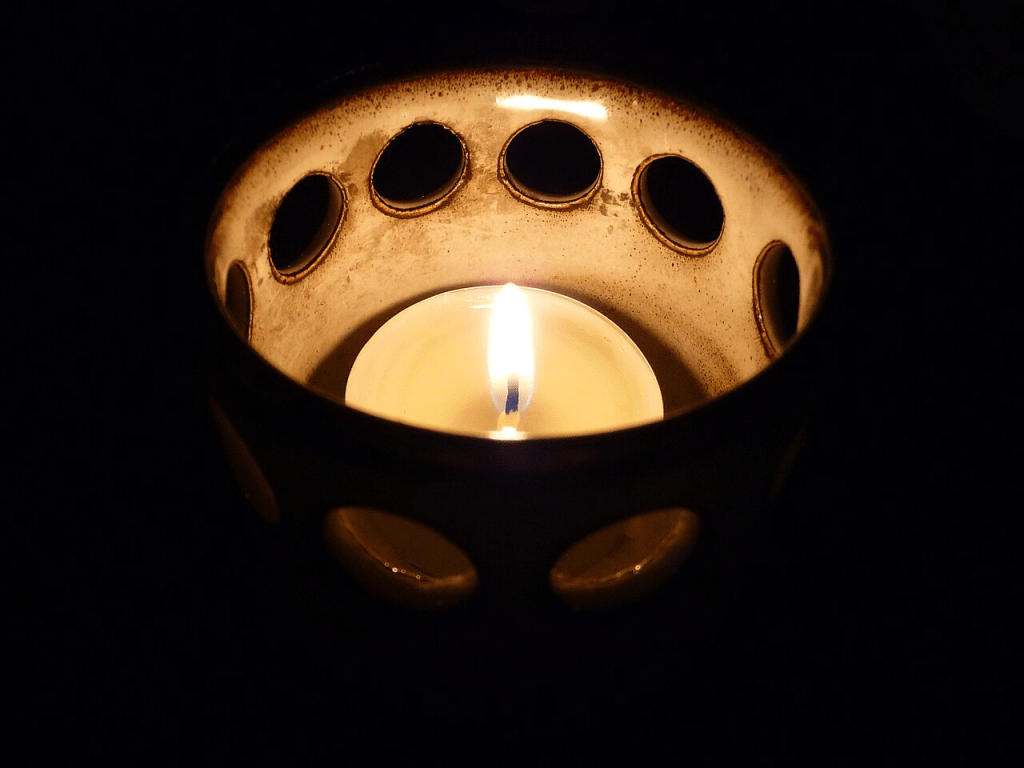
A tealight candle in the foreground with others in the background.
Over the weekend, Washington Post reporter Meryl Kornfield shared details from a report created by Jeremiah Schofield, a former senior executive at the Social Security Administration who is serving as a whistleblower. He reported that officials from DOGE had developed a plan to force immigrants to self-deport by using Social Security records to declare 2.7 million of them dead. This included U.S. citizens and lawful permanent residents. Doing so would have cut them off from wages, banks, benefits, and other financial systems. The idea was that if people were erased electronically, they would either leave the country or go to a Social Security office, where they could then be arrested. Ultimately, the plan did not move forward, but at one point, 6,100 mostly Latino immigrants were reportedly moved into the Death Master File. [1]
Senator Andy Kim of New Jersey traveled back to Delaney Hall on Saturday, an ICE detention center in Newark, where he has repeatedly been barred from entering to inspect conditions and speak with detainees. Still, from the windows, women were waving to get his attention. They pointed to a woman lying on one of the beds in a fetal position, visibly unwell or in pain. This facility has one full-time doctor for approximately 850 detainees. [2]
In my state, there are reports that detainees in an ICE detention center have initiated a hunger strike due to poor medical conditions and barriers to accessing attorneys. There are also reports of people being denied life-saving medications that they need.
In the last couple of weeks, three women have died mysteriously at the Huron Valley Women’s Prison, which is near where I live. After years of complaints and advocacy regarding mold and poor conditions, many of the women living there are certainly distressed by these deaths. Additionally, Disability Rights Michigan, a statewide disability advocacy organization, reported in April that women in this prison were regularly missing meals and necessary medications because there were not enough wheelchairs available. Following that important investigative work by Disability Rights Michigan, the prison obtained more wheelchairs. But of course, for reasons that remain unknown, women are dying.
What is going on behind detention and prison walls? So many abuses remain out of view.
I was recently thinking about what Holocaust survivor Elie Wiesel recounts in his book Night. When a prisoner watched a young boy die, he cried out:
“For God’s sake, where is God?”
Wiesel heard an inner voice respond:
“Where is He? He is there, hanging on the gallows…”
Many people may be asking the same question in these days. And certainly, many would answer that question in a myriad of ways, even as they hold different understandings of what we mean by God.
However we might approach that question, or wherever we may ultimately land, one thing seems clear to me:
If God is anywhere, God is in the detention center.
But for that conviction to offer any comfort — and certainly for it to lead toward liberation — we must also be there, or use our voices, or provide tangible support to those who fear being taken away and placed there.
How will we participate in comfort and liberation?
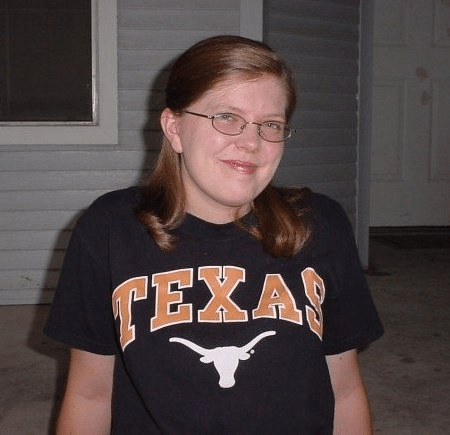
Younger me, smiling, on the verge of something new.
I don’t remember many details from the first morning I woke up in a new city after moving away from home for the first time.
Just one.
My graduate program had not yet started, and after arriving late the afternoon before, I was very much in the mode of getting settled in. But I have a vivid memory of one small detail.
I stepped outside into the heat of a very hot day and walked down the street toward campus. About three blocks from my apartment, I picked up a copy of the university newspaper. Given the temperature — one of my first days there included a heat index of 109 degrees! — I didn’t stay out long. I simply turned around and walked back home with the newspaper in hand.
Such a tiny excursion, but I felt especially alive in that moment.
I had Day 1 Energy — that awareness that I was standing at the very beginning of what I hoped would be a meaningful chapter of life. And it was. The next five years led to some of my favorite memories and introductions to people who remain among the most important in my life.
In your own way, have you ever experienced Day 1 Energy?
Maybe it was a move. A new job. A new marriage. A new baby. A degree program. A volunteer role. The details of the days have not yet been filled in. The rhythms, particularities, and meaning have not yet taken shape.
But you know they will. You’re at the beginning.
And all beginnings are connected to a variety of culminations and arrival points as well. People and events have led us to Day 1 Energy. Perhaps these moments feel so significant because we are unusually aware of standing at a threshold.
Sometimes, when we live in a place for a long time, we forget to enjoy the local landmarks and opportunities for fun that are right around us. We think, “But I can do that anytime.” Yet somehow, that time doesn’t always arrive or get prioritized.
Is there somewhere in your local area that you’ve never visited? Or perhaps it’s been a very long time?
Could this summer be an invitation to return?
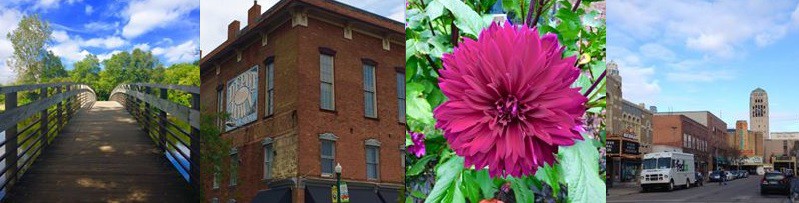
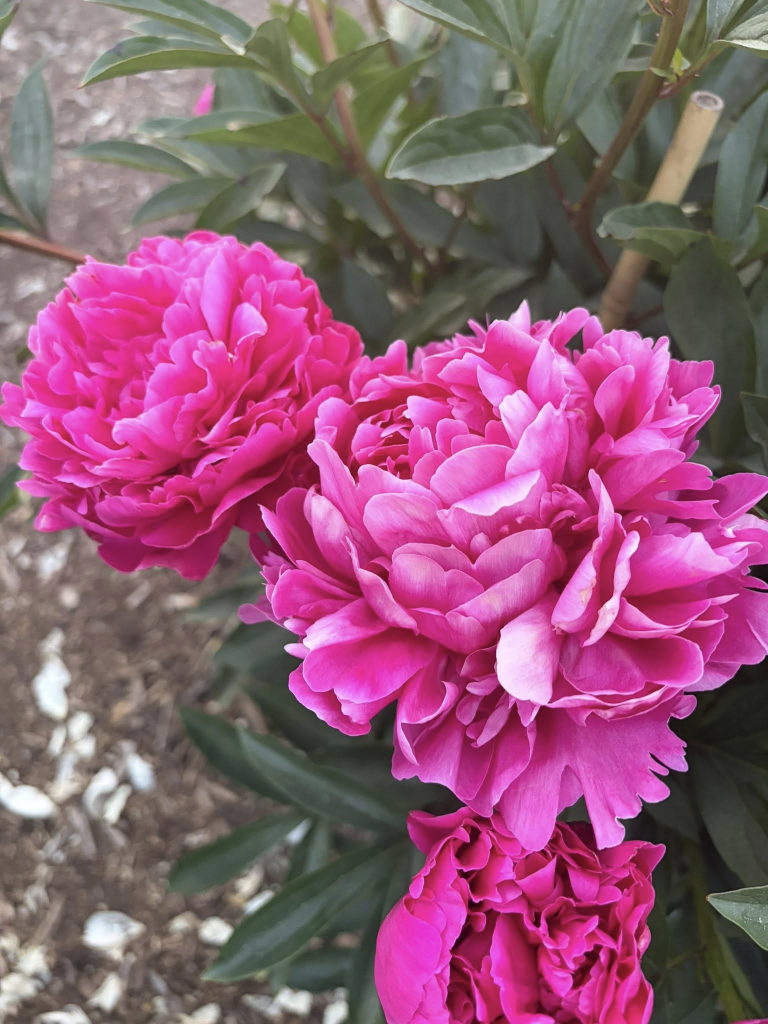
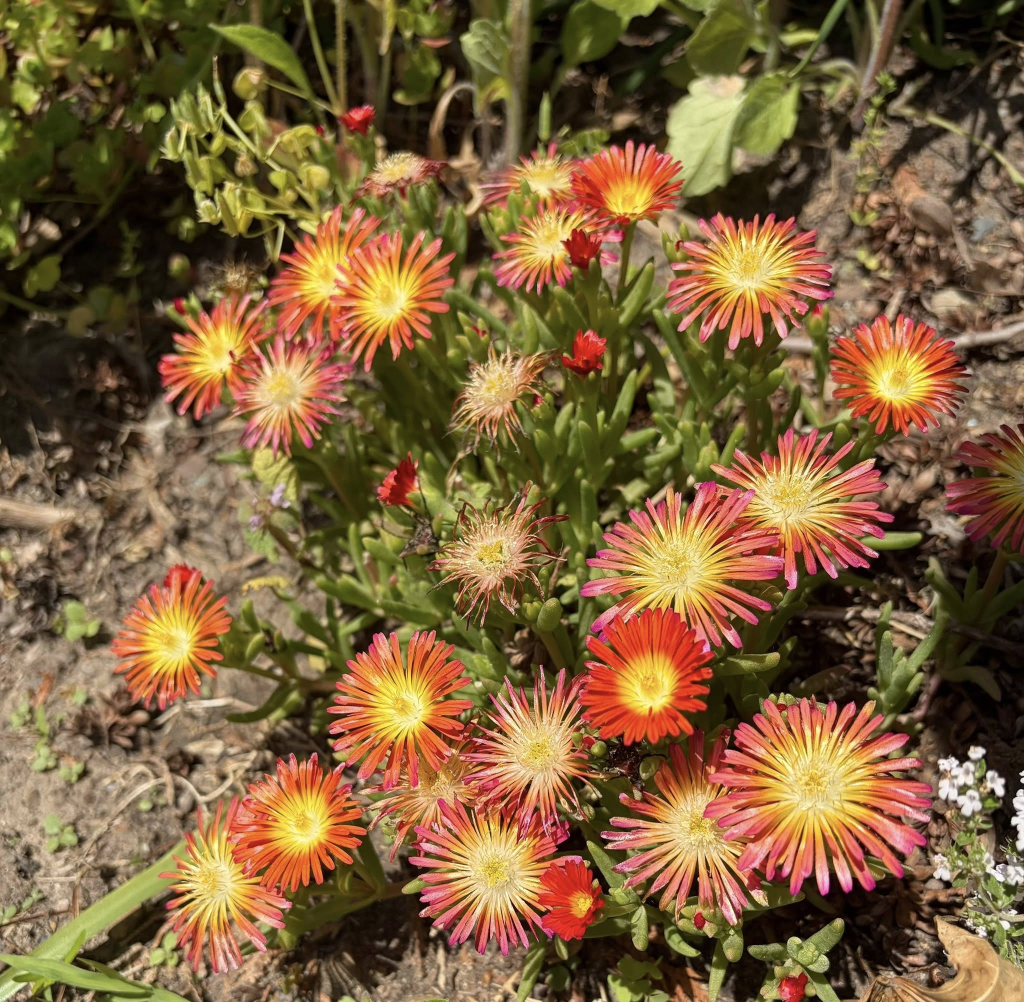
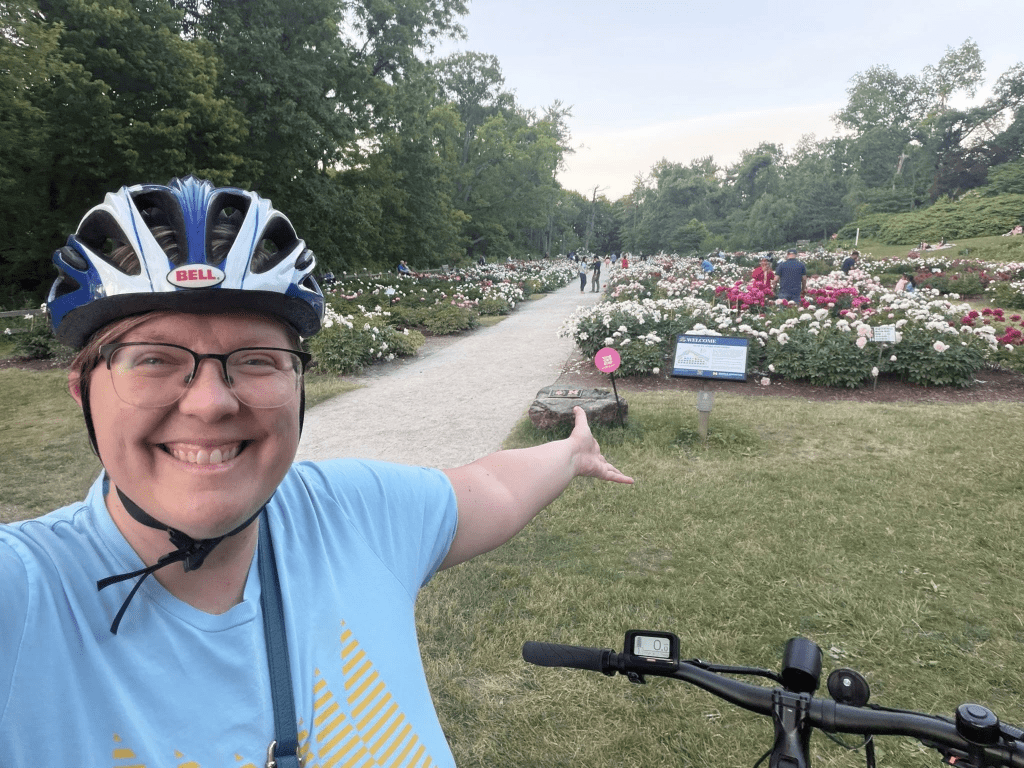
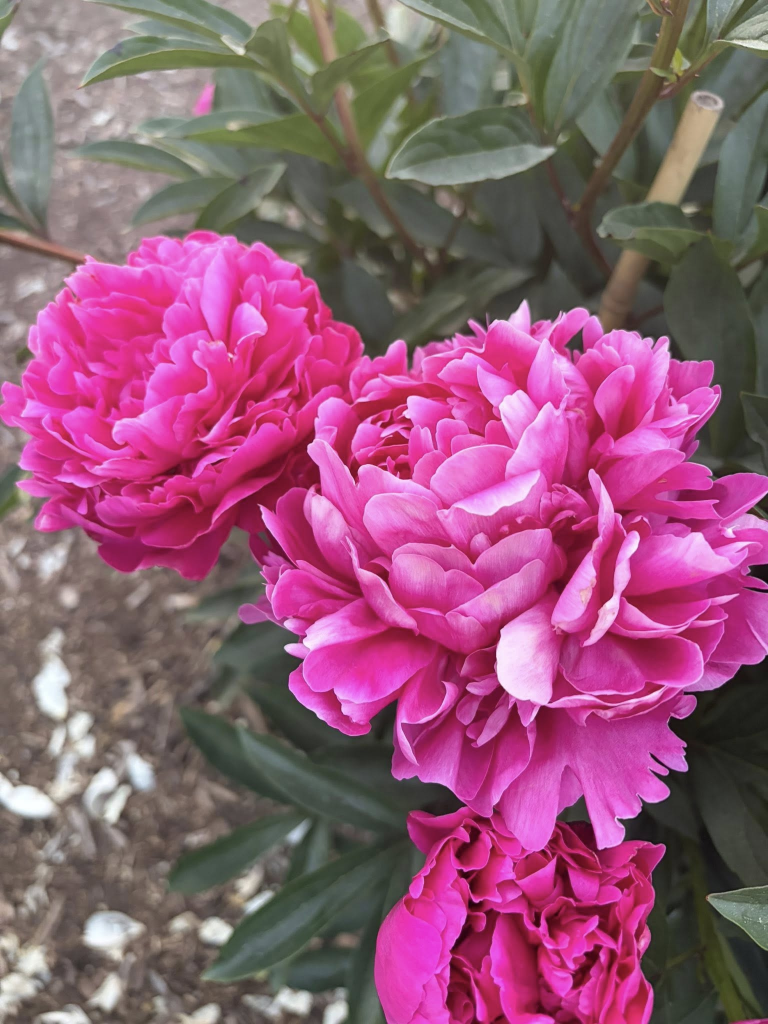
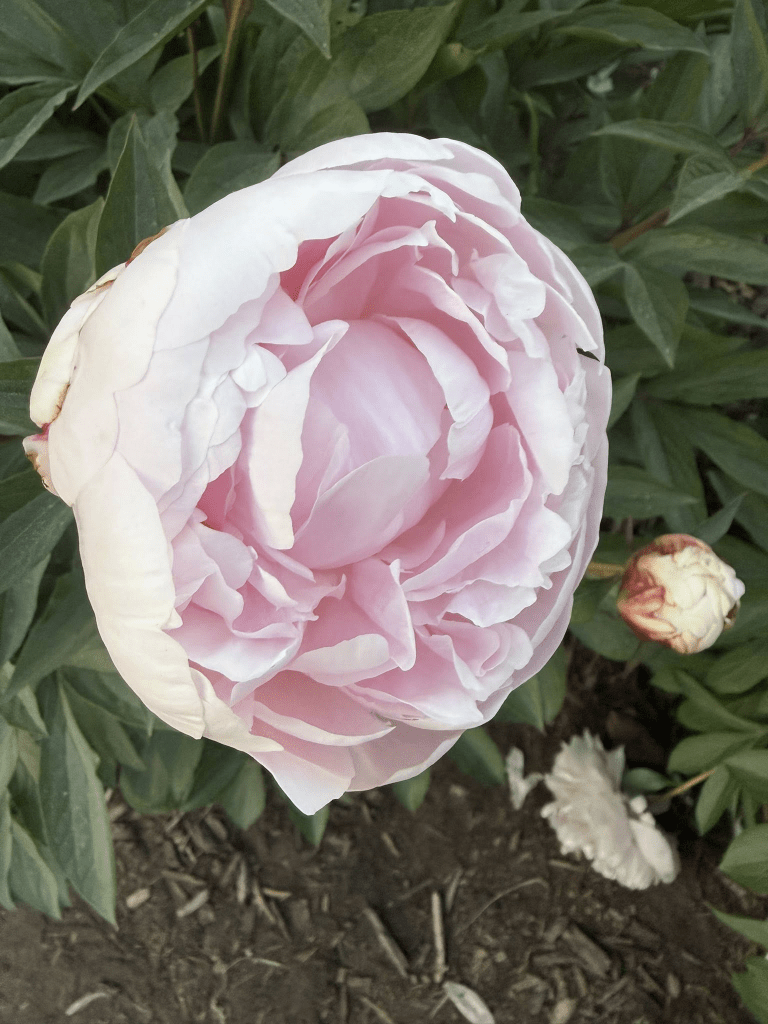
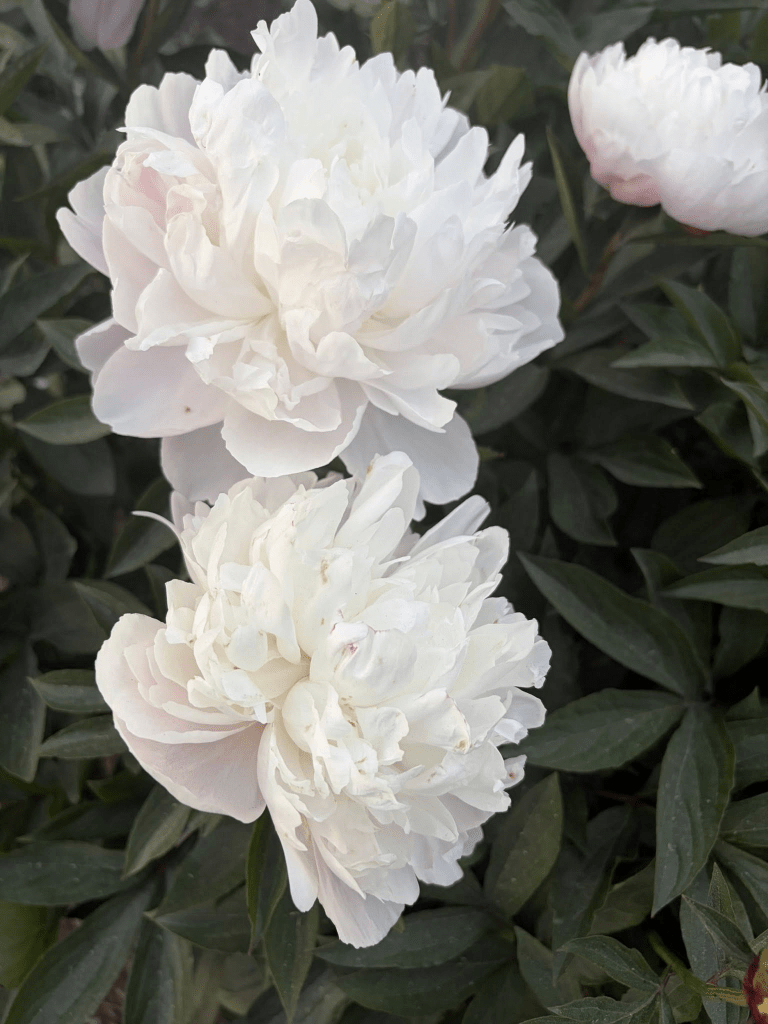
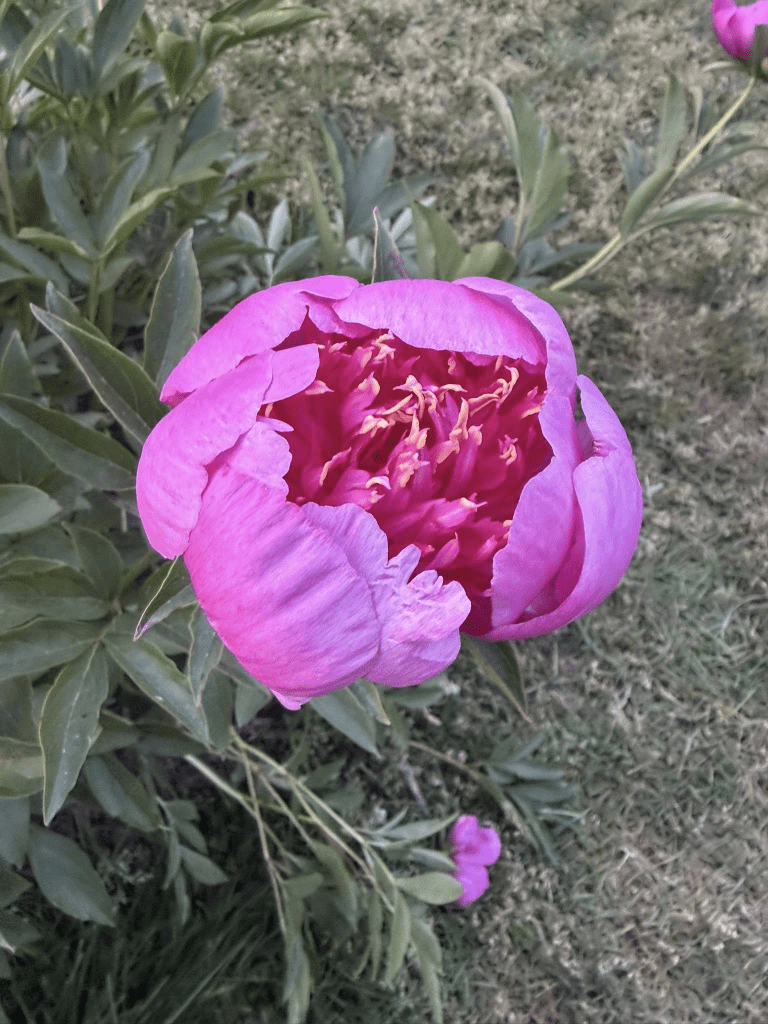
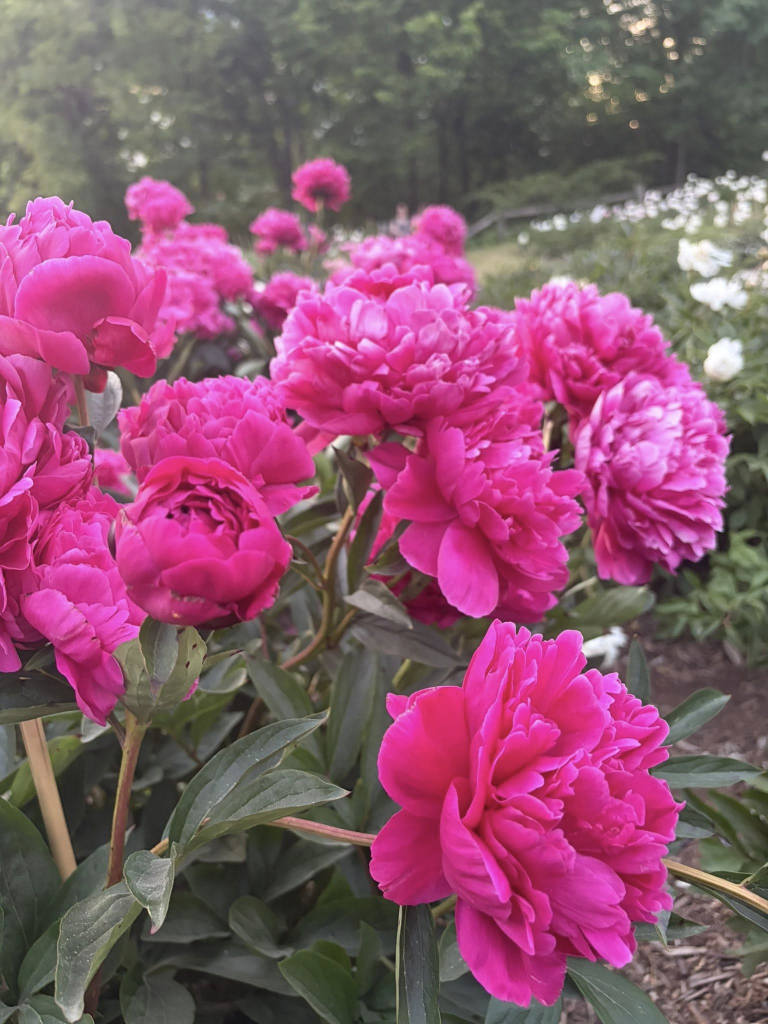
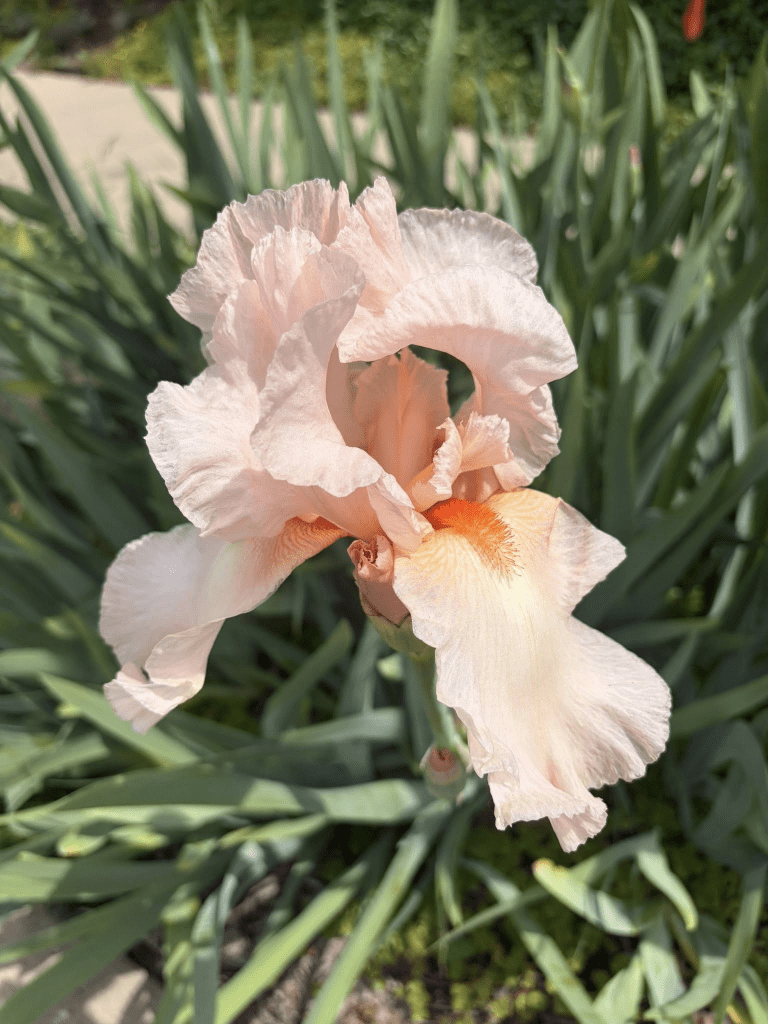
Here are a few photos from one of my local landmarks. I live near the largest peony garden in the world.
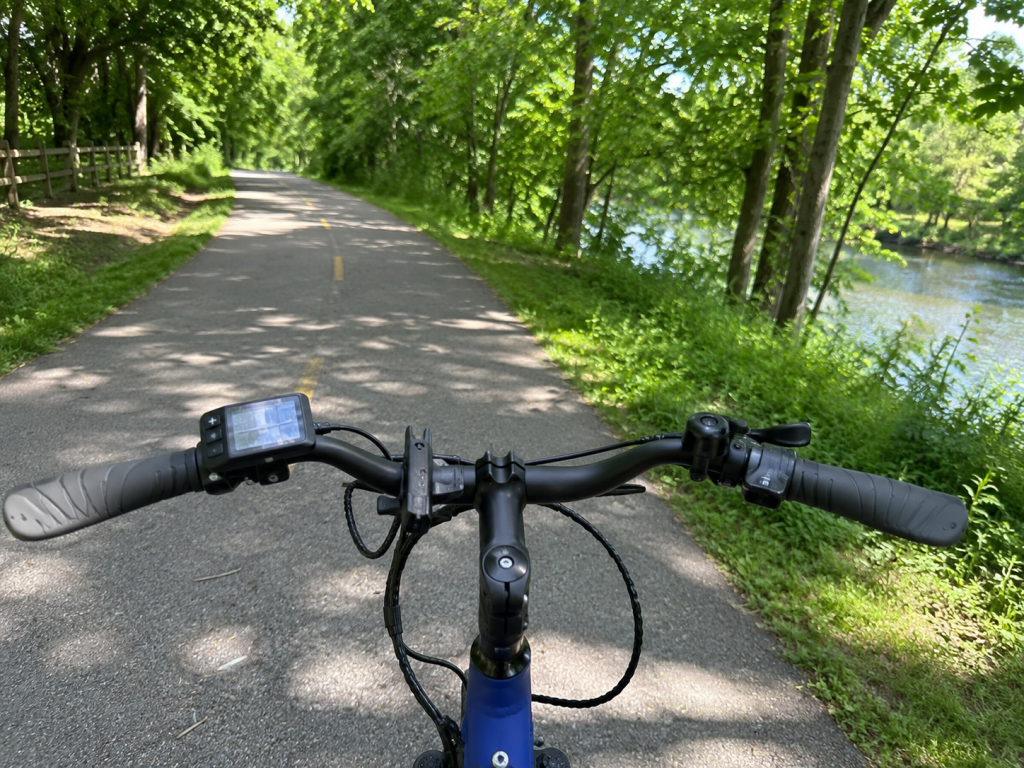
A view from a bicycle riding along a tree-lined path beside a river on a sunny day. The bike’s handlebars are visible in the foreground.
As a cyclist, I love those moments when I’ve built up enough speed — or a hill is building it for me — that I can simply coast.
I still have to pay attention, especially to where I’m going. But I notice that I pay attention differently. Whatever else I was thinking about tends to fall away, and I find myself simply enjoying my surroundings. I take them in more deeply.
In addition to the mechanics of it — no longer pedaling, only steering — it feels like a break that exists purely for enjoyment. It’s a chance to recenter myself on the recognition that I am riding my bike with nature in view. And I don’t need to do anything but this right now.
That’s a good personal lesson, too.
We can let easy things be easy. We can also create moments like these on purpose.
We were not made to be cogs in a machine. We are not more valuable because we are productive. We are not more worthy because we are efficient. (Many of us have internalized the opposite message — myself included.)
I recently encountered this quote from Pope Leo XIV’s encyclical Magnifica Humanitas:
“Among these ideologies, I consider particularly insidious the one that suggests that every person must earn or justify his or her own worth, to the point of attributing greater value to those who are more efficient and effective. From this perspective, persons end up being reduced to a means of achieving results, a resource to be used or exploited, and are no longer recognized as a proper end in themselves who should never be instrumentalized. The value of persons, however, does not depend on what they achieve or produce. There are rights that apply to everyone simply by virtue of being human, and no human power can legitimately deny or arbitrarily limit them.”
Sometimes the most meaningful thing we can do is remember that our worth is not dependant on any kind of output. That worth is intrinsic, whole, complete, and unchanging. We do not have to earn what is already ours.
Over the weekend, I had the privilege of hearing from a leader who has helped create a circle of care and advocacy for immigrants within a Catholic congregation.
She shared that they frequently pray this prayer together. It’s a reverse prayer of St. Francis.
Lord, make me a channel of disturbance.
Where there is apathy, let me provoke;
Where there is compliance, let me bring questioning;
Where there is silence, may I be a voice.
Where there is too much comfort and too little action, grant disruption;
Where there are doors closed and hearts locked,
Grant the willingness to listen.
When laws dictate and pain is overlooked…
When tradition speaks louder than need…
Grant that I may seek rather to do justice than to talk about it;
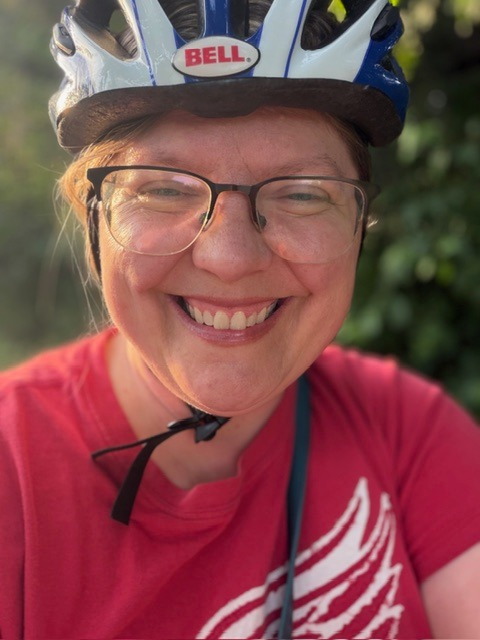
I am looking at the camera and smiling, wearing a blue and white bike helmet and a red t-shirt.
3,684.6 Miles Total
I bought an e-bike in September 2023. Her name is Zelda Zoomie.
Since then, I’ve been embarking upon this outrageous personal project where I’ve been biking to and through every Ann Arbor street in the least efficient way possible — in alphabetical order. I average only 2.5 letters per year! I’m glad to tell you that I finished the F streets today, and as a bonus, Strava also informed me that it was my 600th ride.
Every time I finish a letter, I like to write a reflection on what it means to be connected to a sense of place. And this era of riding has been especially meaningful and reflective for me.
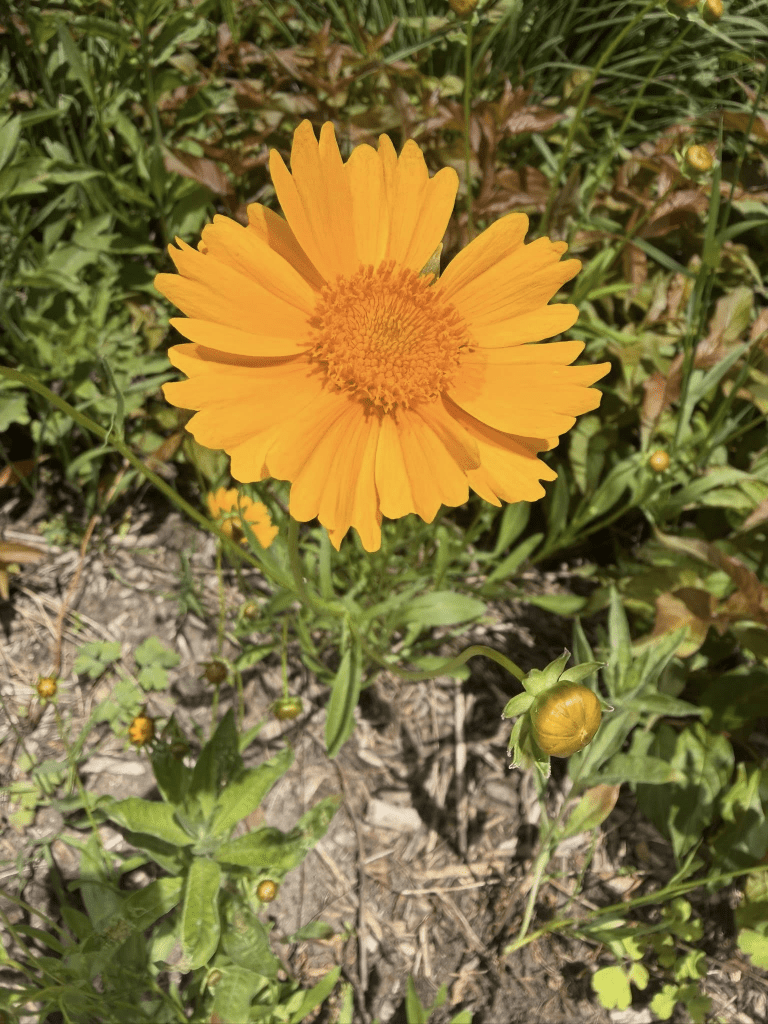
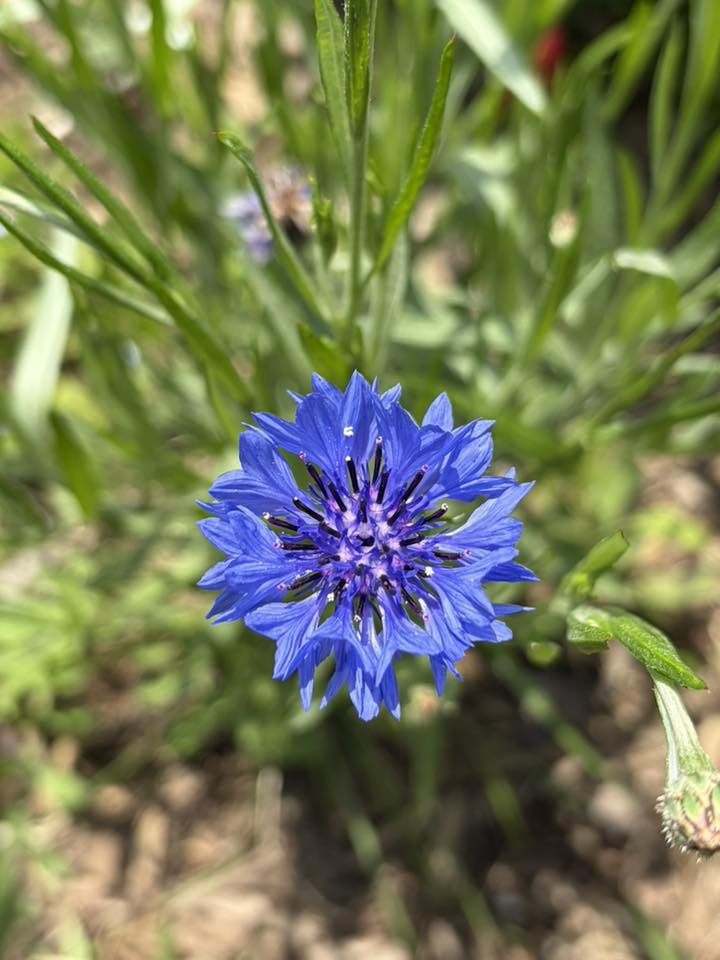
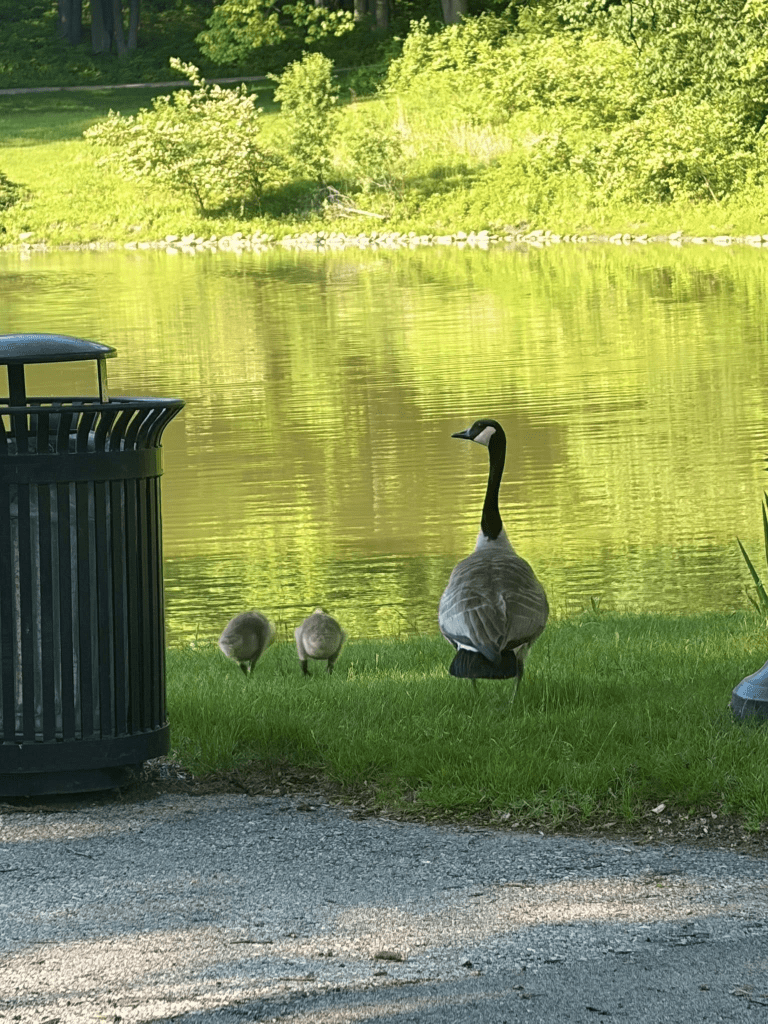
When you’re exploring an area that’s important to you, you’re definitely discovering a sense of place. There are a myriad of details to notice: flowers, birdsong, greenery, the bumps of certain roads, the occasional scurrying of animals across your path, the names of restaurants, and the nooks and crannies along the river. You begin to notice which roads lead to other roads and which neighborhoods are connected to others. There are oodles of details connected to place.
But when you’ve lived in an area for a long time — for me, nearly 13 years — you do more than discover place. You discover time.
I’ve been reflecting on this quite a bit lately. It’s not only noticing that the crabapple trees on Platt Road turn pink in the spring or that the locust trees on Stadium Boulevard turn yellow in the fall. It’s discovering the time for them. Anticipating them, even. I can encounter them and say, “Ah, yes, it’s time for that bush over there to grow lilacs with the most glorious scent imaginable.” Or, “There it is! I heard it. The red-winged blackbirds are back.”
And once I’ve started linking the discovery of place to the discovery of time, it’s not difficult for the unfolding details of place to reveal the contours of my own sense of time.
Thirteen years have led to relationships. And growth. And questions. And shared work. And community. And purpose.
Recently, I was moving through town, not on my bike but in my car, when one of the movements from Duruflé’s Requiem came on. You don’t need to know the piece personally to understand that certain music can immediately bring back powerful memories.
I have a vivid memory of listening to this piece on repeat in another city, walking around and dreaming about the possibility of moving to Ann Arbor. I had a deep intuition that the move would eventually happen, and I kept thinking, “There are people there for me to meet.”
Have you ever had the sudden awareness that you haven’t yet met everyone you will someday love? But you know you will? That’s how I felt in 2012, walking around, listening to Duruflé’s Requiem, and dreaming of moving here.
When I was in my car, listening to this piece, I was overcome with gratitude that I was listening inside this town. Now many of those people have names. Each with memories and love attached.
So the discovery of place and the discovery of time are linked. Eventually, all the particular places hold memories, seasons carry familiar terrain, and geography becomes relational, too. #ReneeBikesAnnArbor