The calendar says spring, but Michigan is in a bit of an in-between time. Either way, it’s pretty.
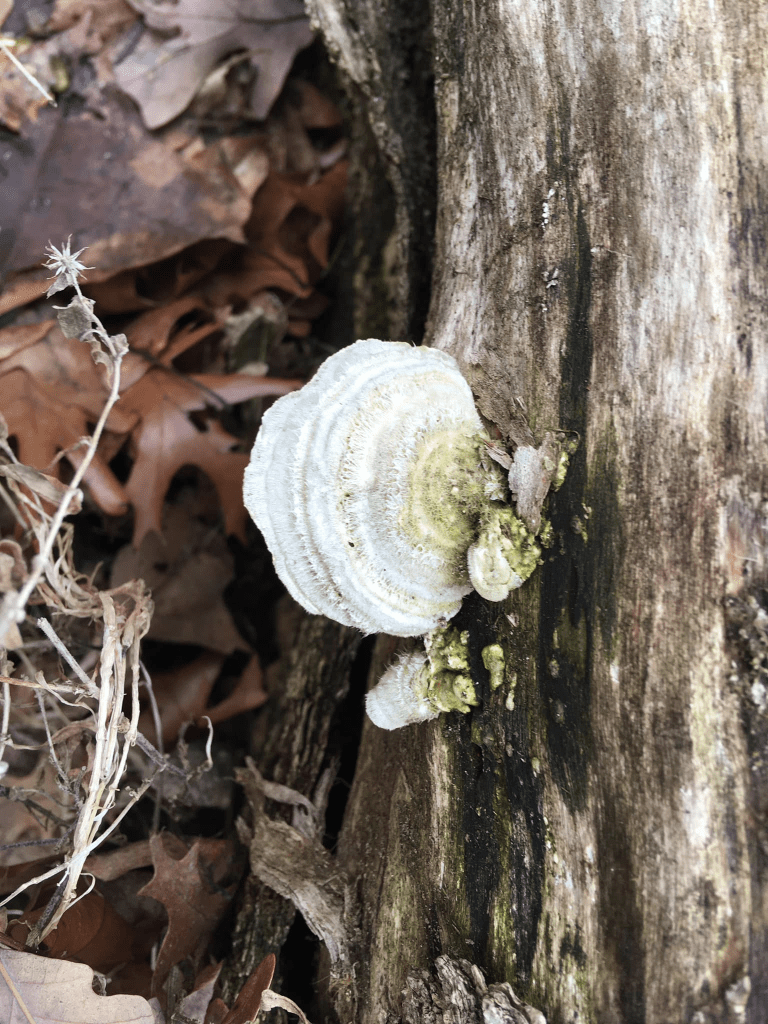
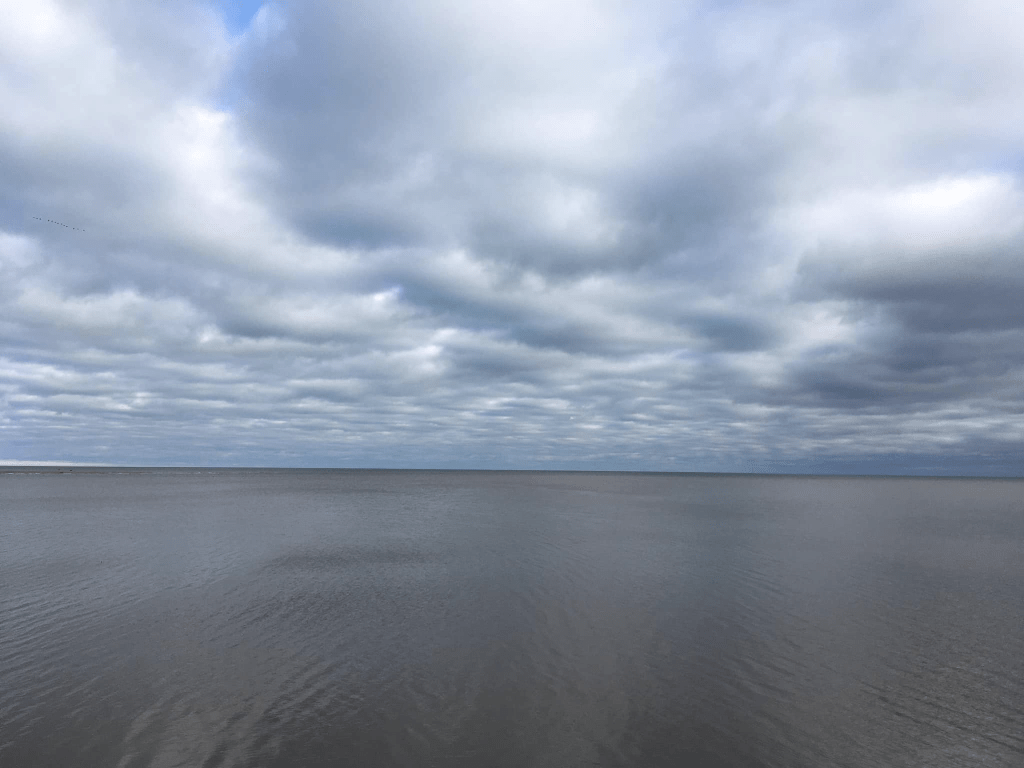
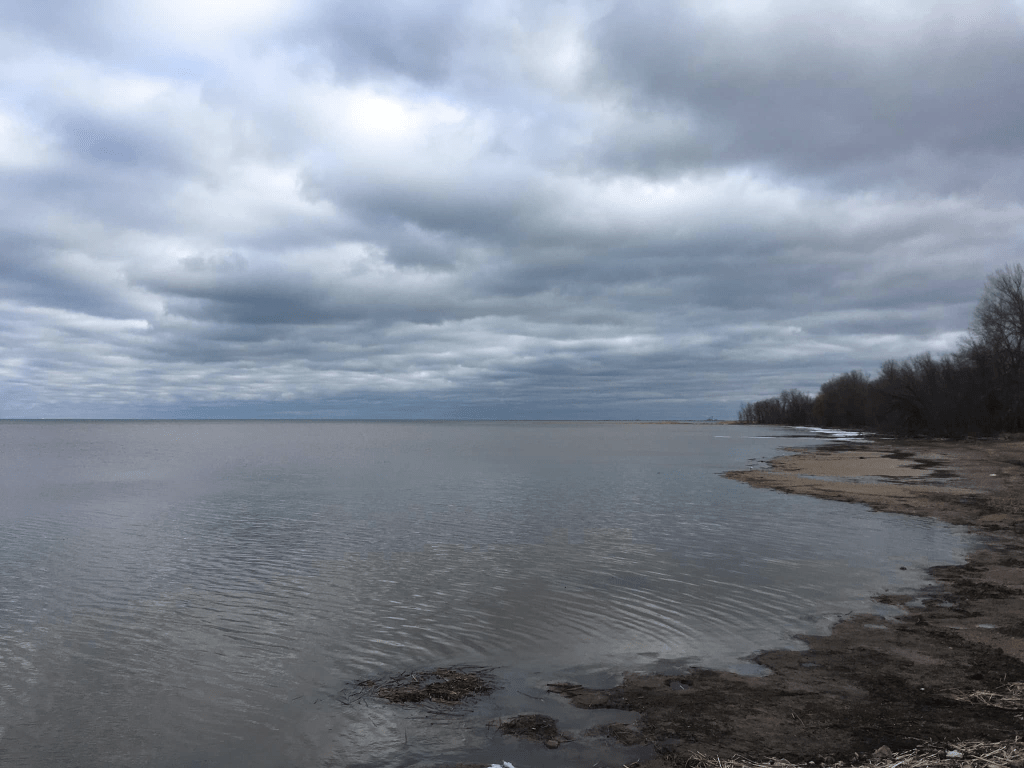
Here are some recent photos of trees and snow from the Roscommon State Forest Area and of Lake Huron in Pinconning, Michigan.
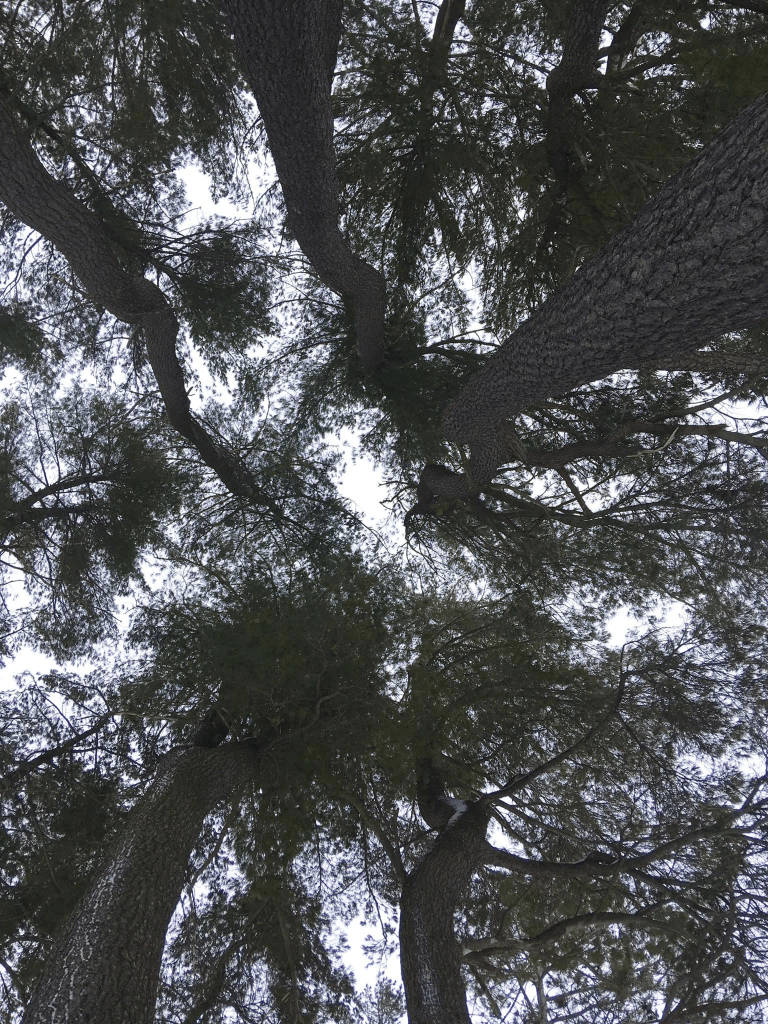
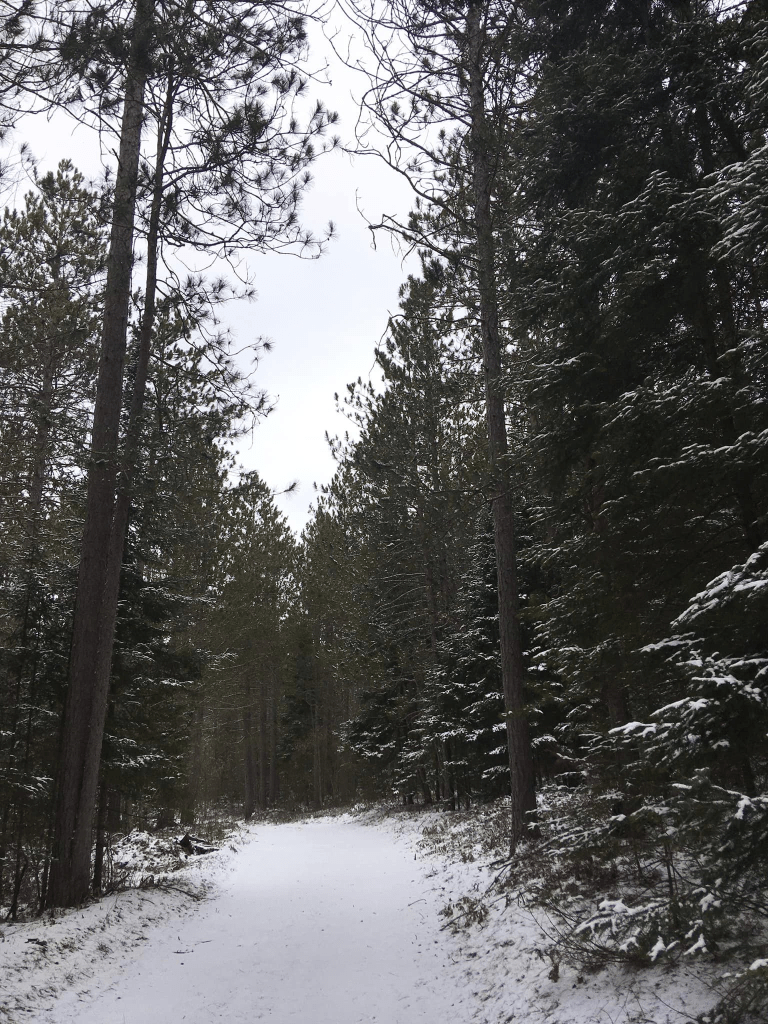
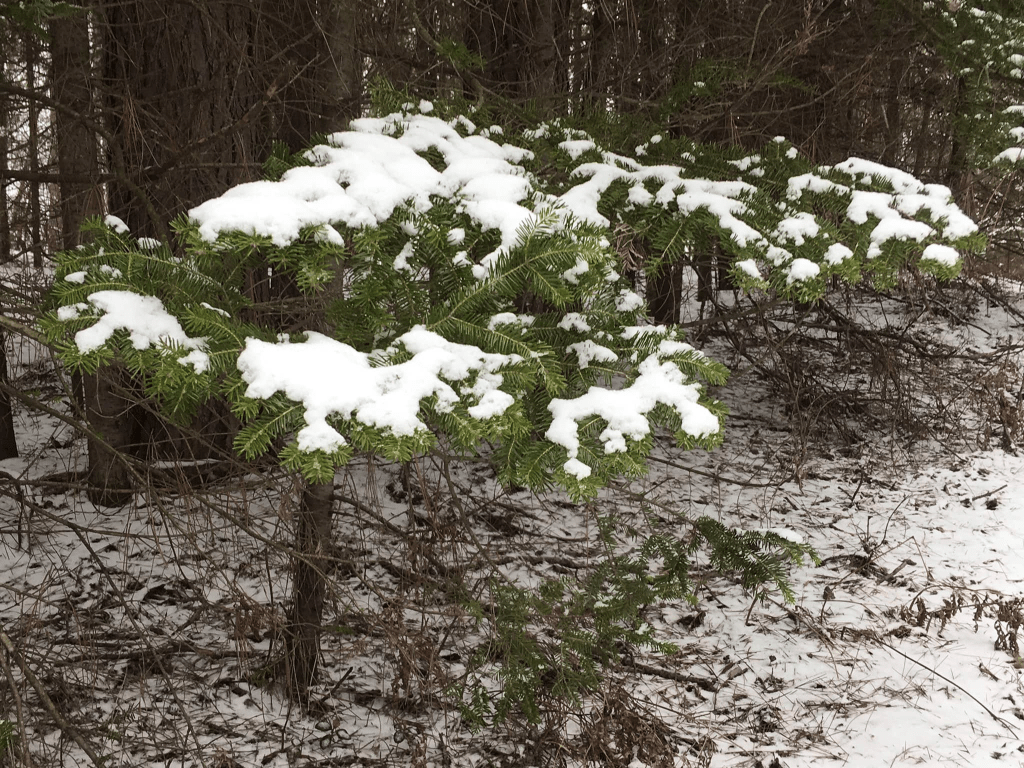
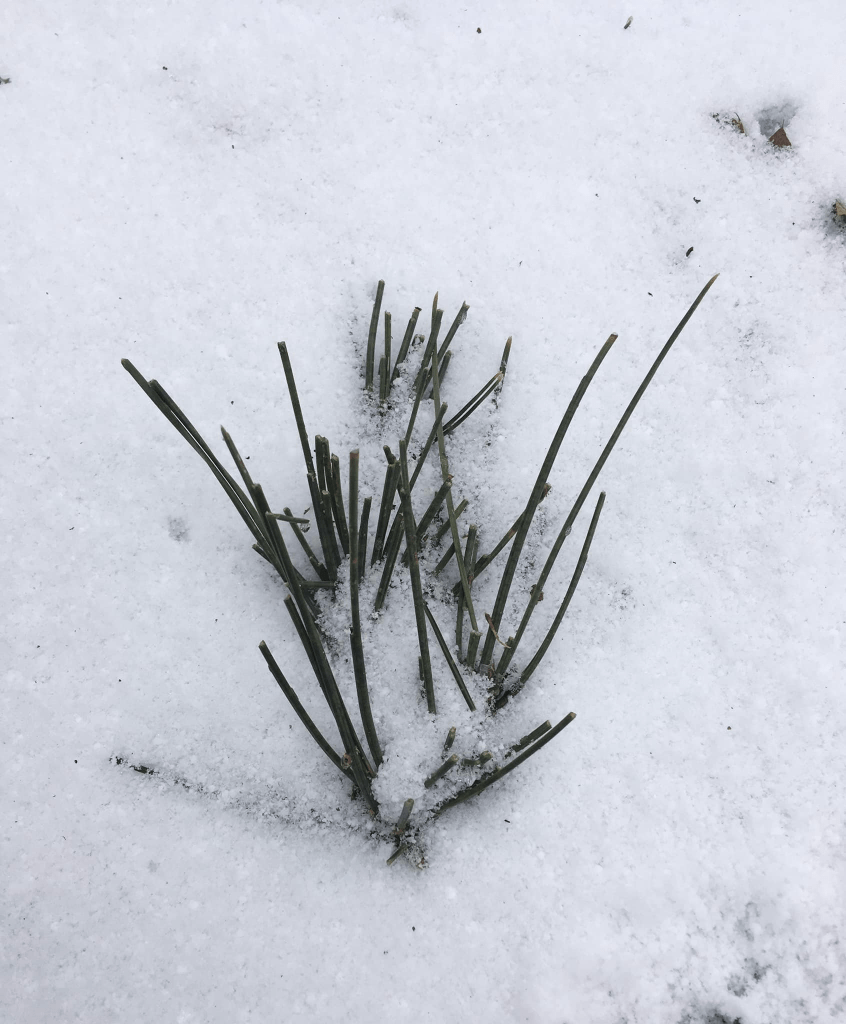
The calendar says spring, but Michigan is in a bit of an in-between time. Either way, it’s pretty.
Here are some recent photos of trees and snow from the Roscommon State Forest Area and of Lake Huron in Pinconning, Michigan.
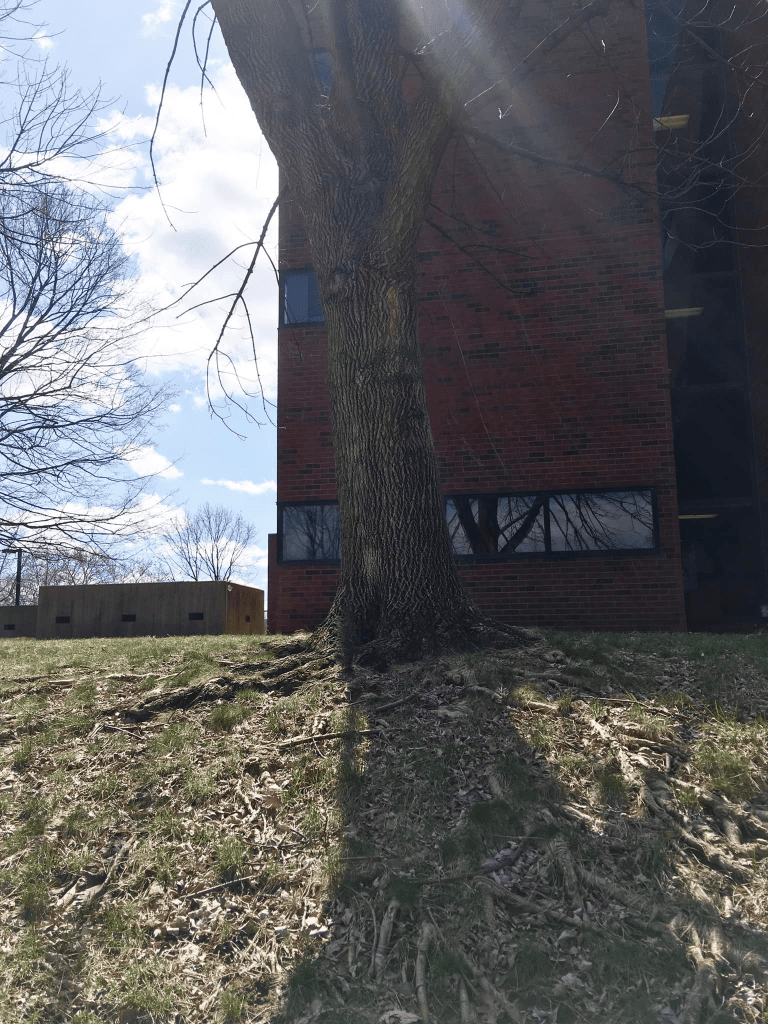
Here’s a simple image of a tree. Nothing too exciting, though its roots and its shade are lovely. This tree stands outside of the School of Music at the University of Louisville.
On April 2, 2002, I sat under this tree and made a decision that I would go to seminary, and that was exactly 20 years ago today. I did indeed move in that direction a few years after my college graduation, and it set much in motion within my life. My larger sense of calling has taken a number of turns since that day, and twenty years later, that’s put me in some unique places and positions that I wouldn’t have anticipated at the time.
I honor this moment because it brought a lot of people into my life. It brought chapters of unfolding visions into my life. It set change in motion, not only because I decided this is what was next for me, but it set me on a path of numerous changes — internal changes inside me, deeper ways of viewing life and spirituality, multiple places I eventually would call home, and introductions to people I cannot imagine life without.
I’m grateful to honor this decision point from half my life ago. It’s led me in a lot of meaningful directions.
–Renee Roederer
Yesterday was Trans Day of Visibility, but many of the trans people in my life didn’t feel good about it. Visibility without protection is danger.
There is an organized, intentional effort to put dangerous forms of legislation in place all around the country, and transphobia is being wielded to make trans people, trans children, and their parents all suspect. Some of this legislation attempts to keep them from healthcare resources they need.
I saw this beautiful piece on Instagram yesterday from @ezra.furman.visions, and I thought I would share that. A world of protected visibility for trans people would look like this:
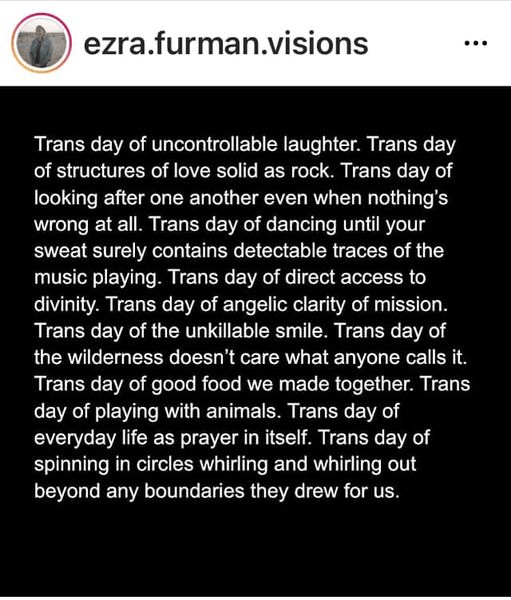
It reads,
Trans day of uncontrollable laughter. Trans day of structures of love solid as rock. Trans day of looking after one another even with nothing’s wrong at all. Trans day of dancing until your sweat surely contains detectable traces of the music playing. Trans day of direct access to divinity. Trans day of angelic clarity of mission. Trans day of the unkillable smile. Trans day of the wilderness doesn’t care what anyone calls it. Trans day of good food we made together. Trans day of playing with animals. Trans day of everyday life as prayer in itself. Trans day of spinning in circles whirling and whirling out beyond any boundaries they drew for us.
I love when people are really into quirky, overly-specific niche interests. I wouldn’t say this rises to a niche interest per se, but I am always recommending what I’m watching to all my friends. So bringing those two things together, I want to make a recommendation for a show for you all to watch.
Is It Cake? is an amazing, super niche-interesty, very wholesome show. I highly recommend it.
I don’t know how you’re feeling, but I have had a strange, persistent migraine for days.
I’ve asked myself what this is about, because for me, these are usually brought on by stress, and once I asked myself the question, I was reminded that this period of time is the 2 year anniversary of the pandemic lockdown. Everything had shut down, and we were mostly holed up in our homes. It had been enough days that the new shock of it was less and the “we’re going to need to protect ourselves and power through this” was more.
With the time change and the change in weather, I think our bodies remember what was going on two years ago.
Let’s be kind to ourselves.
–Renee Roederer
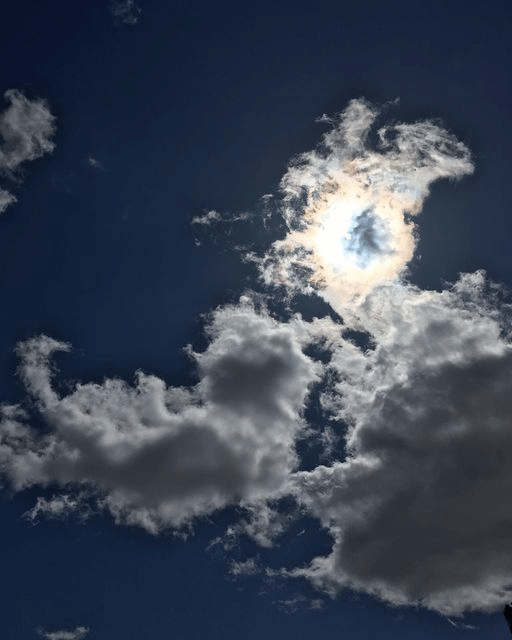
I snapped a photo a few days ago of the sky, seen above. There’s no filter here. Through the clouds, the sun is shining like a rainbow halo. Apparently, some call this “sundogs.” That’s new information I’ve never heard before, and upon cursory googling, I still don’t know how this phenomenon got its name.
Its scientific name is parhelia, a concentrated patch of sunlight that can sometimes be seen at 22 degrees on either side of the sun. This is refracted light through hexagonal ice crystals in cirrostratus clouds.
When I looked up to take this picture, I only saw the sun and a very blue sky. I suppose there’s usually more than we can perceive with our own senses.
–Renee Roederer
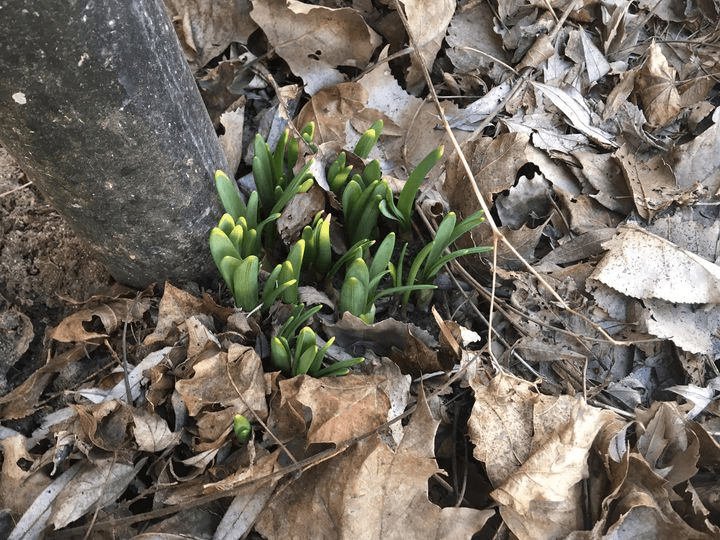
I was away from home most of last week, and when I returned, the early shoots of daffodils were peeking through the assembled mulch of last year’s leaves. They had returned too.
There are some things we can count on, but they still meet us as a surprise. Their joyful return brings comfort, as does their resilience.
–Renee Roederer
 Yesterday was Purple Day
Purple Day is an international day to focus on epilepsy awareness and public education. As part of that day, Director Miles Levin premiered “Under the Lights,” a 12 minute long, award-winning short film. I had the chance to watch it a bit early last Fall, and I was touched that Miles Levin asked me to help promote this important project as it addresses stigma and builds empathy.
Sam, a teenager with epilepsy, is desperate to be just like any other kid, and he decides to go to prom, knowing that the lights will likely make him have a seizure.
Director Miles Levin is also a person with epilepsy, and he hopes to make this into a full-length feature film. A good showing of views this weekend can make this happen! Would you have a watch? And if you feel so moved, feel free to share with someone who would benefit from watching.
Without further ado, here’s Under the Lights!
I’d like to share a helpful TikTok today.
In it, a therapist talks about the Window of Tolerance. When we face trauma and high stress in our own lives and collective trauma in our public lives, the window by which we can regulate our nervous systems grows smaller. This is why we see people (and perhaps ourselves) reacting more to stress with fight, flight (hyperarousal) and freeze (hypoarousal) responses.
I’m embedding the TikTok below and also linking to it here.
Today is the 10th Anniversary of my ordination.
On March 25, 2012, I gathered with so many loved ones at University Presbyterian Church in Austin, Texas, and I felt so upheld and cared for as they ordained me as minister. It was one of the best days and moments of my whole life.
I have loved, and lived, and lamented, and learned, and been lifted so much in those ten years. Thanks to everyone who has supported me in this. I am grateful.
–Renee Roederer

