I Have a Big Heart for Scrappy Creators
I love these recollections from Stephen Colbert about the first evening that the Late Show was scheduled to air. It almost didn’t!
In Process
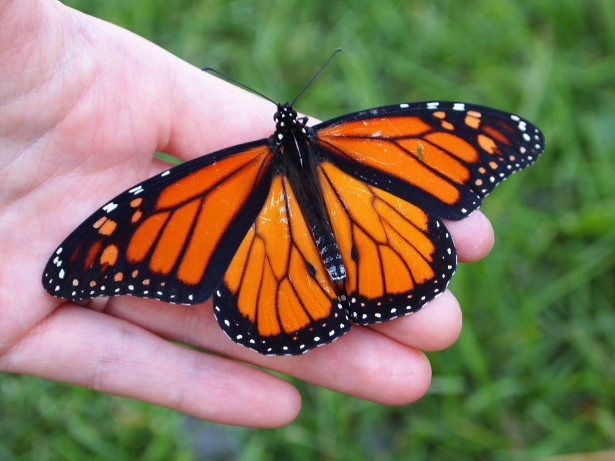
After a caterpillar spins itself inside a silky chrysalis, it turns into goo. It liquefies inside the cocoon. Between its intricate life as a caterpillar and its intricate life as a butterfly, it truly becomes a gooey mess. It’s hard to believe that something so beautiful emerges, but this is indeed the messy, mystical process.
So if any part of us feels like goo right now, we might be transforming.
When a crab is getting ready to molt, it stops eating and slows down its activity. Then it cracks open the back of its shell and carefully begins to move out of it — legs, mouthparts, and even the lining of its innards. At that point, it is soft and very vulnerable until a new shell forms. But before that happens, it absorbs more water and grows.
So if any of us is feeling soft and vulnerable right now, we might be transforming.
It’s good to be gentle.
—Renee Roederer
Hard to Fathom
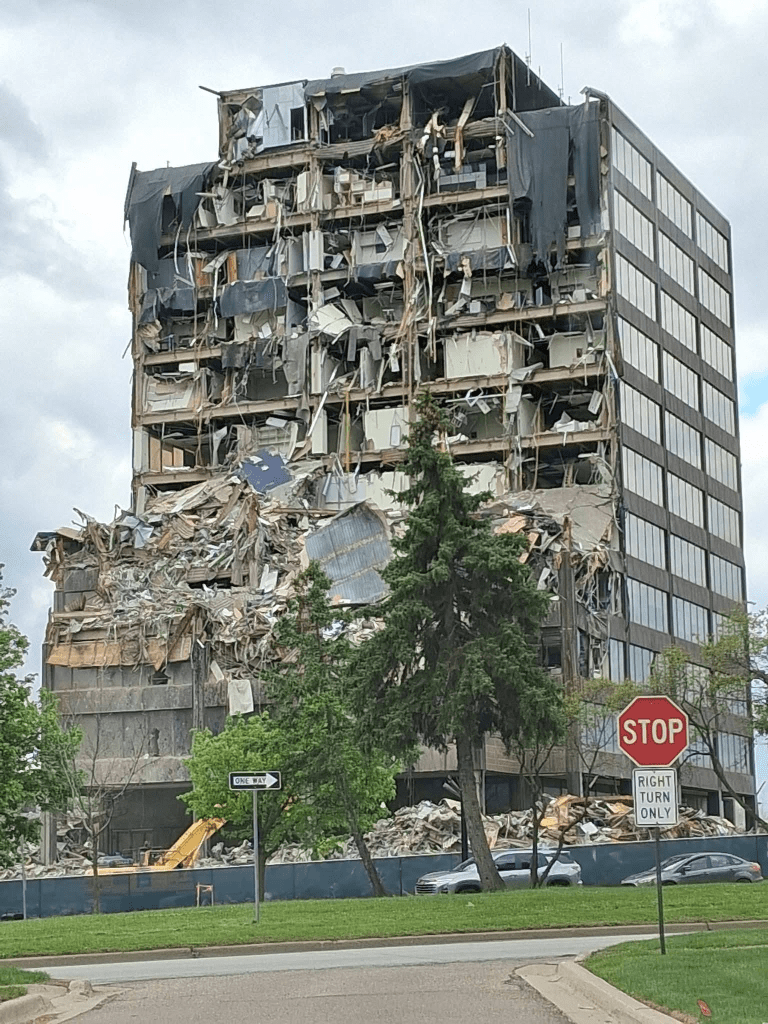
I was driving through town when I caught my breath and instinctively put my hand to my chest. I was completely startled to see a tall tower of a building with all of its offices wide open and laid bare. One entire wall had been removed, and everything was exposed. Floor after floor, about ten stories high.
At first, I thought it must have been some kind of emergency. Had there been a fire earlier in the day?
Then I noticed the bulldozers and cranes on the other side of the building. It was in the process of being torn down. A new development will soon replace it. This was planned, but it still felt remarkably unsettling.
And then I thought…
People in Gaza have been living with this reality in nearly every direction for more than two years. Some are even living in buildings like that.
It’s hard to fathom. And still, we’re asked to bear witness and act.
—Renee Roederer
The Magic Around Us
A multi-generational bunch of us stood together at the corner, waiting to cross the street. Between the four of us, about three and a half generations were represented: me, and three people who were all related — a 3–4-year-old kid, his Dad, and his Grandpa. In age, I probably fell somewhere between the Dad and the Grandpa.
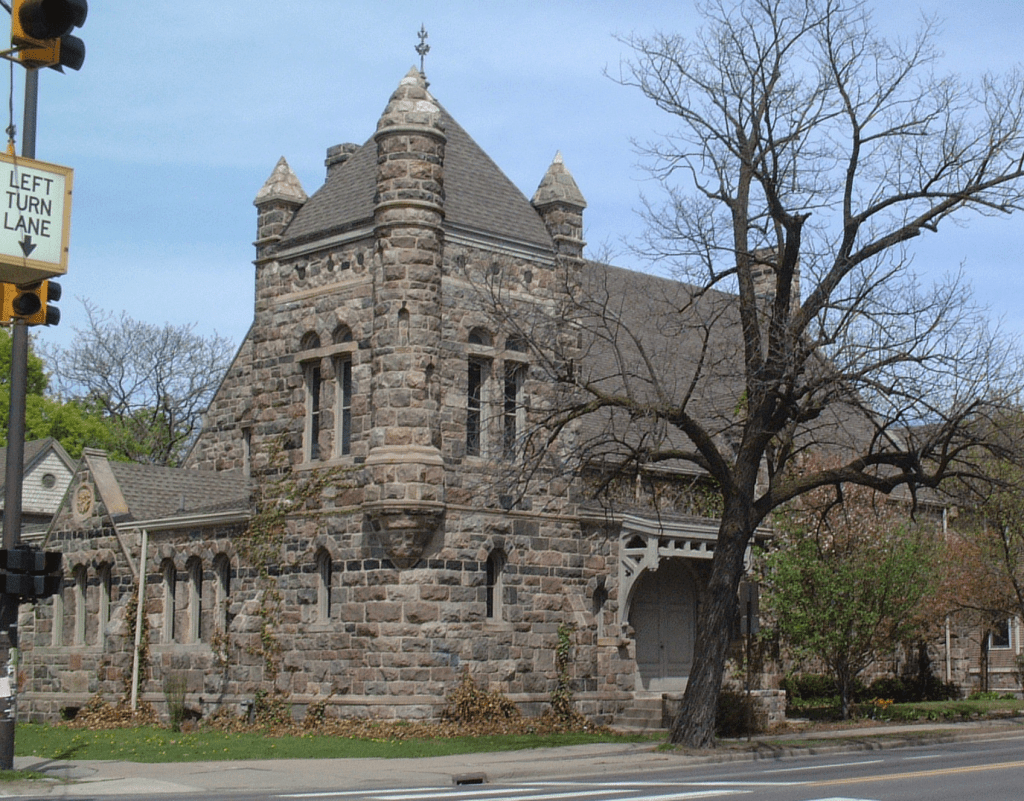
Behind us stood an old building made of gray stone. It looks old, and it is, though still beautifully constructed. I happen to know (thanks to a quick Google search) that it was built in 1882. But the youngest among us, taking it all in, asked:
“Is that building from the ’60s?” he said with a sense of marvel.
“Oh no,” Grandpa said. “I think it’s much older — from the 1800s.”
“Does anyone live there?” the boy asked.
“Not anymore,” Dad said. “But a wizard used to live there.”
“He did?!?”
“Oh yes,” Grandpa said. “He had a very long beard. Sometimes he braided it, and sometimes he forgot.”
“And he wore a hat that was a little too tall,” Dad added. “It kept bumping into doorways.”
“Did he have a wand?” the boy asked.
“Of course,” Grandpa said. “But he was always misplacing it. Half the time he used a wooden spoon instead.”
I, the stranger, chimed in, too. “And even though he’s not with us anymore, the impact of his magic is all over the town.”
The light changed, and we started across the street.
He didn’t question it. He just looked back at the building, like he understood this great mystery. And honestly, I think he’s right. You can still feel a little bit of that magic around here.
—Renee Roederer
The Songs Within Us
Yesterday afternoon, I went to Evensong at a local Episcopal church. A choir led the service, and it was reflective and beautiful. They began at the back of the sanctuary with an introit — Stephen Paulus’s Pilgrims’ Hymn.
More than 20 years ago, I sang that piece with my collegiate choir in Germany. I hadn’t heard it in years, but as soon as it began, I could anticipate every word and note. It lives in my body.
I remembered how connected we felt as a choir when we sang this piece in performance. Time seemed to slow down, and we found ways of inhabiting the words and making meaning of them. When I heard the choir in the back of the sanctuary and found myself remembering that music, those memories felt very present to me.
Music opens these kinds of memories to us. How many times have you struggled to remember a song on your own, but the second you hear it on a streaming service or the radio, you can suddenly sing every single word? We don’t always have full access in our recollection, but when the right note or phrase returns, something opens, and we remember. It lives in our body.
And I wonder if this is true of more than music — like the presence of people who have shaped us: those who have been in our lives for the long haul, those who have passed through our lives, and those who have died.
Perhaps we carry them with us, waiting for the right kind of initiating experience to make them feel present again.
Yesterday reminded me not to force those moments, but to stay open to them. I want to let them find me. And when they do, I want to recognize them for what they are, and to receive them with gratitude.
Here’s Pilgrims’ Hymn by Stephen Paulus:
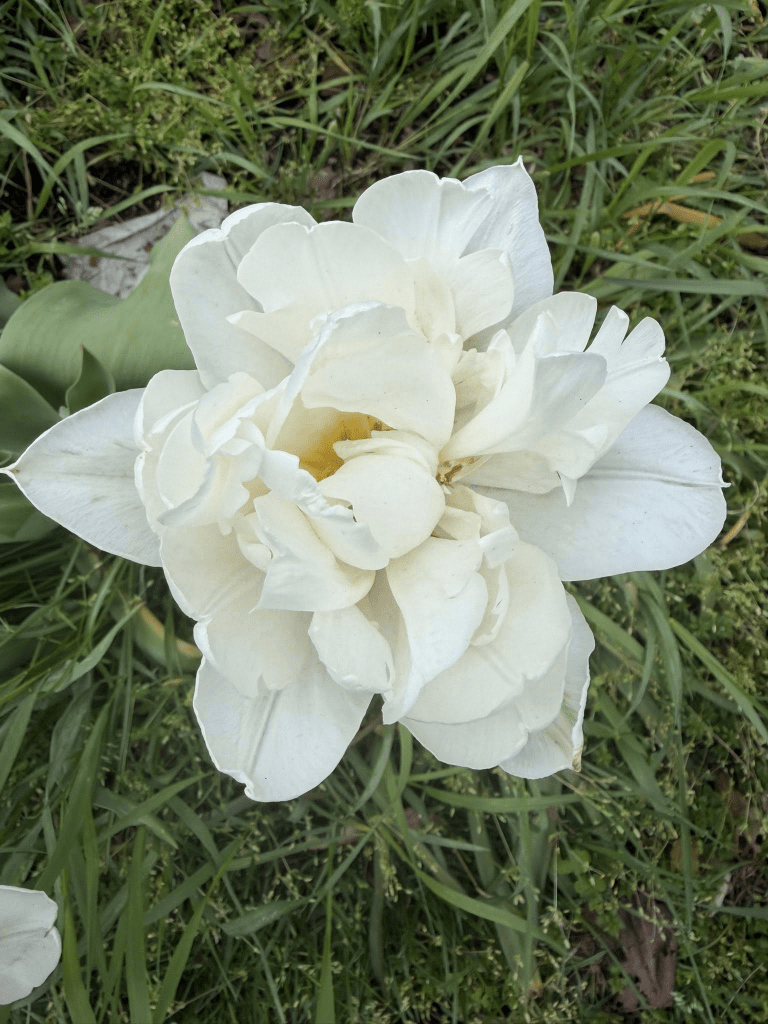
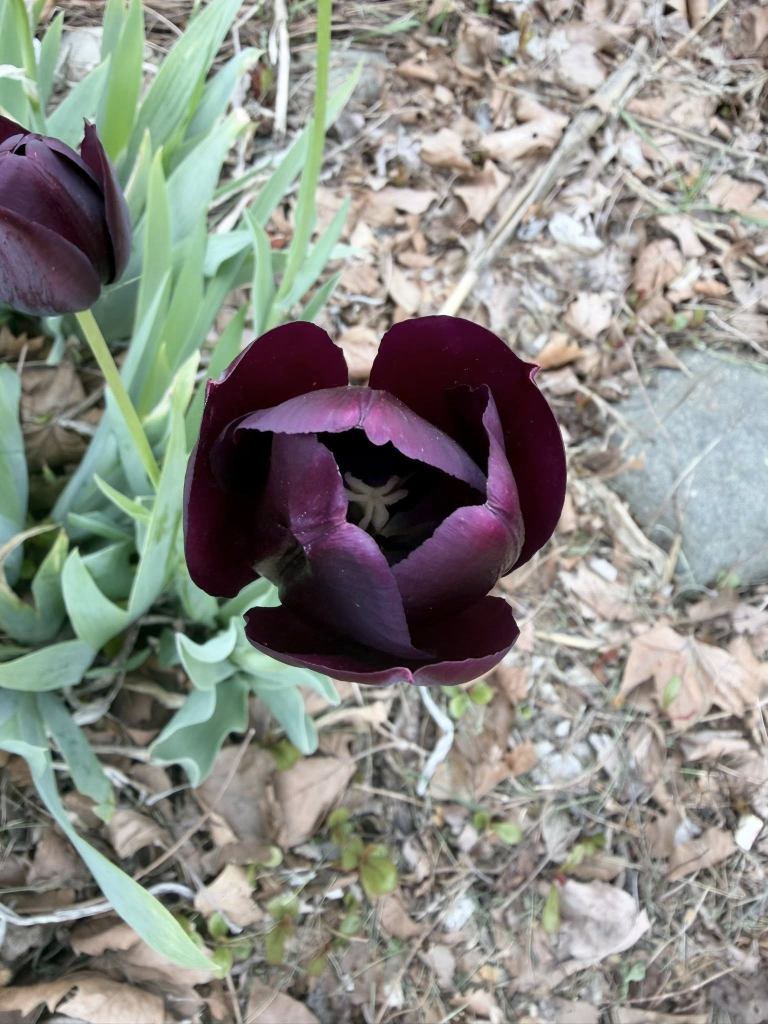
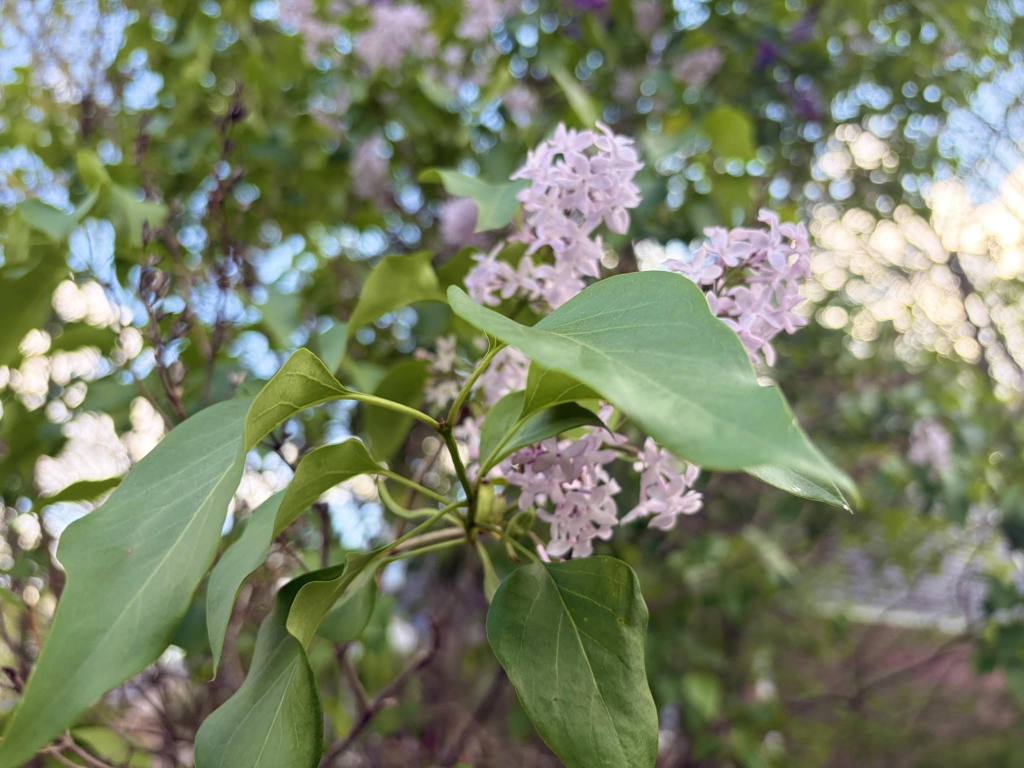
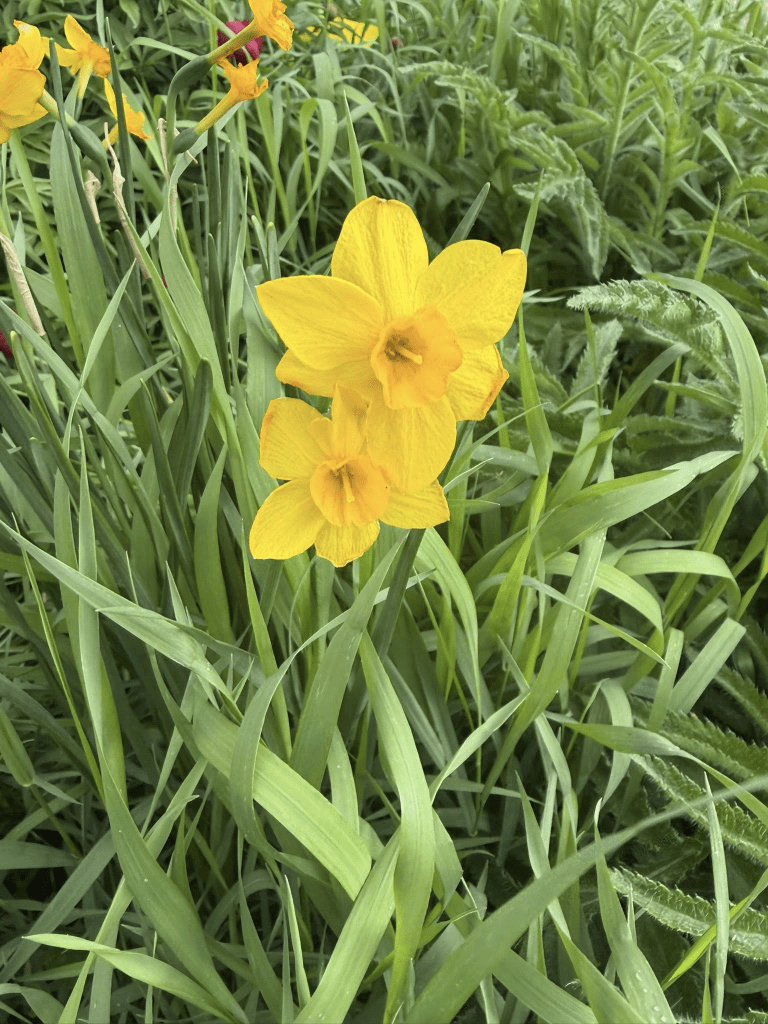
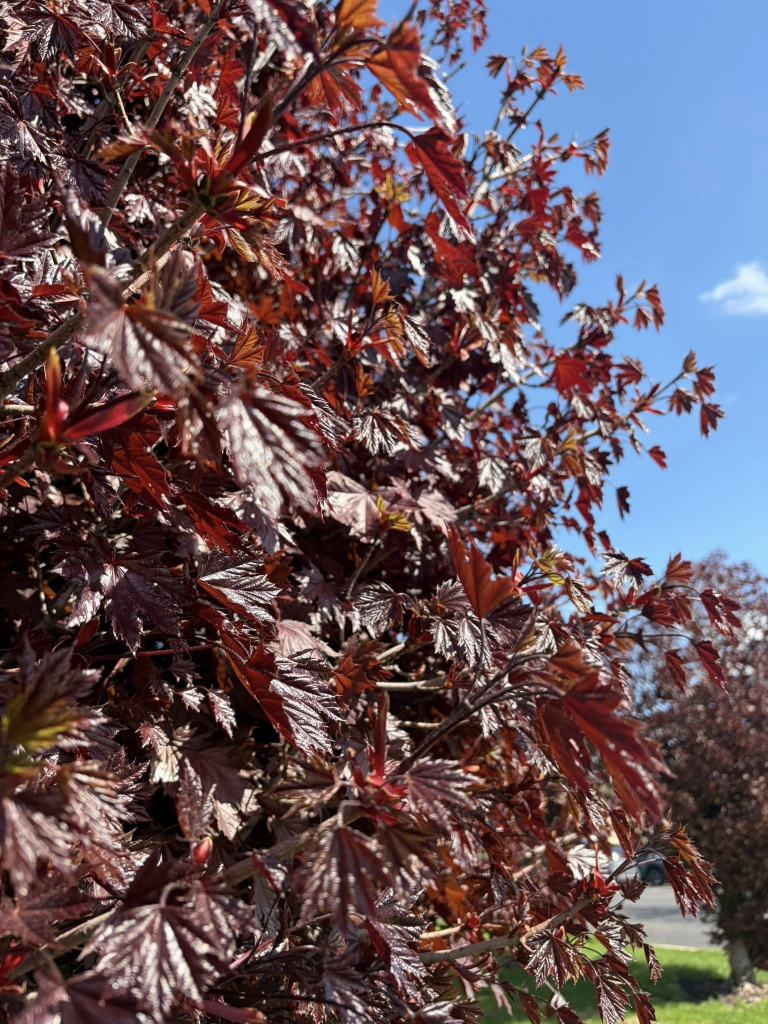
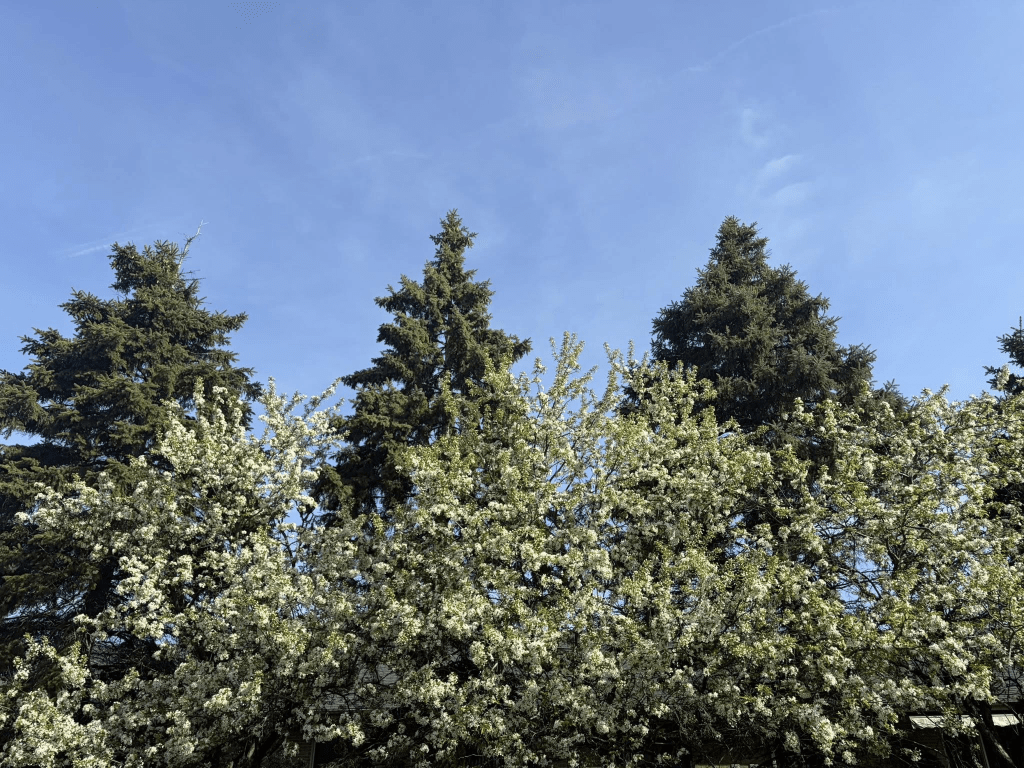
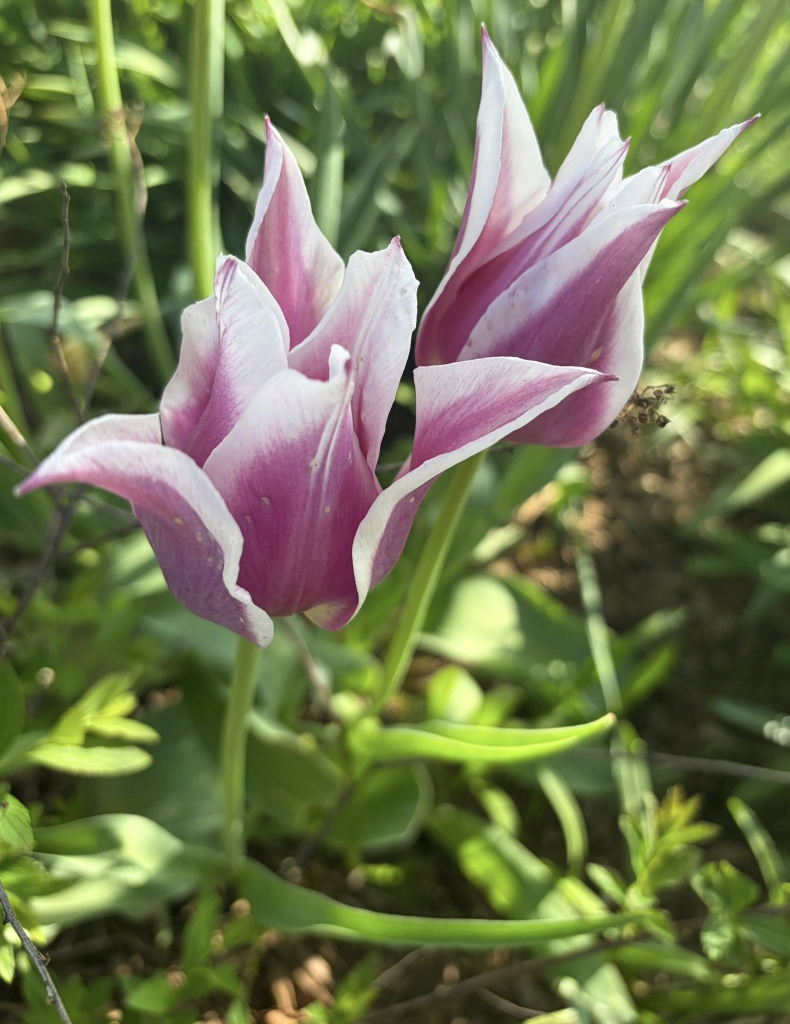
This Week in Nature
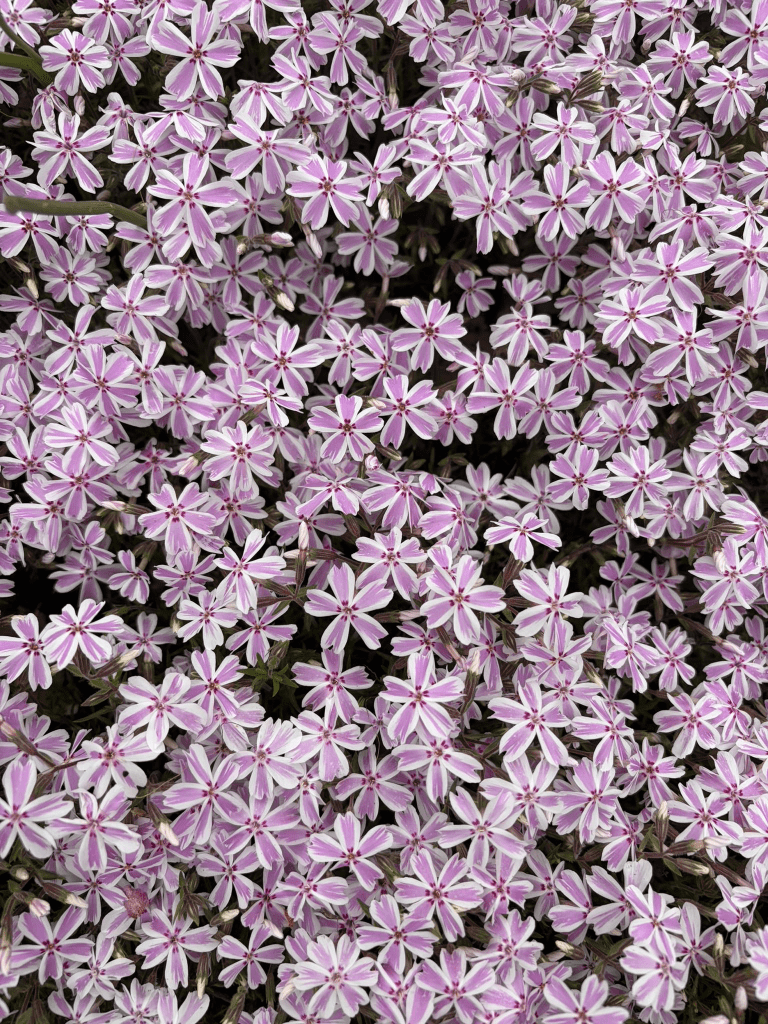
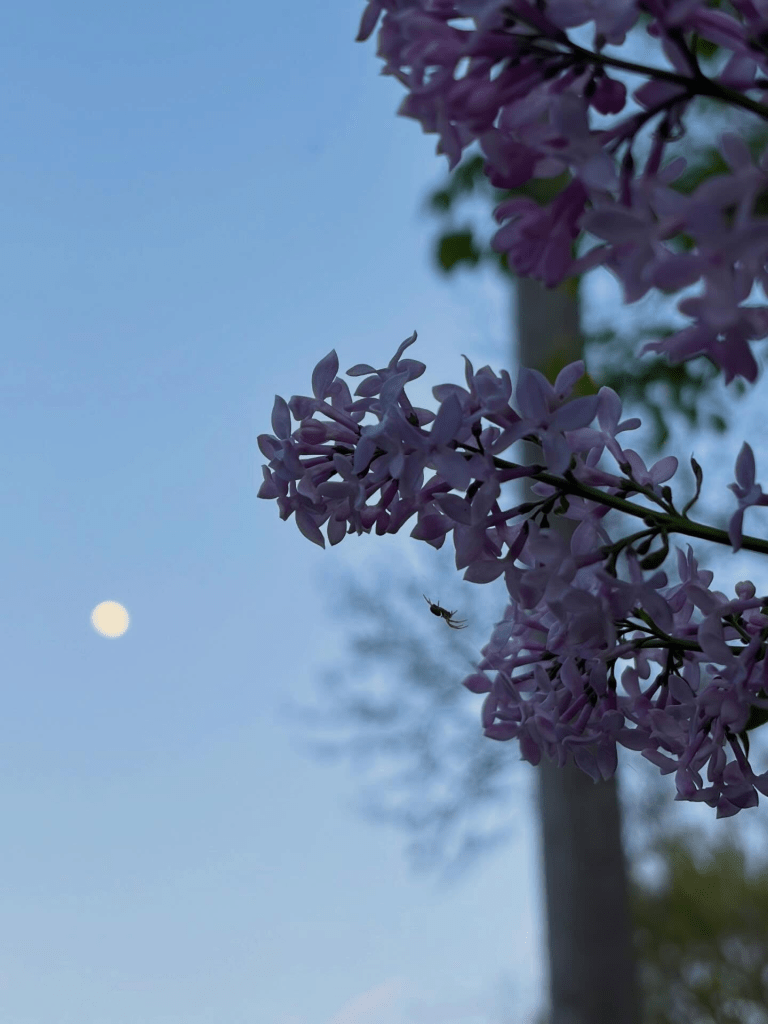
Honey Can Outlast Empires (And Other Bonkers Facts)
Honey is kind of a miracle.
“In this place, I feel even more connected to myself”
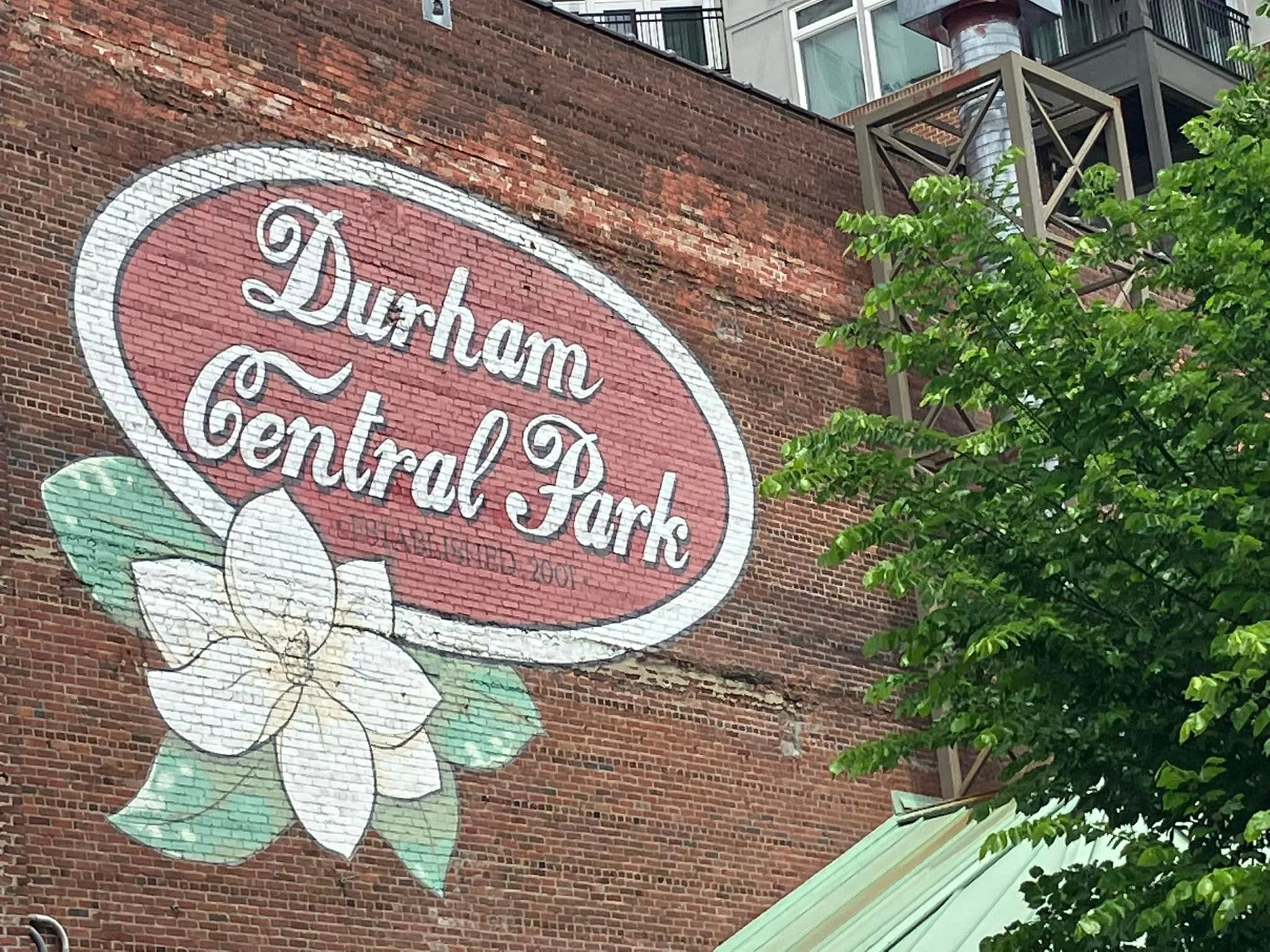
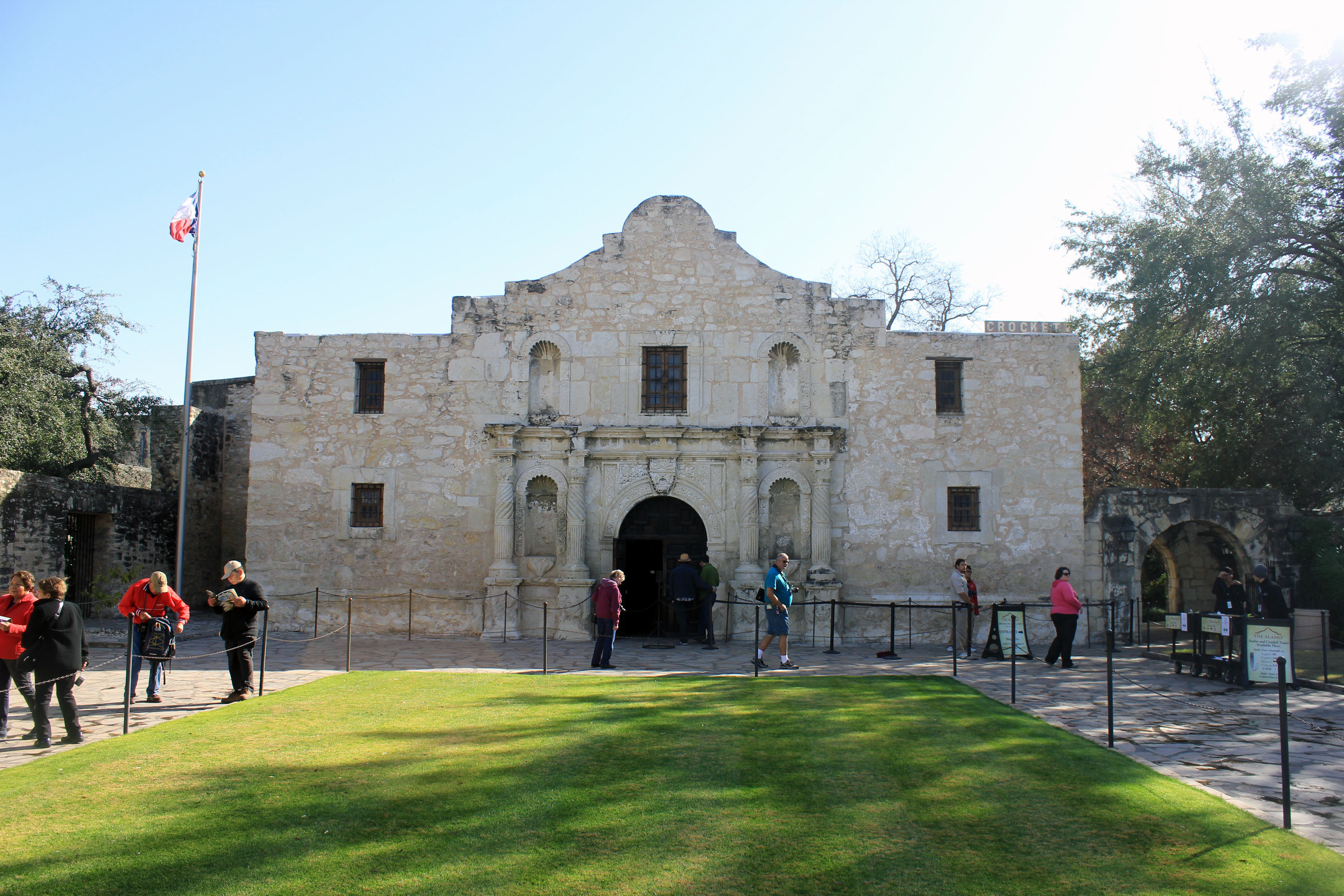
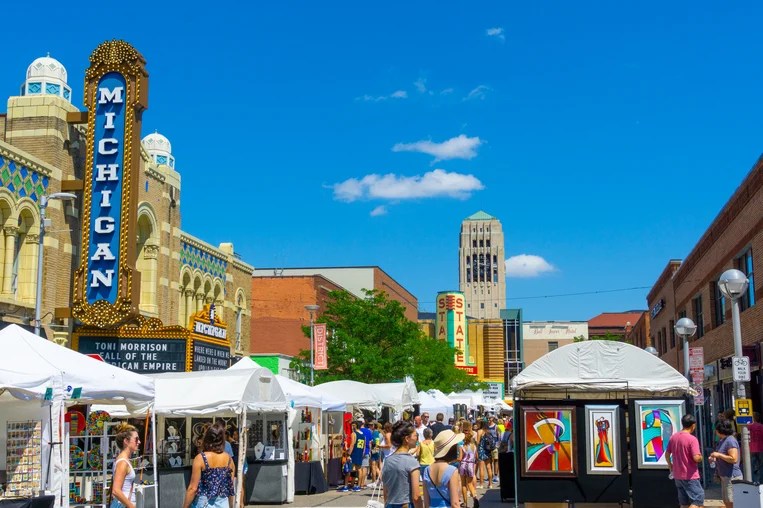

A dear friend of mine is traveling overseas today, and she’ll be abroad for a month. She’s revisiting a country where she spent her young adult years, and this is a joyful return.
Have you ever lived somewhere, visited somewhere, or returned repeatedly to a place where life feels simpler? Not simpler in a basic way, but simpler in a deeper way beause you feel more grounded?
My friend resonates with that. I have places that feel like this, too — including somewhere I visited last month. “In this place, I feel even more connected to myself,” I shared with her.
I think some places hold memories, loved ones, or parts of ourselves that we need. Sometimes they hold pieces that we need to reclaim.
Do you have a place like that? Can you make a plan to visit soon?
—Renee Roederer
Daily, Together
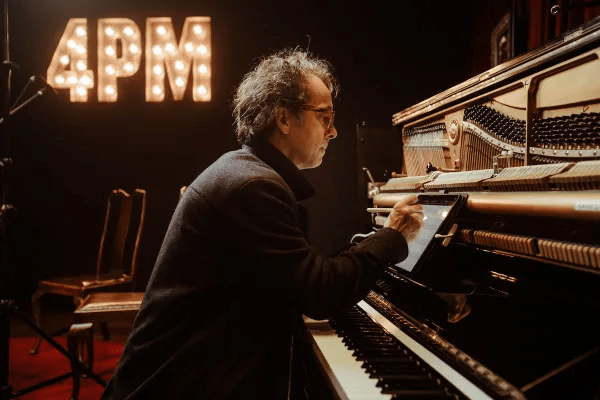
Every morning, an Australian composer named Dean Stevenson writes a new piece for string quartet. Then, each afternoon at 4 p.m., four orchestra musicians gather to rehearse and perform it together.
This is part of an exhibition at the Museum of Old and New Art in Berriedale, Tasmania, and it will continue daily until May 11. They’ve been doing this for more than a year. There is also a YouTube channel where people can watch the rehearsals and each day’s performance.
I’m not really sharing this for any particular reason, except that I think it’s fun. I learned about it from The Good List, a weekly newsletter from the New York Times, curated by Melissa Kirsh.
But after reading this, I found myself thinking: if we have daily rhythms that matter to us, maybe we can invite other people into them. And if we have a day when those rhythms fall apart, it’s nice to know we can begin again tomorrow.
—Renee Roederer

