We’re all longing to see expressions of community coming together, supporting one another, and being creative. Over the weekend, I opened the weekly newsletter from Hank and John Green (highly recommend it), and one of the videos they featured was about a Book Brigade. When I played the video, I instantly recognized the location: Chelsea, Michigan, a town just a short drive from where I live.
In the video, community members came together to help a local bookstore move all its inventory from its old location to the new one. And it looks like they had a great time doing it. So, I invite you to enjoy the Book Brigade!
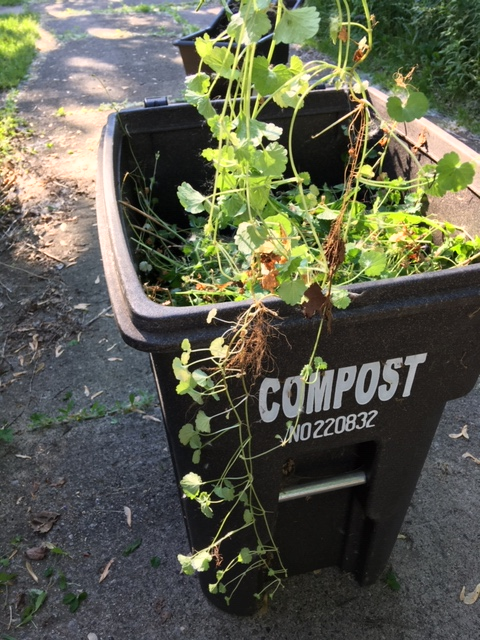
A brown bin says “Compost” in white letters. A large amount of pulled weeds are inside. One long plant is hanging out of the bin.
I pulled a whole heckuva lot of weeds, and if I may be honest, I found this to be fun. Perhaps there was something cathartic and soothing about it.
The most satisfying weed to pull was a particularly long and windy kind. It has a system of stems and leaves connected to a shared vine. It’s the kind pictured above, spilling out of the compost bin. This plant — I don’t know its name — wove its way effectively and adeptly around my day lily plants. And most of it was hidden and out of view.
I’d find one piece and begin to pull on it. Then I’d discover much more, a system all connected.
I reflected on the beliefs we carry…
… about ourselves, … about our relationships, … about our neighbors, … about the ways we structure our society,
and this plant seemed to convey a lot.
Sometimes, within ourselves, there are whole, connected systems of beliefs, fears, and emotional triggers that need to be explored and healed. Sometimes, within our communities, there are large, connected systems of harm intended to bolster some and disadvantage others.
We have to start somewhere — pulling, uncovering connections, examining, and uprooting.
Two people bring their hands together to form the shape of a heart. Public domain image.
Earlier this week, I gave a presentation on behalf of the Epilepsy Foundation of Michigan. The audience was eager to learn more about epilepsy and discover ways to support our mission. I shared educational information about epilepsy, taught basic seizure recognition and first aid, and introduced them to our vision, programs, and services.
Afterward, I received many touching words of affirmation for our organization—who we are, who we serve, and what we do. And honestly, I do believe our organization is tremendous, especially the community vision that fuels our work. It’s an honor to be a part of it.
But I also found myself reflecting on something else:
People long to hear about good being done in the world.
Day in and day out, we are inundated with difficult news. Yet, people are doing good in the world. There are many communities you know about—and you’re a part of some of them. We long to hear about good care and support. We desire to know that people are taking action, and that it matters. That it changes the realities for those involved. That it changes what kind of world we can live in — what kind of world is possible.
Community care is subversive. It upends the order and rhythm of injustice, transforming it toward belonging. It connects, rather than tears apart. It changes the conditions in which people live. It expands narratives that challenge prevailing attitudes of harm.
So, where do you see this happening? Who can you lift up? What stories can you share?
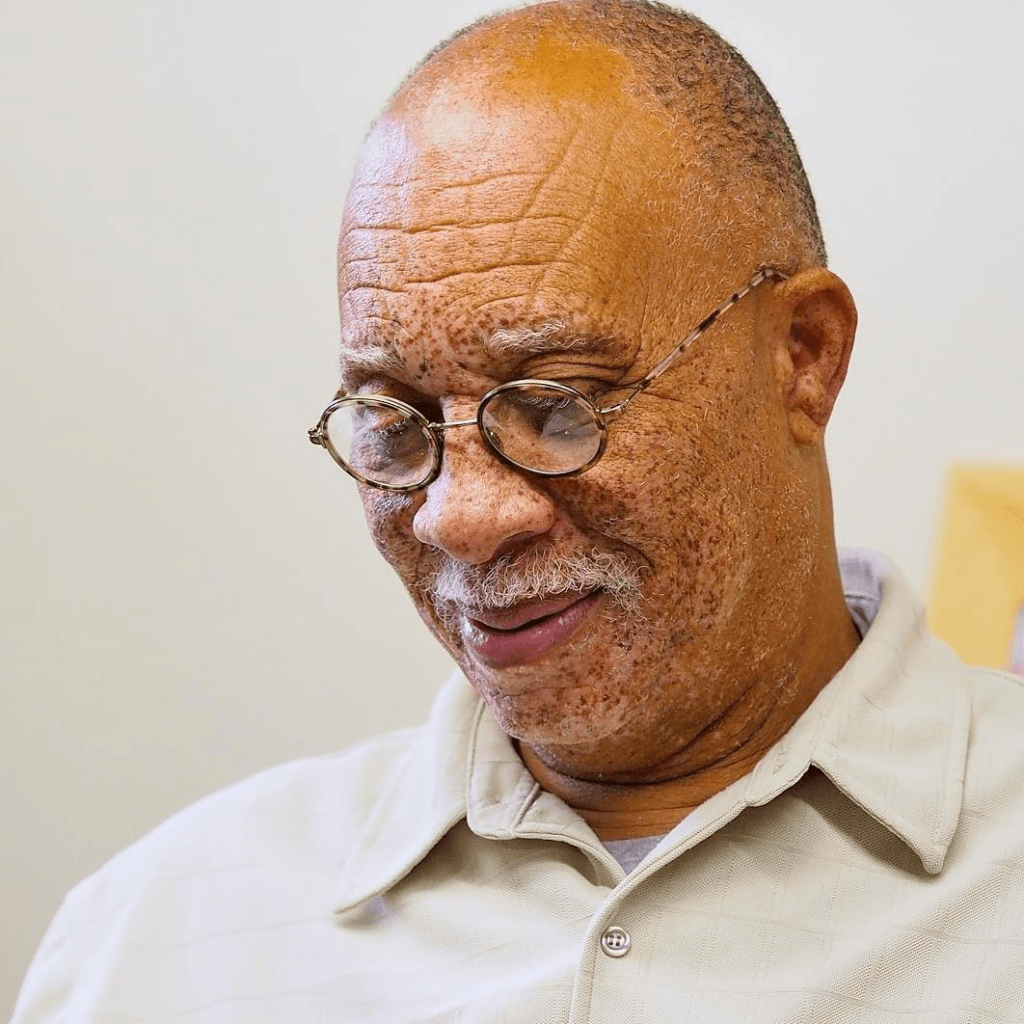
Over the weekend, I had the pleasure of hearing Dwight L. Wilson give an address titled, “Envisioning a New World.” It was truly inspired. He is a Dad, Grandfather, Quaker, Minister, Educator, Author, Human Rights Activist, and more.
More than once — including in this address — I’ve heard him say,
“Individualism is ‘I Divide-ism.’“
People and systems can spend a great deal of intention, action, and inaction in order to divide us from one another, or even divide others from ourselves.
So what is something we can do, not just generally, but concretely, this very week to practice the opposite?
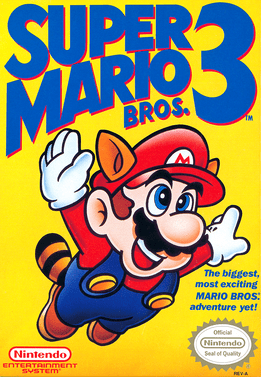
North American box art, depicting Mario using the “Raccoon Mario” power-up. Wikimedia.
I’ve picked up a new pastime in the evenings: Mario Kart.
Earlier this year, I visited some of my favorite people, and they introduced me to their new Nintendo Switch. We played a lot of Mario Kart, both adults and kids together. When I got home, I thought, “I want one of these, too!” Now, I can play online with them, even at a distance. I love it.
But this post isn’t really about Mario Kart. One night, when they weren’t available to play, I decided to download a collection of old NES games. These are the same games from the original Nintendo Entertainment System I had as a kid. I played Super Mario Bros. and Zelda (the OG, which I adored). But the game I spent the most time on that night was Super Mario Bros. 3.
Here’s the thing that amazed me: I still have the muscle memory from my 8, 9, and 10-year-old self. I still know exactly where to jump to get that hidden coin or extra life. I can anticipate which Goombas or Koopas will appear around the corner. I know just how to run and jump to hit the corner of the box at the end of the round and get the star.
How do I remember all of this? I couldn’t have recalled it consciously until I started playing again, but it’s truly embedded in my body’s memory. Muscle memory, in full force.
Now, I don’t want to stretch this into some grand metaphor from gaming, but… maybe there are some interesting questions here. Let’s move beyond Nintendo for a moment:
What else remains in our bones? What do we suddenly remember how to do when we’re in the right context? Who taught you these things? What life experiences shaped them? And how can you take what comes naturally to you—what’s been formed in you—and apply it to this moment we’re living together?
I recently heard the Rev. David Prentice-Hyers mention a story that deeply resonated with me, and I wanted to share it here. It’s a story of Jewish peasants in Galilee, standing together to preserve their dignity and faith in the face of oppression.
In 40 CE, Roman Emperor Gaius Caligula ordered the construction of a statue of himself in the Temple of Jerusalem—a direct challenge to Jewish law. To the Jewish peasants, this was not only an attack on their religion; it was an affront to their identity. They didn’t cower in fear or shrink from this challenge. Instead, they expressed their collective resolve.
Faced with the power of the Roman Empire, thousands of Jewish peasants traveled to meet Petronius, the Roman official tasked with carrying out the emperor’s orders. They didn’t bring weapons. They simply stood firm in their convictions, making it clear that they would not allow this statue to be erected. Some even pledged to sacrifice their lives rather than let it happen.
The impact of their collective action was profound. Petronius, moved by the unity and courage of the peasants, delayed the construction and sent a letter to Caligula explaining the situation. Though the emperor’s death soon after spared the Jewish community from the statue’s construction, the peasants’ courage and unity had already made a lasting mark on history.
This story reminds me of the power of collective resolve. When people stand together in shared conviction, they can create change that no individual could achieve alone. The peasants’ actions weren’t just about preventing one statue; they were about honoring their faith, their dignity, and their collective will. In a world often driven by individualism, this story is a powerful reminder of the strength that comes from standing together in defense of what is right.











 Smuggling Grace