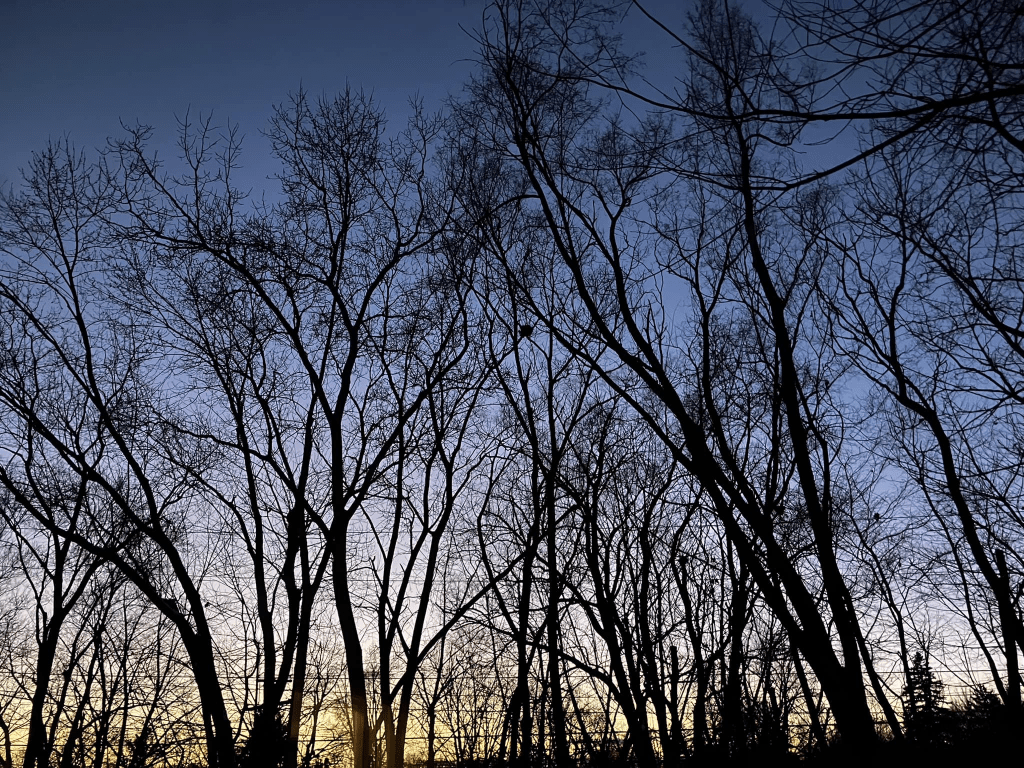
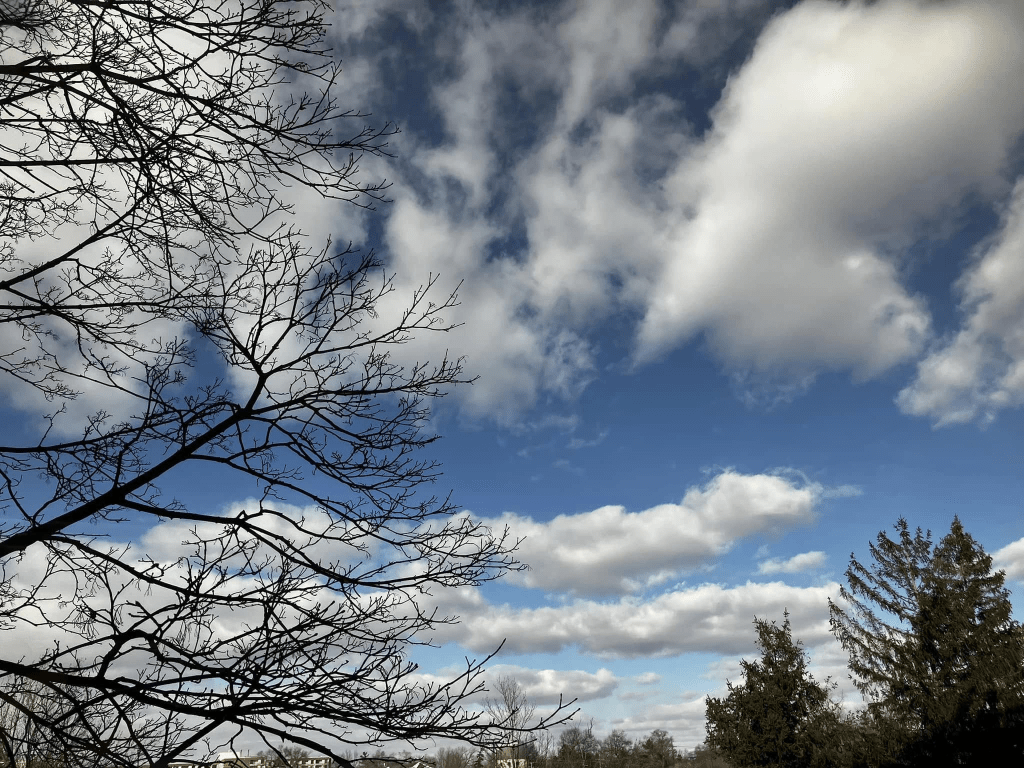
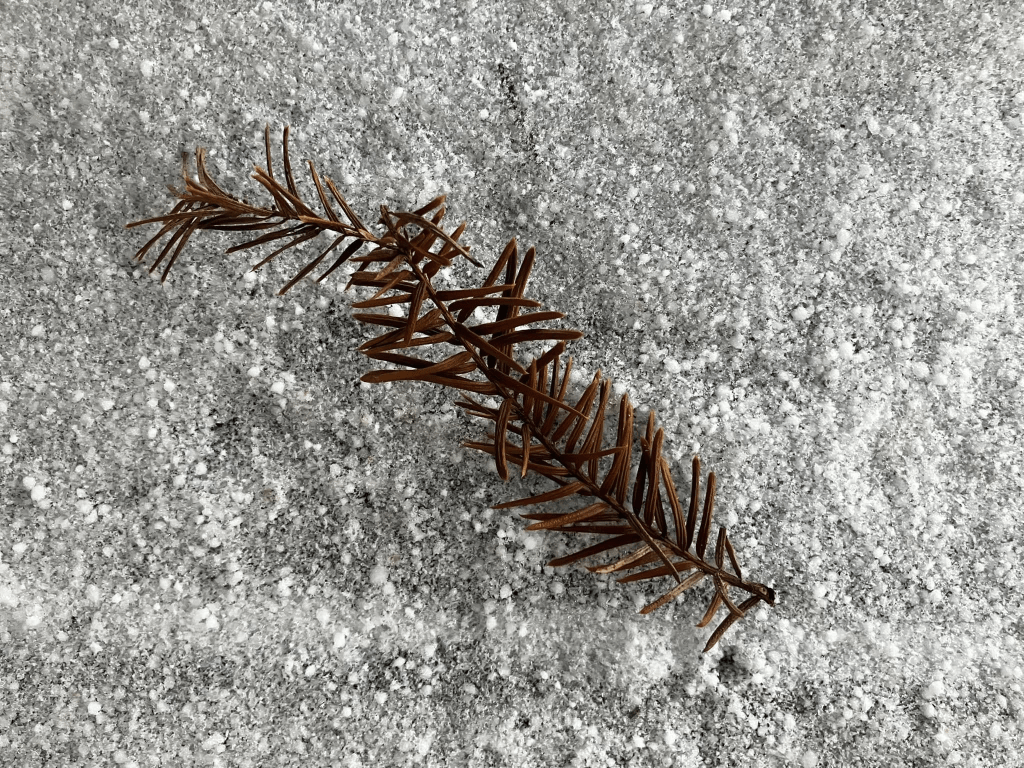
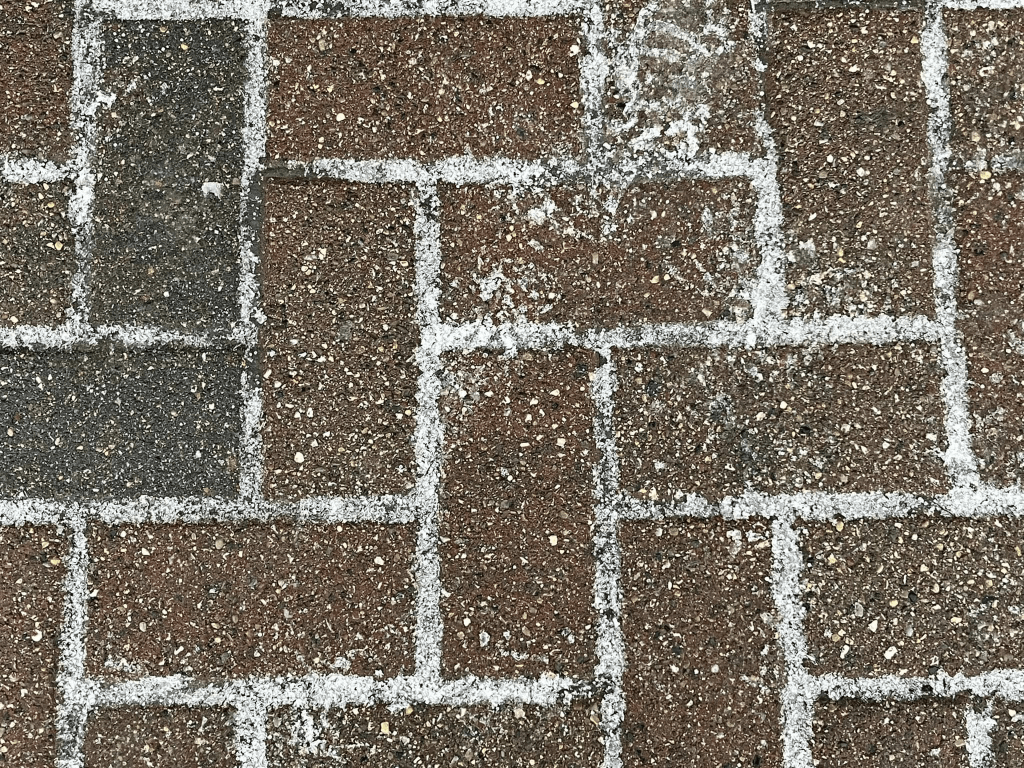
Different terrain this week. 🙂


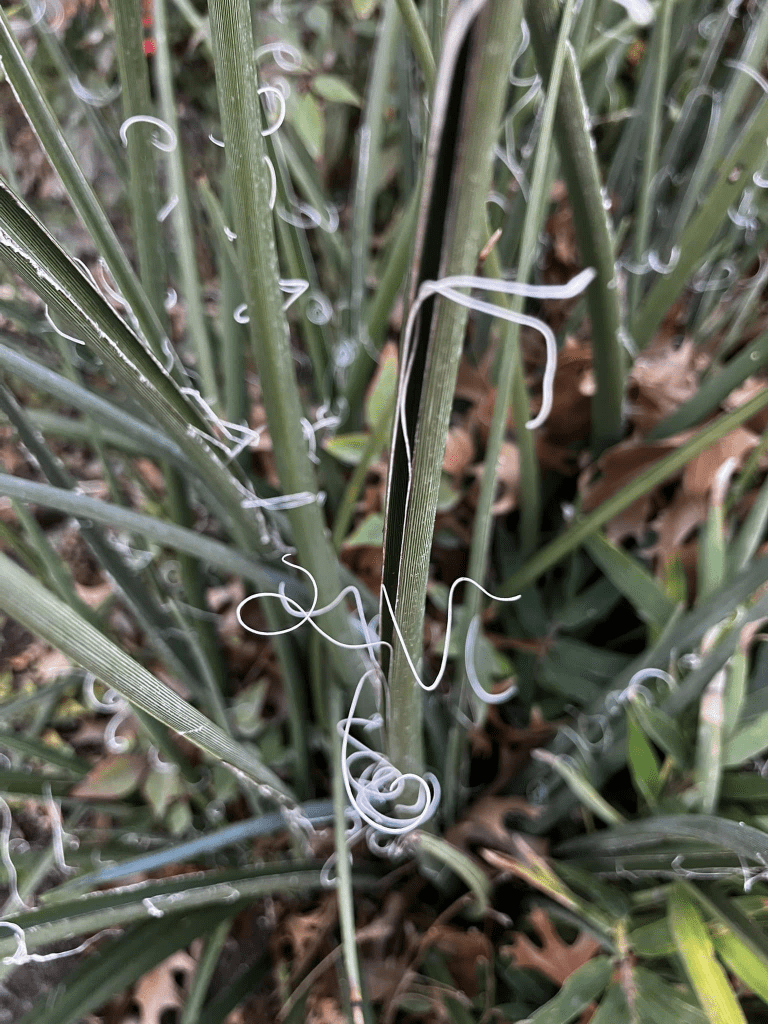

— Photos by Renee Roederer

Think about a skill you’ve developed in your life, and recall when you first started taking an interest in it.
Can you remember a time when someone—a teacher, a parent, a friend, a coach, or even a stranger—said something like, “You’re good at that”?
Sure, maybe there was natural talent there. After all, they noticed it. But could it be that we started down this path because someone else saw something in us? And perhaps, at the time, we hadn’t yet recognized that we were truly “good at that”?
You might be thinking of a skill or hobby you started in childhood, but often, we discover these abilities in adults too. Have you ever considered the impact you could have by sharing your observations with others?
“Hey, you’re good at that.”
— Renee Roederer
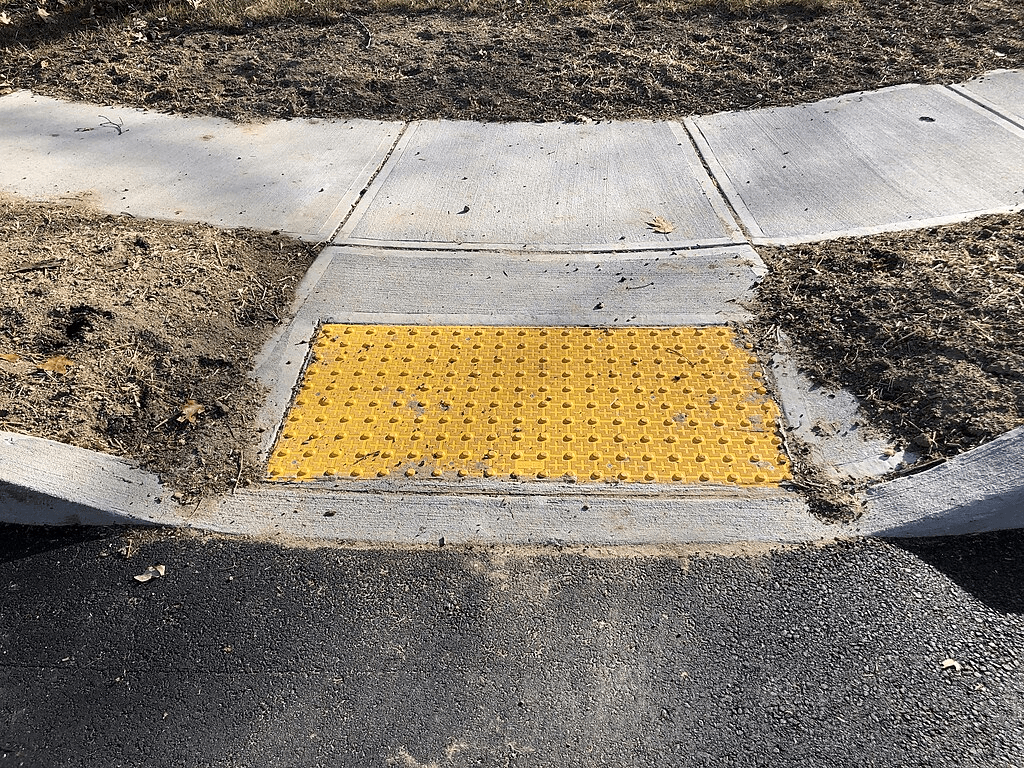
Do you know what the curb cut effect is? It’s both a tangible concept and an analogy. When we started creating curb cuts—ramps that allow people using wheelchairs and other mobility devices to access sidewalks without the barrier of stairs—it turned out that this change helped many people who don’t use these devices. Parents pushing strollers, people riding bicycles, and kids on scooters all benefited from these small, thoughtful changes.
The core idea is simple: when we provide access for those who face the greatest barriers, we remove those obstacles for everyone. At the same time, we uplift everyone’s needs.
On the other hand, when we target and scapegoat a population of people, increasing barriers for them, it can harm many others in the process.
We’re seeing something like this in Texas v. Becerra. This lawsuit claims that Section 504 of the Rehabilitation Act of 1973 is unconstitutional. Why? Last year, in the preamble (the application rule, not the law itself), gender dysphoria was mentioned as a possible disability. Some people are so determined to erase the experiences and personhood of trans people that they are willing to overturn a law that has been a historic game-changer for people with disabilities. Section 504 provides accommodations for students and adults with disabilities in both education and healthcare settings.
Some people stand so firmly against trans children and adults that they’re willing to erase their needs with great disrespect, all while undermining a landmark piece of legislation that hundreds of disabled people fought for in protests, sit-ins, and an occupation of a federal building that lasted for more than 25 days. Trans people should not be maligned in this way. Disabled people should have their rights upheld.
In this era we’re living in, if we haven’t realized it yet, we’ll soon see how right Martin Luther King Jr. was when he wrote in his Letter from a Birmingham Jail: “Injustice anywhere is a threat to justice everywhere. We are caught in an inescapable network of mutuality, tied in a single garment of destiny. Whatever affects one directly, affects all indirectly.”
Our needs, our personhood, our loves, and our communities are interconnected. We must stand up for those most scapegoated and maligned. Every person deserves this. And when we do, we lift up everyone.
— Renee Roederer

I had a dream that one of my most formative mentors had also become my realtor. She was showing me around a home that was about to be mine. I don’t remember any of the details about the house, but we walked outside into this huge courtyard. The brick walls around the perimeter had pink flowers growing at the top. Everywhere I looked there was a sense of spaciousness and abundance.
“All this is about to be mine?” I asked with amazement.
“Yes,” she said, joyfully.
In real life, many years ago, this same person once said this to me:
“You can feel small, but still be as big as the sky inside.”
I was thinking about that again. And I share this to say,
When it comes to you, don’t give up.
When it comes to purpose, don’t give up.
When it comes to meaning, don’t give up.
When it comes to a spacious world, don’t give up.
— Renee Roederer

Please read, and I invite you to act:
I want to take a moment this morning to talk about the importance of Medicaid and ask each one of you to contact your U.S. Senators and Representatives to protect this vital form of health coverage.
Recently, the House and Senate Budget Committees have passed budget resolutions that propose gigantic cuts to Medicaid. In the House, the resolution directs the House Energy and Commerce Committee, which has jurisdiction over Medicaid, to cut a minimum of $880 billion in federal spending. In the Senate, the resolution directs $1 billion in cuts. The only way to do this is by cutting Medicaid, whether through caps or cuts to federal funding or in the form of burdensome requirements.
I’m going to talk about each of these in turn:
— Medicaid protects so many of your neighbors and allows them to have the health care they need, including many children. Nearly 80 million people in this country receive Medicaid.
— Medicaid is so important to the epilepsy community I serve and to many disability communities.
— Even if you don’t have Medicaid, and you don’t know anyone using Medicaid (I feel confident you do, even if you don’t know you do) this could greatly impact your services and pocketbook too.
1) So let’s start with you, your neighbors, and the country as a whole:
Nearly 80 million people rely on Medicaid to access healthcare, including medications, doctor visits, home- and community-based resources. This includes pregnant women, low-income children and families, people with disabilities, and many seniors in nursing facilities. Many of these people need long-term care and support. They deserve to have it. They are unable to pay for it out of pocket. Health care is a human right, and they desperately need and deserve to access it.
2) Medicaid is essential to the epilepsy community, the community I serve through my work at the Epilepsy Foundation of Michigan.
Medicaid is how they get their anti-seizure medications, home- and community-based services, and other vital health care services. Almost 40% of people living with active epilepsy between 18-64 years old receive coverage through Medicaid. Almost one in five children and youth have special health care needs including about 4% of children with epilepsy and seizure disorders. More than one-third of children and youth with special health care needs are covered by Medicaid.
I also want to add this: When a person is unable to work due to a disability — epilepsy or otherwise — and they enroll to receive disability benefits, they are automatically enrolled in Medicaid. Let me tell you that SSDI and SSI (i.e. disability benefits) are not a windfall. Often, they keep people at or near poverty. How are they supposed to pay their health insurance?
3) These cuts may impact you and other services in your states even if you don’t receive Medicaid.
States receive federal funds to administer Medicaid. If these gigantic cuts are passed in Congress, there are still people in states who will need health care. States would then possibly have to cut other services in their own budgets to pay for these needs. This could involve cuts to other vital forms of service.
So please make that call. Please advocate for loved ones and people who you don’t even know. Our needs are connected: When you are hurt, it hurts me. When I am hurt, it hurts you. When we build each other up and make sure we all have what we need, everyone is uplifted.
You may also share this post.
— Renee Roederer

I got out of town to visit some folks. I’ve been looking forward to this, but I don’t think I realized the level to which I needed it. As soon as I arrived, I was hit with a nauseating migraine, exhaustion, and a sore throat. No fair, right? These all passed after the first day, but this reminded me of something.
Sometimes, our bodies wait until we’re in a place of safety, connection, and comfort to feel the stress we’ve been carrying, and often, these turn into psychosomatic expressions of that very stress. I think that’s what happened to me.
So since that time, I’ve been thinking about how wonderful it is to be in presence of these people, not have our days super-scheduled, have fun, and frankly, just be. I’ve already told you that I keep myself informed by engaging the news intentionally (important) but don’t let myself be interrupted by news throughout the day (also important). I think I’m also realizing how much I’ve needed some normalcy.
This is not about putting our heads in the sand. We listen, we care, we act.
But it’s okay to take a break, too. In fact, our bodies may need that very much. So if you need one more person to give you that encouragement, feel free to hear it from me: Take the break.
— Renee Roederer

I’m writing a book, and this feels important to me. It’s about a spirituality of kinship — What does it mean to choose one another? What does it mean to widen our sense of connection and belonging? What does it mean to shift our understandings of family so that they are not limited, filled with barriers, or exclusive, but instead, wildly expansive?
I love these questions. They’ve been sitting with me and shaping me for a long time.
And since it’s what has formed most closely, I’m exploring this book through the lens of some of the teachings, symbols, spirituality, meaning-making of Jesus. But I hope to cast a wide vision (I mean, that’s what the book is about!) so that people feel they can explore the themes of kinship through the teachings, symbols, spirituality, and meaning-making of their own lives — above all, reflecting on the relationships we have with great gratitude and appreciation.
At the moment, I’m between two different subtitles, but the one-word main title (before the colon-to-be) is
Beheld
This book begins with a narrative that’s important to me, one of seeing and being seen, perceiving, and marveling in the presence of each other, and it expands from there — Beheld.
I finished the first chapter of this book last weekend, but I want you to know I’ve had an outline and have been writing this book in my head and heart for seven years. It’s time to get it on paper (or screen) because above all, this feels like a need-to-write love letter to everyone I’ve ever loved. Whether mentioned directly or not, you need to know that this book is peopled from beginning to end.
And then I’ll add one more addendum here because it’s important for this moment we’re living: I don’t need someone to be a Christian, either by belief or background, to read this book or be in conversation with it. This is about all of our relationships. But I must also add, when I see so many people weaponizing these symbols that are beloved to me to harm others, I want to articulate something in the opposite direction. I hope this book offers an experience of feeling embraced.
The book weaves together spiritual reflection and personal life stories. Mostly, it’s prose, but there are some poems too. And since we’re talking about an expansive vision of belonging, here’s a poem from chapter one.
The Universe
Sometimes, I marvel at who is in my life.
Sometimes, I am stunned to ponder that I could begin alone
then
become
connected
to
who after
who after
who after
who.
And this never ends.
It’s like a Big Bang, really.
A Whole Universe of Belonging.
We each start as a singularity.
Then
each one of us
bursts forth,
brought into an abundance of connections,
born anew bit by bit
through the particularities of relationship.
And these particularities
create
build
form
nurture
cultivate
and
renew.
They expand.
This is an ever expanding Universe —
this Cosmos
of
who after
who after
who after
who.
— Renee Roederer
While it’s certainly not limited to these, I want to give some shout outs to communities that are absolutely central to the creation of this book:
— This book bursts forth (to quote my poem above) from my experience of being raised in and by St. John Presbyterian Church in New Albany, Indiana, where a big circle of people chose to interact with me and love me as if I were their own daughter. I have been building and shaping a big, beautiful chosen family ever since (more on that in a moment). This book would not exist without who you have been in my life.
— This book begins with a vision and metaphor (and is, in fact, named after) a powerful experience I had at University Presbyterian Church in Austin, Texas. I can hardly believe how many pivotal people came into my life through my connection to this church community. And for UPCers reading along, the very first words of chapter one begin with a question our beloved Bobbie Sanders once asked me: “Did you ever have a thought you didn’t think?” (Referring to many experiences of intuition.)
— The whole outline of this book exists because of an 11-part sermon series I was invited to lead at Northside Presbyterian in Ann Arbor, Michigan, during the summer of 2018. This book wouldn’t exist without you. Thank you. 💜 I’ve been dreaming this up ever since.
— Throughout these pages, I am deeply influenced by the Disability Communities and Queer Communities I am connected to and a part of. Their visions of interdependence and connection have transformed my lifeand continue to change me all the time.
— I have been privileged to build and be built into an incredible chosen family network that has expanded over time. There are so many individuals who are profoundly close to me—people who are parents, siblings, children, and relationships that need no label because they transcend them—with no biological ties at all. Just choice after choice after choice.
They are written all through the pages of this book, whether named or not.
And this is a love letter to them.





 Smuggling Grace