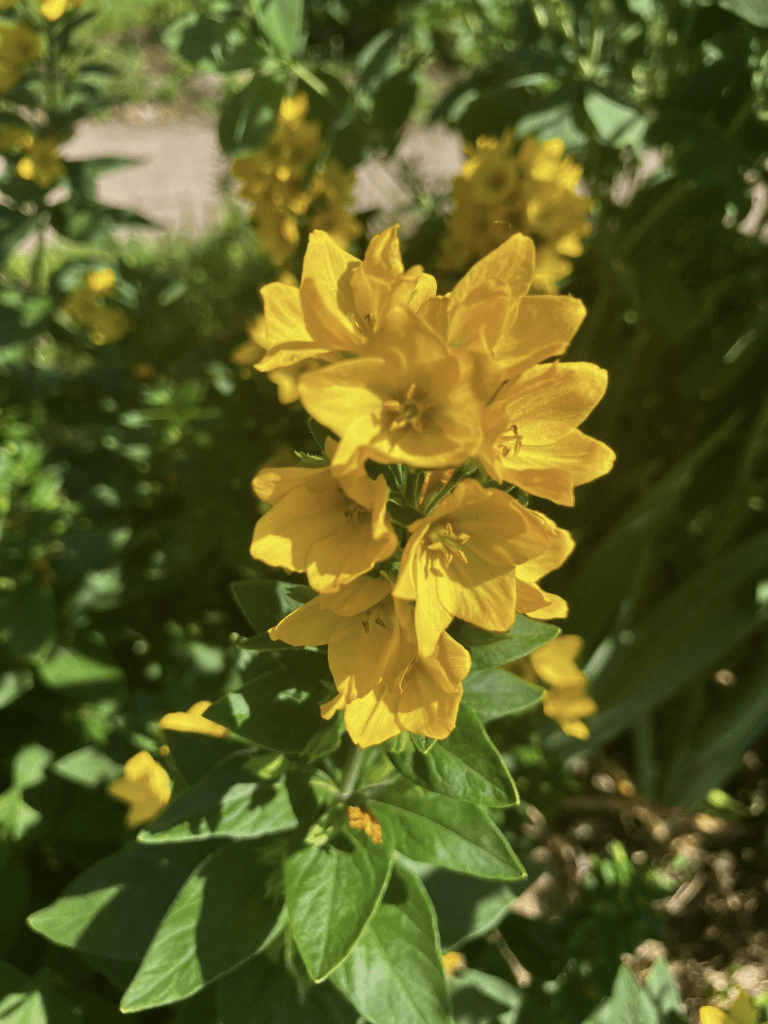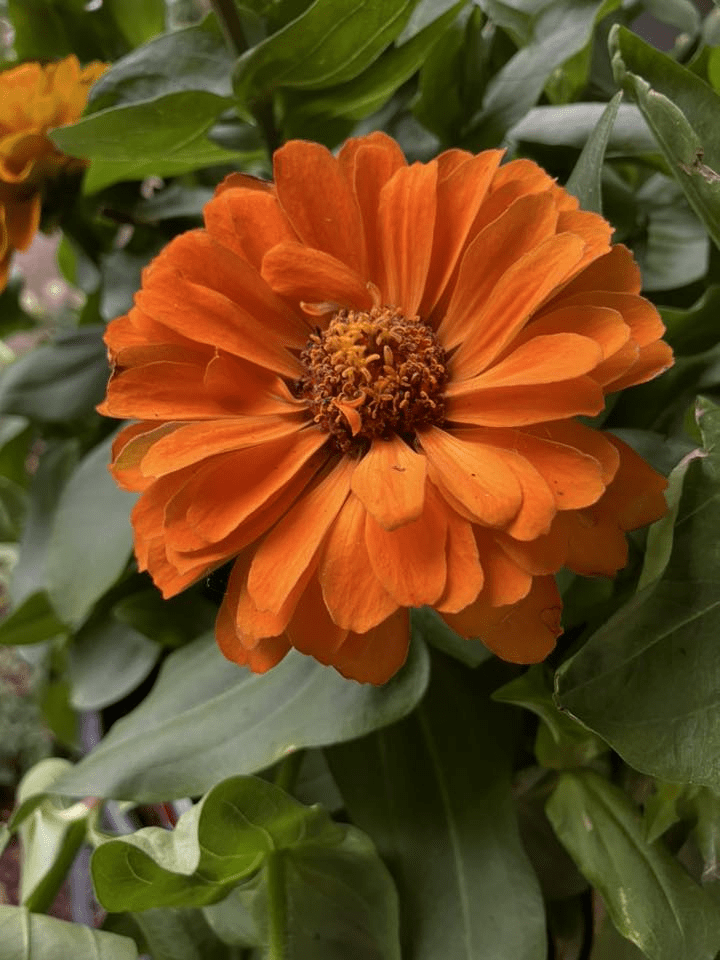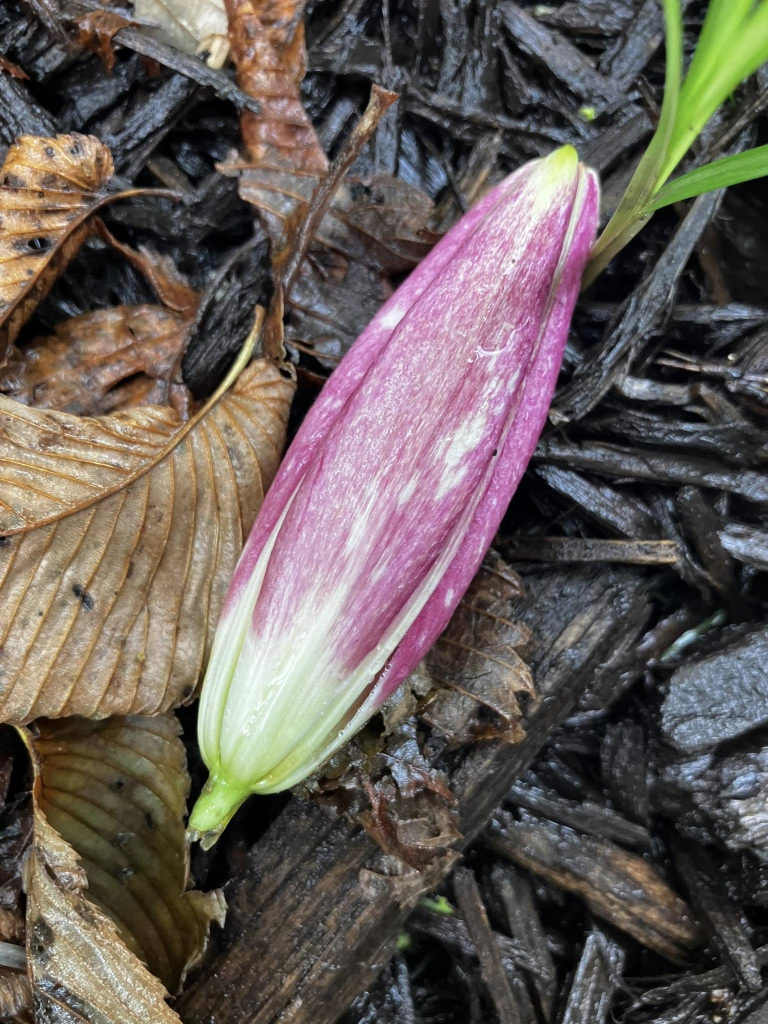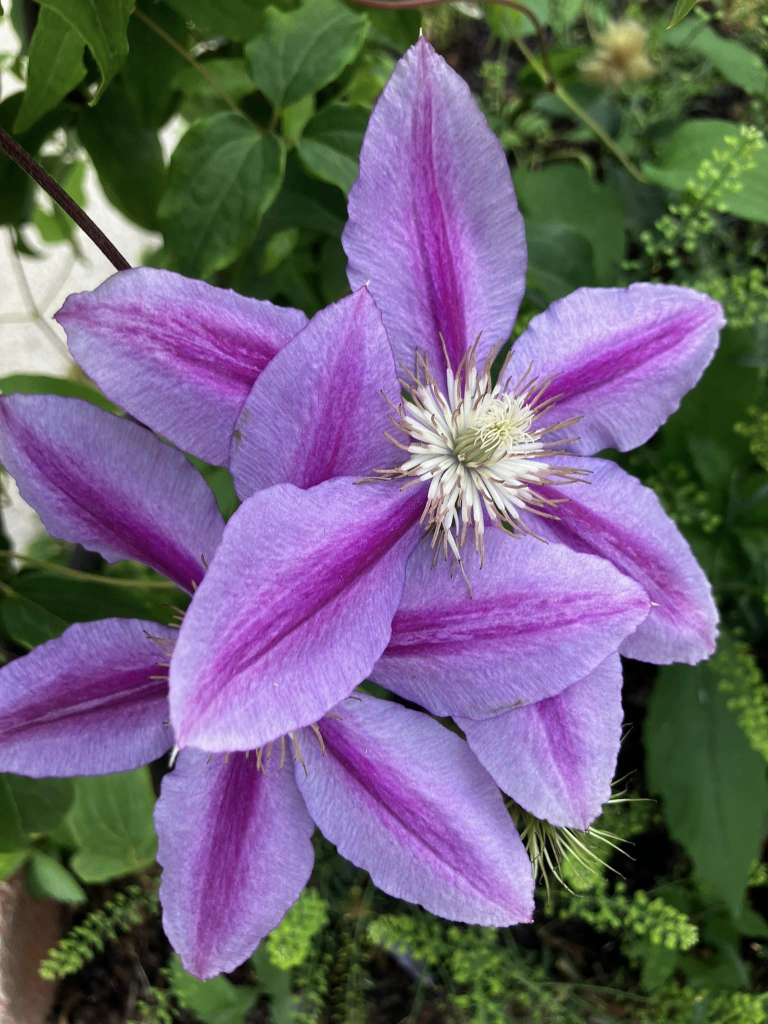




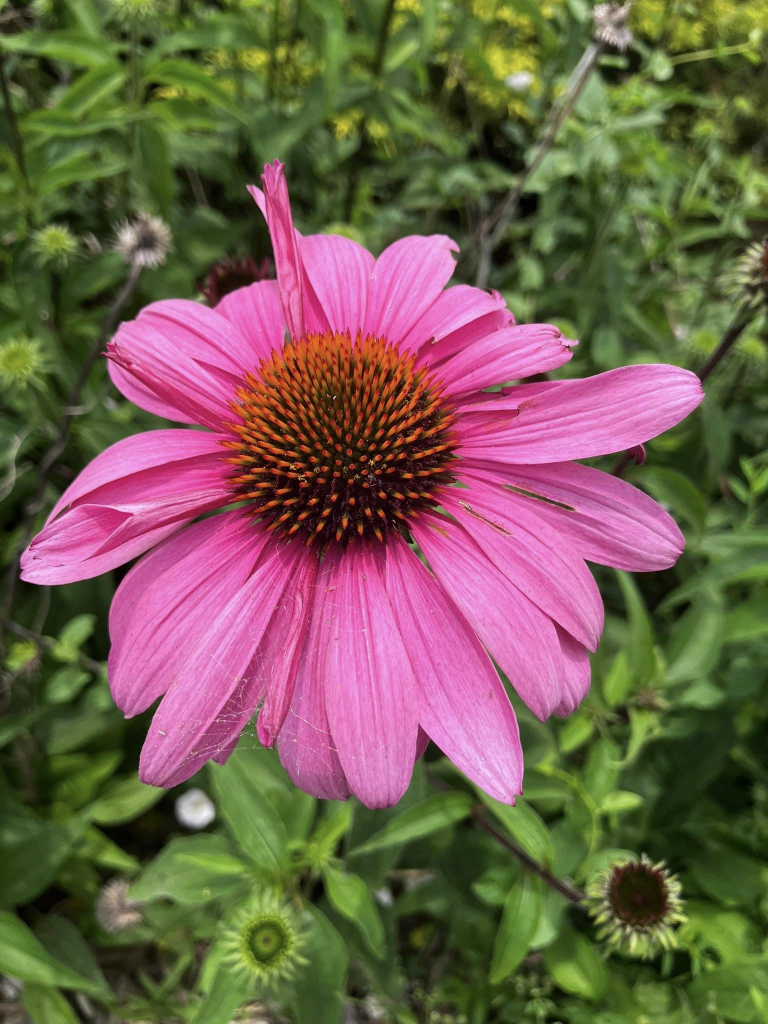
— Photos by Renee Roederer
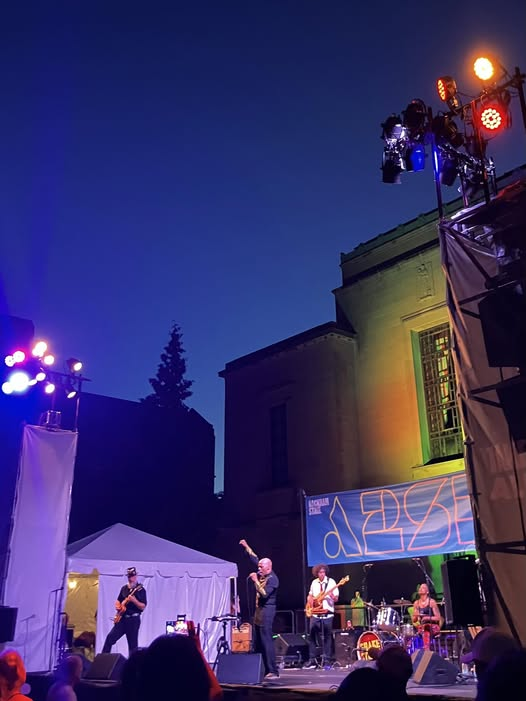
Last weekend, I had the pleasure of hearing the premiere of a new song. It was so new, in fact, it didn’t yet have a name. But it did have a prominently featured lyric: The promise of freedom is so strong.
The band Shake Steady was performing at the Ann Arbor Summer Festival, and before introducing the song, lead singer Sean Ike asked the audience if we knew about Robert Smalls. I didn’t, but he gave us a summary of his story. I’ve since visited his Wikipedia page, and I’d like to share a bit of what I learned:
Robert Smalls was born in 1839 in Beaufort, South Carolina, as an enslaved person. But his life would become a remarkable story of courage, resistance, and leadership. During the Civil War, in an act both daring and courageous, he commandeered a Confederate transport ship and sailed it straight out of Charleston Harbor to Union forces, securing freedom for himself, his crew, and their families. That moment was both an escape and a declaration of dignity.
After the war, Robert Smalls became a vital leader during the Reconstruction era, serving five terms in the U.S. House of Representatives. He used his voice to advocate for public education, civil rights, and the full inclusion of Black Americans in civic life.
As Sean Ike shared from the stage, “Robert Smalls went from being enslaved to escaping and securing his freedom. Then he helped his family escape. Then he became a U.S. Representative in the House of Representatives. Not many have seen that kind of change.” Robert Smalls created change—and expanded it for others.
The new song was about his escape. And repeatedly, Sean Ike sang:
The promise of freedom is so strong.
The promise of freedom is so strong.
The promise of freedom is so strong.
I lift this up on this Independence Day. This holiday comes annually, but still, many are actively oppressed, and the lives and liberty of many remain at risk. Even so, I’m reminded: the promise of freedom is so strong.
We can work to carve out more pathways to that freedom. As Fannie Lou Hamer said, “Nobody’s free until everybody’s free.” The promise of freedom is so strong. What will we do with that invitation?
— Renee Roederer
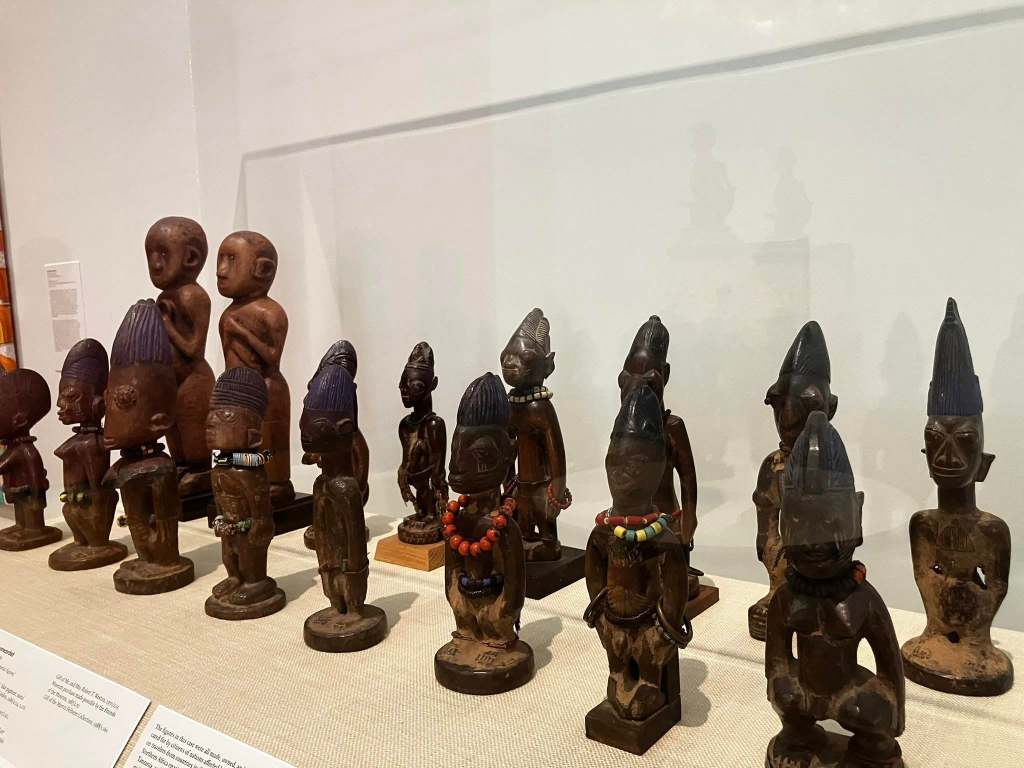
The University of Michigan Museum of Modern Art (UMMA) has an exhibit titled We Write to You About Africa. These figurines were made, cared for, and owned by citizens of countries in the Middle East and North Africa that were affected by the 2017 U.S. travel ban issued by the first Trump administration. In 2020, Nigeria, Eritrea, Tanzania, and Sudan were added as well, making it nearly impossible for citizens of these countries to visit the United States.
With this and additional bans, it has become easier for some objects to access the United States than for the artists who created them. A marker in the UMMA exhibit states:
“We present this display case to remind our visitors of these discrepancies in mobility, and how such restrictions limit who can enjoy, and who can interpret, works of African art in museums the Global North.”
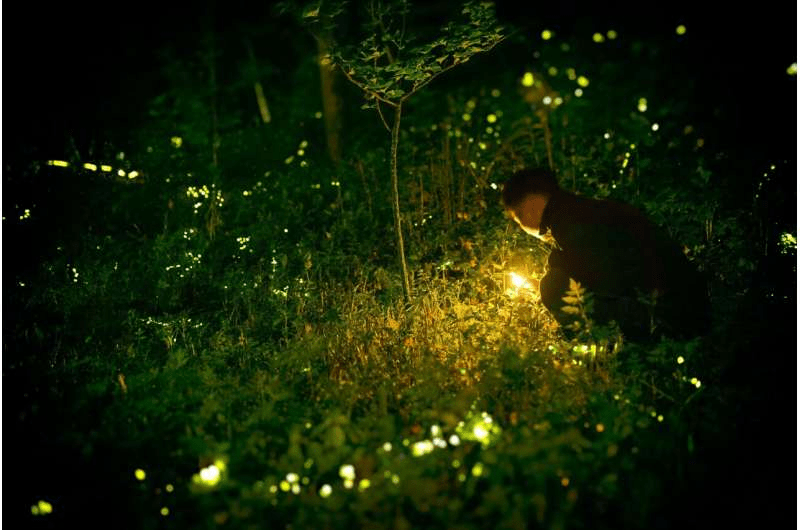
I stepped away from my car and did something I do nearly every day of the year: I was walking from my driveway toward the front door of my house. My mundane activity was interrupted when I saw green blips from various places in my yard. For me, this was the first sighting of lightning bugs this year (or fireflies, if you’re from other regions). They have emerged.
But in addition to arriving once more, there is also a concept called emergence. Though they were not right next to one another, or interacting (at least in ways we humans might call interaction) they seemed connected, because their green blips lit up in near-synchronous rhythms.
Moments before, I didn’t even know they were there. And now, they were revealing themselves — yes, in different places, but also as a complex, interconnected system. I don’t even understand this, but I can marvel at it.
There are so many ways that humans seem disparate and separate. And we definitely behave that way at times, lacking empathy or even calling empathy something dangerous (can you believe people are actually saying this?). Whether you call it selfishness, greed, total depravity, social entropy, or something else altogether, these are real forces for evil, and they show up in our communities and inside us.
But still…
And…? Still?
Might we be more connected than we think? Might we be capable of more? And right now, might there be circles of human beings working for good — some out in the open, and some under the radar — ready to emerge at the right time?
What if an emergency, or layers of emergencies, is precisely the right time for emergence?
— Renee Roederer
I do not have the words to adequately express the degree to which I completely and utterly love summer. For instance…
Last night, I hopped in my car at 10:15pm and drove down to the two-week-long summer festival in my town. It was the closing event of the final night. I knew I was going to arrive late for this last movie of the season. I also knew I was going to leave early. Just a half hour of enjoying this.
I really did. There I was with a snack of yogurt, seasonal strawberries and blueberries, and chocolate. I joined hundreds of people in my town, sitting outside to watch Wicked: Part 1. I couldn’t find any empty seats, so I just sat on the grass. This is not at all strange; others were doing the same. I took off my shoes, feeling the cool grass beneath my toes, and smiled when Elphaba finished singing “The Wizard and I,” and the crowd applauded. (Cynthia Erivo always deserves applause in my book.)
Then something delightful happened. I’m still giggling about it. I’m not sure if anyone else broke into song afterward, but during my particular 30 minute screening, it turned into a one-word singalong. And, if you’re not a TikTok user, please forgive me for this reference, but here’s the moment: During the song “Dancing Through Life,” Nessa sings, “We deserve each other… me and—” and lots of people chimed in with, “Boq.” Just that one word, sung with perfect timing and a perfect fifth down.
…“Boq.”
At that moment, a collective laugh erupted from the crowd.
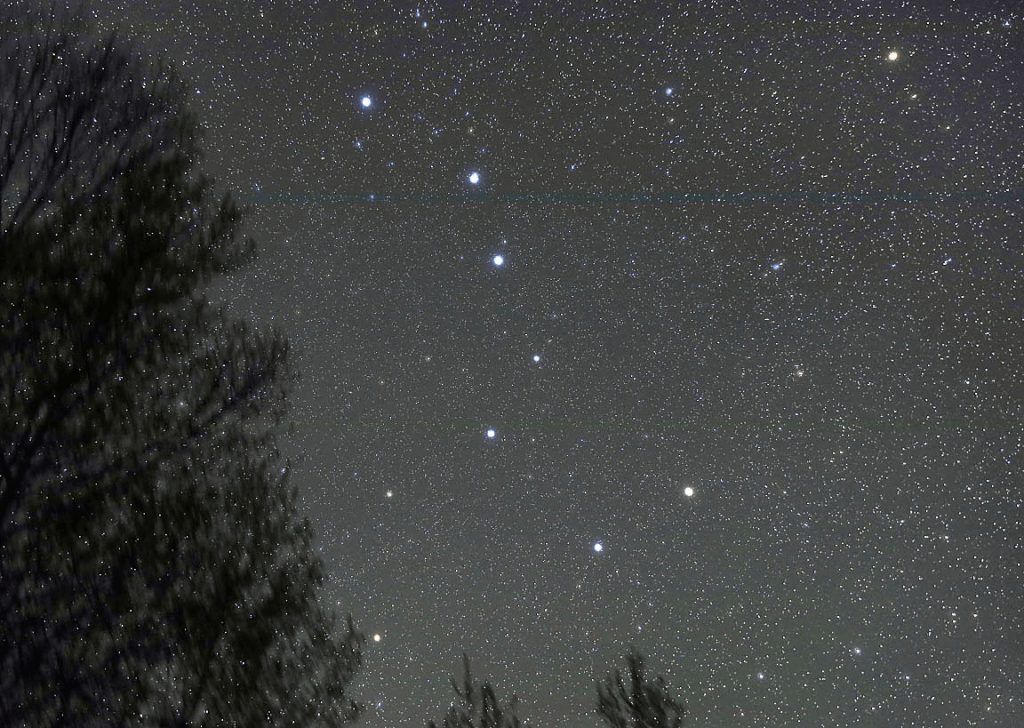
TikTok references aside, I eventually decided to lie down in the grass and just look up. There, above me, was the Big Dipper, spilling whatever contents it’s carrying in our direction.
I love summer. It is my wake up call to be a person who savors.
There is so much on my mind and heart these days as I think about our collective experiences. I know that’s true for so many of you, as well. I think about people who don’t have the luxury to lie in the grass, feel safe with fellow townspeople, watch a musical, and view stars. I’m mindful of them, too.
When we find those moments of savoring, I hope we can take them in with deep gratitude. And then, I hope those moments can propel us toward working for a world where everyone has the opportunity to enjoy summers — on their own terms, with their own beautiful choices.
— Renee Roederer

Dear Friends,
As I reflect on this journey of writing and sharing with you, I’m filled with gratitude. Your support, whether through reading, commenting, or simply being a part of this community, means the world to me. The conversations we’ve had, both in public and private, continue to enrich me greatly. Thank you for being here.
Today, I want to share something a little different from my usual posts. I make a point to keep my writing accessible to everyone, offering it free of charge. I’ve chosen to remain outside of paid platforms like Substack so that these words can remain fully accessible. This is something I feel strongly about, and I plan to continue.
However, once a year, I open a small window for those who might like to offer support. If you’ve found something meaningful in what I share and feel moved to do so, I’d be deeply grateful for a small contribution through PayPal (link below). Your support helps cover the costs of maintaining this site and ensures that I can keep the content coming. Or, you can think of it as treating me to a coffee (or a few!)—a small gesture to show your appreciation, should you feel inclined. Please know that this is entirely optional, and there is no expectation. Your presence here is more than enough.
If you choose to contribute, you can do so here.
Again, thank you for being a part of this community. I’m so fortunate to share this space with all of you, and I look forward to continuing this journey together.
With appreciation,
Renee
“I don’t know if this is that big of a deal, but it’s fun.”

This is a migrant poem
a farmworking poem, a poem that covers itself
in long sleeves to avoid the burning sun.
That drinks enough water to avoid
dehydration but not enough to get water sickness.
This poem carries a machete, a hoe, a spade,
a knife, shears, and a file for filo.
This poem walks irrigated rows collecting mud
on its boots that add five pounds to each foot.
This poem guards the cornfield where his sister,
his mother, and his cousins, squat to pee.
This poem ducks down hitting the dirt to avoid the
echoing crop duster spraying anti-poem toxins that
burn our eyes and throats.
This poem is egg and chorizo burritos in aluminum foil,
steamed shut by the heat waiting for you at lunch
in a foam cooler in the trunk at the end of rows of soybean. This poem.
This poem smells of blood—and meat.
This poem flows from carcasses into open drains
of slaughter houses, on kill floors, in chilled freezers
with knives cutting, cutting, cutting, cutting—always cutting.
They duct tape knives into this poem’s hands
to cut even when its cut hands can cut no longer.
This poem is a gift of a strong back, of sturdy legs,
of silence, of patience.
And a never-ending work ethic
a never ending work ethic
a never ending work of ethics.
This poem shows you the bigger picture.
This poem is pragmatic, strategic, and erratic.
This poem reaches as it climbs ladders, as it stoops over,
as it pulls from branches, vines, as it unearths other poems
and tosses them into buckets and sacks slung across its stanzas.
This poem is paid by the word, by the piece,
by the hour, by the day, by the acre.
This poem has no benefits, no days off,
no health insurance, no childcare.
This poem is child labor. This poem is sexual assault.
This poem is deportation. This poem is missing wages,
broken vehicles, sunstroke.
This poem avoids irrigation ditches where
La Llorona hopes to drown it.
This poem knows she commands water and sends waves
of humidity and tempting mirages of cool rippling lakes.
This poem wears a rosary and a scapular and prays to St. Francis of Assisi
to protect them from snakes and rats that live in the fields
and to St. Michael the archangel to protect them from the farmer’s son
who watches his sisters
who follows his sisters
who pulls at his sisters.
This poem wakes up early, works all damn day, sweats all damn day.
This poem always needs a shower to wash off the dirt, to wash out the dirt,
to wash away the dirt.
This poem goes to bed early to do it all again
tomorrow.
This Poem is a Migrant Poem.
A. Farm. Working. Poem. ~ Miguel M. Morales, This Is a Migrant Poem