Visualizing the Connections
Yesterday, I wrote about my experience rushing back to my house — so mindless — ironically, in order to lead a virtual program called “Mindfulness Moments.”
But then, once I sat down and actually started, my co-leader, a gifted therapist, started leading us in a visualization exercise. She spoke beautiful words about connection, and we began to visualize people, places, and pets that matter to us.
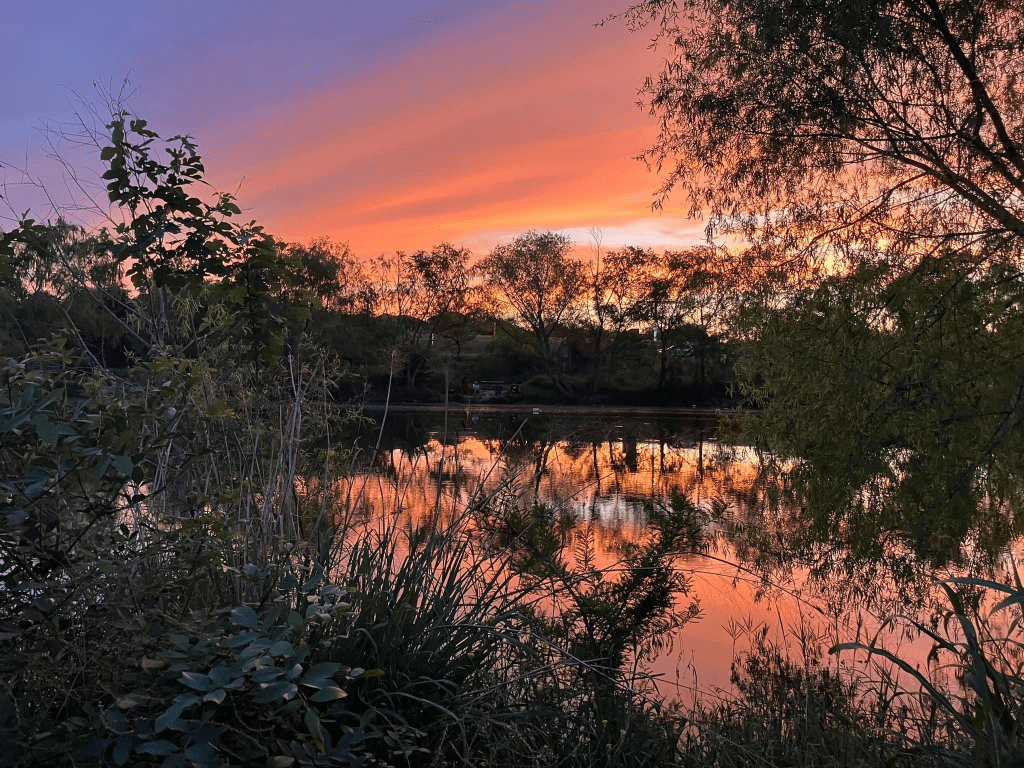
During this time, my mind especially landed on places, and I sat there quietly, visualizing images of places I’ve been throughout the U.S. and the world. These are places of great beauty and places where I met people I love.
This was such a simple experience. Sit down. Remember. Imagine. Observe. Have gratitude.
And we have access to our imagination all the time. We can tap into this any time we want.
—Renee Roederer
“Watch More Sunsets”
After turning out of a parking lot, I ended up behind a car with a bumper sticker that said,
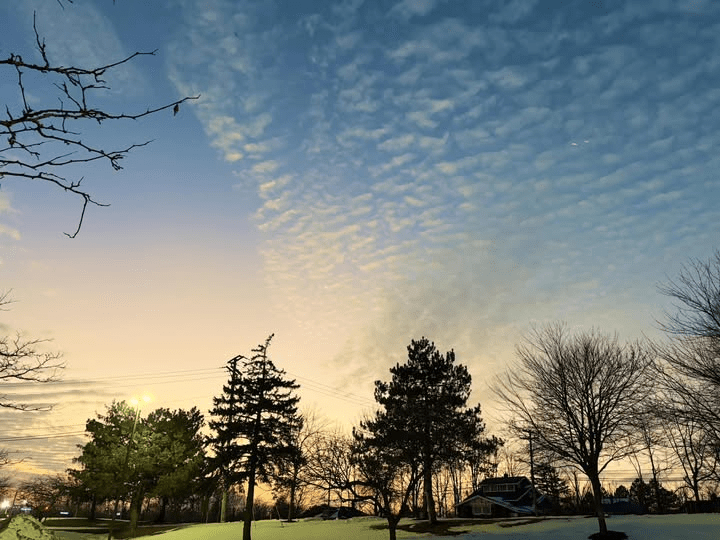
“Watch more sunsets.”
I laughed, given the context. I was rushing home after running errands and was doing what I could to make it home on time. I did, but just barely, and at stoplights, I was eating a piece of pizza in my car. Here’s the irony: I was trying to get home quickly to start a monthly Zoom offering I co-lead called “Mindfulness Moments.”
A therapist and I provide space for people to slow down and practice mindfulness and reflection together. I was doing everything but that. The bumper sticker woke me up to that.
Yes, definitely slow down. Yes, definitely be more mindful. Yes, definitely watch more sunsets.
—Renee Roederer
Expanding the ‘We’
I thought Bad Bunny’s Super Bowl Halftime Show was joyful and brilliant.
If you haven’t seen it yet, his performance closed with a litany of blessings for America, as people carried flags from every nation in North and South America. “God bless America,” he started, and then he named every one of these countries, closing as he held a football that said, “We are America.”
In the background, a banner read, “The only thing more powerful than hate is love.”
Bad Bunny expanded the “we.” People from all of these countries have lived in the United States and contributed to it. But what I loved most is that he cast a vision to expand how we define the word America. This was joyfully subversive.
And I wonder, in a variety of contexts, how do we need to expand the “we”?
You can watch here or below.
I Have an Artificial Lens in My Eye (Way Cool)
I had cataract surgery last week.
When I share this with people, they’re usually pretty surprised. I realize I’m not the typical age for this. I’m no spring chicken, but I’m still at least twenty years shy of when most people have a surgery like this.
My cataract developed as a result of a different surgery. When I was a young adult, I had a detached retina. That was actually quite serious, and I needed surgery to repair it. Sometimes that type of surgery leads to the formation of a cataract. That’s what happened to me. Mine was first spotted when I was 30 and grew slowly over the years.
Well, now it’s gone. Bye!
A surgeon removed the lens I was born with and replaced it with an artificial one. I am now a card-carrying member of that club. Literally. They gave me a card. A whole bionic woman, though you can’t tell. I can’t even tell.
Cataract surgery has become remarkably routine, and it’s been that way for decades. (Although cataract surgery was invented in 800 B.C.E., wow.) For most of human history, though, it wasn’t widely practiced, and certainly not with artificial lenses. It’s easy to forget what a medical miracle this really is. Most humans simply lived with terrible eyesight.
And that leads me to a very different thought, though I think you’ll see the throughline.
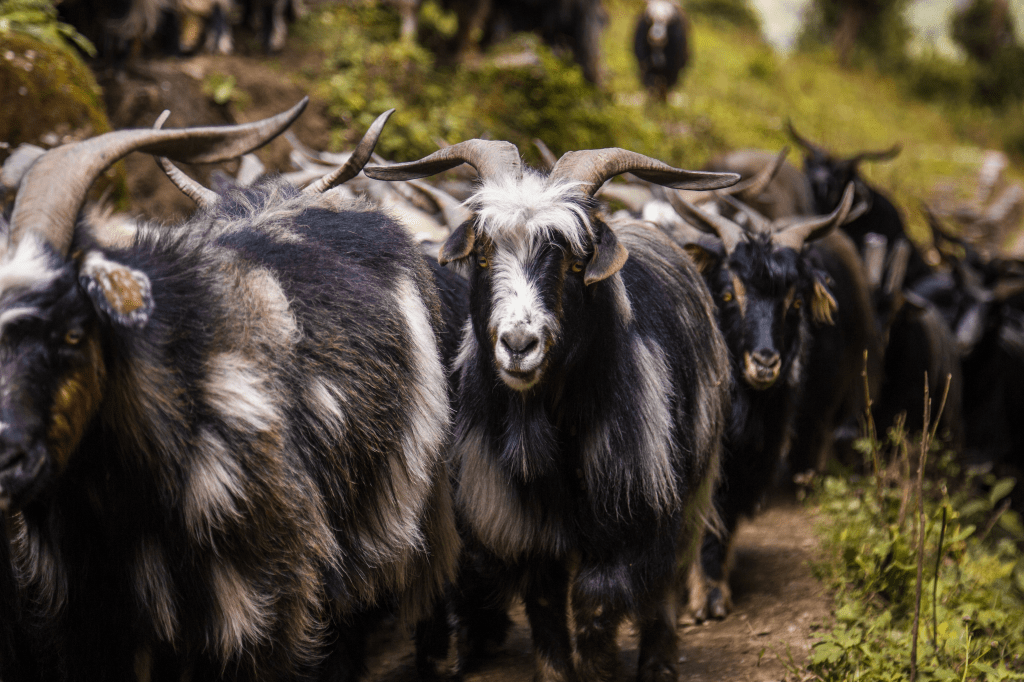
One of the funniest lines in the Bible comes from the Song of Songs, where the writer praises his beloved by saying, “Your teeth are like a flock of goats, and not a one is missing!” This phrase shows up several times in that book. Why a flock of goats? And also, why is it such a big deal to have all your teeth?
Oh! Because it actually was a big deal to have all your teeth. Most ancient people didn’t. I had never really thought about that before. (Though still, why a flock of goats?)
Anyway, I’m grateful for our eyes and our teeth, including the artificial ones. (P.S. I still have all my teeth. What a flock of goats!)
—Renee Roederer
Belonging Warms the Body (Literally)

I learned something fascinating and deeply sad this week: rejection can literally lower our body temperature, making us feel colder.
I learned this while listening to a Radiolab episode titled Kleptotherms. In the episode, the hosts speak with a man named John, who was diagnosed with schizophrenia in his twenties. John shared that he came to expect rejection from others, and over time he began wearing many layers of clothing everywhere he went, regardless of the weather. Multiple sweatshirts and jackets. Multiple pairs of pants. He explained that this sometimes gave him a sense of having a shield, helping him feel more protected from the world around him, and especially from the people in it.
It turns out this practice of wearing multiple layers of bulky clothing, even in the summer, is observed across cultures among some people who experience schizophrenia. It even has a name: redundant clothing.
Dr. Tathagata Mahintami discovered through his research that while this behavior may provide psychological comfort for some, people who wear redundant clothing actually have lower body temperature. This is a physical phenomenon as much as a psychological one.
So could rejection, or the perception of rejection, really lower body temperature?
Dr. Hans Rocha IJzerman found something similar. In one study, participants played a game called Cyberball. They began by tossing a virtual ball with two other “players” controlled by the computer. After a short time, however, the other players excluded the participant entirely, passing the ball only to one another. Afterward, participants were asked to estimate the temperature of the room. Those who had been excluded reported that the room felt colder than a control group.
But it wasn’t just perception. Dr. IJzerman also measured participants’ finger temperature using a digital thermometer, and their peripheral skin temperature actually dropped following exclusion.
As I listened to this episode, I had a personal aha moment too. There was a difficult period in my life when I frequently experienced cold chills without a fever. At the time, I wondered whether it might be a trauma response. It may very well have been the kind of phenomenon researchers are describing.
So let me make a turn here:
If rejection can lower body temperature, it doesn’t seem like a stretch to say that belonging, whether newly formed or consistently sustained, can help regulate it.
We shouldn’t underestimate what inclusion can bring to a person or a community. We have the capacity to make this better.
—Renee Roederer
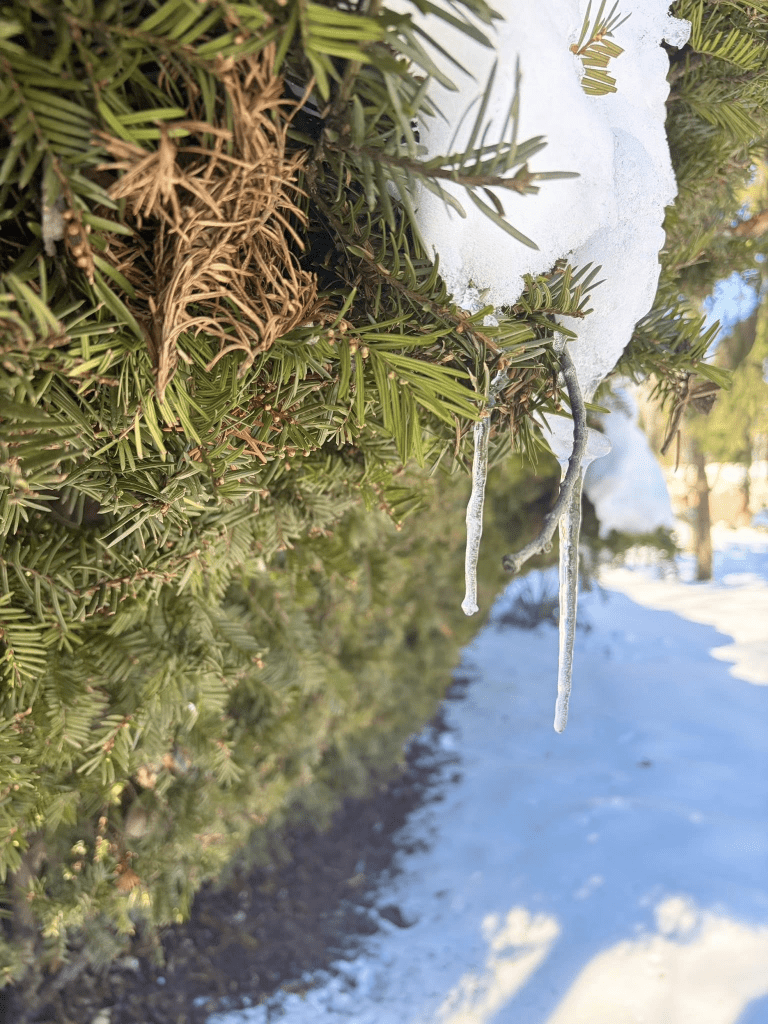
This Week in Nature
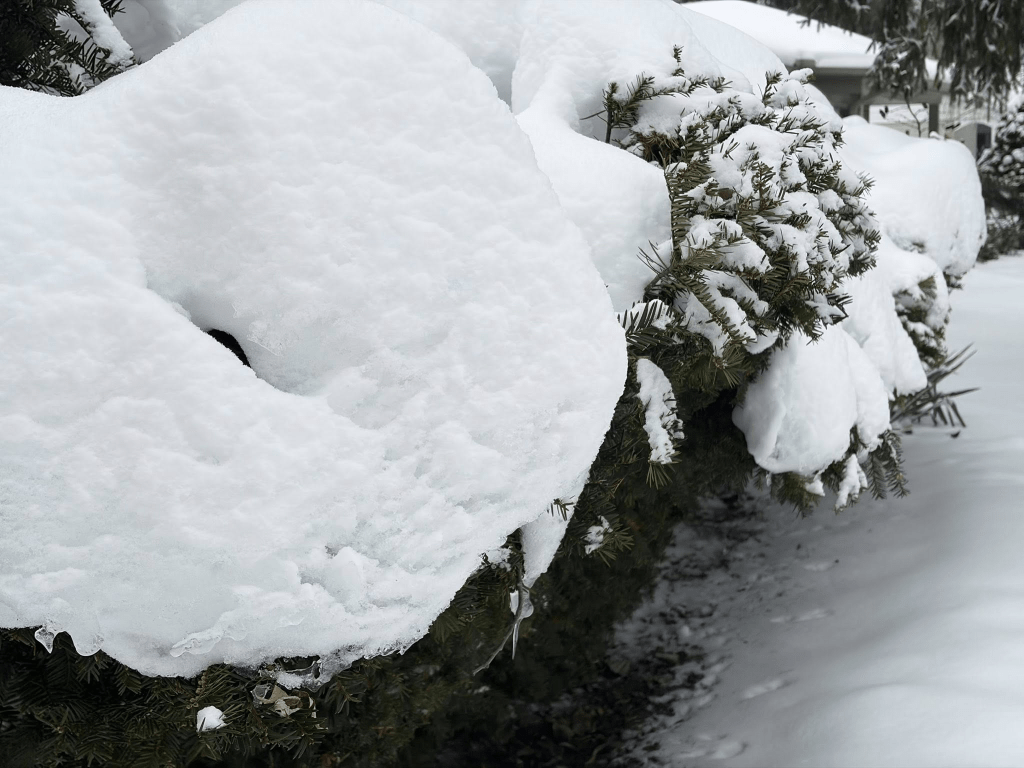
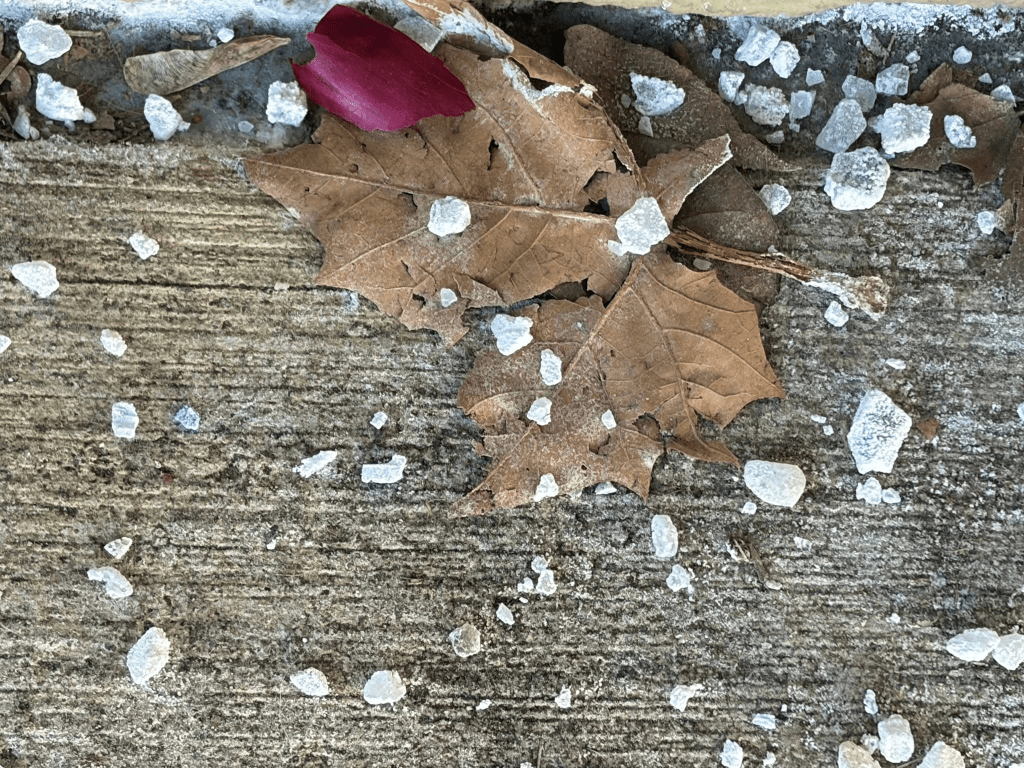
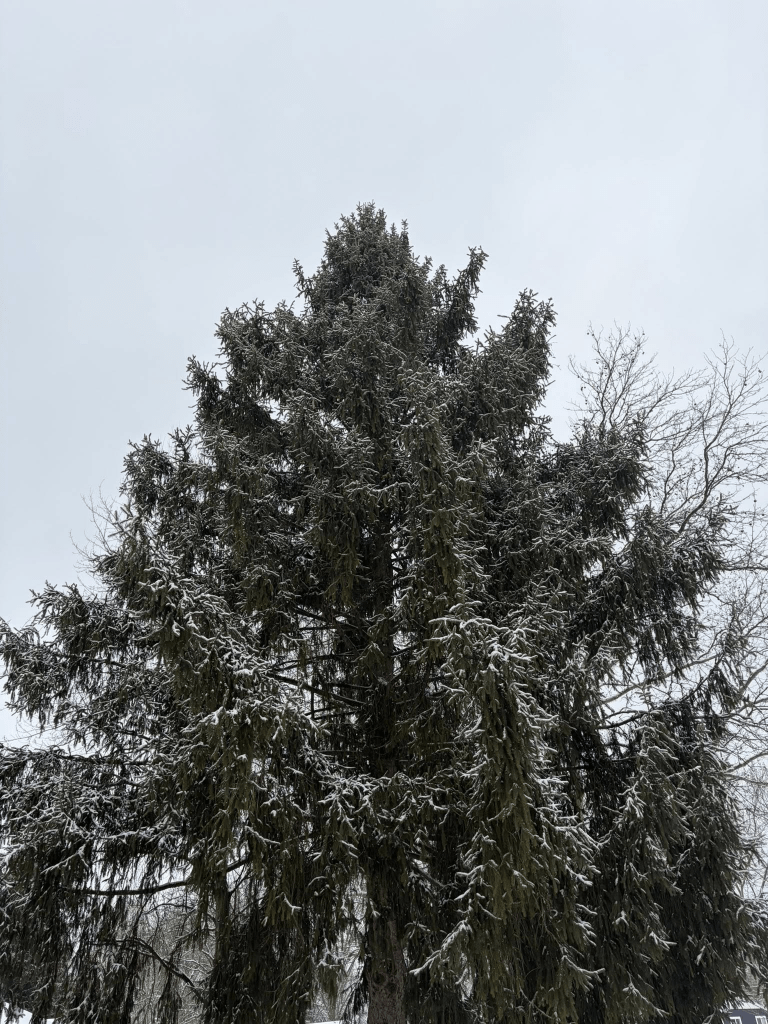
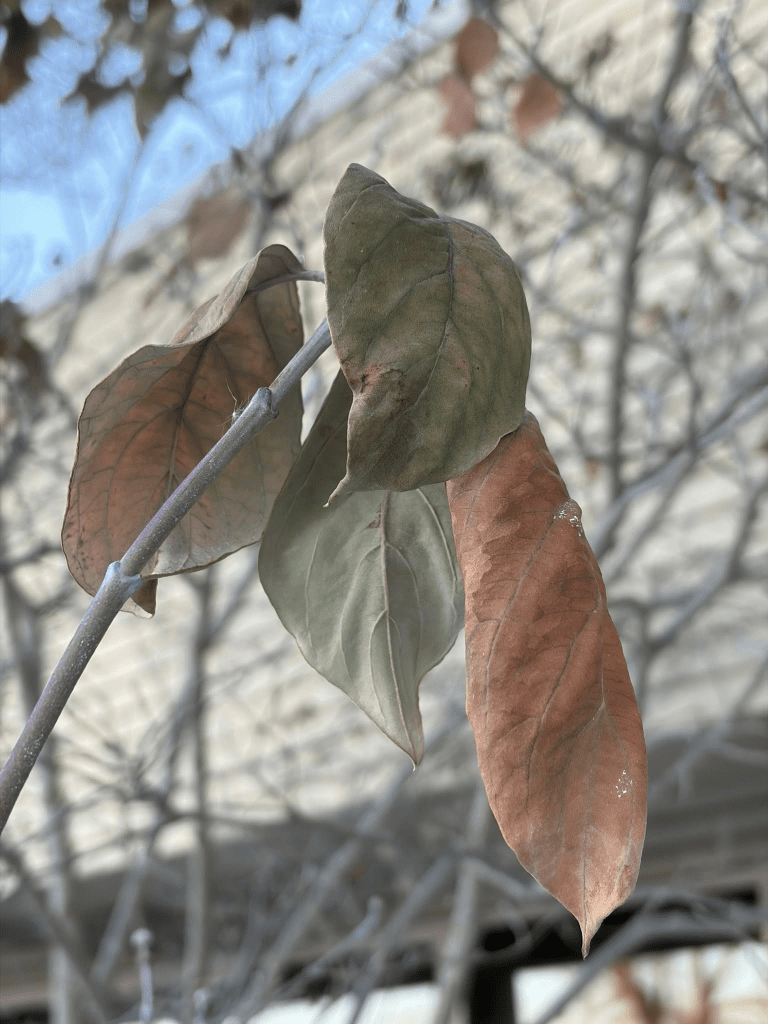


Pikas are Cute
Cute Pika Steals Food from Neighbors. Also David Attenborough is such a treasure.
The Cultural Clashes of Isolation and Connection
I’ve found myself quoting Rebecca Solnit quite a bit lately. Her weekly newsletter, “Meditations in an Emergency,” recently turned one year old, and I find so much there worth repeating. So with that in mind, I’d like to share a few paragraphs from her most recent essay, “When Love Thy Neighbor Is a Cry of Resistance.”
She writes about the clash between movements of isolation and movements of interconnection:
“At the very heart of almost all our crises is a conflict between two worldviews, the worldview in which everything is connected and the world of isolated individualism, of social darwinism and the war of each against each. I call the latter the ideology of isolation.”
and
“At the very heart of the conflict raging in the United States is a conflict about human nature, a deep moral and philosophical conflict. I believe the isolationists will lose in the long run because they are not only out of step with the majority but they are out of step with reality and because theirs is an impoverished version of who we can be, walking away from the possibilities of love and joy and the sense of abundance and connection from which generosity springs.
“In the opposite of the ideology of isolation, we recognize that everything is connected. That is the first lesson that nature teaches if we listen, if we learn, though capitalism and related systems of alienation and objectification taught us all to forget, ignore, or deny it. Nevertheless this cosmology of interconnection has grown more powerful and influential over the past several decades, thanks to many forces seen as separate but that all move us in the same direction: antiracism and feminism which reject discrimination, inequality, and exclusion; gay rights which insisted that gender does not narrowly define who we can be and who and how we can love and become beloved, become family; environmental activism that charts how damage moves downwind, downstream, how sabotaging one piece of an ecosystem affects the whole. The past two hundred years have expanded the idea of universal human rights and equality through revolutions but also through cultural shifts, which themselves can amount to slowmoving, incremental, subtle, and therefore too-often unnoticed revolutions that manifest in a thousand small ways.
“At least as important is the resurgent power of indigenous worldviews, especially in the Americas, because although indigenous North, Central, and South Americans have wildly diverse cultures and societies, most of them insist on the inseparability of humans from nature, on interconnection, and on our role as stewards of nature. In the white world we often talk about responsibility but I prefer what Robin Wall Kimmerer, author of Braiding Sweetgrass, calls reciprocity. Responsibility sounds dismally dutiful, but reciprocity begins by recognizing that nature has given so much and therefore responds with gratitude and love, which makes the work not just giving, but giving back, a beautiful and natural response to abundance.”
Good thoughts to mull over this weekend.
Sylvia

“If you could have dinner with anyone, dead or alive, who would you choose?”
When people are asked this question, many choose historical figures, and those are intriguing options. But for me, my number one pick would be my great-grandmother, Sylvia. She died two years before I was born, and she is the relative I most wish I knew now.
I know very little about her personality or what people thought of her. I also don’t know her hobbies or her likes and dislikes. I see that she was married multiple times, and her first husband was my great-grandfather. She may have loved him immensely, or he may have caused her great sorrow. Or both could be true at the same time.
Though much is unknown about her personally, I know she must have been immensely resilient. That’s because I know her story.
Without her, and without this story I’m about to tell you, I wouldn’t be here. In an obvious way, this is true about all of our relatives. But it’s also true because of the resilience and resolve she seemed to have in abundance. I wouldn’t be here if she hadn’t taken clandestine efforts to save her family and mine.
I am born of bathtub gin.
Here is how that took place:
In the aftermath of World War I, in the 1920s and the start of 1930s, my great-grandfather drank himself to death. This was the era of Prohibition. My grandmother, Sylvia’s daughter-in-law, told me that he would drink any alcohol he could get his hands on, even wood alcohol or ethanol. And so, tragically, and likely in a lot of pain (Maybe from the war? That’s my curiosity, but I don’t know), he died, not very long after Sylvia had given birth to her fifth baby.
And that fifth and youngest baby was my grandfather Jim. Suddenly, she had five mouths to feed and was newly a widow. Likely, the family was already poor, but in 1929, the very week Jim was born, the stock market crashed, too. The nation was plunged into the Great Depression.
I’ve heard this next part two different ways:
— At this point, recognizing she did not have the means to care well for her children, she placed them in a Catholic orphanage.
Or
–At this point, she began her secret business to care for her family, but she got caught, and her children were taken away and placed in a Catholic orphanage.
Whichever happened, I know what she did in the aftermath. My great-grandmother Sylvia became a moonshiner. She began to make bathtub gin and sell it illegally. She did this for years. And when she had enough money, she got her eldest child out of the orphanage. That child began to help her until they had enough money to get the second child out of the orphanage. And then they each helped, one by one, until she received all of her children back into her household.
Jim, my grandfather, lived in the orphanage the longest, until he was 7 years old. It was a remarkably difficult childhood. He told stories about how each Christmas, they brought toys down from the attic to give them as gifts to the kids. But then they would put them back in that attic, only to turn around and give them again the next Christmas. Once, he found a candy bar wrapper with the chocolate already eaten. He kept it just so he could smell it. These experiences must have been deeply traumatic for all of Sylvia’s children.
I would say that the death of their father and their difficult upbringing in a Catholic orphanage were the central generational traumas in my family. I can see unique ways that these have shaped us.
All that being said, alongside generational trauma, which we often inherit and work to heal, might we also inherit generational resilience? If so, do I receive that from Sylvia?
If that is true, it may help explain why many people have told me that I, too, am resilient.
I am born of bathtub gin.
Alongside the approximate 12.5% DNA I share with Sylvia, I hope that some of her resolve has come to me and my family, and perhaps through her, to people I know and love as well, even if they don’t share that DNA.
Last month, I visited my hometown, and at one point, I realized I was near the cemetery where she is buried. I had not seen her grave since I was a child. I think her son, Jim, pointed it out to me. I wasn’t exactly sure where her headstone was, but I remembered the vicinity. As I started wandering, I found it, nearly right away.
I stood over the place where her bones are in the earth, and I thanked her. From her, I’ve received life. From her, I’ve received steadfastness. From her, I’ve received a resolve to keep working toward the repair of relationships and communities, even when the path is slow and uncertain. To be clear, this is not a call to endure harm or remain within relationships or systems that cause it. But it is a call to discern carefully where repair and wholeness are possible — internally, for sure, and if conditions allow it, in relationship — and to express gratitude when it is.
I do not always know how to do this. But I want it, at least in part, because of her.
—Renee Roederer
 Smuggling Grace