Memory-Making

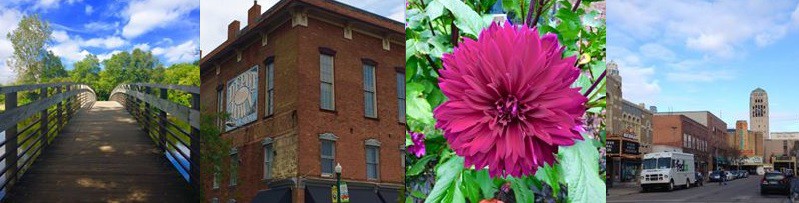
I’ve been making a list on my phone. The title is, “Summer Memory-Making.” While we haven’t officially hit astronomical summer yet, Memorial Day marked the informal start, and that’s when I thought to myself, “This summer, I want to create a memory every single day.”
It doesn’t have to be monumental, but every day, I want to do something that I know I’ll remember later. The truth is, I probably won’t recall the exact day it happened, but I’ll remember that time when _______.
So far, this list includes things like meaningful conversations, farmers markets, stopping by a library exhibit, a documentary, a local festival to try food from city restaurants, and an experience with a friend where we had a cocktail in one restaurant and then dinner in another. Most of my memorable experiences have cost nothing.
I’m enjoying this greatly, and I want to recommend it.
— Renee Roederer
Harvey Milk — The Us-es
I saw The Times of Harvey Milk, a 1984 documentary, in my town’s historic theatre, and it really moved me. I’d like to share the trailer and an extended quote from one of his speeches.
CW: Anti-LGBTQ Language from Interviewees
Somewhere in Des Moines or San Antonio, there’s a young gay person who all of a sudden realizes that she or he is gay. Knows that if the parents find out, they’ll be tossed out of the house. The classmates will taunt the child and the Anita Bryants and John Briggs’ are doing their bit on TV, and that child had several options. Staying in a closet, suicide, and then one day that child might open a paper, and it says “Homosexual elected in San Francisco,” and there are two new options.
An option is to go to California and stay in San Antonio and fight. Two days after I was elected, I got a phone call, and the voice was quite young. It was from Altoona, Pennsylvania, and the person said, “Thanks.” And you’ve got to elect gay people so that that young child and the thousands upon thousands like that child know that there’s hope for a better world. There’s hope for a better tomorrow. Without hope, not only gays, but those Blacks, and the Asians, and disabled, and seniors. The us’s. The us’s without hope, the us’s give up. I know that you cannot live on hope alone, but without it, life is not worth living. And you, and you, and you have got to give them hope. Thank you very much.
— Harvey Milk, 1978
That Quote I Return to Repeatedly
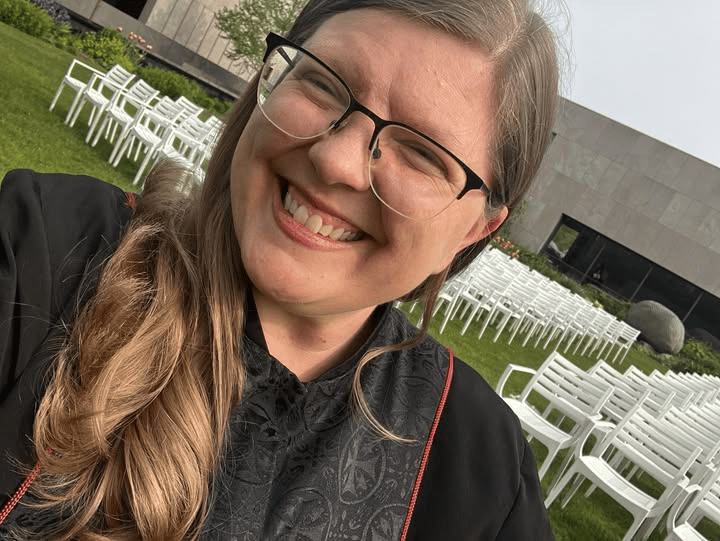
Over the weekend, I was honored to officiate a wedding for some dear friends. During their ceremony, I read a quote that I have likely shared on this blog — oh, 4 or 5 times now? It’s a perfect quote for a special occasion, and I’ve shared it for weddings, commencements, ordinations, milestone birthdays, and large life transitions. It’s from Frederick Buechner. He writes,
In the entire history of the universe, let alone in your own history, there has never been another day just like today, and there will never be another just like it again. Today is the point to which all your yesterdays have been leading since the hour of your birth. It is the point from which all your tomorrows will proceed until the hour of your death. If you were aware of how precious today is, you could hardly live through it. Unless you are aware of how precious it is, you can hardly be said to be living at all. — Frederick Buechner, Whistling in the Dark
This is a great quote for milestone days.
But also, Frederick Buechner didn’t write this about milestone days. His point is that every day — every single today — is this unique. Every day is a hinge moment. Every day is precious.
I was thinking of this all over again while riding my bike yesterday afternoon. I kept receiving the scent of honeysuckles in the air, as I zoomed by them or as the breeze met me. Why not this day, too? Why not this moment, too?
— Renee Roederer
The Day the Dinosaurs Died (This Fascinated Me)

While in the car, I listened to the Sunday story on NPR’s Up First podcast. This week, they connected with paleontologist Ken Lacovara. In 2007, he found a “bone bed” in southern New Jersey, which contains more than 100,000 fossils of more than 100 species. Remarkably, these animals all died the very day that an asteroid hit the earth 66 million years ago. The bone bed contains iridium, a rare element most common in asteroids and can tell us a lot about the initial day of the earth’s 5th mass extinction event.
This is a 16 minute listen, and I highly recommend it. You can listen here.
— Renee Roederer
Today in Nature
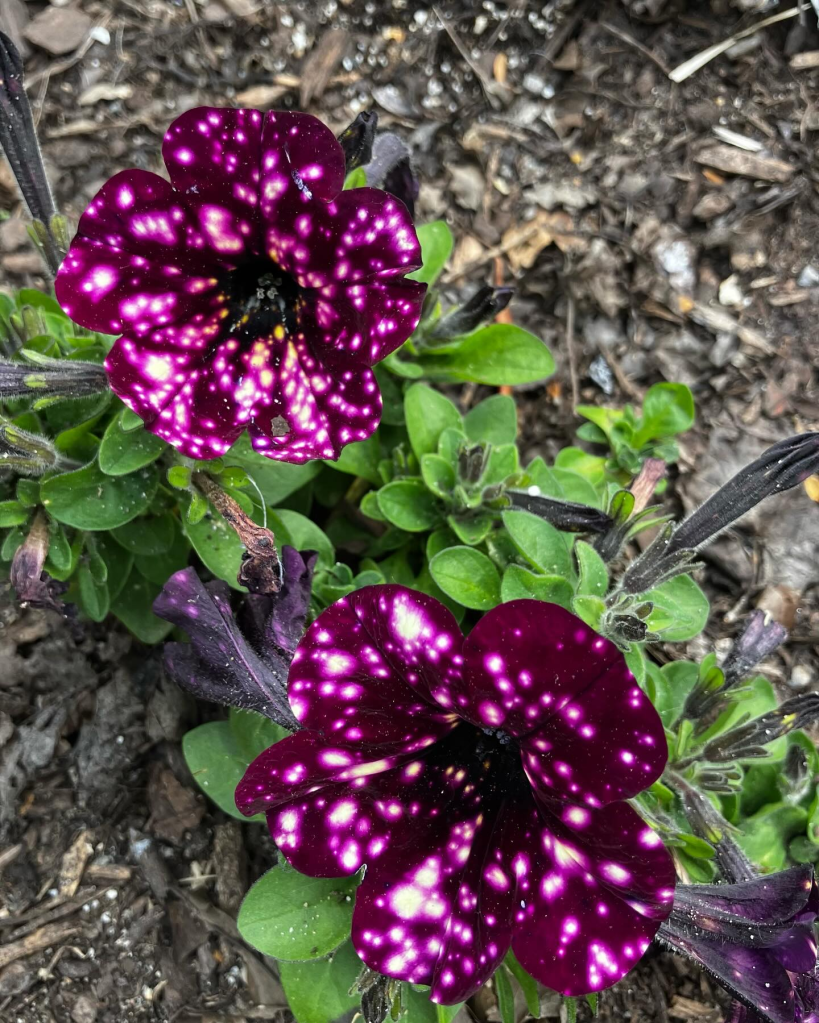

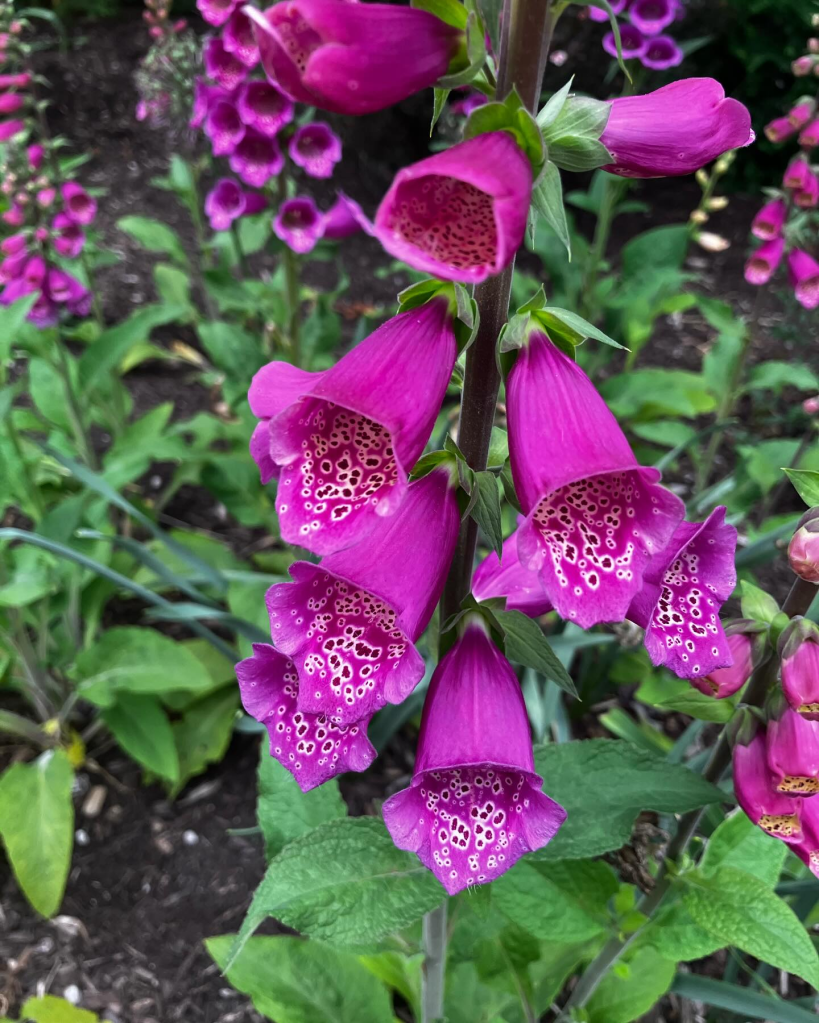

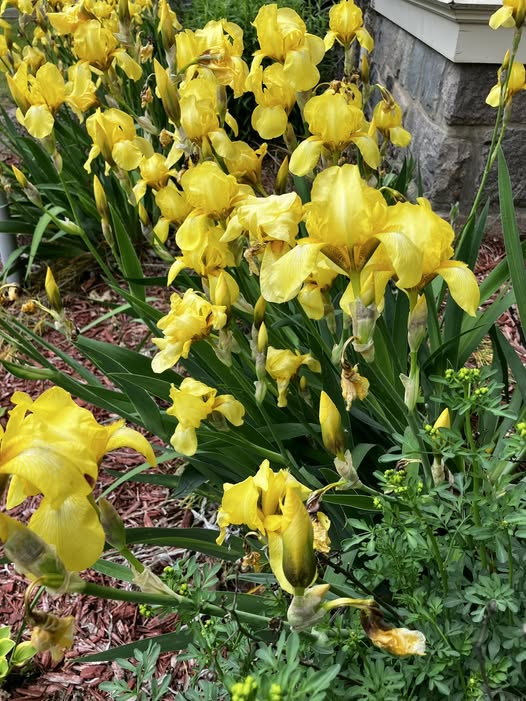
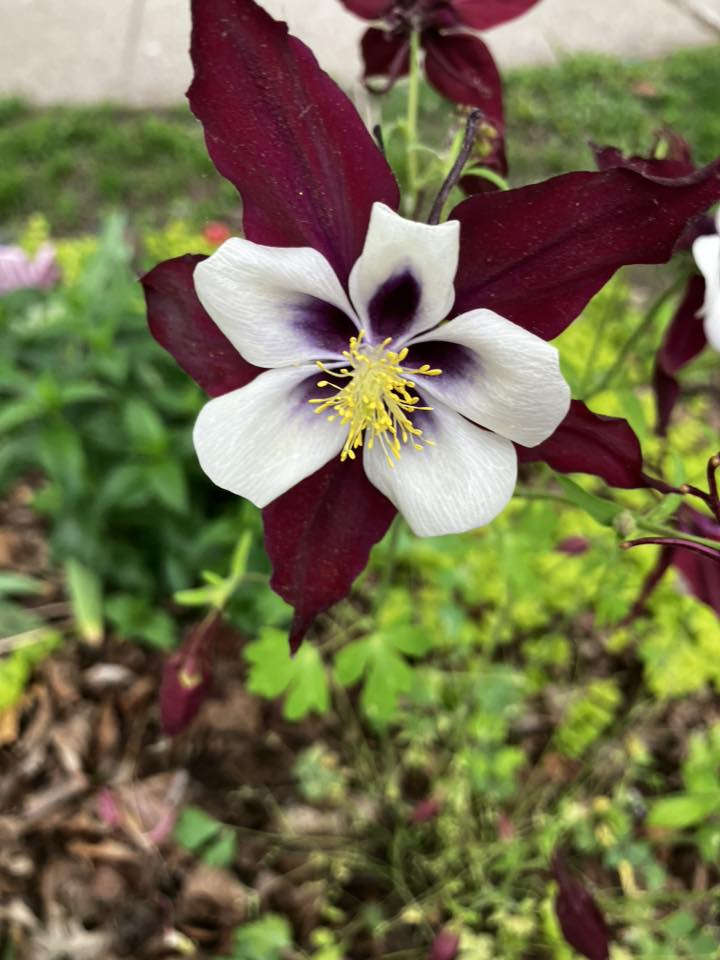
The Snowy Owls of Logan Airport
Very sweet video.
Mirroring

After pausing the music and offering some direction to the sopranos, our choir director smiled and said, “I know you can do it.”
That’s when I saw something really beautiful:
I watched the body language of the sopranos as they immediately smiled back, clearly internalizing his words. Just one comment, but it came from someone they trust—someone who is funny, caring, genuine, and inviting them to create.
That moment sparked a larger thought for me about encouragement, connection, and mirroring.
No one can define us—not any person or any group—and it should never be that way. No one should have the power to reduce us or tell us who we are.
— And yet —
I don’t believe any of us can truly know ourselves on the deeper levels without the encouragement, connection, and mirroring of others.
We need to see ourselves seen. That is how we know we are loved. That is how we come to recognize and trust our best attributes, gifts, and particularities. That is how we learn that we belong, even in moments of failure or mistake.
We need to give this gift to each other.
And I wonder, on a larger scale, is it possible to do this for whole groups of people? To offer encouragement, connection, and mirroring in ways that convey,
Hope is not a pipe dream…?
Change is possible…?
We have the attributes, gifts, and particularities to build a better, safer, more loving world…?
Saying Yes When You Can
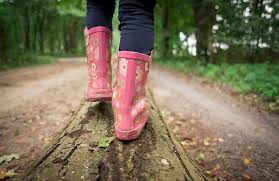
Many years ago, a friend of mine was having a challenging time with her toddler. It was just one of those very normal developmental eras when defiance was growing, and “No,” was a very common word, both from that toddler and to that toddler.
One day, right when the family was about to leave the house, this toddler was insistent upon wearing her rain boots, even though it wasn’t raining.
“Yes,” my friend said. Then she looked at me and added, “I’m trying to say yes to her when I can.”
A few days ago, I found myself thinking about this again. Maybe we need to say yes to ourselves more often. How many times do we put off the things we desire, the things that bring us joy? What if we said yes to more connection in ways we can? Maybe we can’t talk to a friend for an hour, but we could make a quick call on the way home from work. Perhaps we can say yes to ourselves when it comes to a growing sense of calling — a calling to do something life-giving that others might think is foolish. Or we could allow ourselves to believe in something better, even when other (or perhaps ourselves) lean toward the cynical.
Oh, an by the way, the toddler was right. There was no rain in the forecast, but on the way home, a downpour happened. She was the only one who was ready.
— Renee Roederer
Overheard
I was at a coffee shop writing when I overheard a group of adolescent boys talking about how voraciously hungry they always are. “Bruh, I just cannot control my appetite!” one of them exclaimed, and they talked about this for like 10 minutes in a pure, wholesome conversation of chumminess and self-awareness.
You’re right, teenage bruhs. You’re hungry and growing.
— Renee Roederer

