
The Trees Reveal Themselves

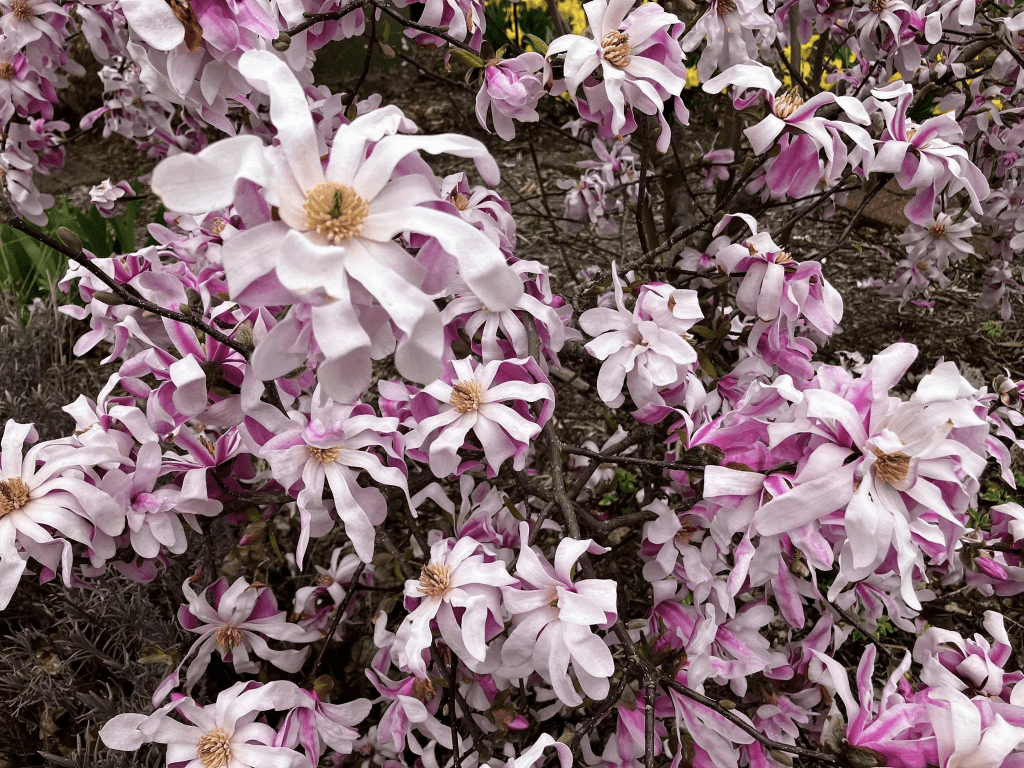
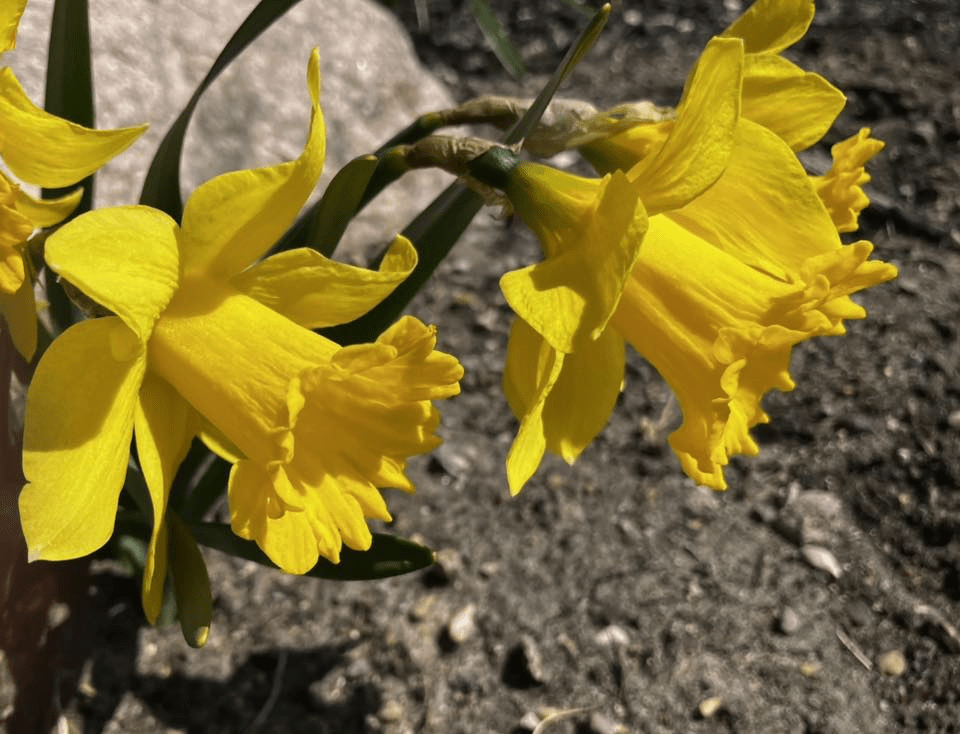
This week, spring is in full swing where I live. The landscape is becoming green again, and flowers are popping up everywhere. What’s been catching my attention the most, though, are the flowering trees. When I’m walking, driving, or biking around town, I’m often struck by a sudden burst of white, yellow, or pink from trees that weren’t showing any signs of these just days before.
These trees don’t all bloom at once. Over a few weeks, different trees come into bloom, each in their own time. It’s as if each one takes its turn, one after another, showing up in a way that surprises me every time.
A dear friend of mine bought a house last winter, and when she returned from a vacation, she saw something that caught her off guard. A tree in her backyard, which had been nothing but bare branches for months, was suddenly covered in white blossoms. “I didn’t know this tree did that!” she said with delight.
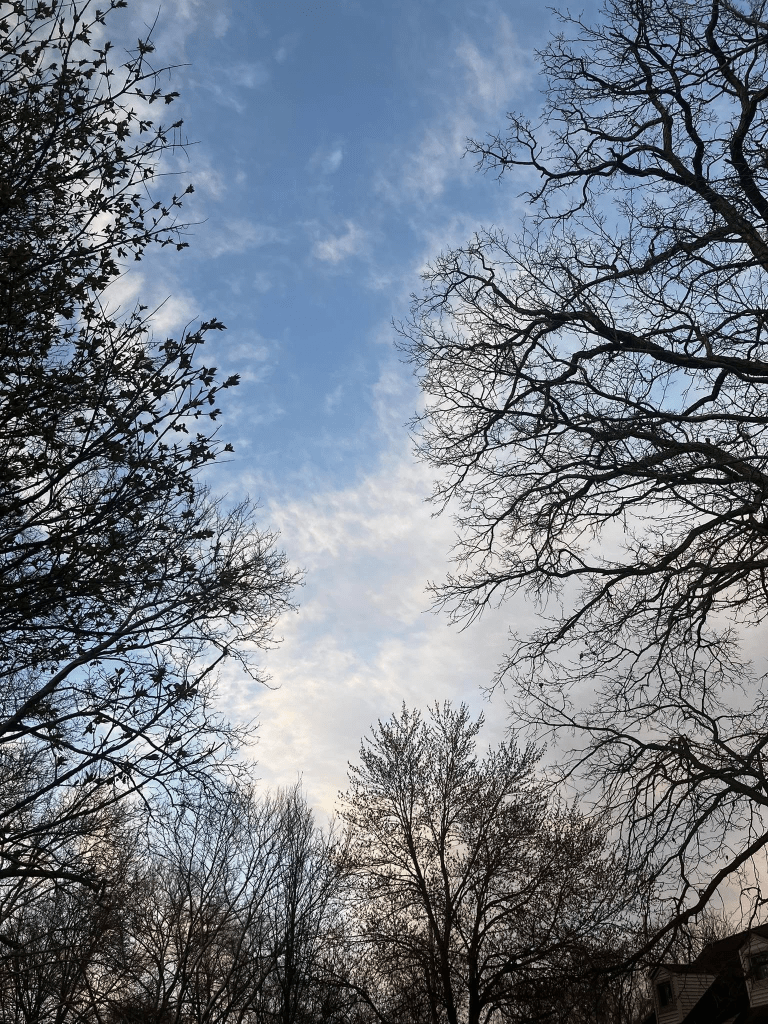
Unless we’re really familiar with identifying trees, if we spend months just looking at bare branches, we’re not likely to know what will happen when spring finally arrives. We can’t always anticipate the way one tree will suddenly burst into bloom, or how another will turn a brilliant shade of pink. It’s all about waiting for the right time.
The trees reveal themselves in their own way. The blooms show us exactly what kind of tree they are.
And maybe people are like this, too. Sometimes, we have to give others the time and space to reveal themselves. It’s easy to assume we know someone based on first impressions or fleeting moments, but sometimes it takes more than that. It takes patience, understanding, and being willing to wait for the right time to see the full picture.
So, as we wait for things to unfold, sometimes, the best things reveal themselves when we give them the time they need.
— Renee Roederer
To Experience Alongside

I was listening to a friend tell me a number of stories when all the sudden, she switched her language into present tense. I’m going to guess that she wasn’t even aware of this, but it drew me in all the more. I thought, “Oh, she wants me even more alongside her right here,” and through that shift in her language, I was.
I was grateful to be invited.
This experience made me want to pay attention for these kinds of moments — these sudden shifts into present tense, particularly while someone is sharing a story that happened in the past.
This is one of the myriad of ways that we can accompany each other. A story, whether funny, meaningful, tragic, or traumatic, slows down, and in the present tense, our hearer is with us. And in a very real way, this presence and this invitation to witness the story, changes the story. It expands it. It can reframe it or even transform it.
In my life and in my work, I’m going to be listening for this. And in my own telling of stories, I may choose to use it myself.
Every Night, Pope Francis Called People in Gaza

In the wake of the death of Pope Francis, I recently read about something that deeply moved me, and I felt compelled to share it. Amidst the devastating violence in Gaza, Pope Francis took an extraordinary step—every night, he called the Christian community in Gaza, speaking to them personally and offering his prayers and words of comfort. He advocated consistently for peace and security for all people in Gaza.
These nightly calls were no small act. In the midst of unimaginable hardship, these moments reminded them that they were not forgotten. As George Antone, head of the emergency committee at the Holy Family Church in Gaza, shared, Pope Francis would speak not only to the priest but to everyone in the room, making each person feel known and supported. “He used to tell each one: I am with you, don’t be afraid,” Antone recalled.
This wasn’t just a token gesture—it was a consistent, heartfelt act of solidarity from the Pope, who, despite the distance and the turmoil, made sure that every single person in that community felt seen.
I find it moving to witness how Pope Francis not only prayed for these communities but took consistent, actionable steps to stand with them. His legacy is a testament to what it means to advocate for life—not just for survival, but for the flourishing of all people.
As we remember his work, I am reminded that true care—true advocacy—isn’t a passive gesture. It’s an active, consistent presence. It’s offering not just words, but a commitment to stand with those in need. In a world where many feel overlooked, it’s crucial to recognize the power of advocating for life, for peace, and for a future of self-determination.
— Renee Roederer
Source
Reuters. (2025, April 21). Gaza’s Christians ‘heartbroken’ for pope who phoned them nightly. Retrieved from https://www.reuters.com/world/gazas-christians-heartbroken-pope-who-phoned-them-nightly-2025-04-21
The Book Brigade
We’re all longing to see expressions of community coming together, supporting one another, and being creative. Over the weekend, I opened the weekly newsletter from Hank and John Green (highly recommend it), and one of the videos they featured was about a Book Brigade. When I played the video, I instantly recognized the location: Chelsea, Michigan, a town just a short drive from where I live.
In the video, community members came together to help a local bookstore move all its inventory from its old location to the new one. And it looks like they had a great time doing it. So, I invite you to enjoy the Book Brigade!
“Power Like a Seed” by Rev. Sarah Are Speed
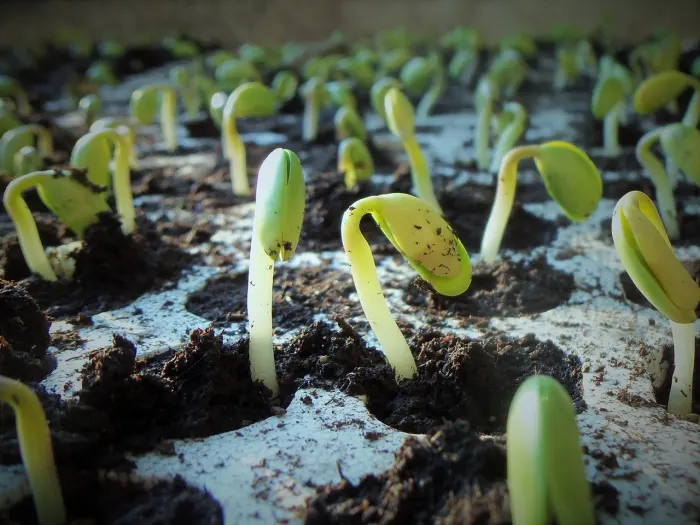
jcesar2015 CC0 Public Domain Pixaby
Power Like a Seed
by Rev. Sarah Speed
A Sanctified Art LLC
In a world that wants power like a machine gun,
power like a bomber plane,
power like a gated fence to keep the hungry out,
I want power like a seed—
power that will crack me open and grow
something good;
power like an open door,
an invitation that says, “Come on in;”
power that feels like a strong spine with a soft heart.
I want the power to listen, to lean in, to ask follow-up questions.
But more than anything, I want the power to bring
us together, to lift you up.
There are different kinds of power.
One will build a wall.
One will plant a garden.
We should know by now, only one will bear fruit.
This Week in Nature




Let’s Just Watch a Baby Tapir for a Bit
Weeds
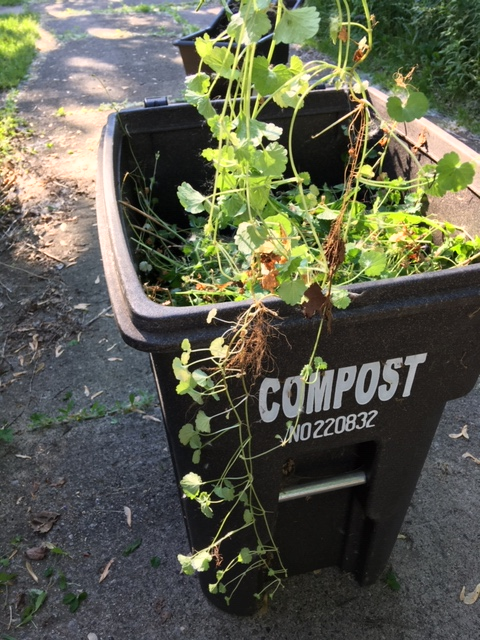
I pulled a whole heckuva lot of weeds, and if I may be honest, I found this to be fun. Perhaps there was something cathartic and soothing about it.
The most satisfying weed to pull was a particularly long and windy kind. It has a system of stems and leaves connected to a shared vine. It’s the kind pictured above, spilling out of the compost bin. This plant — I don’t know its name — wove its way effectively and adeptly around my day lily plants. And most of it was hidden and out of view.
I’d find one piece and begin to pull on it. Then I’d discover much more, a system all connected.
I reflected on the beliefs we carry…
… about ourselves,
… about our relationships,
… about our neighbors,
… about the ways we structure our society,
and this plant seemed to convey a lot.
Sometimes, within ourselves, there are whole, connected systems of beliefs, fears, and emotional triggers that need to be explored and healed. Sometimes, within our communities, there are large, connected systems of harm intended to bolster some and disadvantage others.
We have to start somewhere — pulling, uncovering connections, examining, and uprooting.
Community Care is Subversive

Earlier this week, I gave a presentation on behalf of the Epilepsy Foundation of Michigan. The audience was eager to learn more about epilepsy and discover ways to support our mission. I shared educational information about epilepsy, taught basic seizure recognition and first aid, and introduced them to our vision, programs, and services.
Afterward, I received many touching words of affirmation for our organization—who we are, who we serve, and what we do. And honestly, I do believe our organization is tremendous, especially the community vision that fuels our work. It’s an honor to be a part of it.
But I also found myself reflecting on something else:
People long to hear about good being done in the world.
Day in and day out, we are inundated with difficult news. Yet, people are doing good in the world. There are many communities you know about—and you’re a part of some of them. We long to hear about good care and support. We desire to know that people are taking action, and that it matters. That it changes the realities for those involved. That it changes what kind of world we can live in — what kind of world is possible.
Community care is subversive. It upends the order and rhythm of injustice, transforming it toward belonging. It connects, rather than tears apart. It changes the conditions in which people live. It expands narratives that challenge prevailing attitudes of harm.
So, where do you see this happening? Who can you lift up? What stories can you share?
— Renee Roederer

