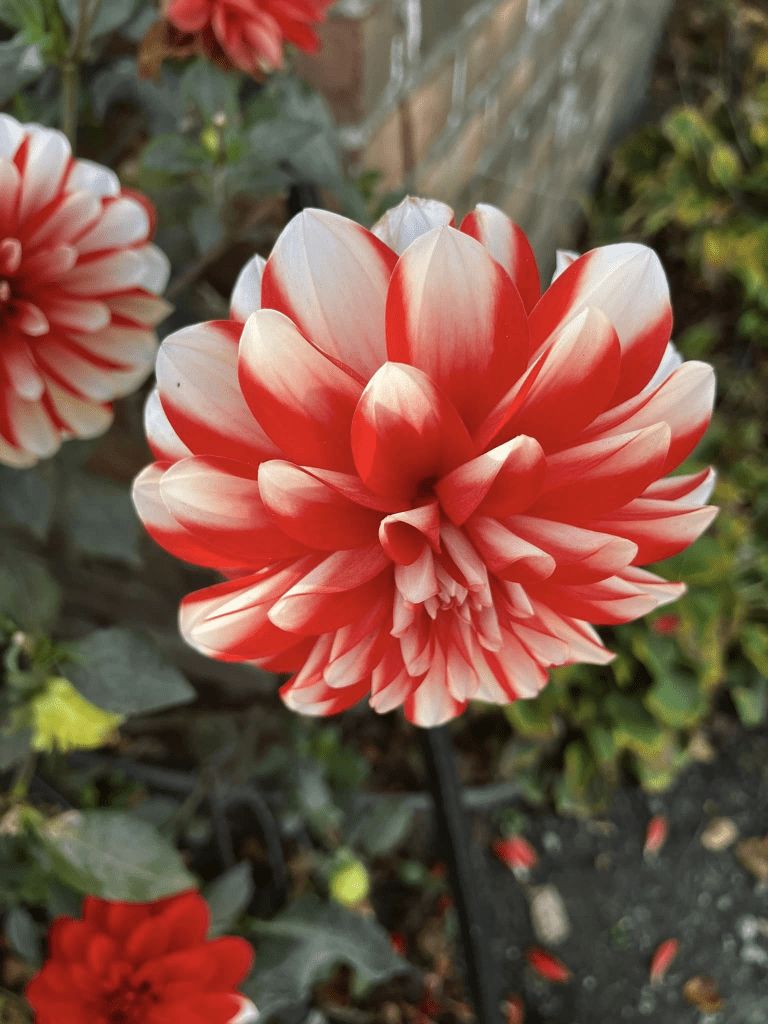
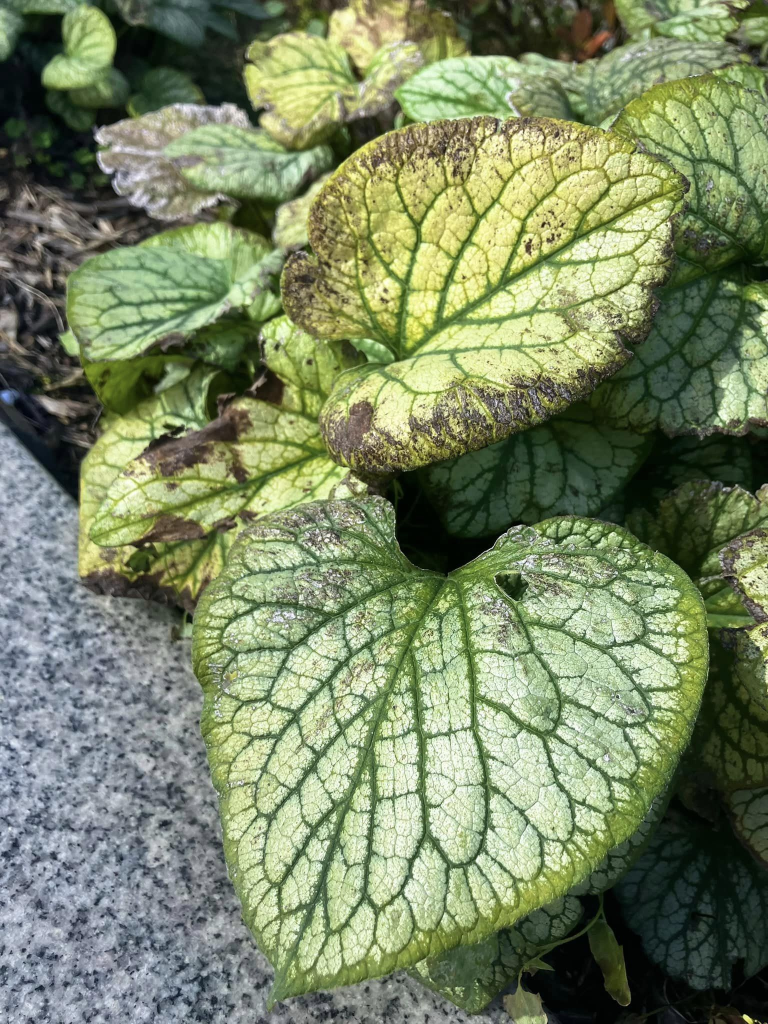
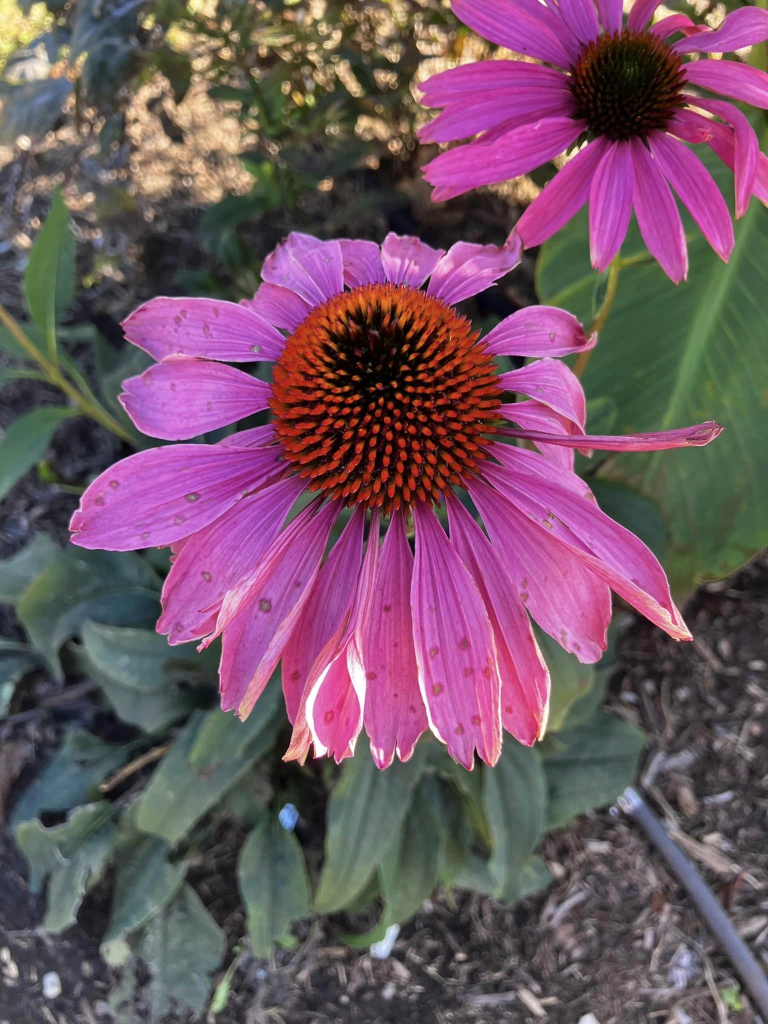
Puerto Rico is beautiful — the nature and the people who live there.

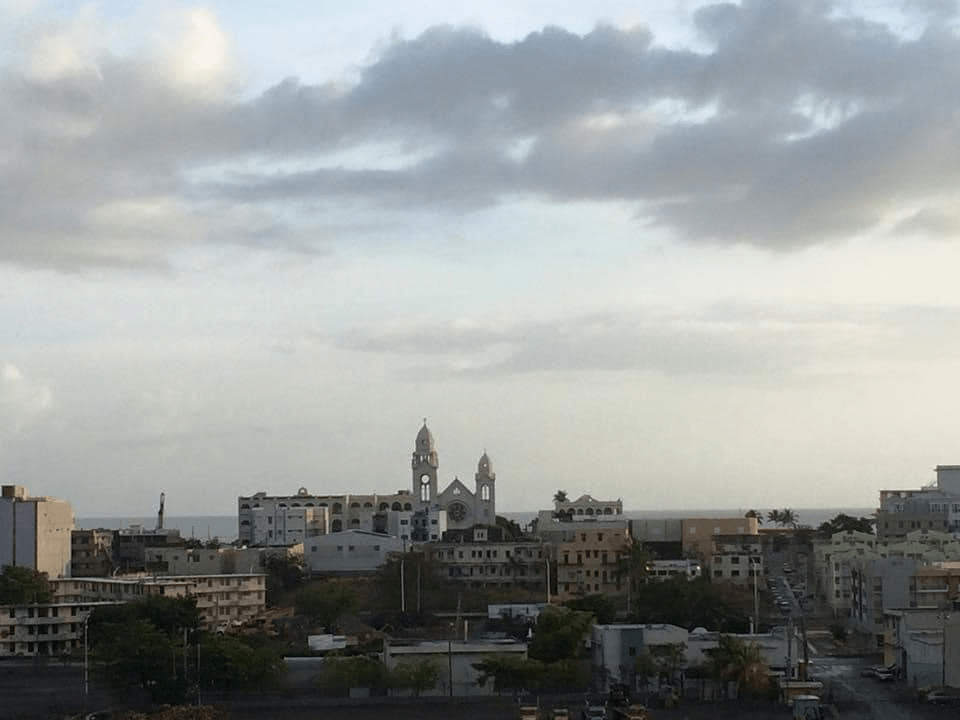
— Photos by Renee Roederer

I’ve been feeling election anxiety.
I know I’m not alone in this. I’m thinking of you, too — all people who will read this. I know some of you by name; others will just stumble upon this post. I am thinking of all of us and each of us.
It’s a physical anxiety I feel, one that is somehow present and up-to-date, and one that feels old, connected to the past. Time is co-mingling. I’m sure I’m not alone in this either. This kind of anxiety used to be a hallmark in my physiology, but it’s been a long time since I’ve felt this.
It’s not buckling me over. Daily life is still happening. And I’m finding things to delight in, just like typical me. But I feel this. This election is too close for me to be comfortable, especially with so much at stake. Between you and me, I actually think Kamala Harris will win. But I don’t know that. And I wish I could know that. And even if she does win, I think conditions on the ground and in some people’s hearts are dangerous. At a rally, Donald Trump recently said, “I am your retribution!” Why wouldn’t some of those people choose to be his retribution? Especially when we’ve seen them do it before?
Things feel unpredictable.
So I’ll share this: I am connected to an incredible community called Farm Church in Durham, North Carolina. I appreciate something that those community members often say to each other: “Whatever you’re feeling, don’t feel it alone.”
I think that’s a good message for a Mental Health Monday. Whatever you’re feeling, don’t feel it alone. Thanks for reading my feelings this morning. I hope you feel less alone in yours too.
— Renee Roederer
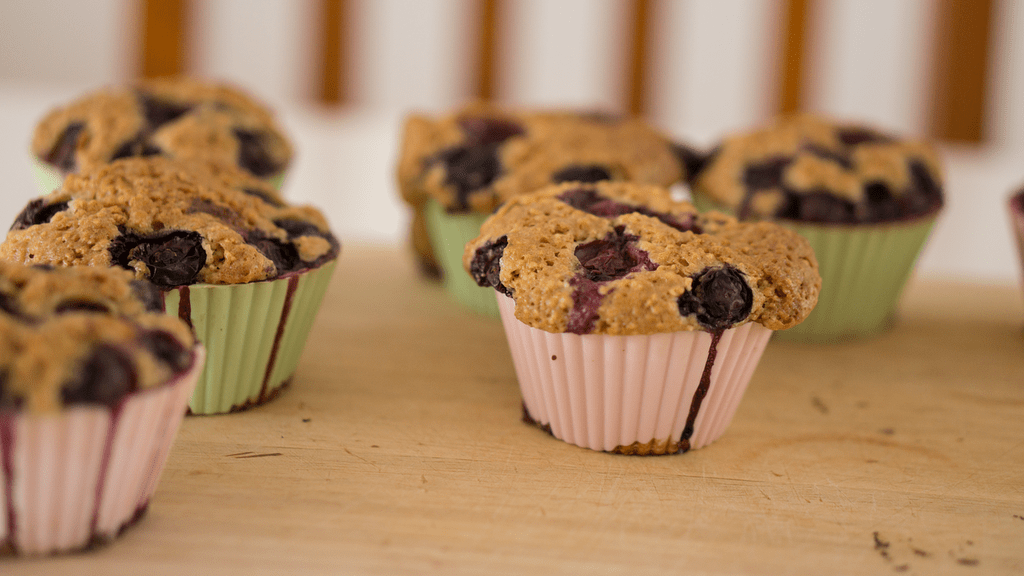
Lately, every Friday morning, I start my day the same way. Before I do anything else, I settle in to watch the newest episode of The Great British Baking Show, with a cup of coffee and a baked treat I’ve saved just for this. Today it was a warm apple doughnut with pumpkin ice cream. It makes Fridays feel different.
There’s something helpful about marking time apart and creating a moment that stands outside the usual routine. Whether it’s a favorite show, a weekly walk, or an hour for a hobby, these moments remind us that not everything has to be about productivity. They can simply be about enjoyment.
Today, I invite you to mark some time apart with a small ritual that lets you breathe a little more deeply, something that makes a moment feel different and outside of that race for productivity.
For me, it’s coffee, a treat, and The Great British Baking Show. It’s pastry week!
— Renee Roederer
As we near the 2024 U.S. Election,
… how are we feeling in our bodies?
… how are we sleeping?
… how are we eating?
… how are we socializing?
… how are we reflecting?
These all matter, as do you. Thinking of us collectively.
— Renee Roederer
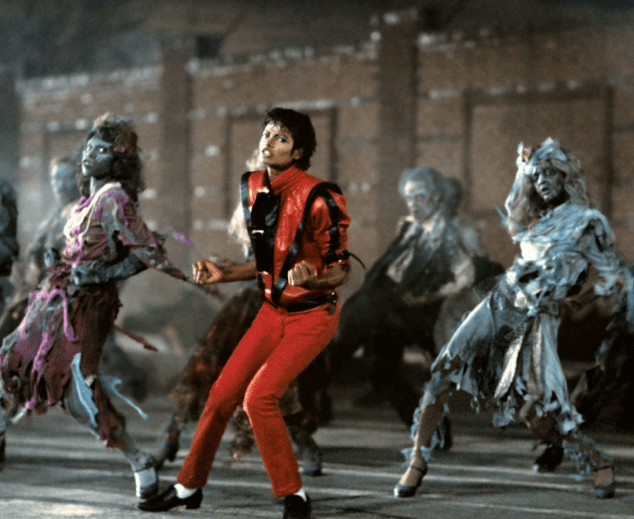
Once a month, I have the privilege of leading a spiritual service called Parables. It’s a service designed especially for, with, and by people with disabilities and neurodivergence, though everyone in the wider community is welcome. Each time we gather, there’s a great deal of connection, joy, and reflection.
We often think of sacred acts as those we traditionally associate with worship or spiritual reflection — things like prayer, communion, and meditation. And yes, those can be sacred. But I’ve learned in this community that sacredness reveals itself in all kinds of rhythms and relationships.
After our service on Sunday, someone said with total spontaneity, “I want to sing Thriller!” She went right up to the piano player and asked if she would help. Soon, people were singing, while the piano player picked out the notes, trying to find the right key.
This too is sacred.
Sacredness isn’t confined to formal moments or rituals. It’s present in our joy, our play, our willingness to be fully ourselves, together.
— Renee Roederer
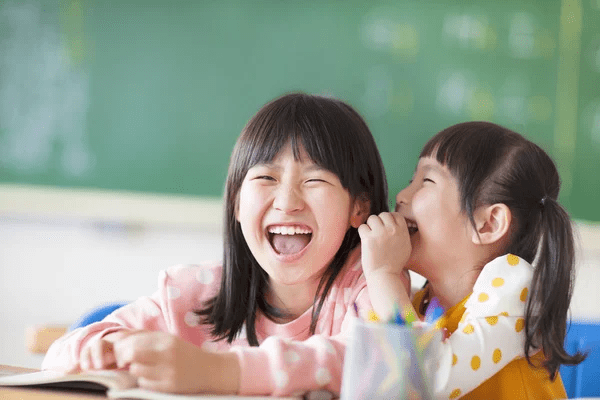
Two parents and two kids are walking behind me.
Overheard:
Kid: She was really mean to me. She said, ‘You’re nasty.’ So I said, ‘I may be nasty, but you’re nastier than me!’
Mom: Why don’t we just say nice things?
Dad: Well, she was pretty mean first…
Kid: Then she said, ‘You’re trash!” So I said, ‘I may be trash, but you’re trashier than me!’
Mom: Come on, why don’t you just say kind things, and leave it at that?
Pause
Kid: You’re lovely, but I’m lovelier than you!
Both kids snicker.
— Renee Roederer recounts
Before moving to Michigan, I lived on the West Coast. There was so much I loved about that place, but I knew that eventually, I was likely to move to the Midwest, and Ann Arbor was the town I dreamed about. In fact, I used to walk a long loop around my town and imagine and strategize how I could make it happen.
I’m so pleased it all worked out, and now, I’ve lived in Ann Arbor for more than a decade. When I first arrived, my friends teased me, saying, “Whatever the weather is doing, Renee is fascinated by it.”
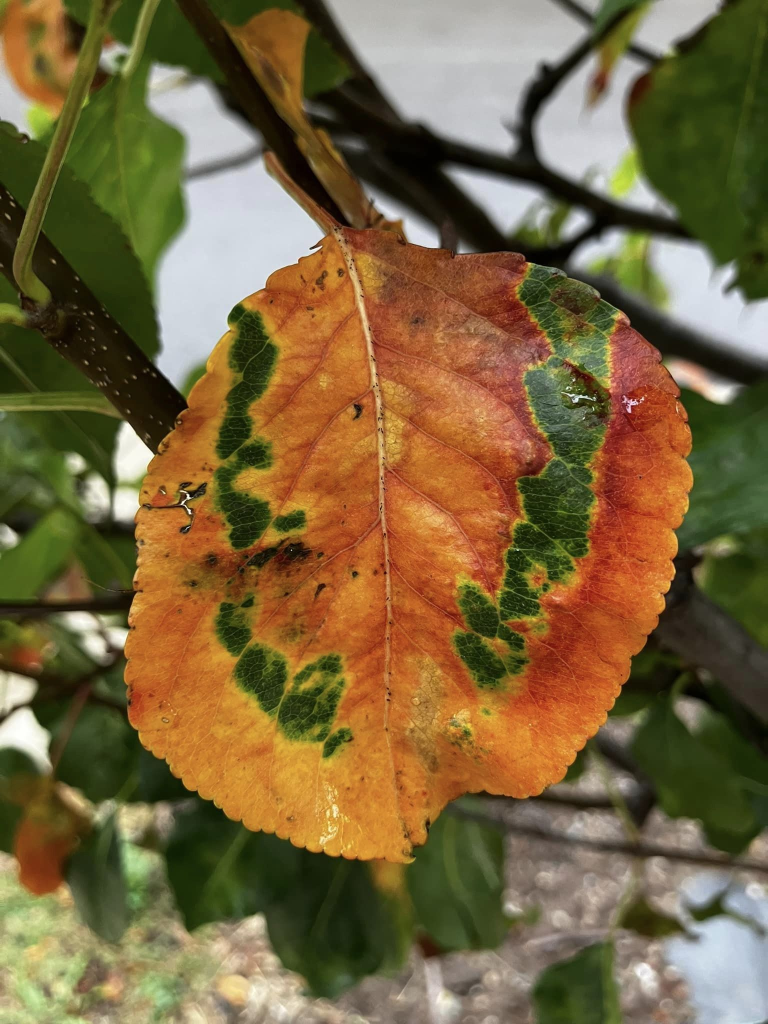
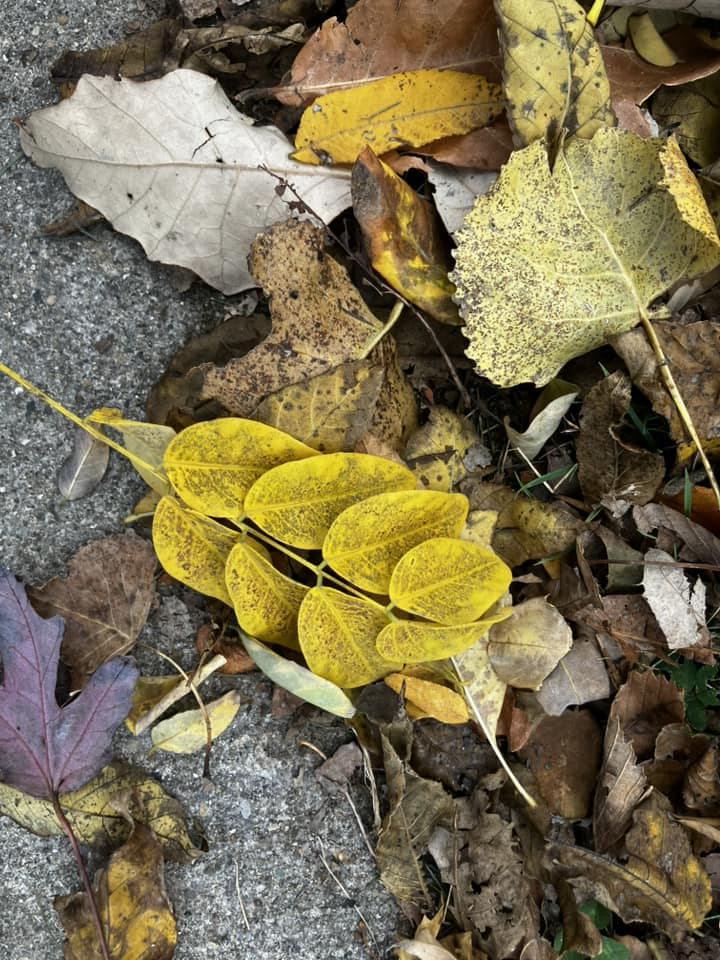
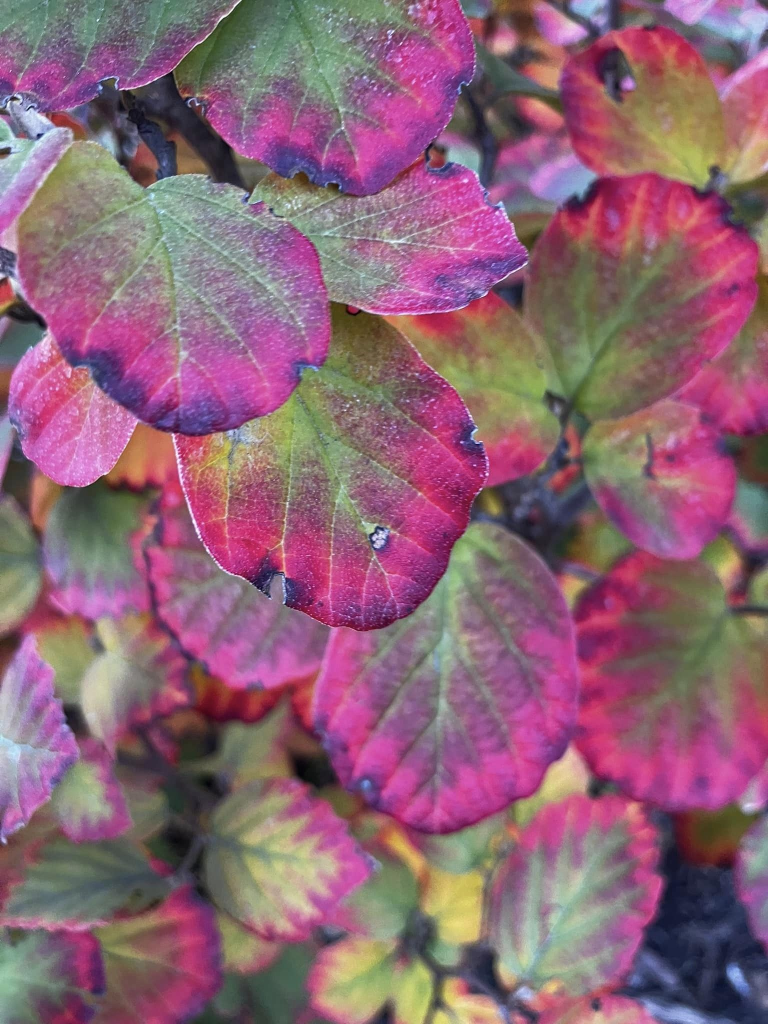
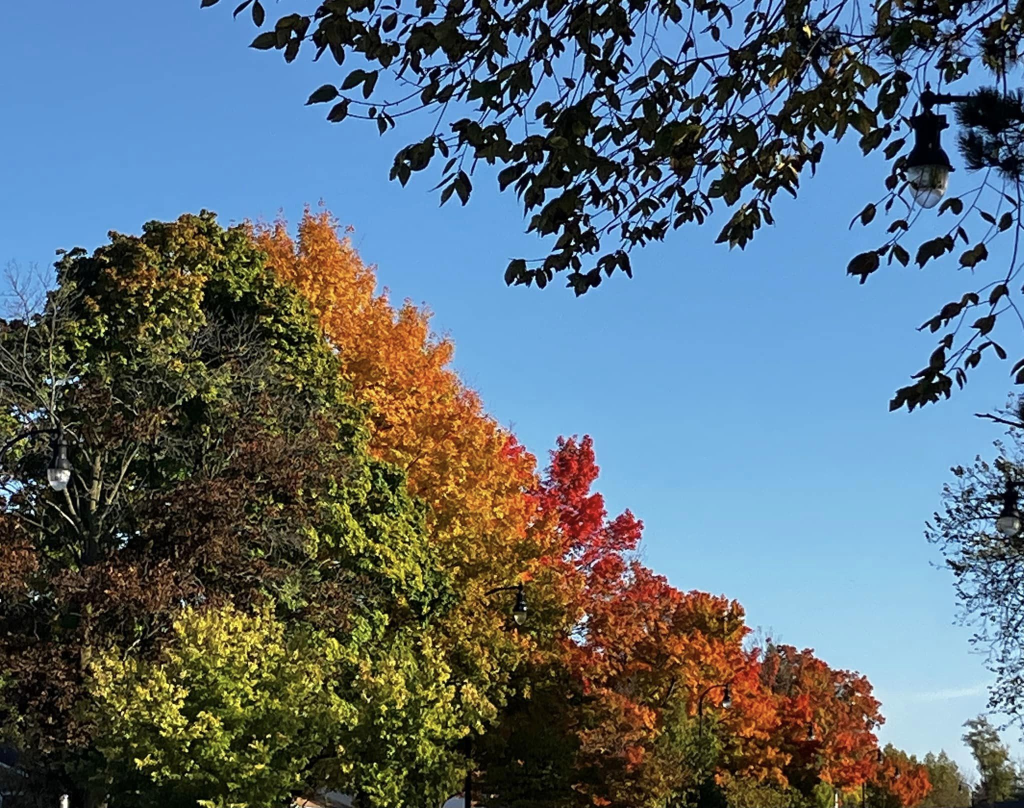
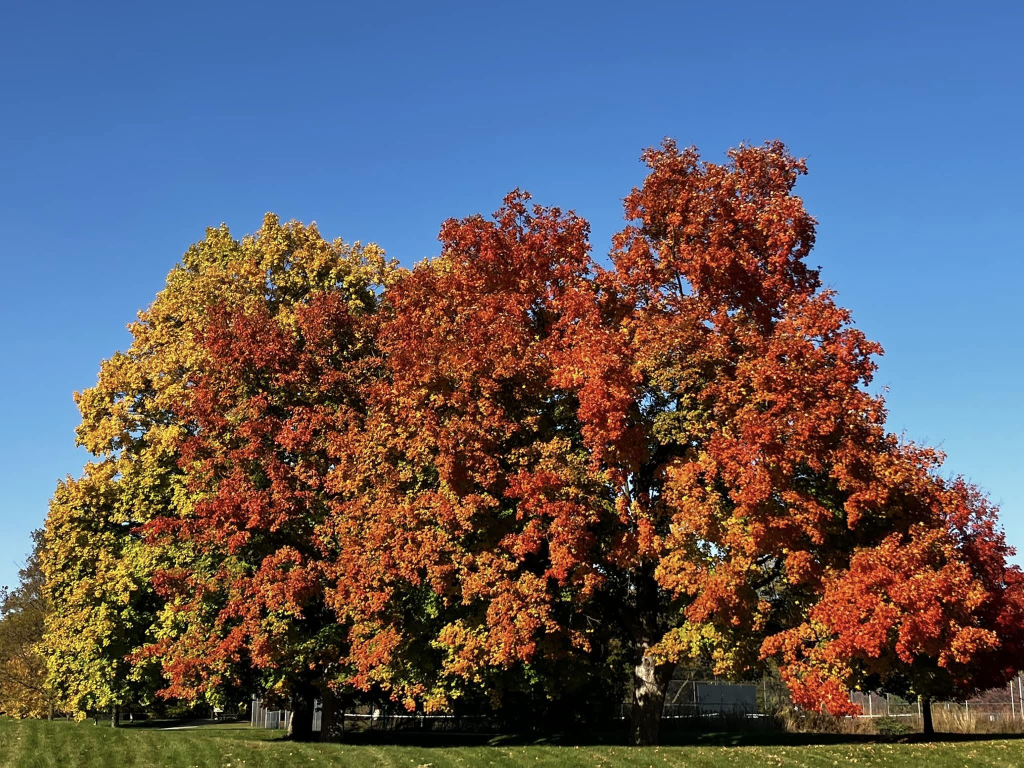
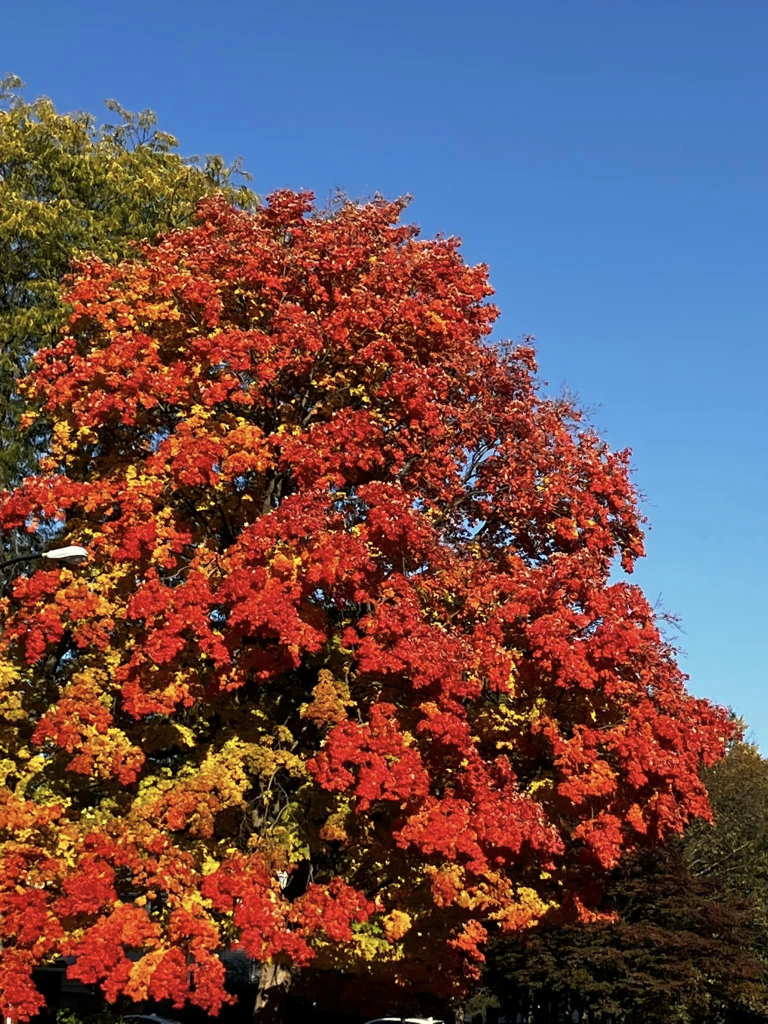
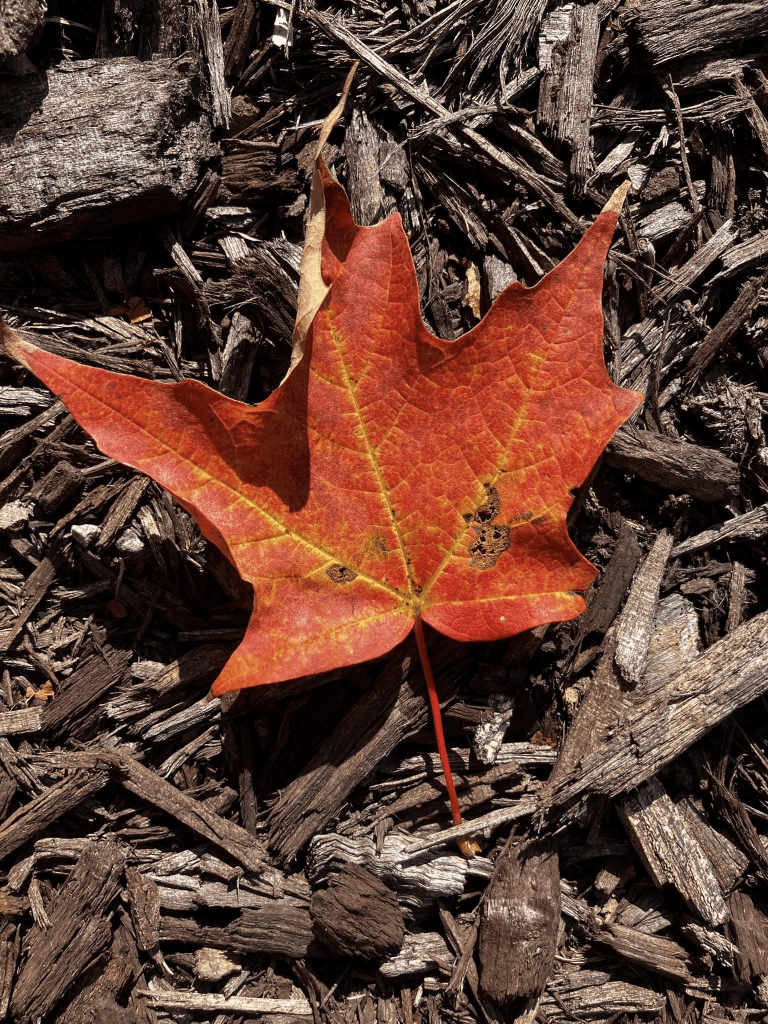
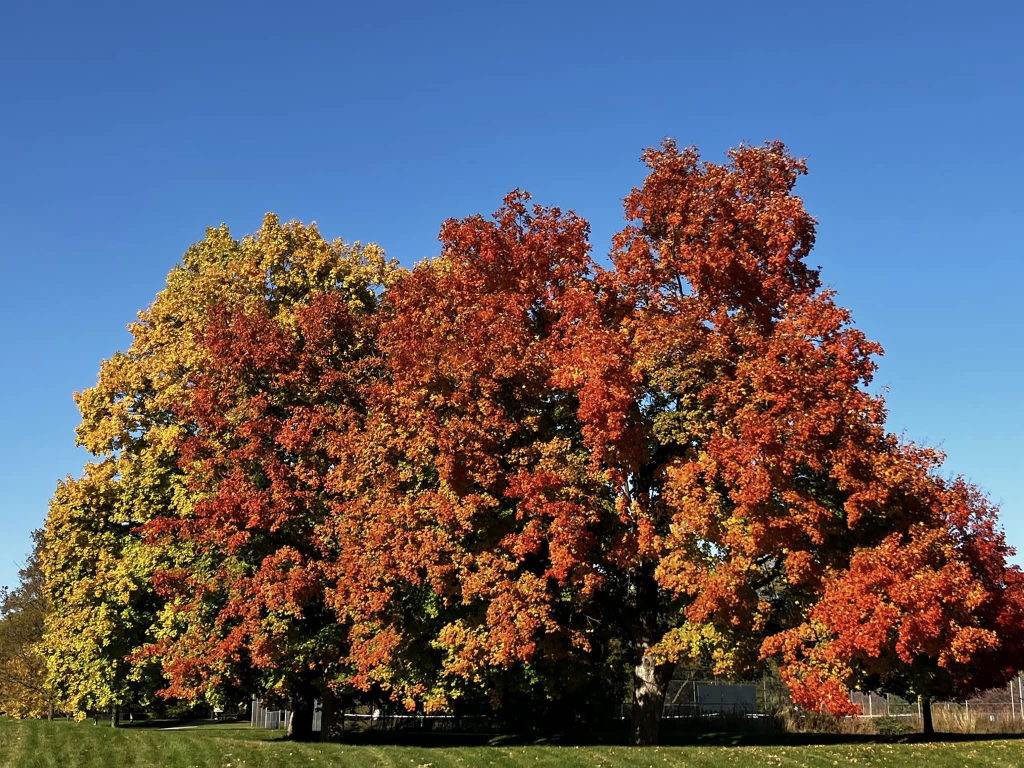
And it was true. I had grown up in the Midwest, but I had never experienced seasons as pronounced as this. Above all, I just couldn’t believe the colors of the fall leaves. Every time I turned a corner and caught a glimpse, I’d geek out all over again. It felt impossible that something so vibrant could be real.
I was thinking about this again while riding my bike through town on a warm day. I still love the leaves, but they’re more normal to me now. And yet, I never want to get used to beauty as if it’s no big deal, like something to let fade into the background, unnoticed.
I want to keep that sense of surprise and awe, even if it’s not quite as heightened as it was that first year. I want to stay open to wonder.
And that has me thinking about a number of other things.
Maybe we shouldn’t get used to other extraordinary parts of our lives:
Like that relationship or community we reconciled with,
Like that new opportunity that came our way when we weren’t expecting it,
Like that workplace environment that is wonderfully supportive,
Like that house we get to live in,
Like those children that laugh hard while they play.
Sometimes, these experiences become the backdrop of our lives, but they were once the things we dreamed about. Or maybe they’re things that surprised us entirely.
So today, let’s notice them. Let’s appreciate beauty right in front of us, even when it starts to feel familiar.