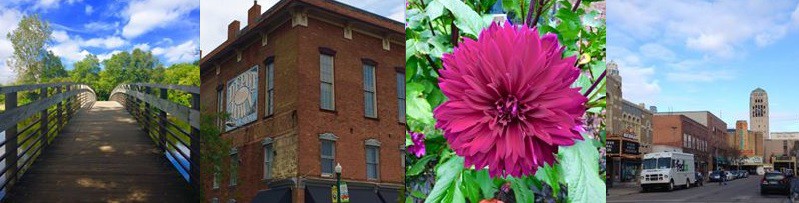
This Week in Nature
Billy Joel’s Hit from an Alternative Universe
Eagle Poem by Joy Harjo
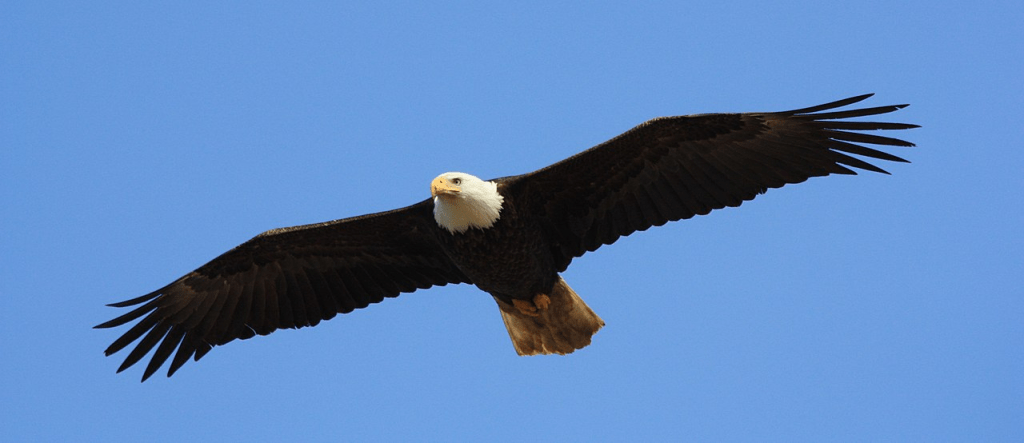
Eagle Poem, by Joy Harjo
To pray you open your whole self
To sky, to earth, to sun, to moon
To one whole voice that is you.
And know there is more
That you can’t see, can’t hear,
Can’t know except in moments
Steadily growing, and in languages
That aren’t always sound but other
Circles of motion.
Like eagle that Sunday morning
Over Salt River. Circled in blue sky
In wind, swept our hearts clean
With sacred wings.
We see you, see ourselves and know
That we must take the utmost care
And kindness in all things.
Breathe in, knowing we are made of
All this, and breathe, knowing
We are truly blessed because we
Were born, and die soon within a
True circle of motion,
Like eagle rounding out the morning
Inside us.
We pray that it will be done
In beauty.
In beauty.
All Eyes on Rafah

On Sunday, the Israeli military bombed tents in an area that had been declared a safe zone just outside of Rafah. At least 45 Palestinians have died in these traumatic tent fires. The majority were women and children. No place in Gaza is fully safe. Where are people supposed to go? Where do they flee?
Each of these children, a whole loved world, has become lost. Children should never become a casualty of war.
Plots and Places

A friend texted and asked if I wanted to join her on a tour of a historical cemetery in our town. In honor of our city holding its bicentennial year, this tour would tell significant stories through the gravestones of people who shaped our history.
“Sure, that sounds interesting,” I said. She also invited another friend. While waiting for the tour, the three of us struck up a conversation with an additional person. Then together, the four of us hit it off, meandered among graves, learned history, and laughed.
We also shared hopes. We all want to go to as many community events as we can this summer. For a variety of reasons, we want to enjoy our city intentionally. Some of us are new and want to learn the place. Some of us are considering moves and want to savor this time. Some of us are always up for meeting new friends and having adventurous experiences. Before we left, we exchanged numbers and started a group text. Now, having known each other for a total of one week, we’ve already gone to multiple community events together. We’ve also added a fifth person, and I suspect that we’ll add more.
To honor the quirky context of our meeting, we’re colloquially calling ourselves Plots and Places. 🙂 That’s our group thread. We met in the plots; we’re going to the places.
Sometimes, just say yes. You never know what can develop.
— Renee Roederer
Mental Health Monday: “We Cannot Heal What We Do Not Feel”
When healing trauma, it is important to work through grief.
“We reenact what we do not resolve.”
“We cannot heal what we do not feel.”
And we don’t have to do this alone. We can grieve with support.
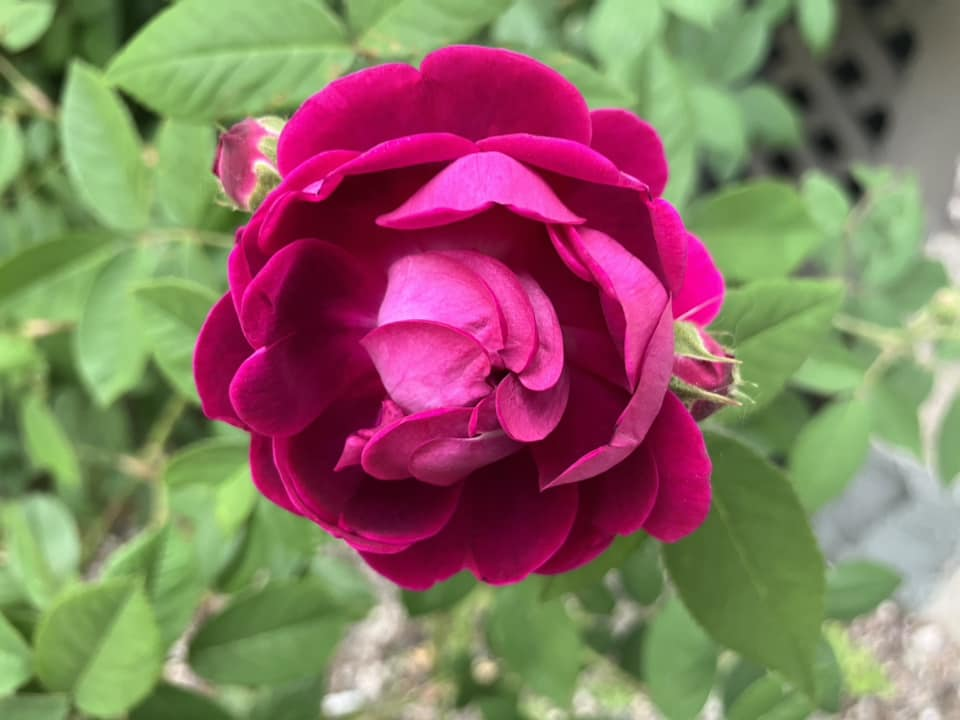
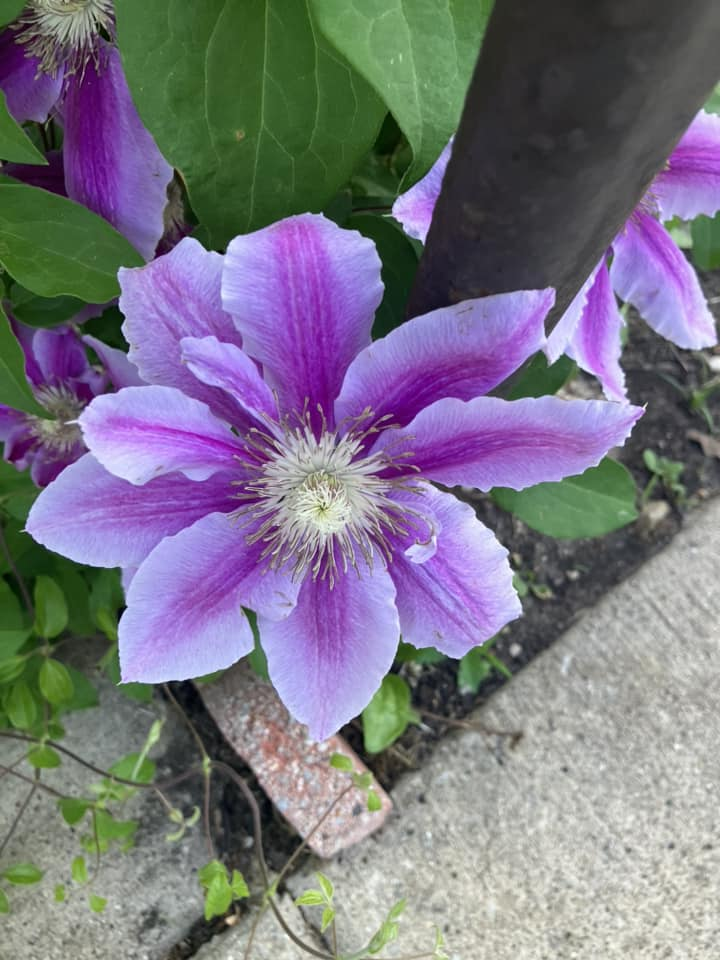
This Week in Nature



Neato Curiosities: Why People All Over the World Love Beethoven’s 9th Symphony
Happy 200th Birthday, 9th Symphony!
1245.8 Miles In, I’ve Finished the Bs

Well, friends, welcome to my most inefficient, most adventurous local exploration project ever. 
Most people who know me well know that I have been joyfully riding my e-bike as often as possible, but I haven’t told many people how I am choosing to go about that.
Years ago, I read this article about a man who rode his bike on every street in my city. He took pleasure and plotting out the most efficient way to make that happen.
I have decided to make this project next level in dedication (though also inefficiency) and ride my bike TO every street in in my city. So I’ve been riding from my house to streets in alphabetical order. As of last night, 1245.8 miles in, I’ve completed the numbers, the As, and the Bs.
Obviously, this is going be in absurdly long project, if I’m even able to finish it. Why do it this way? I am greatly enjoying the ordered spontaneity. I like that I am working my way down a list in a long term project, and each day, I get to ask, “Where am I headed today?” as if an adventure has been selected for me, and I get to discover the beautiful details along the way.
I am also a person who always has difficulty thinking spatially, so exploring this way has allowed me to learn in very new-to-me ways how spaces and neighborhoods are connected. That’s been a fun discovery too, and now, in a way that wasn’t true before, I can use the GPS much less.
The main thing to say is, I’m having fun. And to my local friends, I’ll be down your street… sometime.
— Renee Roederer

