When I cut open this watermelon, this lovely pattern greeted me. It was tasty too.
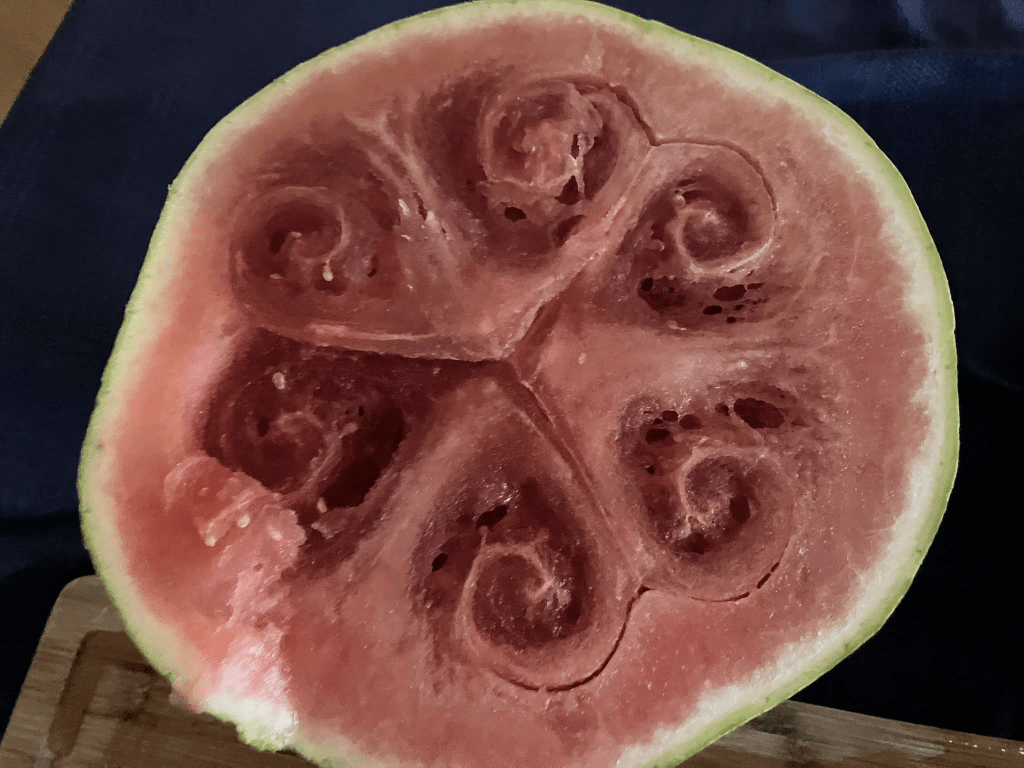
When I cut open this watermelon, this lovely pattern greeted me. It was tasty too.
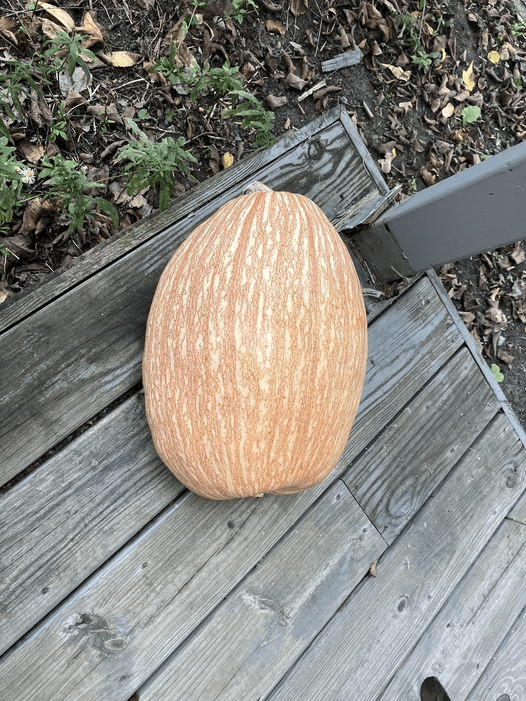
I came home from work yesterday, and this cute, oblong pumpkin was on my porch. Where did it come from, and from whom? I do not know. I have asked my neighbors. I have asked Facebook. No one knows.
It’s a mystery.
Maybe if I touch it and say magic words it will transport me to a vacation.
Wise words from cassie batterbee.

When Trader Joe’s was filled to the brim with people shopping on Sunday, I stood with my cart in a long checkout line that reached back into the grocery aisles. We were still having fun though. There was R&B/Hip Hop style jam on, and lots of people knew it. So I noticed multiple people dancing a little in place as we stood there to wait.
And that’s when a woman walked by, jamming, and she was carrying an 8 pack of Spindrift Sparkling Water over her shoulder. And it looked too much like an old school boombox not to burst out with laughter. That was delightful.
— Renee Roederer
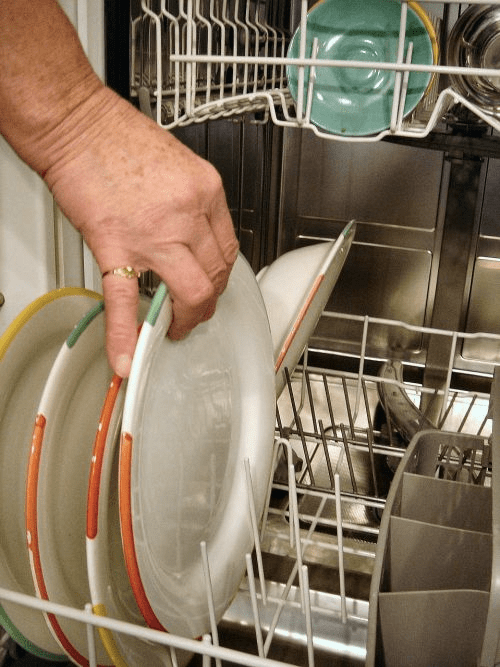
A have a dear friend who loves data, is so good at it, and also loves data fun facts. She shared one with me that will make your life (and possible guilt) easier:
People think they are saving water when they hand wash their dishes, but! The on-average threshold for saving more water in the dishwasher vs. hand washing is… 8 dishes. If you have 8 dishes and only 8 dishes (on average; the size would matter too) you will save more water if you wash them in the dishwasher than washing them by hand.
When I run my dishwasher, I always have more than 8 dishes in there, but this has completely eased my guilt at wanting to have it full the brim. You’re doing a good thing! Feel no guilt!
–Renee Roederer
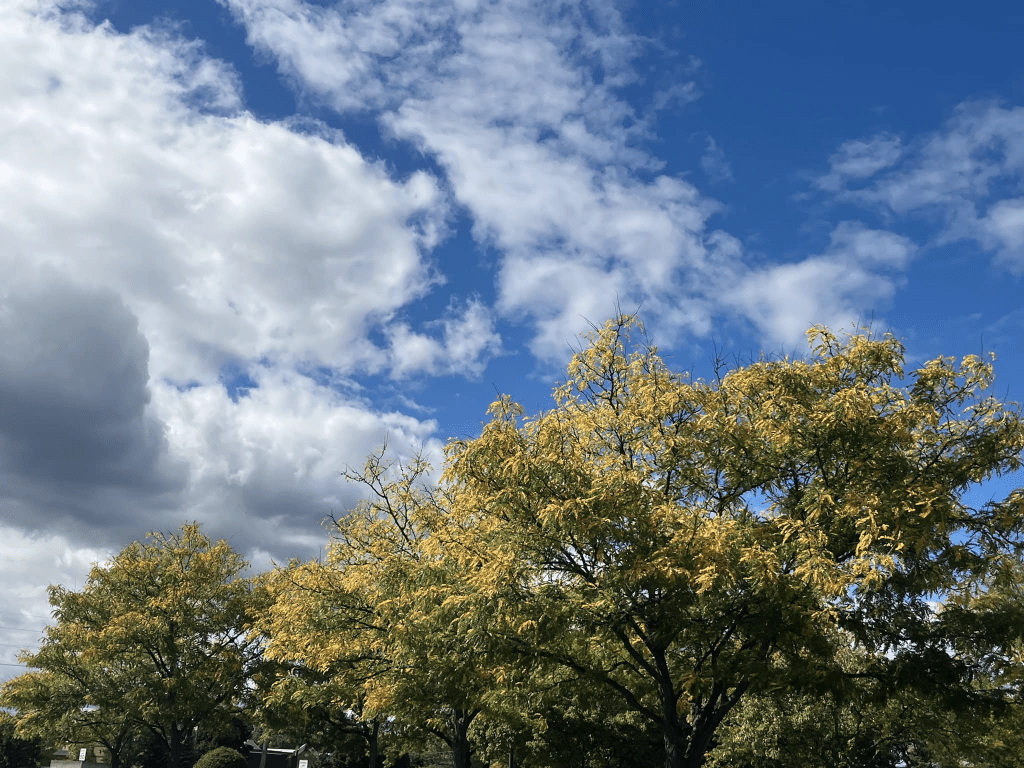
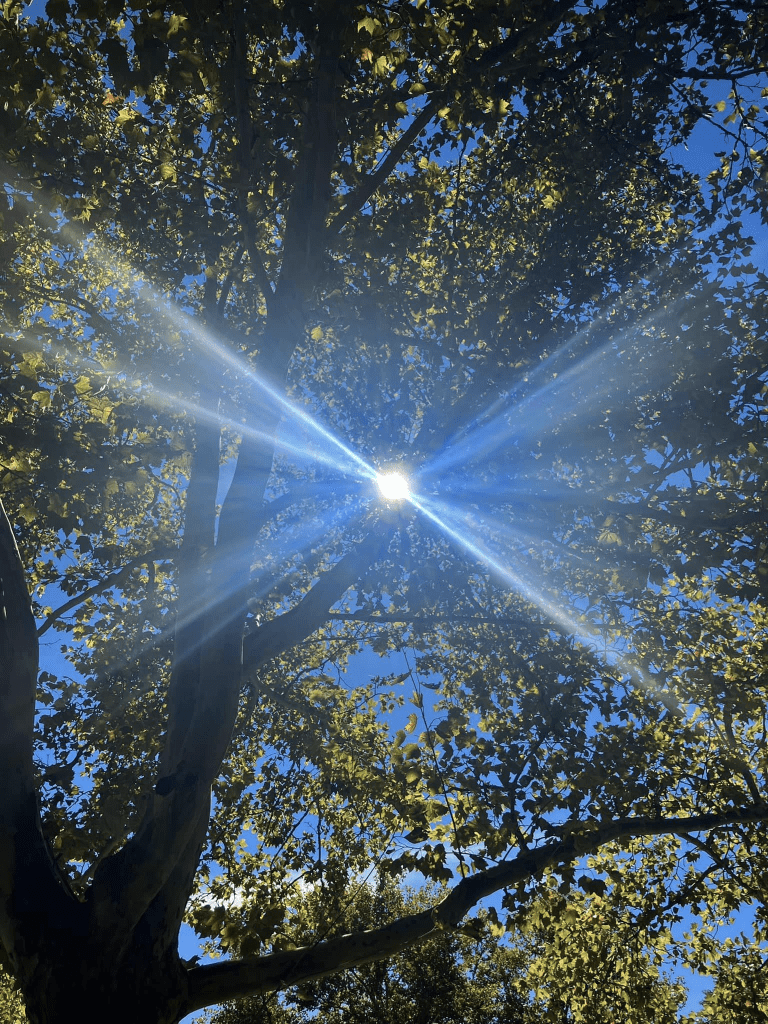
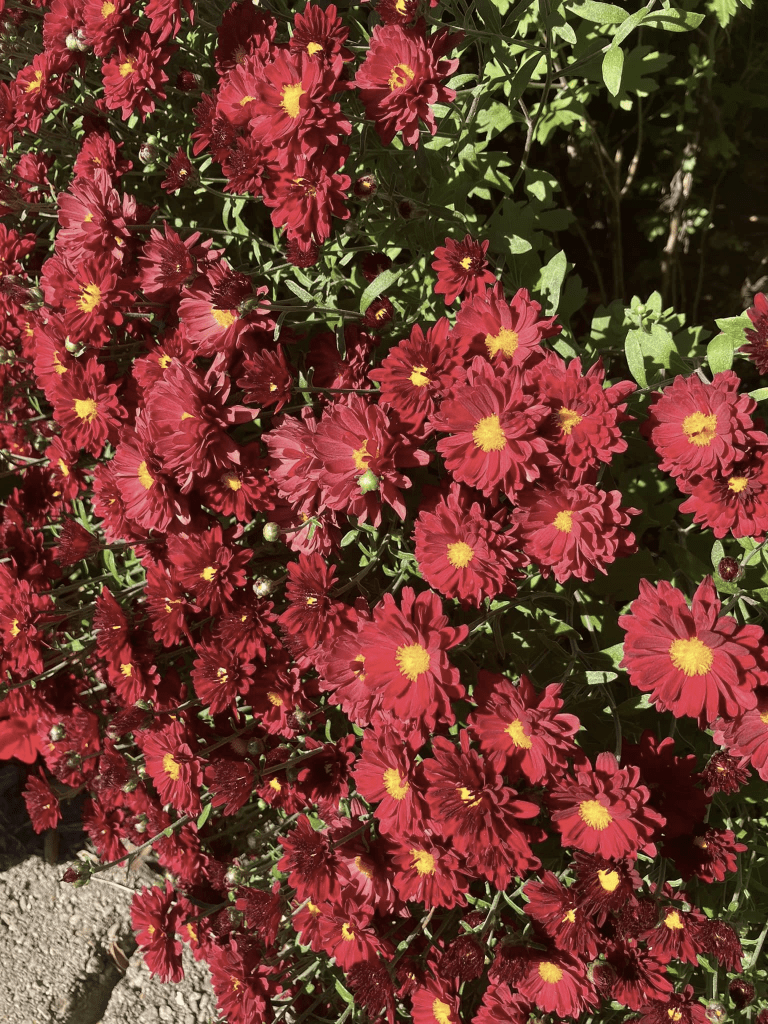
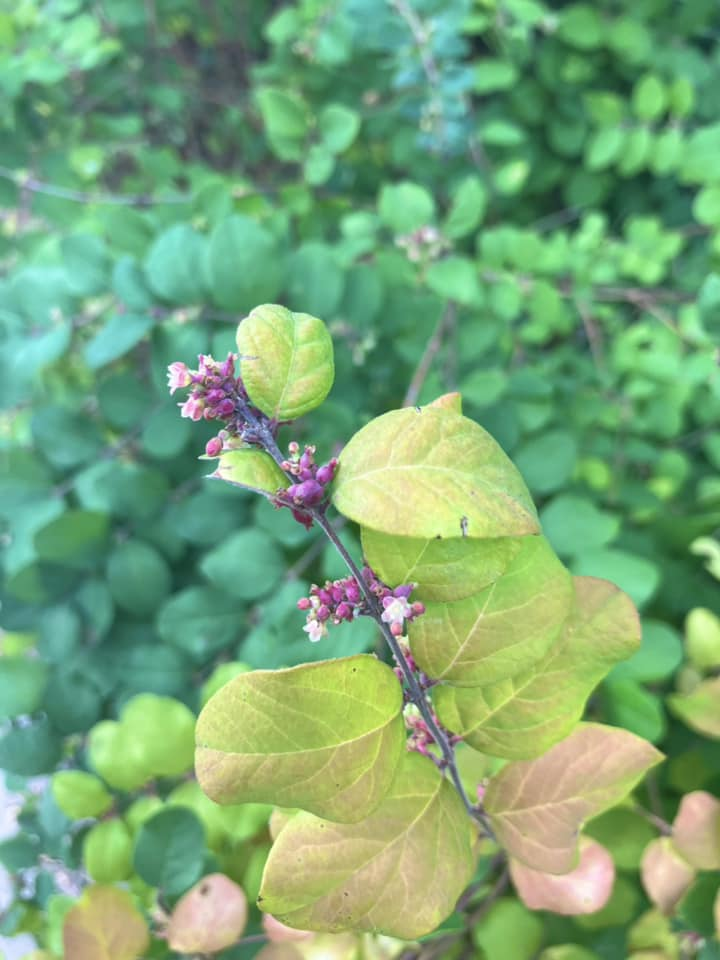
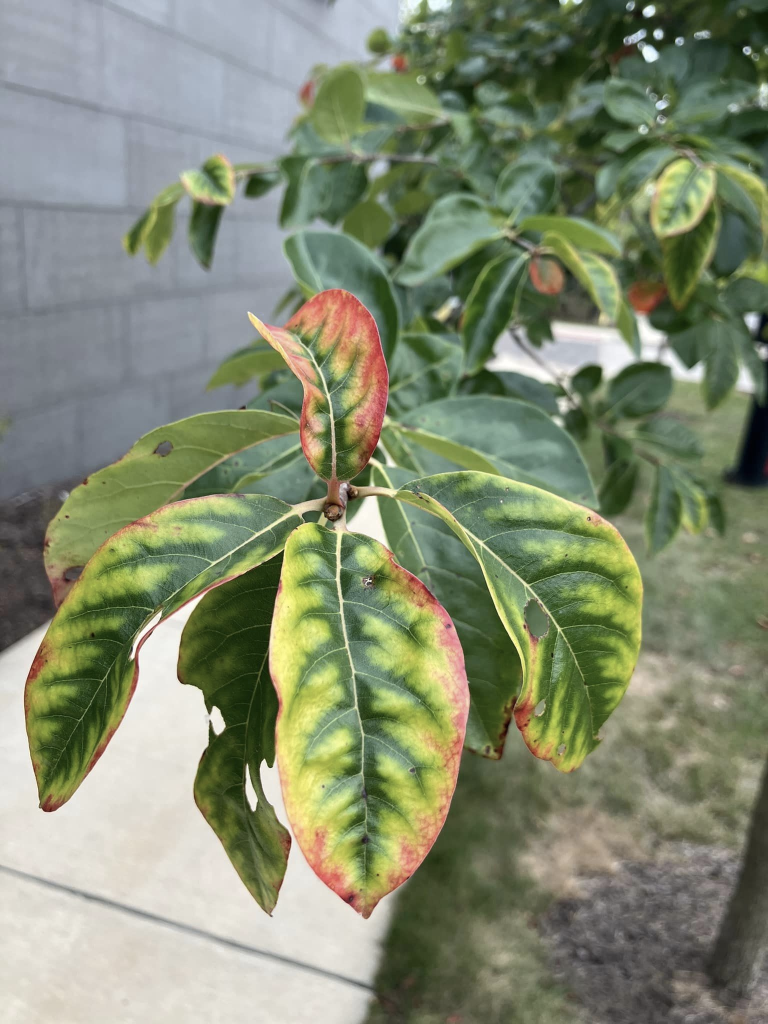
Beautiful leaves, emerging with yellow.
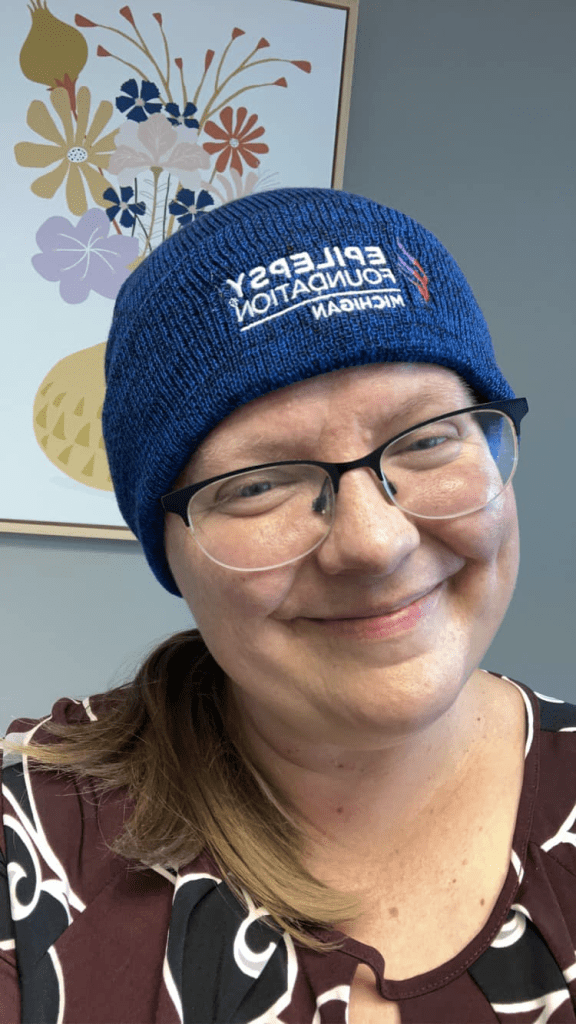
My new beanie arrived perfectly on the first day of Fall.
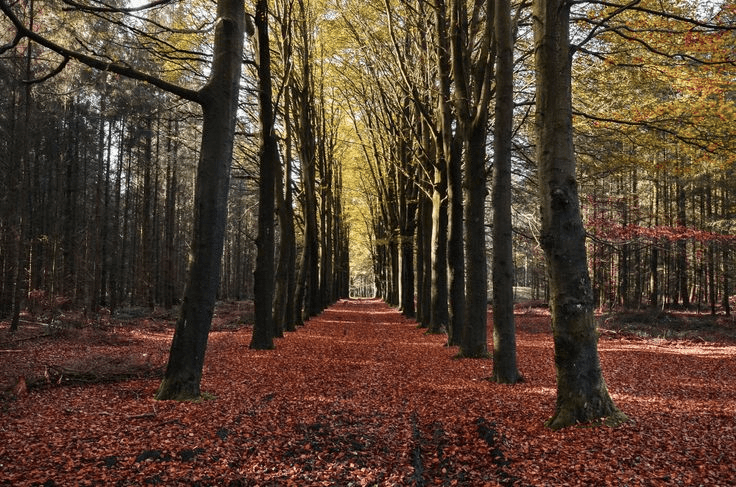
Happy Autumn!
Today is the first day of Fall. Rarely does a change in seasons line up its weather so exactly, but in my region, yesterday was very warm, and overnight, we received a big cold front. I’m feeling that this morning, and I see on my phone that tomorrow’s low is 38 degrees!
I’m not entirely enthused, I admit, because I adore summer. But I’m embracing this too.
Sometimes, I like to think about the fresh start effect. When we have a new marker in time, it can be an occasion to reflect upon what we hope for within the span of that time. So what do you hope to experience this Fall? What might nurture you? How would you like to show up for others? Are there any rhythms you’d like to create? Are there any gratitudes you’d like to bring to mind?
I hope it’s a good season for you.
–Renee Roederer
These are the muppetiest frogs I’ve ever seen. Make sure you watch with the sound on.
This summer, I had some serious wonderlust. I had a seemingly relentless desire to to travel and explore. And I did a whole lot of that over the summer months, particularly in my state of Michigan.
Then we arrived collectively at Labor Day weekend, and I just felt something shift. I had planned one more day trip, but I thought, “No, I just want to stay home.” And since then, I’ve felt something different. My exploration has become even more local, not only including time outside (though still that, yes) but experiences with new people.
And all of this is a prelude to tell you about the silly, wonderful experience I had last week.
I was about to finish my work day when I asked myself, “What do I want to do tonight?” My town and my county often have a lot of events going on, so I consulted a local publication that shares daily events. Oh, I’m going to THAT, I decided, as soon as I saw it on the page.
So you guessed it! (just kidding, you’d never guess this) That is how I spent the evening connecting with and singing alongside a barbershop harmony group. Renee’s random rendezvous with Boomers who barbershop.
The name of the group is The Huron Valley Harmonizers, and these singers are so nice. So welcoming! Anyone can come sing with them. You just bop right into the rehearsal, and they’ll welcome you kindly, give you sheet music, and bring you along fully with the experience. We sang some pieces and practiced some tags. And I learned this is a thing: This group and many other groups will go to barbershop conferences where you just learn tags — harmonic endings to songs, often with big glissando slides that will end in lovely, bright major chords.
I had so much fun!
I found myself reflecting on this: Within our towns and local settings, place is a living, breathing experience that is changing all the time. That’s true in the people just like it is in the seasons. And even if we’ve been there for a while, we are re-placed all the time. We are communitied in new ways continually based on who arrives and who is new to us, even if they, like we, have been here a long time.
I like that. (In your imagination, hear those three words as a tag).
–Renee Roederer