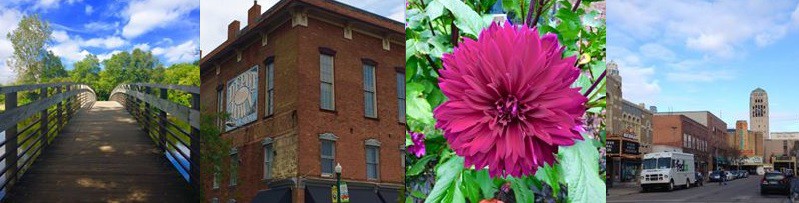
And if you’re unable to view this from Instagram, here’s a YouTube video about the Annual Pencil Sharpening. All of these people come out to celebrate a former-tree-turned-pencil getting a sharpening.
Never Underestimate Belonging
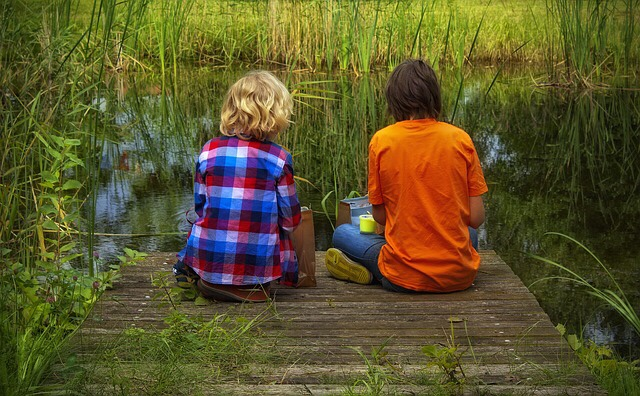
Yesterday, I spent time with some of my most beloved people. Then, while driving home, I found myself reflecting on how I felt afterward, including how I felt physically.
We often say things like, “Oh, that just fed my spirit,” or “That really lifted my spirits.” All of that is true, but these kind of experiences are ultimately embodied. We feel physically enriched when we’ve been in the presence of people we love.
Never underestimate belonging.
Then, during the drive home, I listened to a podcast episode of Hidden Brain, entitled, The Lonely American Man. This is a very important episode. It delves into research and a number personal stories that reveal the cultural socialization of boys and men to shut down emotions and cease language of intimacy in their own connections with one another. Ultimately, this leads to painful forms of isolation, impacting physical and mental health.
The opposite is true as well. The episode also gives examples of what is possible when we cultivate spaces for boys and men to be vulnerable, emotional, and connectional with others.
Never underestimate belonging.
This then reminded me of an important TED Talk by Susan Pinker. It’s entitled, The Secret to Living Longer May Be Your Social Life. Susan Pinker discusses research revealing how small interactions with acquaintances and unknown neighbors can have a large impact on health and wellness.
Never underestimate belonging.
We are living in an era of social upheaval. Anxieties and tensions are higher, and in the midst of these, people are working for collective change and greater safety. That work often requires disruption of systems and confrontation of forces that are doing harm. This is all vital.
But also, never forget that it is a radical, transformative act to cultivate spaces where people can belong –
where people can feel at home –
in their bodies, in their relationships, in their communities, in their callings, and in their purpose, toward collective purpose.
Never ever underestimate belonging.
The Misery of Uncertainty
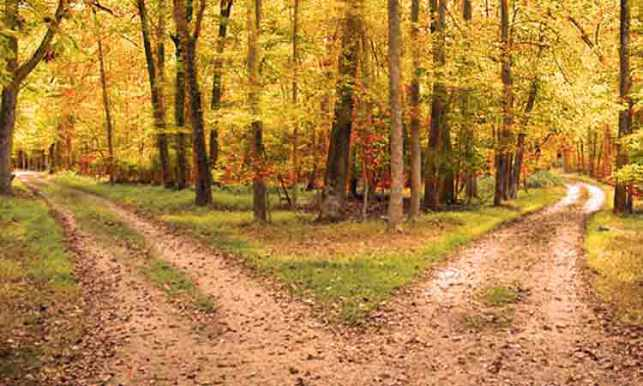
Psychologist Bruce Perry shares a particular adage in in some of his books which may seem a bit pithy, but there is a lot of wisdom and thought behind it too. He says,
So often,
“We prefer the certainty of misery to the misery of uncertainty.”
There are times when we assume that pain, chaos, or conflict are going to be constant. Maybe not in every situation, but at least, in particular ones.
There are times when harmful rhythms, patterns, and practices (our own or others) become normalized to us, even though they are causing great difficulty.
There are times when we come to expect very little with resignation or cynicism.
These cause misery, but we feel settled in their sense of certainty. Rather than risking uncertainty, we sometimes prefer what we have become accustomed to because goodness knows,
uncertainty is vulnerable.
Risking hope is vulnerable.
Saying, “No More,” is vulnerable.
Cultivating new possibilities is vulnerable.
It really is vulnerable.
And if you’re doing anything of these things, or if you want to do these things, give yourselves a lot of gentleness and grace. But also give yourself hope and trust. Uncertainty requires risk, but it is generally the pathway by which newness comes.
Such a Gorgeous Final Question
I am greatly enjoying the spring season, which is leaning into this vision of summer.
The Summer Day
by Mary Oliver
Who made the world?
Who made the swan, and the black bear?
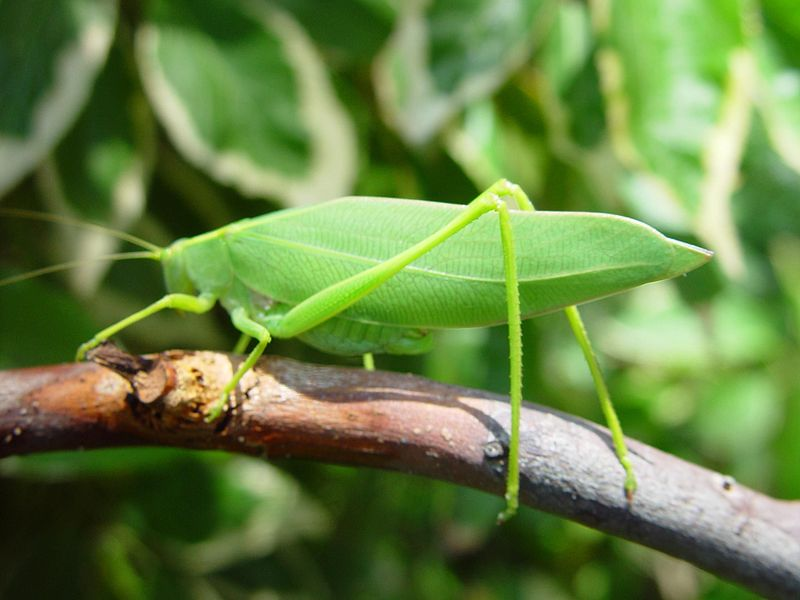
Who made the grasshopper?
This grasshopper, I mean —
the one who has flung herself out of the grass,
the one who is eating sugar out of my hand,
who is moving her jaws back and forth instead of up and down —
who is gazing around with her enormous and complicated eyes.
Now she lifts her pale forearms and thoroughly washes her face.
Now she snaps her wings open, and floats away.
I don’t know exactly what a prayer is.
I do know how to pay attention, how to fall down
into the grass, how to kneel down in the grass,
how to be idle and blessed, how to stroll through the fields,
which is what I have been doing all day.
Tell me, what else should I have done?
Doesn’t everything die at last, and too soon?
Tell me, what is it you plan to do
with your one wild and precious life?
— Mary Oliver
Do Bees Remember… Collectively?

I’m a fan of curiosity questions — the kinds of questions we might ask and never answer fully. These are the same the kinds of questions that take us on fun information quests.
I was biking around town yesterday when I saw a bunch of bees flying around and landing upon some wildflowers. That’s a sight I see often while exploring my town. I wondered, “Do bees remember routes?” and “If many of these wildflowers are perennials, returning each year to this very spot, do they have some way of sharing that memory across their generations — after all, they have rather short lives — so that wildflower locations don’t have to be rediscovered each year?”
I’m grateful to live in an era of Google and YouTube.
And like a good curiosity question, I haven’t yet answered this fully. But I’ve learned some neato things.
— I already knew about the waggle dance (it blows my mind that this works). Watch a video about how bees share the locations of food sources with one another.
— I also learned about bee cultures, and how they teach one another. Here’s a Wikipedia article about that.
Nature is fascinating, and it’s fun to explore these questions.
—Renee Roederer
Which Begs a Simple Question: Why?

These words below from the Rev. William Barber II really gripped me. He speaks to the proposal to cut SNAP benefits to individuals, families, and children by $230 billion in the next 10 years. This is part of the current effort to create “one big, beautiful bill.”
“This is one reason why the resolution Congress has passed to guide the current budget process on Capitol Hill is so extreme. It calls for the Agriculture Committee in the House to cut $230 billion from SNAP over the next decade. They are scheduled to vote this week on proposals for how to do this. Every option on the table would mean millions more US children go hungry.
“Which begs a simple question: why?
“Why does another child need to go hungry in America?
“This is the question every member of the House Agriculture committee should have to answer before they vote.
“The budget resolution the House is working under proposes many cuts, but it also includes some significant increases. The moral issue at stake is which spending priority justifies the violence of starving a child?
“Should another child go hungry so a corporation in America can pay a lower tax rate?
“Should another child go hungry so we can ‘reduce the debt’?
“Should another child go hungry so rouge homeland security forces can have more funding to disappear people from our communities to offshore gulags?
“Should another child go hungry here so our Defense Department can have more money to support wars that are starving children elsewhere?”
— Rev. William Barber II
Note: In the last question, I have linked to an article about the current blockade that the Israeli army is enforcing in Gaza, barring all food aid. This has been going on for three months, and children and adults are malnourished and at risk for starvation. This, too, is a grave injustice, and I believe we need to raise the alarm and advocate for human rights, safety, and resources for Palestinians.
Please read more here, here, and here.
This Week in Nature
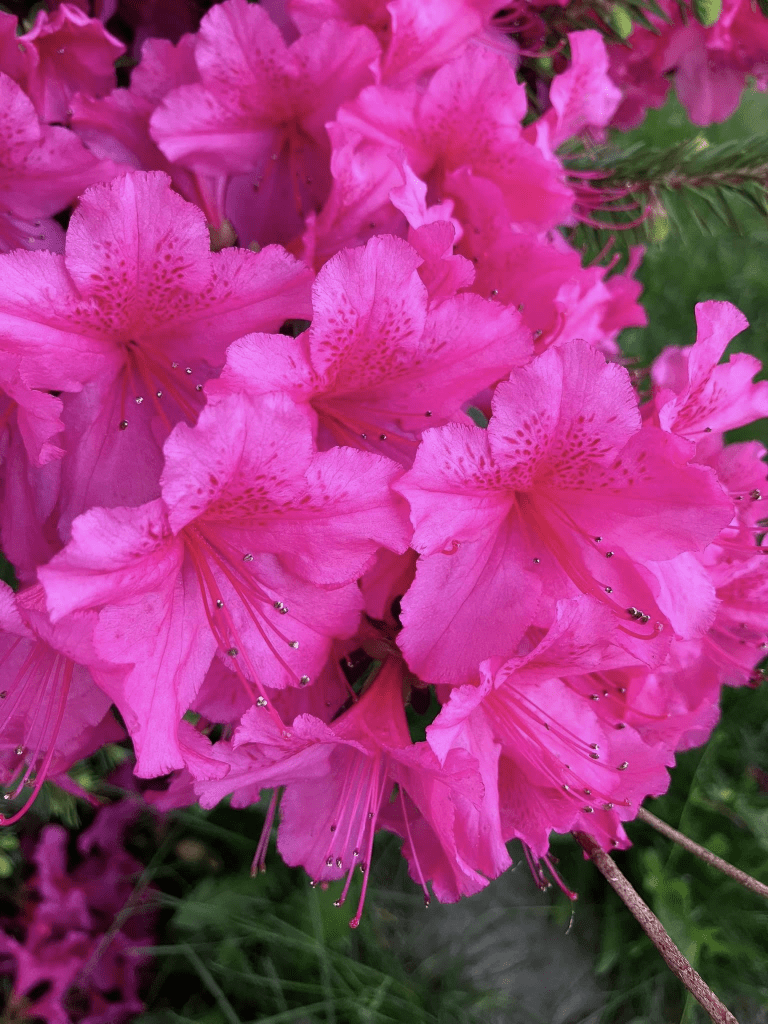
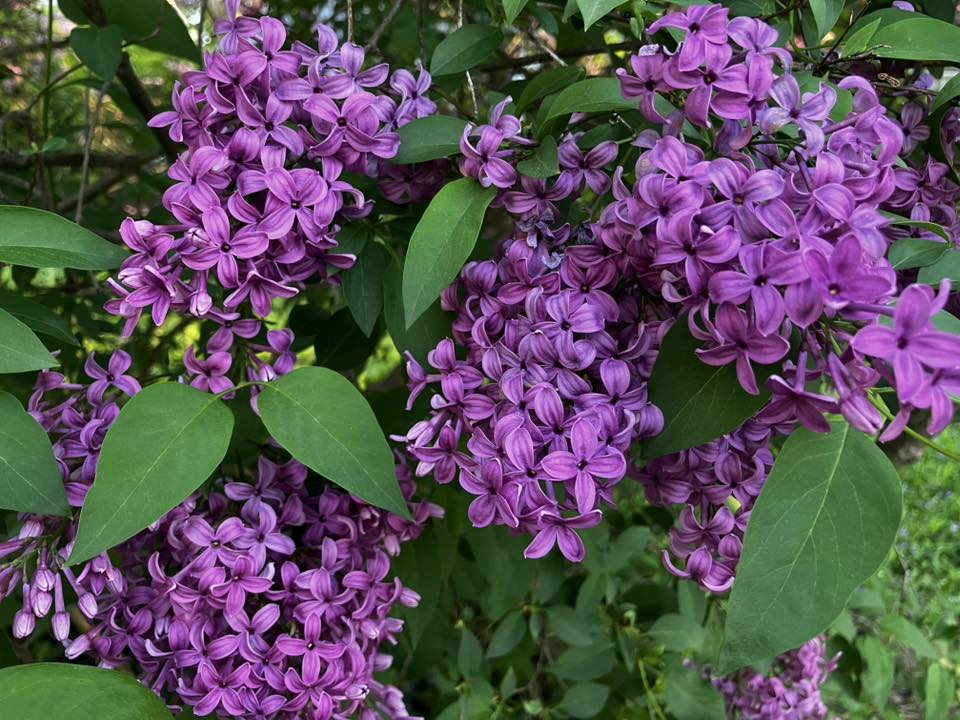
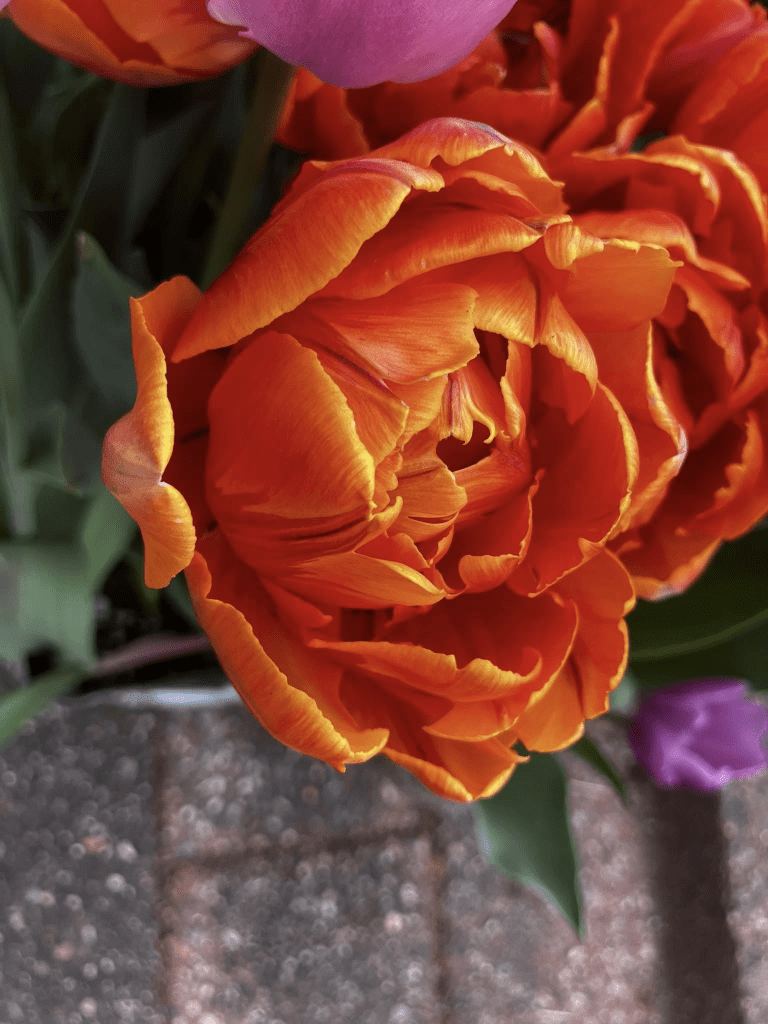
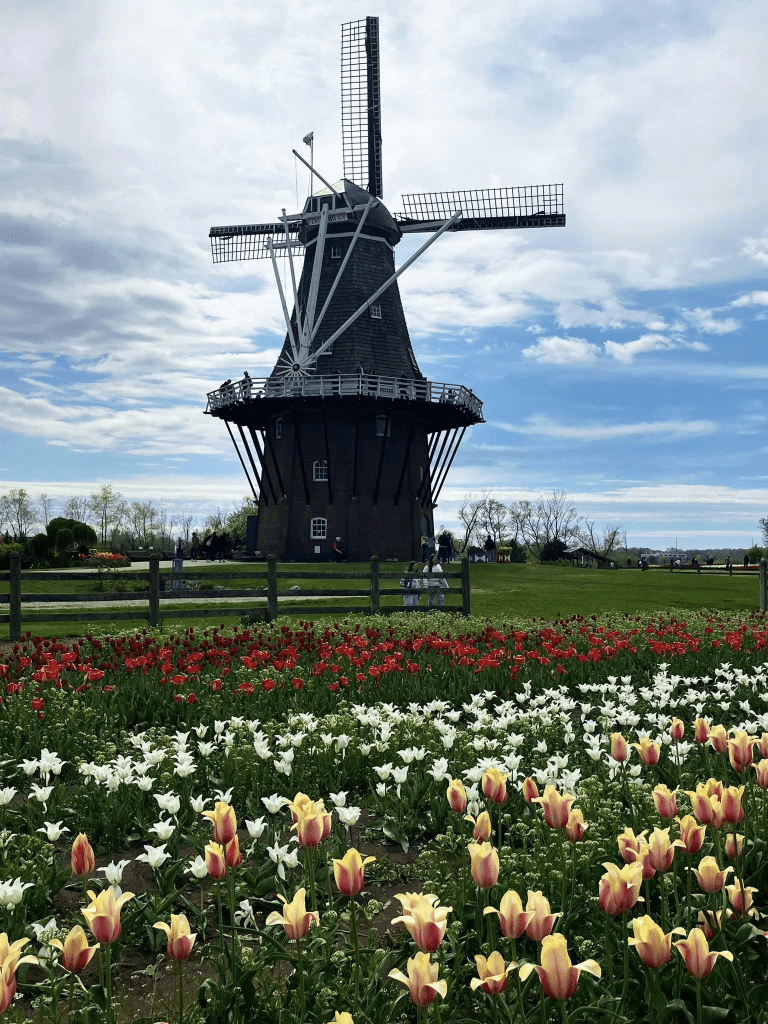
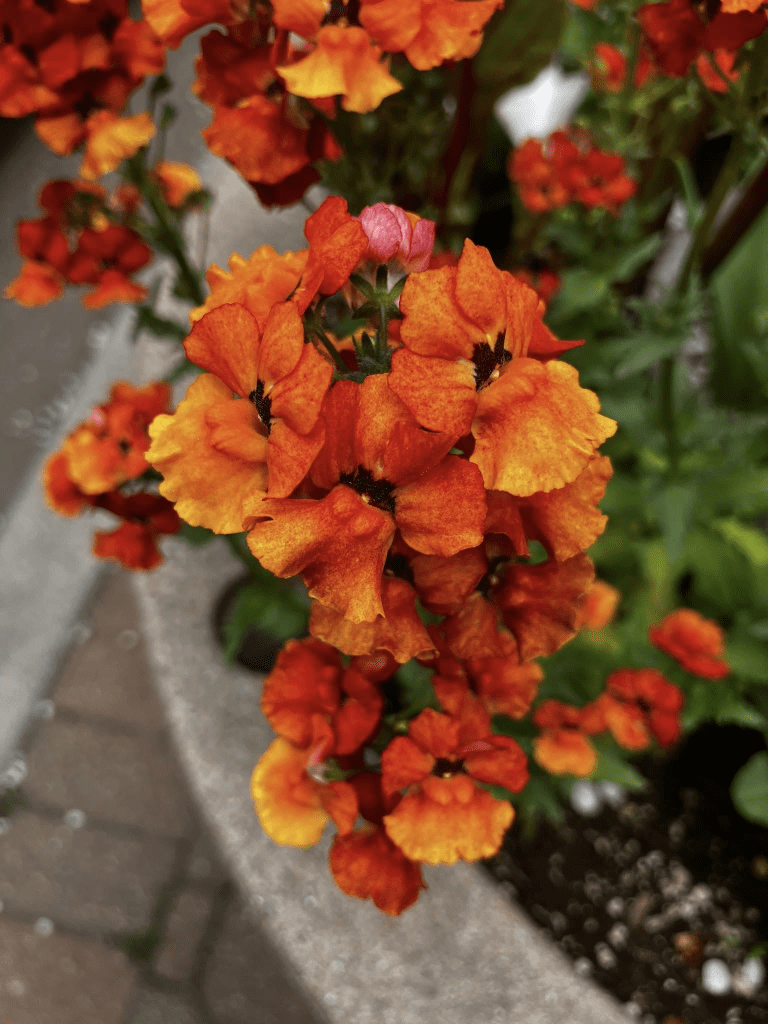
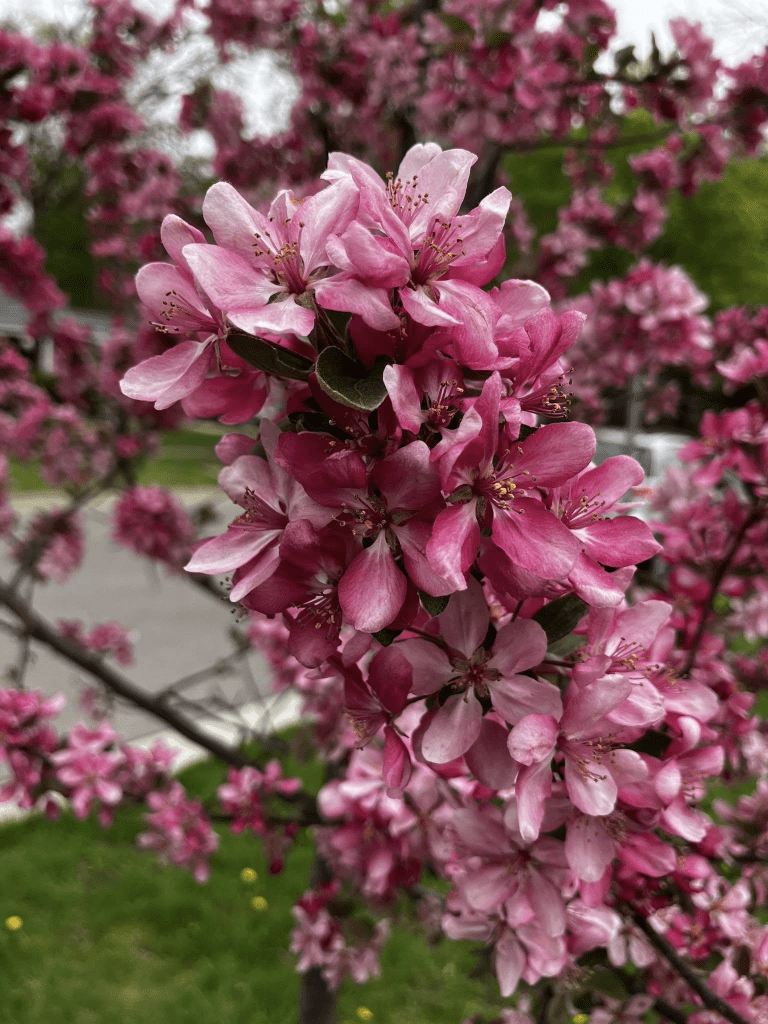
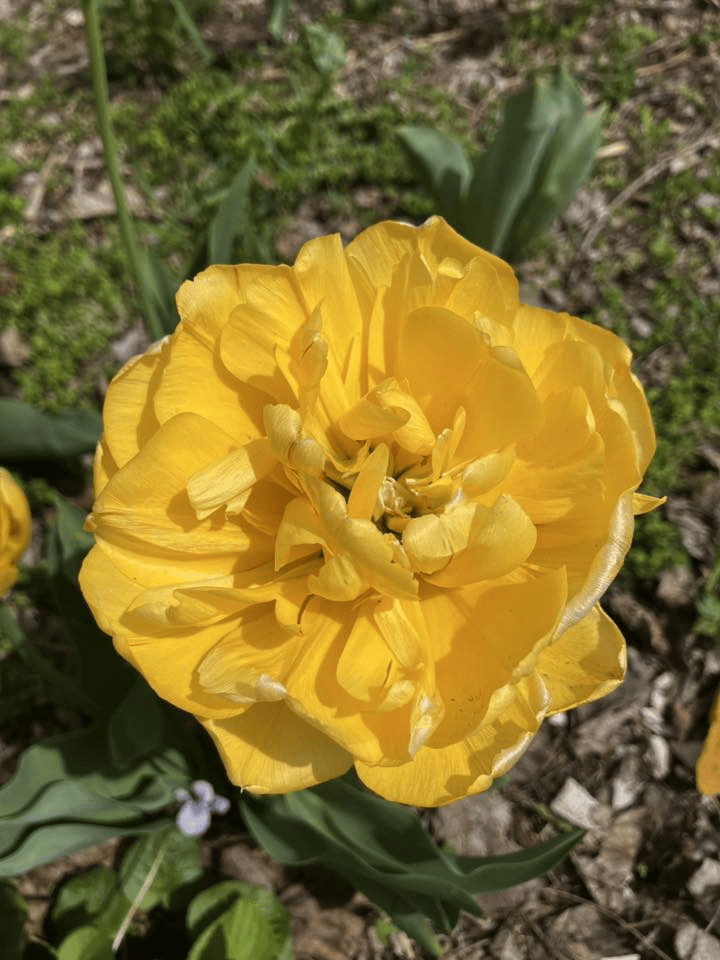
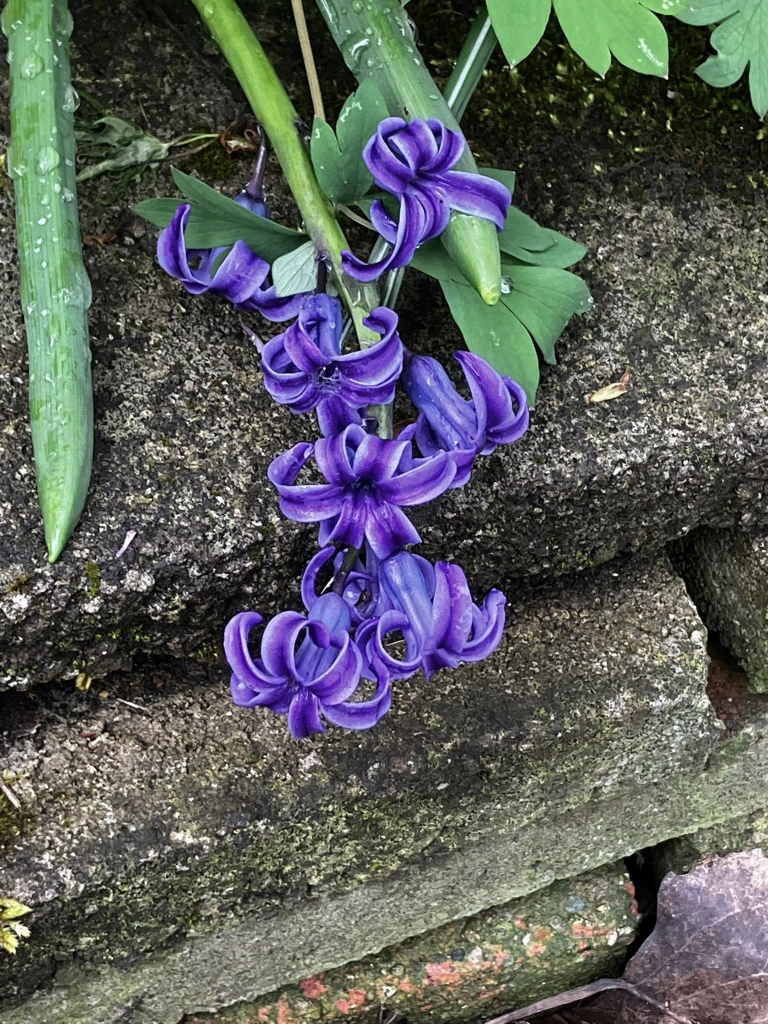
Nocturnal Fluffball Snugglers
The Beauty of Change
A couple of days ago, I was driving around my town. With a smile on my face, some words just spontaneously tumbled out of me. “I know you,” I said, and then I smiled some more.
I spoke this to Ann Arbor, the place I’ve called home for the last twelve and a half years. My car windows were down, and I took an enormous, intentional breath of spring air. Then I put my arm out of the window to feel the breeze. I felt very alive.
The reality of spring called those words forth from me.
“I know you.”
I continued to enjoy the spring air, but the visual scene was most responsible for bringing those words into being. In Michigan, we have entered an aesthetically gorgeous time of year. The six month period from April to October brings continual changes in scenery.
Each week shifts as a variety of flowering trees and plants emerge, soon accompanied by the newborn leaves of trees which grow in gradual ways. After these leaves progressively paint our town bright green, they rustle in the wind for a few months and finally give us a swansong, bursting into a variety of colors as they shed their photosynthesis process and reveal the red, orange, and yellow colors hiding underneath it.
For this half of the year, every week is gorgeous, and every week is gorgeous differently.
This is the twelfth spring I’ve experienced in Ann Arbor, and I’ve lived here long enough to know the order of this unfolding process of change. That’s why the words tumbled out of my mouth that day in my car.
“I know you.”
I know how one set of flowers and blooming trees emerge and seem to reign for mini-era of time, only to be replaced by another set of flowers and blooming trees. It’s a beautiful procession.
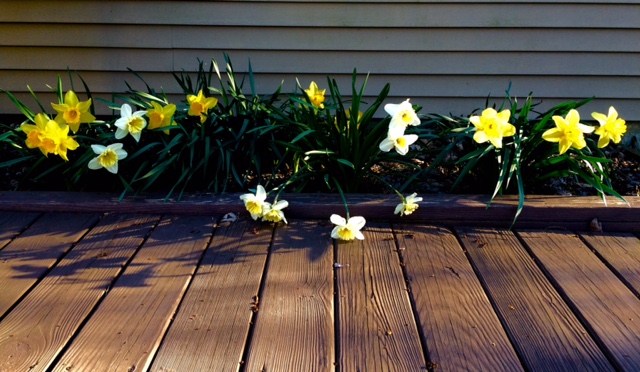
I know that the daffodils,
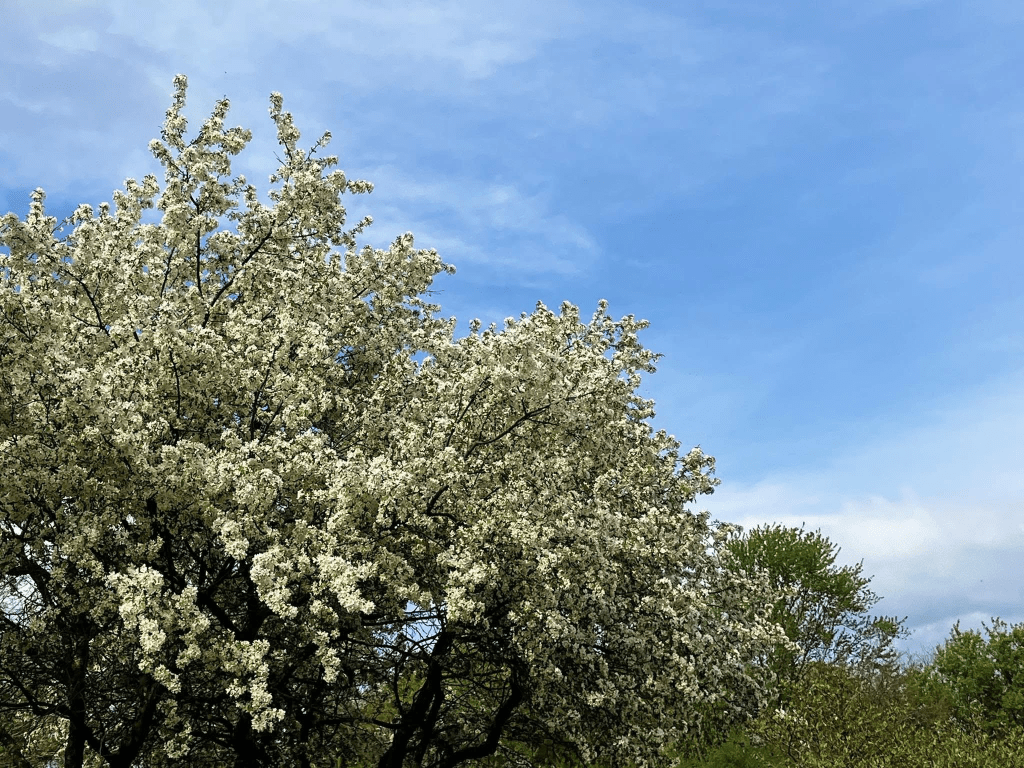
soon give way to the bradford pears,

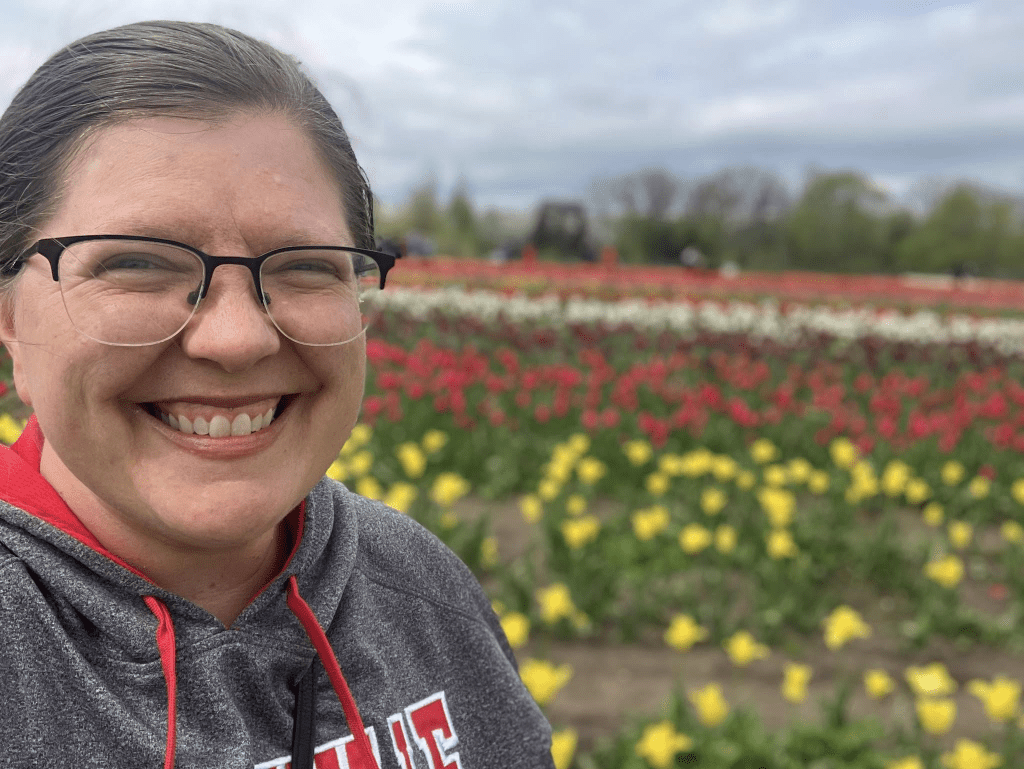
which soon give way to the tulips,

which soon give way to the tulip magnolias,
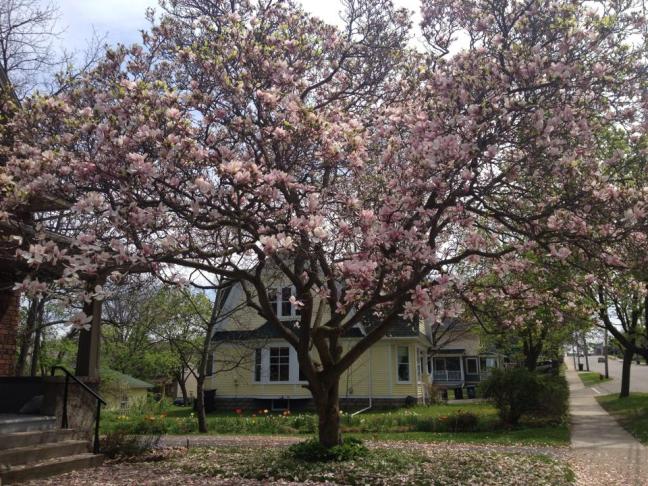
which soon give way to the day lilies.

This process continues to unfold beautifully.
I love that we are in the midst of this procession right now, and it gave me an impromptu burst of joy when I spontaneously said, “I know you,” to Ann Arbor on that day.
There is a rich experience of belonging when we feel at home.
This is true
within places,
within relationships,
within ourselves.
We can feel at home in the presence of all of these.
When we do, I think we have some knowledge of the essence of what is before us, while also knowing and even expecting that it will experience change.
For instance,
I know the order of Ann Arbor’s flower procession,
but I am still surprised by its emerging beauty.
Likewise,
We know some of the essence of our children’s personalities,
but we are surprised with their growth year by year (and even daily).
We know our weekly work routine,
but we are surprised when we feel a sense of calling within it or beyond it.
We know our personal traumas and forms of grief,
but we are surprised when new life and forms of resurrection find us.
“I know you.”
May we feel at home.
And may our experiences there change us too.
This Podcast Episode Will Do You So Much Good
I don’t even want to tell you what this is about. I invite you to listen to this podcast episode and be surprised by the dearest, most wholesome connections with people, including some intriguing science to boot. This will uplift you. I promise.

