Sometimes, I think about how there is enough — that with collective resolve, and with each person and each community doing what they do best in an organized way, there is enough for people to be free, have what they need, belong, and live and love well.
Sometimes, it takes tremendous risks. Sometimes, it takes nurture and care. Sometimes, it takes vision. Sometimes, it takes following marginalized people. Sometimes, it takes dismantling the margins.
I’m not naive. Things are tough. I woke up this morning, feeling sick for our country as many people fear the loss of a multitude of rights. I just know there are many people out there doing what they can uniquely do — sometimes, the things that only they or their community are in a position to do.
And it makes me wonder, what can we uniquely do?
–Renee Roederer
Supported
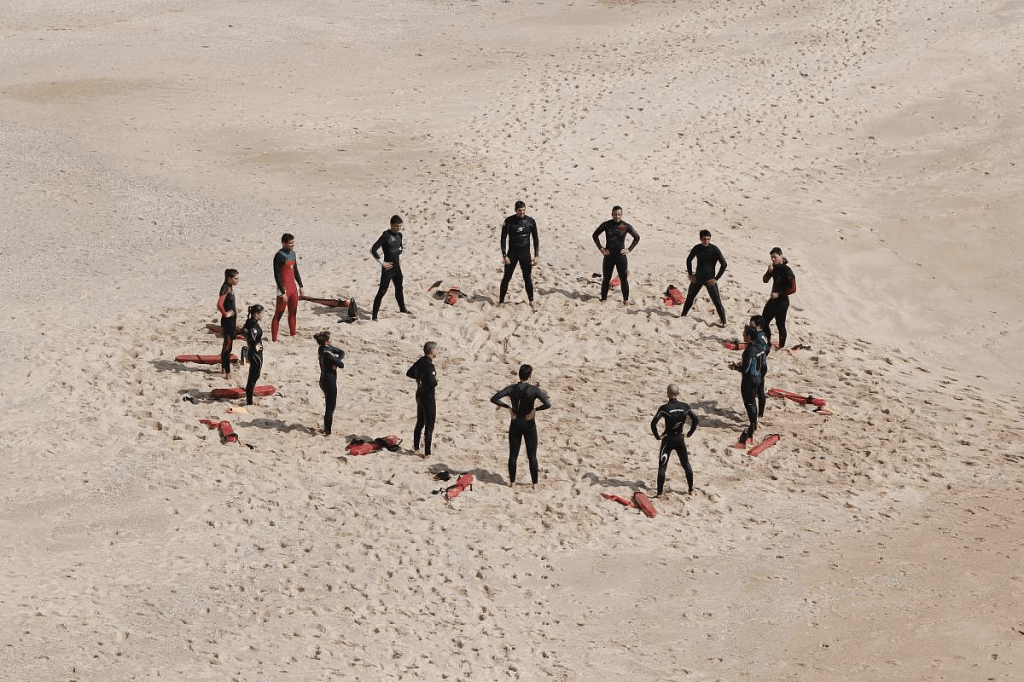
Some people really had my back in a community setting recently, and it meant so much to me.
Whether we are the ones supporting, or whether we are the one being supported, we should never underestimate the ways that solidarity and intentional care can impact our bodies, creating greater safety, a sense of being at ease, and a feeling of being loved.
–Renee Roederer
Uninterrupted Nature Time
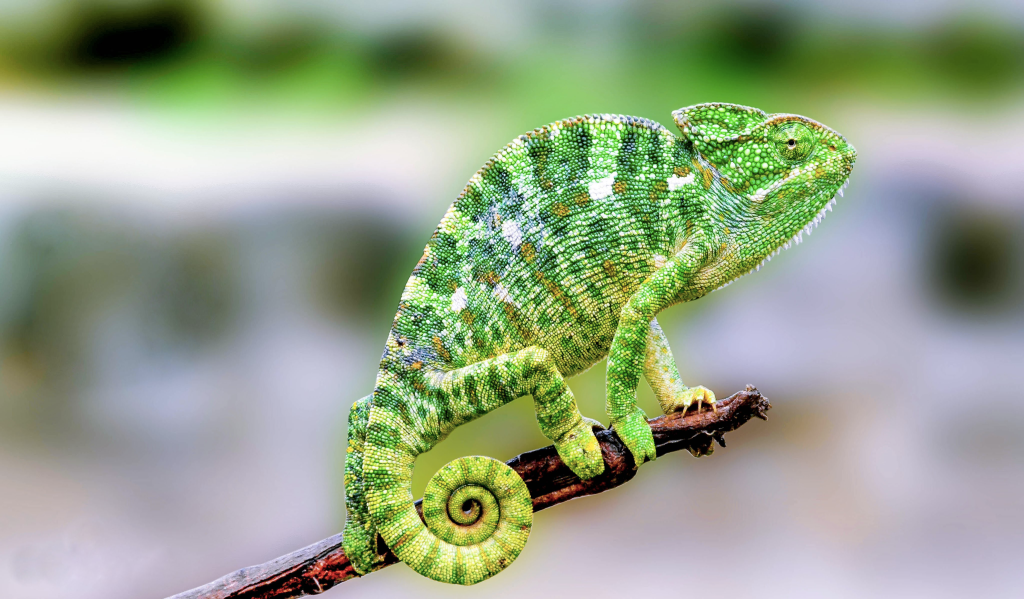
When I was a child, we used to all tease my grandfather for constantly watching the Discovery Channel. He would watch all of these nature shows, typically with some person commentating on what various animals were doing. My grandfather died in the late 90s, and in all honesty, it’s been so long since I’ve thought about his daily habits of watching these shows.
In 2022, without ever thinking of those early memories, I started a personal rhythm. I call it, “Uninterrupted Nature Time.” Each morning, I take 15 to 20 minutes to watch a portion of a nature documentary, usually over breakfast. It’s uninterrupted because it’s one definite part of the day where I’m not distracted by tasks, texting people, or doing anything else. It’s 15 to 20 minutes of learning fun facts about nature, and it usually brings me a sense of wonder. It’s a part of my rhythms in getting ready for each day, and I’m glad for it.
A few days ago, I thought about Papaw, and I enjoyed that we share this connection. I would dearly love to watch a nature show with him as an adult. I remember that he would often have his own side commentary, and I think it would be absolutely hilarious to experience that now. And I’d also like to add my voice to the mix.
–Renee Roederer
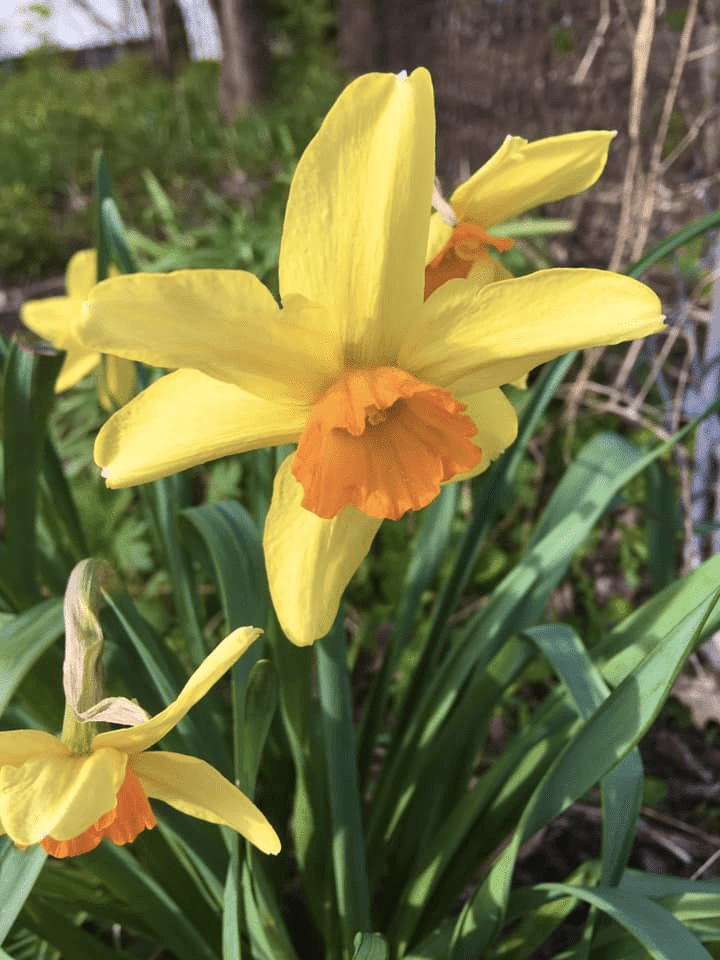
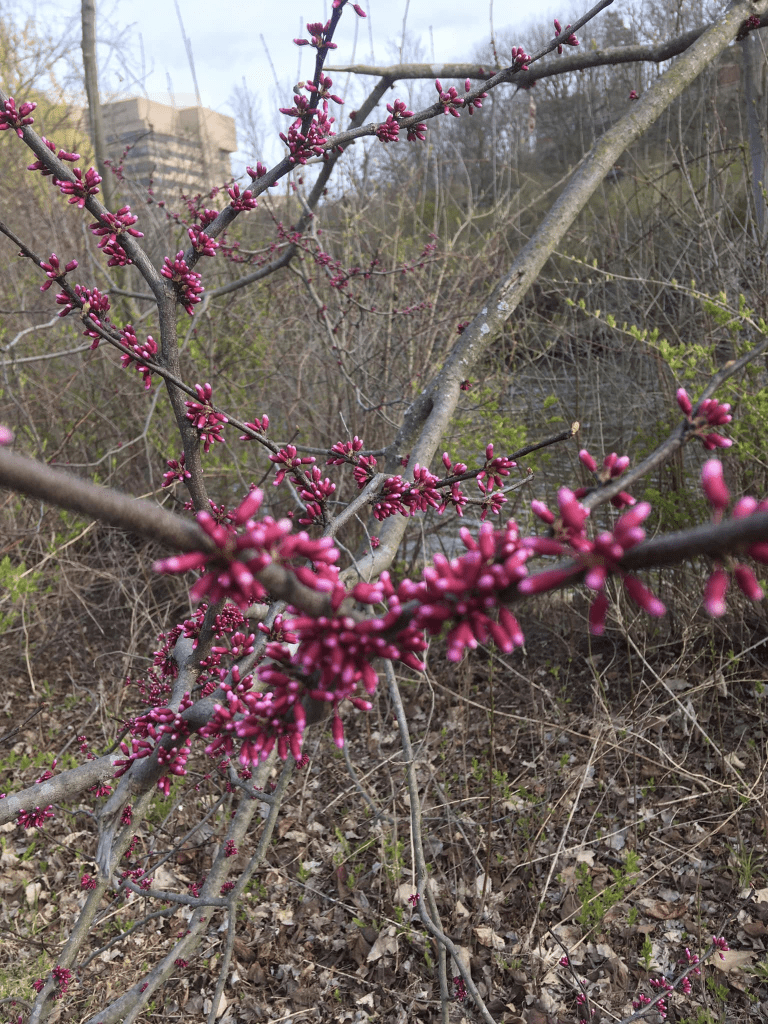
Renewed
She Drove to the Moon: An Ode to My Car
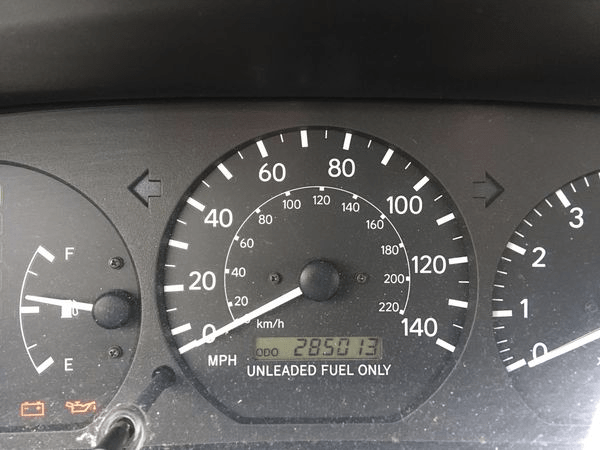
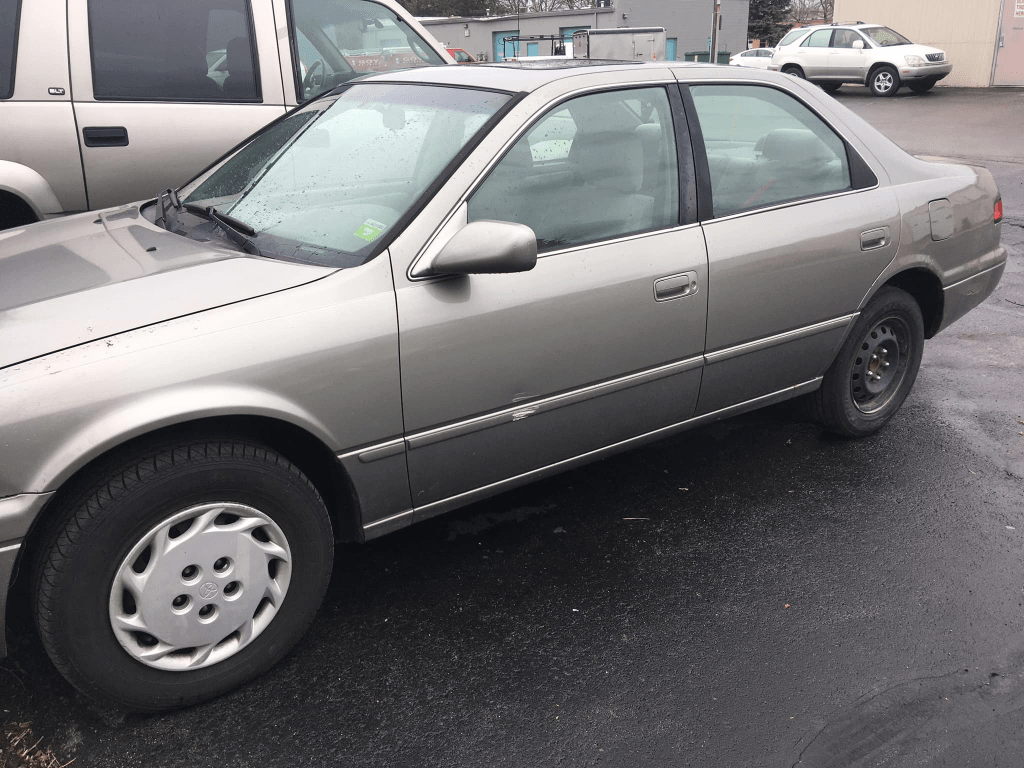
This post is an ode to my very beloved, very faithful, very long running car. After 25 years of longevity, Eleanor, my 1997 Toyota Camry, stopped running for good. She drove the distance to the moon — 240,000 miles — and was steadily on her way back, until at 285,013 miles, she could go no longer.
I couple of Thursdays ago, I enjoyed watching the odometer roll over to 285,000 miles. I felt so proud of her. This is the car of my entire adulthood. She began her life as the car of Eleanor Roederer, a relative, and when that Eleanor could no longer drive, she sold the car to me at a low price. I was 21 years old at the time. And when Eleanor Roederer died, I lovingly nicknamed my car after her. Just like her namesake, this car lived a long, long life.
This was my car when I lived in five different states —
Indiana,
Kentucky
Texas,
California, and
Michigan.
This car drove me to each of those moves too, and so in a sense, this car introduced me to just about everyone I know. This car has gone on road trips. In her last years, I especially enjoyed driving her around various places in Michigan, simply to go exploring. This is, after all, a gorgeous state. This car also took me around the state to all the annual Strolls for Epilepsy, sponsored by my workplace at the Epilepsy Foundation of Michigan. This car drove to innumerable errands. She was very familiar with all my favorite grocery stores, especially Trader Joe’s. In her longevity, she received many oil changes, in recent years at Uncle Ed’s Oil Shoppe (I highly recommend them). She was repaired a number of times at Ron’s Garage (I highly recommend them), and she currently resides there until she will be donated to Michigan Radio in a matter of days.
On Tuesday this week, I went to clean the car out, and I sat inside her for the last time and cried. I thanked her with so much gratitude. A 25 year old car that you’ve had in five states over your whole adulthood throughout so many life stages? That is a special gift. I thought through lots of wonderful memories. Besides the house I grew up in and the house I live in now, I have spent more time in this structure than any other. She was a very good girl, and I love her.
So there it is. I will have a new car (I don’t have it yet) and that will be fun and meaningful with exciting, new features. (A backup camera!) There will be no cassette player. That glory belongs only to Eleanor. I hope the next car will be just as faithful.
But for today, I will say that this car was truly glorious in every way. What a gift. Godspeed!
–Renee Roederer
The Cost of Poverty
In order to ponder and act upon solutions, we need to be able to delve into difficulty.
This week, I’ve been attending the annual conference of the Public Health Institute, and as part of our time together, we participated in an session entitled COPE (Cost of Poverty Experience), led by ThinkTank-Inc. In this, we learned some challenging statistics. I’d like to share some of those today.
— It takes 112 minimum wage working hours to afford housing at 30% of your income. This doesn’t involve purchasing a house, but instead, affording to rent a two bedroom apartment.
— Before the pandemic began, 1 in 8 children were experiencing food insecurity. Now, after entering the pandemic, that number is between 1 in 4 and 1 in 5.
— 60% of inmates in U.S. jails have not been convicted of a crime. They are awaiting trial and cannot afford cash bail.
— When it comes to a wealth gap, on average, White households have 8 times more wealth than Black households. On average, White households have 5 times more wealth than Hispanic households.
— 24% of workers, roughly 33.6 million people, do not have any sick leave.
These are statistics, but these realities impact human lives. These experiences are a part of our wider community, and they impact physical health, mental health, and relational health. In order to ponder and act upon solutions, we need to be able to delve into difficulty. And in in order to ponder and act upon solutions, we need to be in relationship with people who experience these realities and follow their leadership and expertise.
–Renee Roederer
An April Suitcase
A while back, I shared here about my year of surprises in 2022. For my milestone birthday this year, I asked my loved ones to pick a random month of the year and surprise me with something during that time. I shared that these things don’t need to be big or monumental. Some of my favorites so far have been surprise meals and surprise outings.
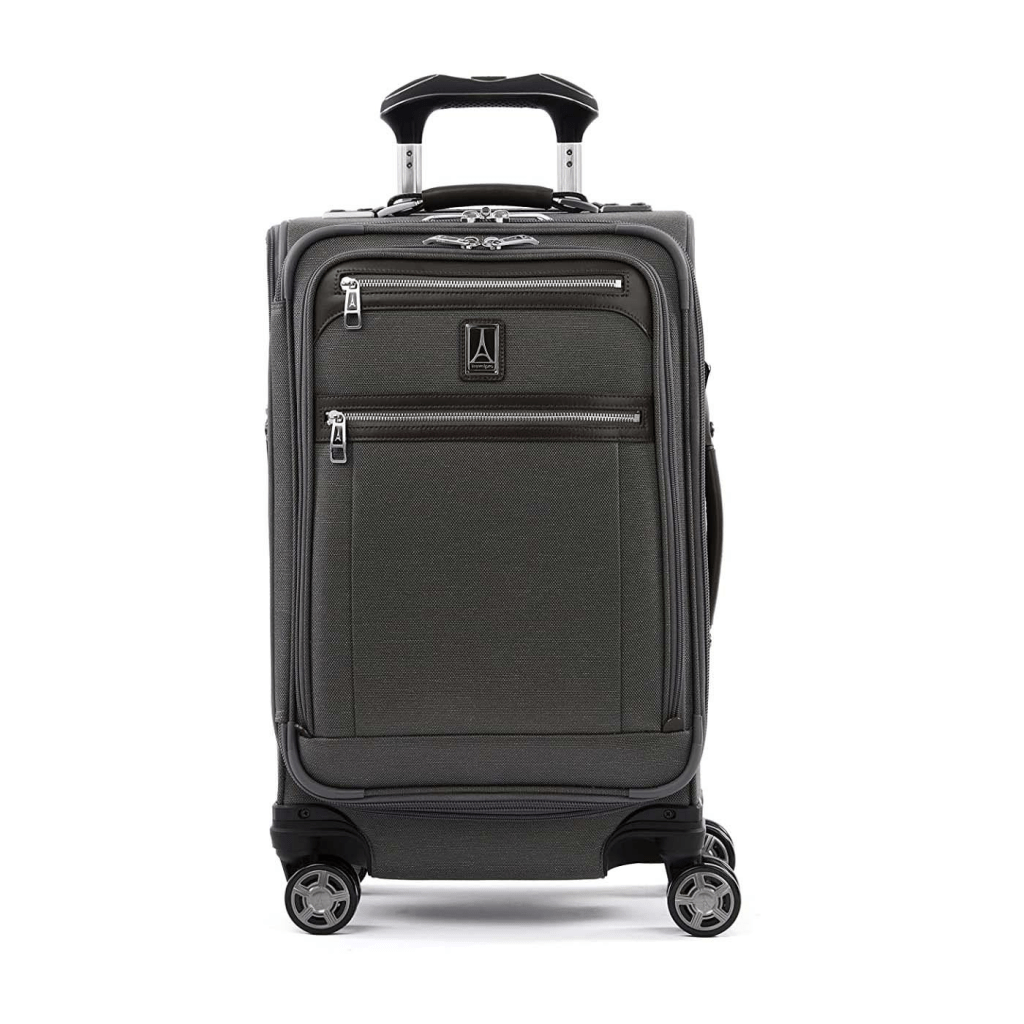
But then yesterday, I received a suitcase. It’s a brand new suitcase, delivered to my door from states away thanks to the kindness of one very favorite people. And I needed one too! The handle of my previous, carry-on rolly was damaged after many years of use.
So now I have a nice new one!
And I just absolutely loved how unexpected it was. Now I have an April suitcase!
–Renee Roederer
A Kind Word

We should never underestimate a kind, affirming word.
Maybe someone has been grieving,
Maybe someone has been depressed,
Maybe someone has been anxious,
Maybe someone has been lonely,
Maybe someone has been stigmatized,
Maybe someone has been scapegoated,
Maybe someone has been exhausted,
Maybe someone has been vulnerable,
Maybe someone has been hope-seeking.
There’s nothing particularly deep or creative in lifting up the importance of a kind word. I’m just saying something obvious. But I can point to several moments lately when people have done this, and it’s had even more power than they knew. We may never know fully what someone is carrying.
A kind word might not only land well. It might transform well.
–Renee Roederer
#AccessIsLove: God Is Disabled
Yesterday, at a local church in Saline, Michigan, I had the occasion to speak on John 20:19-31. In that story, Jesus shows his crucifixion wounds to Thomas and the other disciples. It made me think of this post again, and I’d love to share it, particularly if you find it uplifting or you find yourself affirmed within it. Thanks for reading.

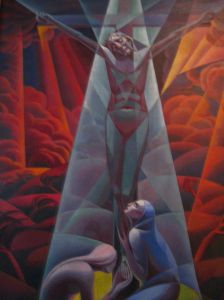 [This painting is entitled, ‘Crocifissione”(”Crucifixion”) by Gerardo Dottori and is in the Vatican Museum. Image description: Jesus is hanging on the cross with his head tilted to the left side. The cross and his body are shades of blue in front of a red background. There is a beam of light coming down in the shape of the triangle, lighting his body and two women who are kneeling at the foot of the cross. One is looking up and to the left. The other is looking down and to the right.]
Today, we close a five-part series entitled #AccessIsLove. This series is part of the larger #AccessIsLove campaign initiated by Mia Mingus, Sandy Ho, and Alice Wong, three disabled activists who invite us to frame accessibility as an act of love and a priority for moral inclusion — not an afterthought, not a burden, and not an inconvenience to be…
View original post 741 more words
Lines in Caregiving
I remember something wise one of my seminary classmates said many years ago. She had a caregiving career before coming to seminary, and she was applying it to her current studies as well. It’s about where and how she chooses to set boundaries. She said,
“You can inconvenience me, but you can’t hurt me.”
That’s an important distinction. Without stepping back and reflecting on the difference, and how these both feel to us, we might either move forward in ways that hurt us, or we might quickly dismiss someone who really needs our help.
There can also be times when a certain level of inconvenience also begins to hurt us, but that’s precisely when we begin to negotiate how we’re communicating or helping.
That’s just really wise:
“You can inconvenience me, but you can’t hurt me.”
–Renee Roederer

