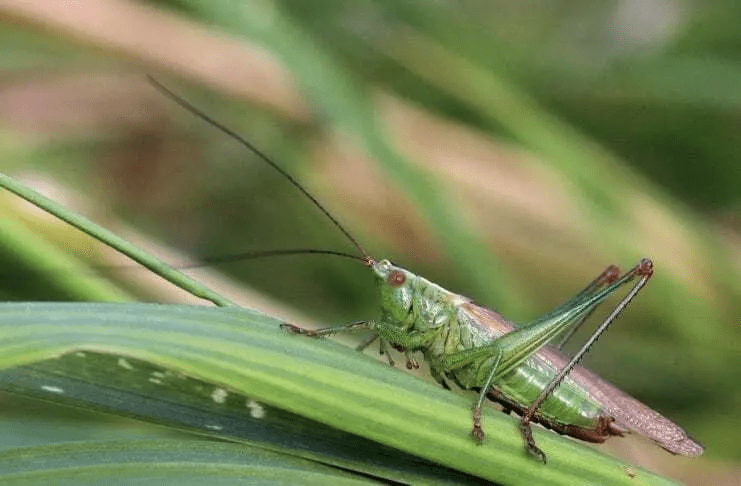
A cricket on a blade of grass. Public domain image.
It’s really strange that my blog post yesterday was about crickets and FOMO. Because… just a couple of hours later, I was driving to go get scheduled maintenance on my car, and when I was on the interstate, I looked over at my side mirror, and a cricket had caught a ride! He was now hanging on for dear life.
This drive then became an intentional effort to get Cricky all the way there without dangerously being lost to oblivion. And I’m pleased to say that both of us made it in one piece.
In fact, this turned into something pretty adorable. When I arrived, I told the crew that this cricket made it all the way from my house, and they celebrated him! They also shared they would take good care of him. I made a video of Cricky on my car as he ran toward their direction. It was cute as heck.
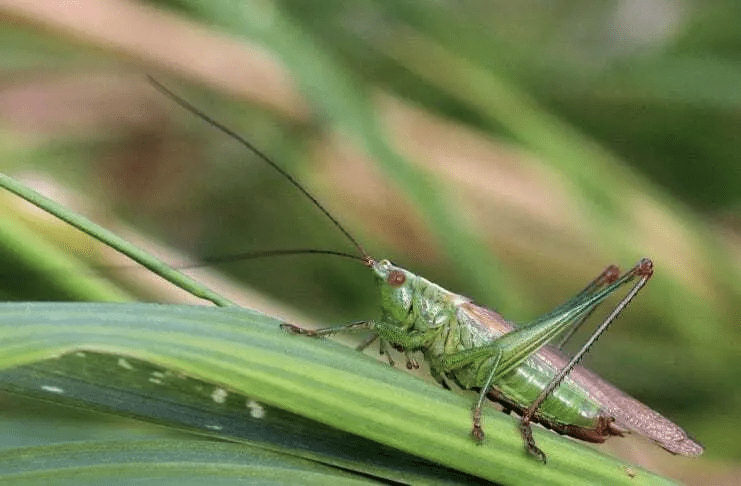
A cricket on a blade of grass. Public domain image.
I wonder, do crickets ever feel peer pressure or FOMO (Fear of Missing Out)?
Because every year, there’s an evening where I hear a few of them sounding as dusk begins. Just a few. And I think, “Oh, it’s coming. In a couple weeks, we’ll soon be hearing crickets every night.”
And then the very next night, it’s so much more of them. They heard, and they came to the party.
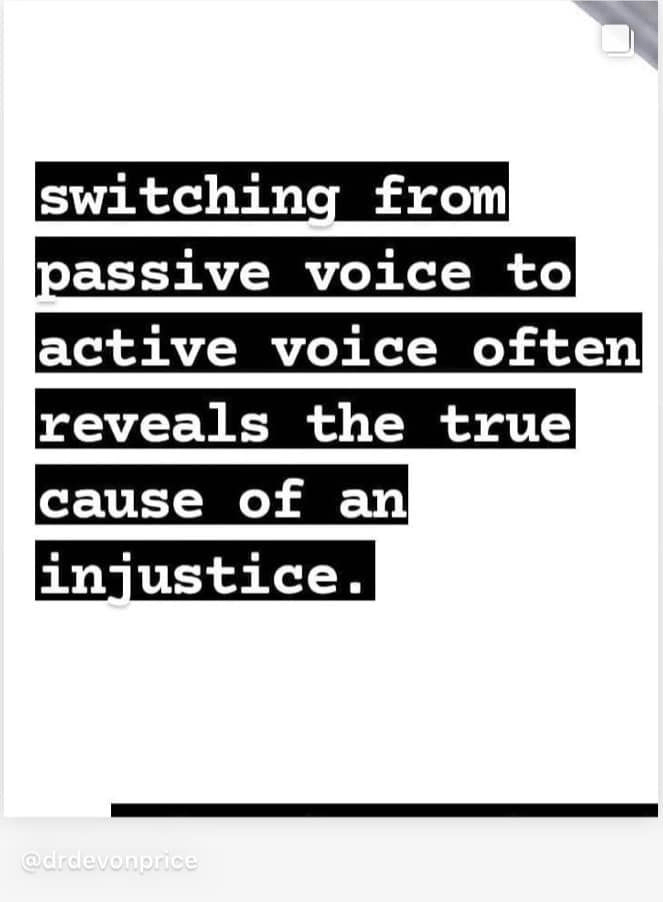
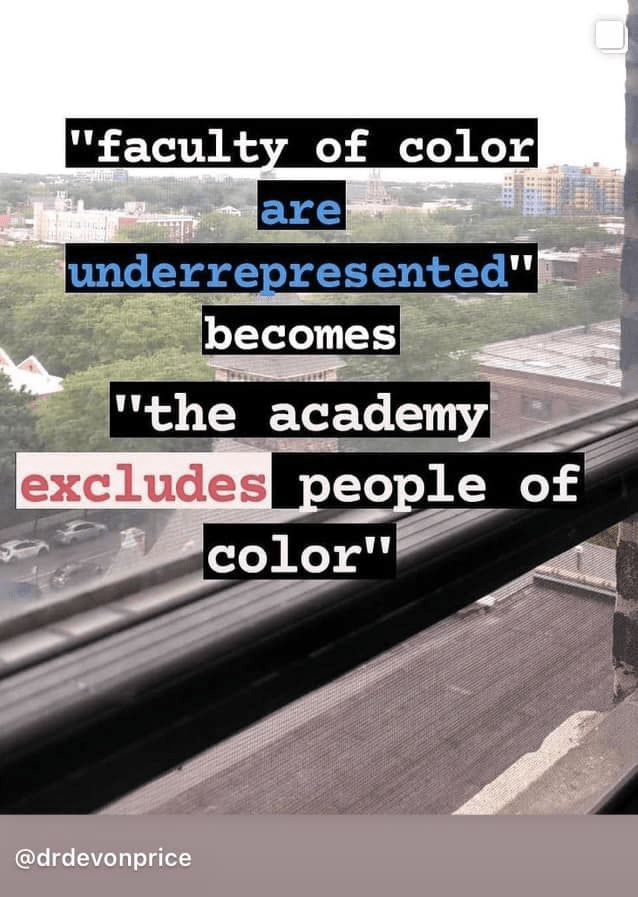
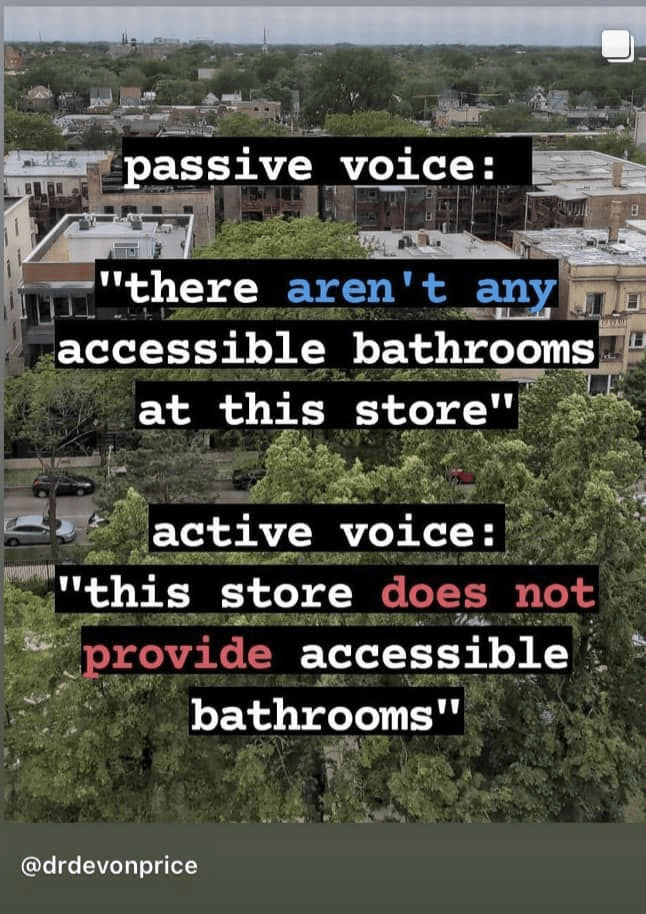
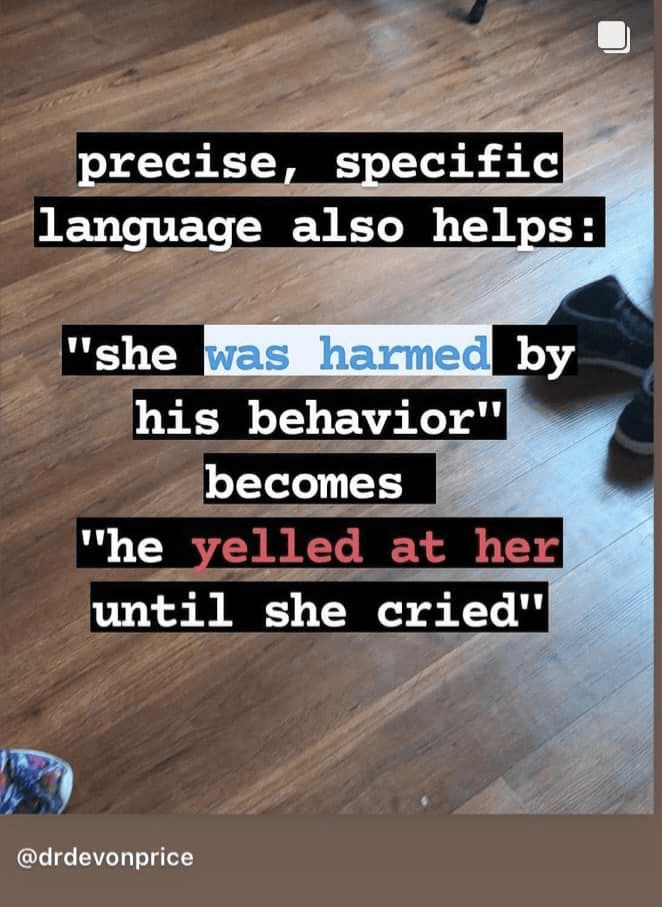
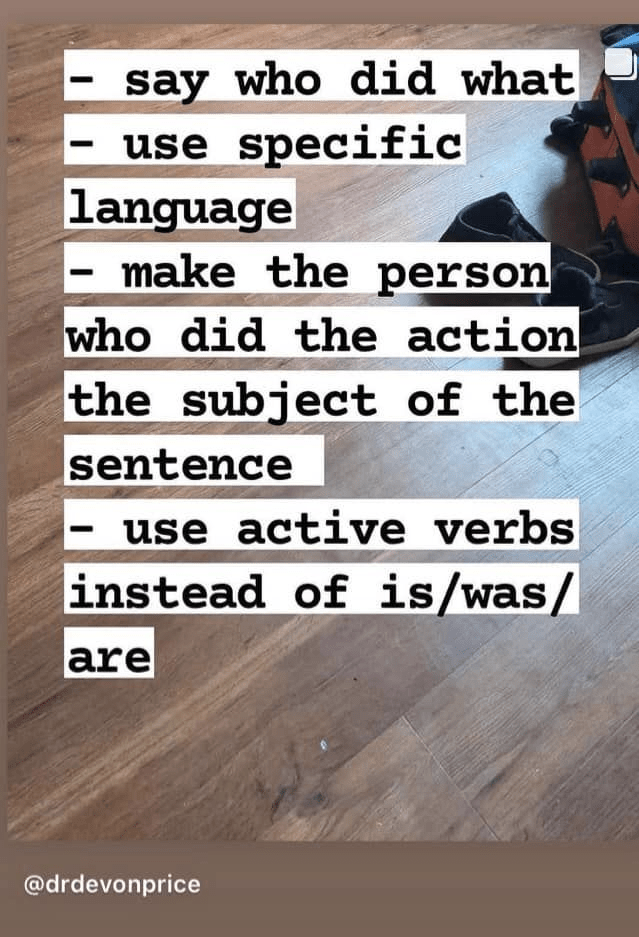
I’d love to share these images from Dr. Devon Price (@drdevonprice on Instagram). I am going to be checking myself when I use using passive language in these kinds of contexts. Text in comments.
Text: switching from passive voice to active voice often reveals the true cause of injustice.
Text: “faculty of color are underrepresented” becomes “the academy excludes people of color.”
Text: passive voice: “There aren’t accessible bathrooms in this store” active voice: “this store does not provide accessible bathrooms”
Text: “there aren’t many women in STEM” becomes “men in STEM harass women and gatekeep their access to the field”
Text: precise, specific language also helps: “she was harmed by his behavior” becomes “he yelled at her until she cried”
Text: — say who did what — use specific language — make the person who did the action the subject of the sentence — use active verbs instead of is/was/are
The Carina Nebula. Credits: NASA, ESA, CSA, and STScI
In the wake of receiving the first images from the James Webb Space Telescope, Vox’s Unexplainable re-aired their podcast episode, What’s the James Webb telescope searching for?.
It is pretty incredible to imagine that we could answer brand new questions with this telescope, and we can craft questions we didn’t even know to ask. I also love what astronomer Caitlin Casey says in this episode,
“If you look back to the Big Bang, the dark ages, the cosmic dawn, the creation of stars, galaxies, planets – we are a consequence of this. We can’t see ourselves as being apart from this. We are of this. Humans, trying to understand the universe, is really the universe trying to understand itself.”
My hair is a Midwesterner too. You know how I know this? Because it said, “Ope, let me just sneak right past ya.” With the GRAY.
I just noticed last week that my roots are a lighter color than the rest of my hair. A grayer-brown is coming in. And I hadn’t noticed at all for a good while. It did really Ope itself into a sneak-right-by.
It’s actually not super noticeable yet, especially in the light, but now I’ve noticed. I’m also relatively fine with this, because I welcome aging generally. But… I’ve also liked my hair the way it is. I was additionally going to get blonde highlights sometime this summer. I think I’m still going to do that.
I shared this with some friends, assuming that my gray revelation is pretty early at my age, but lots of them have said, “Wait, this is just starting for you?” They’ve already been there.
Over the weekend, I had a chance to meet with some people I’ve never met in person, and it was delightful. The Young Adult Call and Connect Group from the Epilepsy Foundation of Michigan has been connecting together over Zoom for the last two years, and this was our chance to gather together off the screen. These young adults made a team for the Grand Rapids Stroll for Epilepsy. (And they called themselves the Young Adult Krew so they could be the Yaks. Their shirts were cute).
We would have met over Zoom regardless of Covid because people live in different parts of the state. But these friendships have taken root and been really meaningful, so they wanted to make the effort to gather in person for this event.
When I saw them together, I realized that this was the first time I was meeting many of them in person, but that didn’t feel true. I was reminded that virtual friendship is real friendship, and the ties can run deep. And I’m grateful for this.
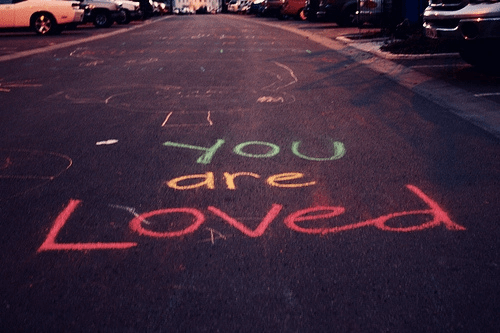
Written in chalk, “You are Loved.” Public domain image.
“Whenever I groan within myself and think how hard it is to keep writing about love in these times of tension and strife which may at any moment become for us all a time of terror, I think to myself “What else is the world interested in?” What else do we all want, each one of us, except to love and be loved, in our families, in our work, in all our relationships. God is Love. Love casts out fear. Even the most ardent revolutionist, seeking to change the world, to overturn the tables of the money changers, is trying to make a world where it is easier for people to love, to stand in that relationship to each other. We want with all our hearts to love, to be loved. . . . It is when we love the most intensely and most humanly that we can recognize how tepid is our love for others. The keenness and intensity of love brings with it suffering, of course, but joy too because it is a foretaste of heaven. . . .
“When you love people, you see all the good in them, all the Christ in them. God sees Christ, His Son, in us and loves us. And so we should see Christ in others, and nothing else, and love them. There can never be enough of it. There can never be enough thinking about it. St. John of the Cross said that where there was no love, put love and you would take out love. The principle certainly works. [1] . . . “
“Love and ever more love is the only solution to every problem that comes up. If we love each other enough, we will bear with each other’s faults and burdens. If we love enough, we are going to light that fire in the hearts of others. And it is love that will burn out the sins and hatreds that sadden us. It is love that will make us want to do great things for each other. No sacrifice and no suffering will then seem too much. [2] ”
[1] Dorothy Day, On Pilgrimage (New York: Catholic Worker Books, 1948), 52.
[2] Dorothy Day, House of Hospitality (Huntington, IN: Our Sunday Visitor, 2015), 267.
For the last couple of weeks, I’ve found myself listening to the 4th Movement of Beethoven’s 9th Symphony almost every day. I had the wonderful occasion to sing it recently with the UMS Choral Union and the Budapest Festival Orchestra, and I reflected upon that incredible experience on this blog. But I’m nowhere near tired of this work. Musically and emotionally, it’s a masterpiece.
And I realize that it draws me back almost daily because of its obvious subject matter: JOY.
Each day, I seem to get some new joy from it — a hope, a feeling, a dream, a memory. A few days ago, a vivid memory popped in my mind while listening. I had not thought of it for many years, but there it was, so clear and wonderful. It was an embodiment of joy. All these years later, it reminds me of something important.